


1. Green Roofs: Combating Dampness Naturally
Green roofs have gained popularity as an eco-friendly solution for many urban buildings. Beyond their aesthetic appeal, green roofs are efficient at managing dampness. These living systems consist of a layer of vegetation, soil, and a waterproof membrane, effectively acting as a sponge to absorb rainwater and reduce the risk of water infiltrating the building.
In Berlin, Germany, the Senate Department for Urban Development and Housing initiated the "Green Roof Program." They provide incentives for property owners to install green roofs, which not only mitigate dampness but also improve energy efficiency and air quality. This program has resulted in an impressive reduction in the number of damp-related issues and water runoff in the city.
2. Permeable Pavements: Managing Surface Water
Dampness issues don"t just plague the interior of buildings. Excessive surface water can lead to flooding, erosion, and damage to property. Permeable pavements, such as porous concrete or gravel driveways, are a sustainable solution that allows water to pass through, reducing surface water and its detrimental effects.
The city of Seattle, Washington, has been a pioneer in using permeable pavements to address its dampness concerns. Rainwater from roads and parking lots can seep through these surfaces, reducing stormwater runoff, and ultimately preventing the water from infiltrating basements and foundations. This innovative approach not only tackles dampness but also contributes to better water quality and reduced strain on city drainage systems.
3. Ventilation Systems: Balancing Moisture
Proper ventilation is crucial in preventing dampness inside buildings. In regions with high humidity or cold climates, managing indoor air quality is essential. Sustainable ventilation systems can extract excess moisture, ensuring a healthy indoor environment.
For example, the United Kingdom has seen a surge in sustainable ventilation technologies, including heat recovery systems and energy-efficient extractor fans. These systems not only reduce energy consumption but also help control indoor humidity, mitigating dampness and mold growth.
4. Rainwater Harvesting: A Sustainable Water Source
Capturing and reusing rainwater is a sustainable practice that can help reduce the risk of dampness by minimizing groundwater infiltration and improving water management around a building. While not a new concept, rainwater harvesting systems have gained momentum in recent years.
The Bullitt Center in Seattle is a prime example of a building that takes rainwater harvesting to the next level. This six-story, "living" office building collects rainwater from its roof and uses it for everything from flushing toilets to irrigating the landscaping. The building"s design not only conserves water but also helps manage stormwater, which is a significant contributor to dampness in many urban areas.
5. Sustainable Building Materials: Preventing Dampness from the Start
One of the most effective ways to combat dampness is to prevent it during the construction phase. Sustainable building materials and techniques can make a substantial difference.
Straw bale construction is an environmentally friendly alternative that has been used in many parts of the world, including the United States. Straw bales are an excellent insulator and can be used in combination with other materials to create well-insulated, moisture-resistant walls.
Cob construction, a mixture of clay, sand, and straw, is another example of sustainable building practices. Cob walls have excellent thermal mass and moisture-regulating properties, making them naturally resistant to dampness.
6. Community Initiatives: Sharing Sustainable Damp Solutions
Sometimes, sustainable damp solutions extend beyond individual buildings. Community initiatives and education play a significant role in raising awareness and implementing effective strategies.
In Portland, Oregon, the nonprofit organization, the Community Energy Project, offers workshops and resources to help residents combat dampness in their homes. Their programs focus on weatherization, which includes sealing gaps and cracks to prevent moisture infiltration and improve energy efficiency. By educating communities and providing hands-on support, they"re making a real impact on dampness issues in the region.
7. Government Regulations: Driving Sustainable Change
Government regulations and incentives can be a powerful catalyst for adopting sustainable damp solutions. In regions where dampness is a prevalent issue, governments are increasingly taking action to enforce building codes and standards that prioritize sustainability.
For instance, the city of Copenhagen, Denmark, is known for its strict regulations regarding building insulation and energy efficiency. By implementing and enforcing these regulations, the city has significantly reduced dampness-related problems in homes and buildings.
Conclusion
Dampness is a persistent issue in many buildings and homes, but it"s a challenge that can be effectively addressed through sustainable solutions. The real-world examples highlighted in this article demonstrate that the fight against dampness is not only possible but also beneficial for the environment and human health.
From green roofs and permeable pavements to innovative ventilation systems and rainwater harvesting, the sustainable damp solutions we"ve explored show that a better, drier future is within our reach. By adopting these approaches and sharing knowledge within our communities, we can work together to create a world where dampness becomes a problem of the past, all while reducing our environmental footprint. In doing so, we"re building a more sustainable and resilient future for our homes and our planet.
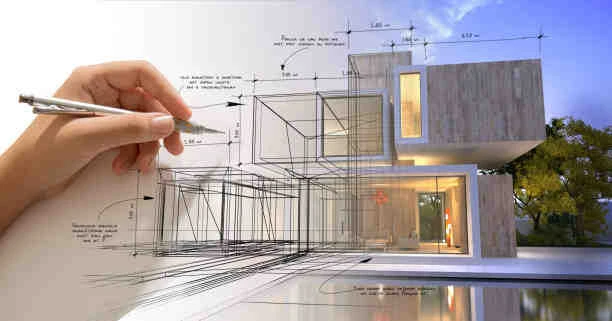
In a world often cluttered with complexity, modern minimalism in architecture stands as a testament to the beauty of simplicity. This design philosophy strips away excess ornamentation and embraces cl...

Throughout history, mankind has expressed its creativity and ambition through the construction of iconic architectural landmarks. These structures not only captivate us with their breathtaking designs...

Symmetry and balance in architectural design are principles that have been appreciated for centuries. These elements create a sense of harmony, order, and visual appeal in buildings and structures. Sy...

As the sun dips below the horizon, architectural wonders across the globe come to life, basking in the radiance of carefully designed illumination. Creative lighting design possesses the remarkable ab...

Architecture has a profound impact on our daily lives, shaping the way we interact with our surroundings and with one another. In recent years, a shift towards community-centric architecture has been ...
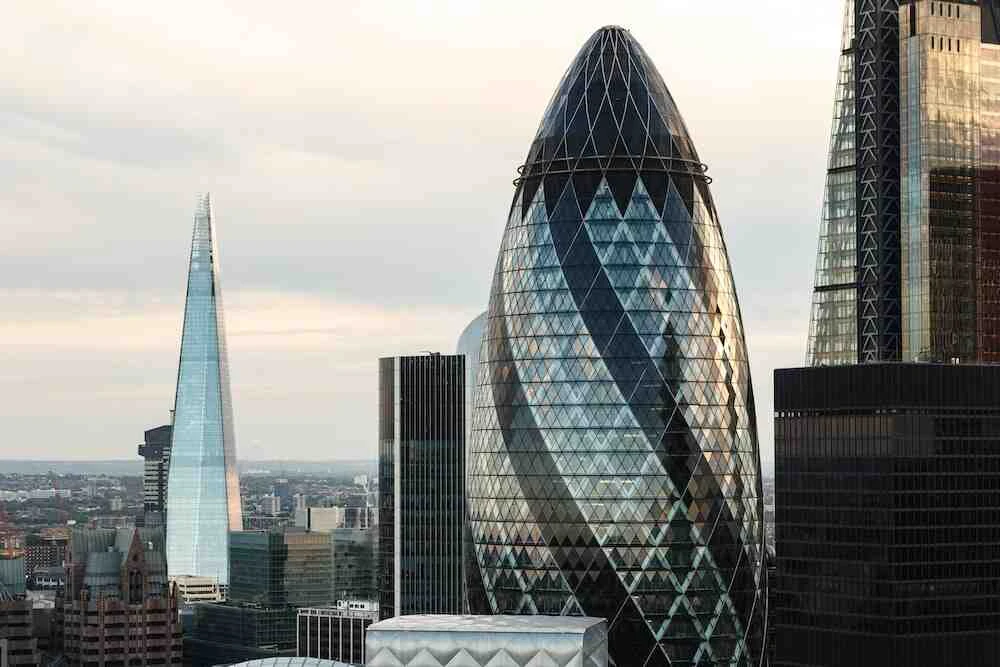
In the ever-evolving world of architecture, the materials we use play a pivotal role in shaping the built environment. Over the years, architects and designers have pushed the boundaries of convention...
Sign up to start winning an unlimited amount of jobs near you.


 Electrician
Gas Engineer
Electrician
Gas Engineer


Send more enquiries and explore your options
Increasing the number of potentials leads for you!
Have more control and flexibility over your finances!