



The Need for Sustainable Damp-Proofing
Damp issues in buildings are not just unsightly; they can lead to severe structural damage, reduced indoor air quality, and potential health hazards. Traditional damp-proofing methods have often relied on materials and practices that are not environmentally friendly, which raises concerns about their long-term sustainability.
With climate change concerns mounting and an increasing emphasis on responsible construction, the industry is seeking greener and more sustainable solutions for damp-proofing. Let"s explore some of the latest trends that are reshaping the damp-proofing landscape.
1. Biodegradable Damp-Proofing Membranes
Traditional damp-proofing membranes often consist of synthetic materials that have limited biodegradability and can be harmful to the environment. However, an exciting trend in sustainable damp-proofing involves the use of biodegradable membranes. These membranes are typically made from organic materials like cellulose or plant-based polymers.
Not only are these biodegradable membranes more environmentally friendly, but they also offer the same level of protection against dampness, ensuring that your building remains dry without compromising the planet"s health.
2. Recycled and Recyclable Damp-Proofing Products
Another promising trend is the use of recycled and recyclable materials for damp-proofing. Companies are increasingly investing in research and development to create damp-proofing products that can be produced from recycled materials, reducing the demand for new raw materials.
In addition to using recycled materials, many of these products are designed to be recycled themselves after their useful life, reducing the amount of waste generated by construction and renovation projects. This trend not only minimizes the carbon footprint but also contributes to a circular economy approach.
3. Low-VOC and Non-Toxic Damp-Proofing Solutions
Volatile organic compounds (VOCs) are chemicals often found in construction materials, including some damp-proofing products. These compounds can have adverse health effects and contribute to indoor air pollution. A significant trend in sustainable damp-proofing is the development of low-VOC and non-toxic solutions.
By reducing or eliminating VOCs, these products provide a healthier indoor environment for occupants, addressing not only dampness concerns but also the overall well-being of those who live or work in the building.
4. Innovative Damp-Proofing Technologies
Cutting-edge technologies are playing a pivotal role in revolutionizing the damp-proofing industry. One remarkable innovation is the use of smart sensors and monitoring systems that can detect and manage dampness in real time. These systems can automatically adjust ventilation, insulation, and heating to prevent dampness issues while optimizing energy efficiency.
Additionally, some companies are developing self-healing damp-proofing materials. These materials have the ability to repair small cracks and defects in the damp-proofing layer, extending their service life and reducing the need for frequent replacements.
5. Green Roof Damp-Proofing
Green roofs are becoming increasingly popular for their ecological benefits, including improved insulation and reduced energy consumption. As this trend gains momentum, damp-proofing solutions for green roofs are also evolving. The use of permeable membranes and moisture-retentive materials in green roof systems not only helps manage water effectively but also supports plant growth, further contributing to sustainability.
6. Bio-based Damp-Proofing Compounds
Bio-based damp-proofing compounds are derived from renewable sources such as plants and fungi. These compounds are not only sustainable but also biodegradable, reducing the environmental impact of construction projects.
What makes bio-based damp-proofing compounds even more intriguing is their potential to lock in carbon, effectively sequestering CO2 and contributing to carbon neutrality, which is crucial in the fight against climate change.
7. Education and Certification Programs
To promote sustainable damp-proofing practices, an increase in education and certification programs is observed. These programs help professionals in the construction industry stay updated on the latest trends and techniques in sustainable damp-proofing. By encouraging the adoption of sustainable practices, they play a vital role in reducing the environmental footprint of construction projects.
8. Government Regulations and Incentives
As the importance of sustainability becomes more evident, governments around the world are introducing regulations and incentives to promote eco-friendly construction practices. In some regions, adhering to sustainable damp-proofing methods may lead to tax benefits or other financial incentives, making it even more attractive for builders to embrace these trends.
9. Collaborative Industry Initiatives
The construction industry is known for its complex supply chain, involving architects, contractors, suppliers, and more. Collaborative initiatives are emerging, bringing together various stakeholders to drive sustainable damp-proofing practices. This collaboration ensures that everyone is on the same page, working towards a common goal of reducing the environmental impact of construction projects.
Conclusion
The future of damp-proofing is undoubtedly green. With a growing emphasis on sustainability and environmental responsibility, the industry is evolving rapidly to embrace eco-friendly practices. Sustainable damp-proofing trends, from biodegradable membranes to innovative technologies and bio-based compounds, are reshaping the way we approach dampness in construction.
In the coming years, we can expect to see even more exciting developments in the field of sustainable damp-proofing, driven by a collective commitment to a greener, more responsible construction industry. As these trends continue to shape the industry, we can look forward to buildings that not only stand the test of time but also contribute to a healthier planet.

The world of carpentry is buzzing with innovations, trends, and transformative technologies. For carpenters, keeping up with these changes isn"t just about staying ahead in the game; it"s about ensuri...

In an era where technology weaves through every facet of our lives, the carpentry profession is no exception to its transformative power. Welcome to "Carpentry Chronicles," a blog series dedicated to ...

Welcome to "Carpentry Chronicles," a blog series dedicated to navigating the ever-evolving landscape of carpentry. In this edition, we dive into a trend reshaping the carpentry domain—customizat...

In the bustling world of carpentry, safety isn"t just a precaution; it"s a fundamental necessity. Welcome to "Carpentry Chronicles," a blog series committed to navigating the ever-evolving landscape o...

In carpentry, where wood meets creativity, mastery is not just a goal; it"s a journey. Welcome to "Carpentry Chronicles," a blog series that peels back the layers of carpentry to reveal the artistry a...
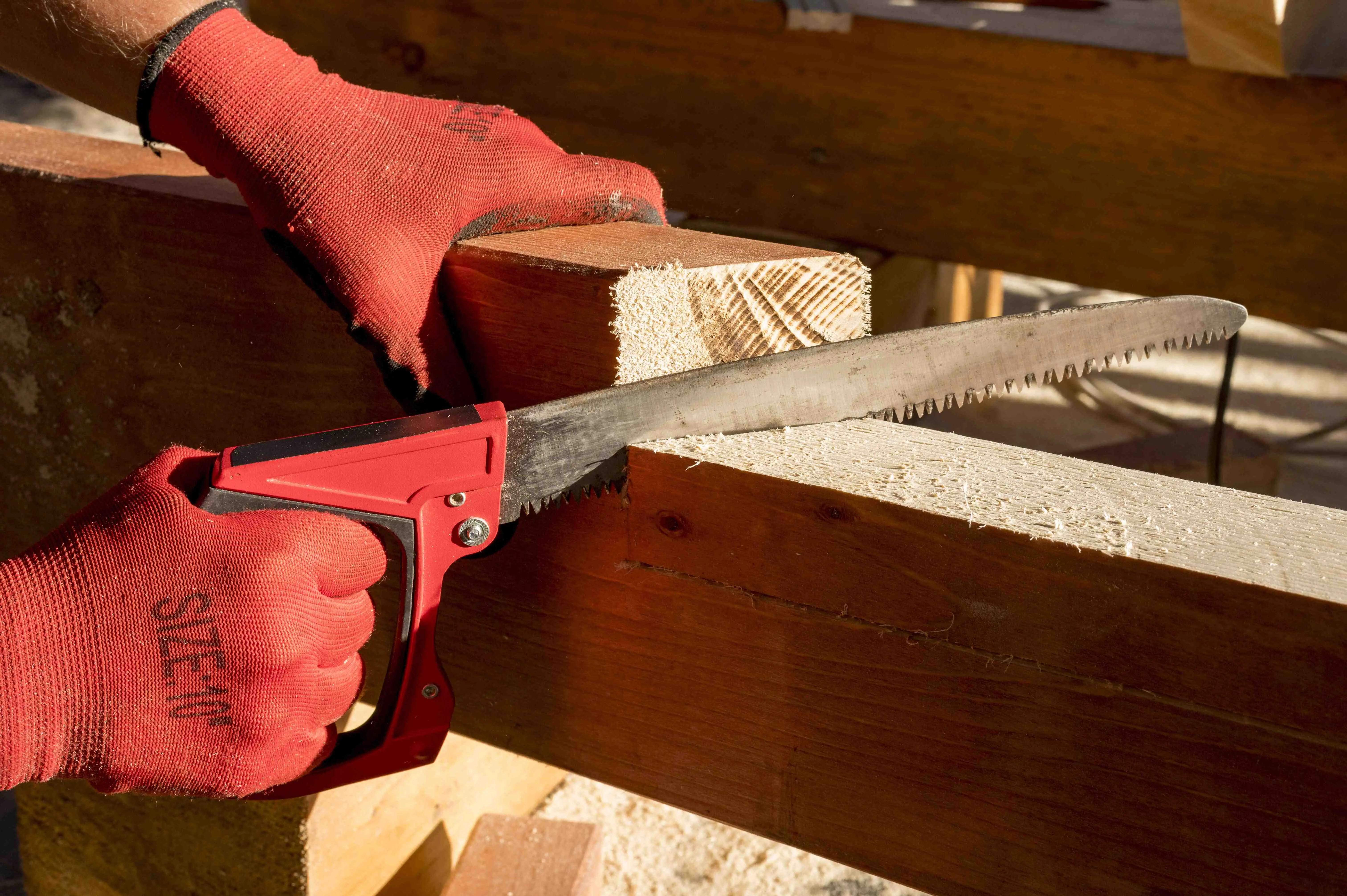
In the ever-evolving design landscape, where trends come and go, one element stands timeless—wood. Welcome to "Carpentry Chronicles," a blog series committed to navigating the dynamic world of c...
Sign up to start winning an unlimited amount of jobs near you.


 Electrician
Gas Engineer
Electrician
Gas Engineer


Send more enquiries and explore your options
Increasing the number of potentials leads for you!
Have more control and flexibility over your finances!