

Understanding Dampness
Before we dive into sustainable solutions, it"s important to understand the root causes of dampness in buildings. Dampness occurs when water or moisture finds its way into your home and gets trapped within its structure. Common causes of dampness include:
Water Seepage: Water can seep into the walls and floors of a building due to poor construction or a high water table.
Condensation: Condensation occurs when warm, moist air comes into contact with cooler surfaces, such as walls and windows. This moisture can lead to mold growth and structural damage.
Rising Damp: Rising damp is when groundwater is drawn up through a building"s masonry via capillary action.
Leaking Roofs and Gutters: Damaged or poorly-maintained roofs and gutters can allow water to infiltrate the building.
Now that we understand the various ways moisture can infiltrate our homes, let"s delve into sustainable damp-proofing solutions.
Sustainable Damp-Proofing Solutions
1. Natural Damp-Proofing Materials
One of the most eco-friendly approaches to damp-proofing involves using natural materials. Lime, for instance, has been used for centuries in construction and damp-proofing. Lime plaster and mortar allow walls to breathe and regulate moisture naturally, reducing the risk of trapped moisture and mold growth.
2. Recycled and Eco-Friendly Insulation
Proper insulation can help prevent condensation and control the temperature within your home. Recycled insulation materials, like cellulose insulation made from recycled newspaper or recycled denim insulation, are excellent choices. They not only reduce waste but also provide effective thermal and moisture control.
3. Green Roofs
Green roofs are a fantastic solution to damp-proofing. They involve covering the roof with vegetation, providing an extra layer of protection against water infiltration. Green roofs also contribute to better insulation and air quality.
4. Damp-Proof Paints and Coatings
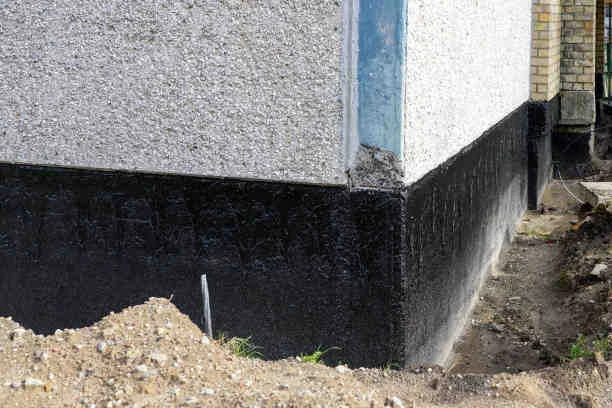
Eco-friendly damp-proof paints and coatings have been developed using low-impact materials. These coatings create a barrier against moisture while ensuring that your indoor air quality remains uncompromised.
5. Bio-based Sealants
Bio-based sealants, made from renewable resources, are excellent for sealing gaps and cracks. They are a sustainable alternative to traditional sealants, which can contain harmful chemicals.
6. Permeable Paving
Exterior damp-proofing can also be sustainable. Permeable paving materials, such as porous concrete or gravel, allow rainwater to drain through the surface and reduce the risk of water entering your home"s foundation.
Now that we"ve explored some sustainable damp-proofing solutions let"s take a closer look at the benefits of adopting these eco-friendly methods.
The Benefits of Sustainable Damp-Proofing
1. Environmental Conservation
The most apparent benefit of sustainable damp-proofing is its positive impact on the environment. By using natural materials and eco-friendly solutions, you reduce your carbon footprint and decrease the demand for non-renewable resources. Sustainable damp-proofing helps in conserving our planet for future generations.
2. Improved Indoor Air Quality
Traditional damp-proofing methods often involve chemicals that can release harmful fumes into the air. Eco-friendly solutions, on the other hand, have a minimal impact on indoor air quality. They ensure that your home remains a safe and healthy environment for you and your family.
3. Longevity and Durability
Sustainable damp-proofing solutions are not only better for the environment but also for your home. Natural materials and green technologies often last longer and require less maintenance. This means fewer repairs and less waste in the long run.
4. Energy Efficiency
Green solutions like proper insulation and green roofs also contribute to improved energy efficiency. They help regulate the temperature within your home, reducing the need for excessive heating or cooling. This, in turn, results in lower energy bills and a reduced carbon footprint.
5. Increased Property Value
As sustainability becomes more mainstream, homes with eco-friendly features are in high demand. Sustainable damp-proofing can increase the resale value of your property, making it a wise long-term investment.
6. Health Benefits
By preventing dampness and mold growth, sustainable damp-proofing safeguards the health of the occupants. Mold spores can cause respiratory problems and allergies, and by addressing these issues proactively, you reduce health risks.
7. Government Incentives
Many governments and local authorities offer incentives and rebates for homeowners who opt for sustainable building practices. You can potentially save money on taxes or receive financial assistance for making your home more eco-friendly.
Real-World Reviews
To illustrate the effectiveness of sustainable damp-proofing solutions, let"s take a look at some real-world reviews from homeowners who have made the switch.
Case 1: Sarah"s Lime-Plastered Walls
Sarah, a homeowner in a historic building, was experiencing recurring damp issues in her home. She decided to use lime plaster to damp-proof her walls. After the renovation, she reported, "Not only did the lime plaster solve my damp problems, but it also gave my home a rustic and charming appearance. I love that it"s eco-friendly and helps my house "breathe.""
Case 2: Mark"s Green Roof Transformation
Mark decided to install a green roof on his suburban house to combat dampness. He noted, "I used to dread the rainy season, but ever since the green roof was installed, my home remains dry and comfortable. It"s also a great conversation starter, and I"m proud to be doing my bit for the environment."
Case 3: Jane"s Recycled Insulation
Jane, who lived in a drafty old house, decided to insulate her home with recycled denim insulation. She exclaimed, "The difference is remarkable! Not only did it eliminate the dampness and cold spots, but my energy bills have also gone down significantly. It"s a win-win!"
Conclusion
Sustainable damp-proofing solutions offer a ray of hope in the battle against dampness, and they come with a multitude of benefits. From reducing environmental impact to improving indoor air quality and property value, these eco-friendly solutions make sense for both the planet and your pocket.
If you"re considering damp-proofing your home, it"s worth exploring the various sustainable options available. Not only will you contribute to a greener, healthier future, but you"ll also enjoy the immediate benefits of a drier, more comfortable living space. So, why not take the eco-friendly route and say goodbye to dampness for good? Your home and the environment will thank you.
In the era of climate change and environmental consciousness, sustainable building practices have gained immense importance. One of the critical aspects of sustainable construction is the selection of...
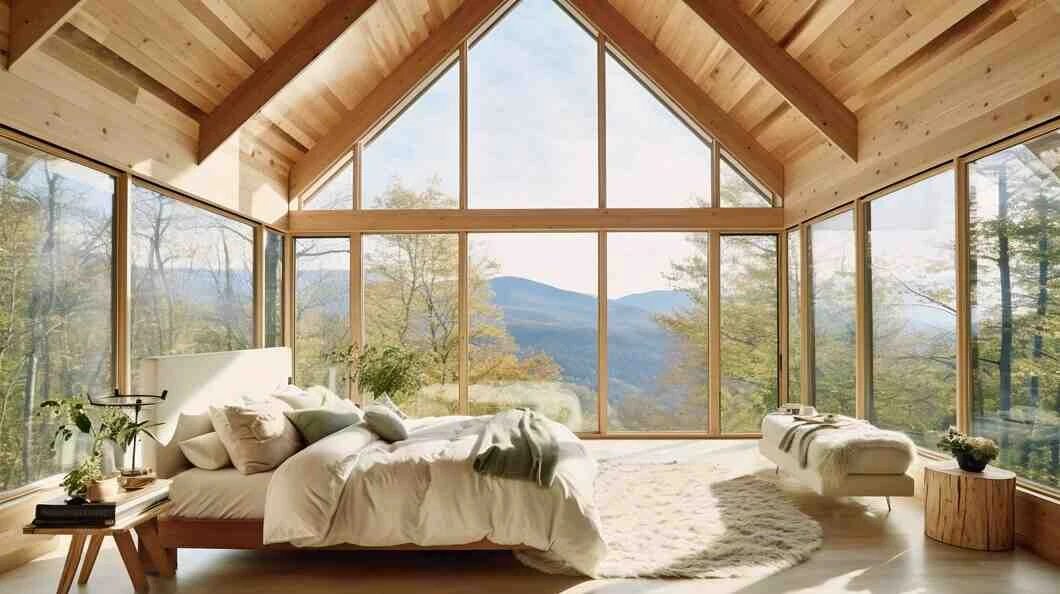
When it comes to making our homes and buildings more energy-efficient, insulation materials play a crucial role. They help regulate indoor temperatures, reduce energy consumption, and lower heating an...

Smart building technologies have revolutionized the way we design, construct, and manage buildings. These technologies leverage the power of the Internet of Things (IoT) to enhance building ef...
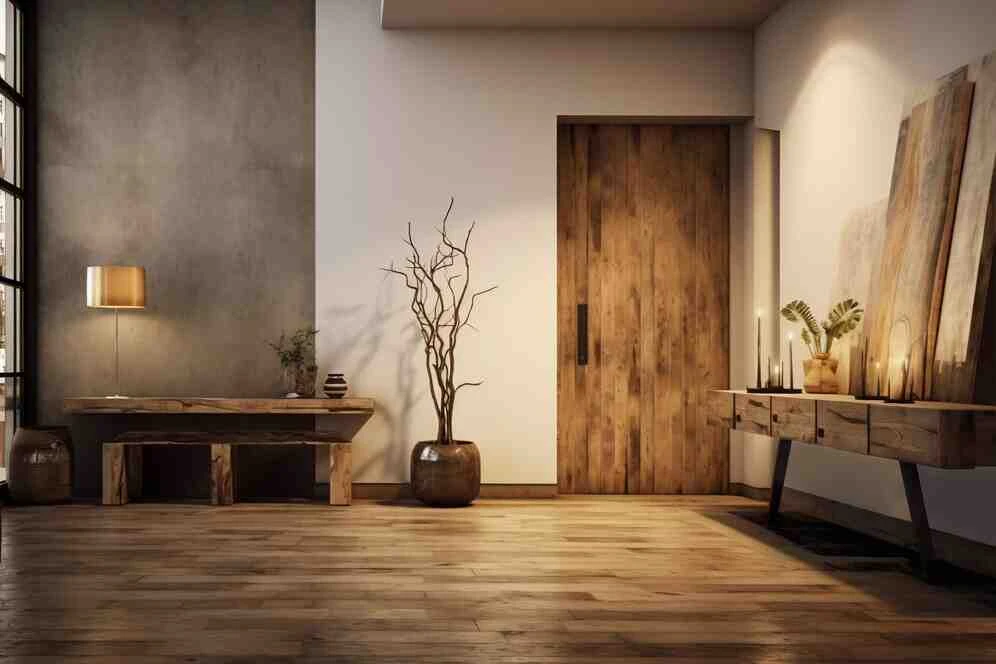
Selecting the right flooring material is a crucial decision when it comes to interior design and construction projects. Flooring not only impacts the aesthetics of a space but also affects its functio...
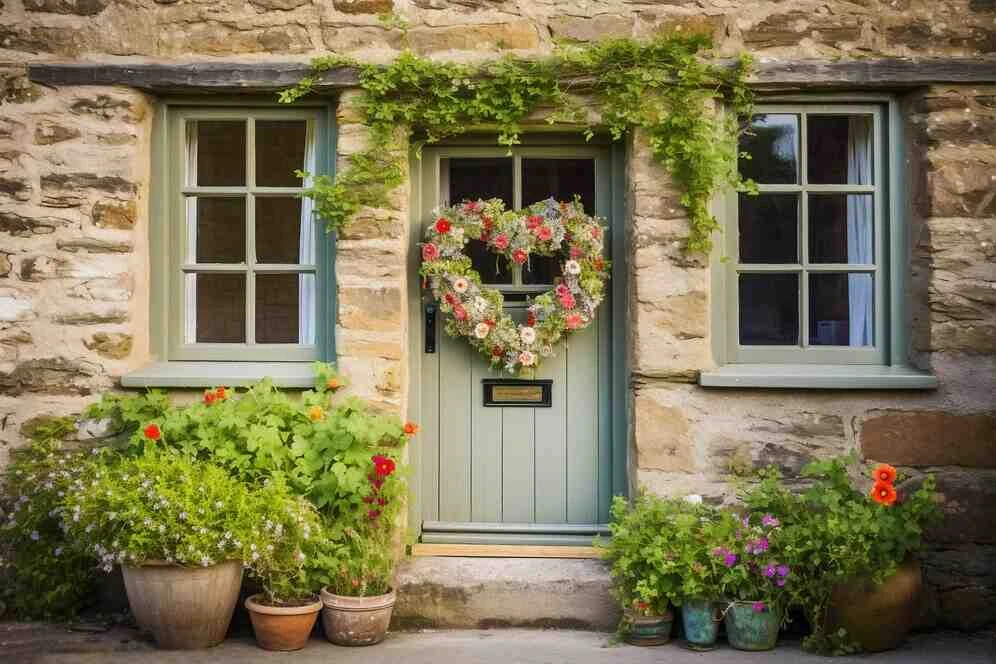
Windows and doors are more than just functional components of a building; they are key architectural elements that can dramatically impact a structure"s aesthetics, energy efficiency, and overall appe...

Innovative structural materials have been at the forefront of modern construction, pushing the boundaries of what is possible in terms of strength, sustainability, and design. As the construction indu...
Sign up to start winning an unlimited amount of jobs near you.


 Electrician
Gas Engineer
Electrician
Gas Engineer


Send more enquiries and explore your options
Increasing the number of potentials leads for you!
Have more control and flexibility over your finances!