

1. Solar-Active Glass
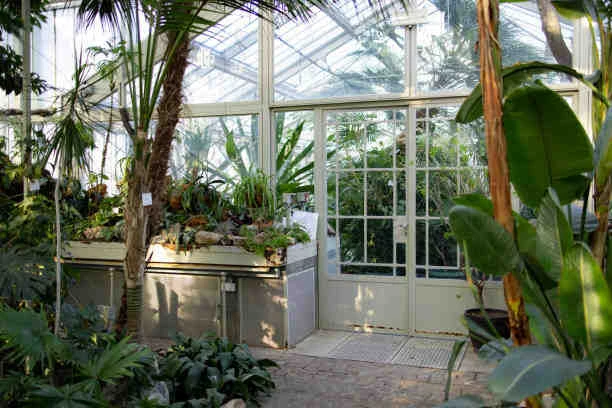
One of the most significant trends in sustainable conservatories is the use of solar-active glass. This cutting-edge glass technology not only provides all the benefits of traditional glass, such as natural light and stunning views but also generates electricity. Solar-active glass incorporates thin-film photovoltaic cells that capture sunlight and convert it into energy. This innovation can significantly reduce the energy consumption of conservatories, making them more environmentally friendly and cost-effective.
The concept of conservatories that can generate their own electricity not only helps homeowners reduce their carbon footprint but also saves them money on energy bills. It"s a win-win solution that"s gaining popularity in the industry.
2. Recycled and Sustainable Materials
The use of recycled and sustainable materials in conservatory construction is another important trend. Traditionally, conservatories were built with materials like hardwood and aluminum, which have significant environmental impacts. However, a shift towards sustainable and recycled materials, such as reclaimed wood and eco-friendly steel, is now taking place.
Reclaimed wood, in particular, adds character and a unique, rustic charm to conservatories. Using recycled materials not only reduces the demand for new resources but also minimizes waste and carbon emissions. Additionally, sustainable materials like bamboo and FSC-certified wood are gaining traction for their eco-friendly properties.
3. Energy-Efficient Design
Sustainable conservatories are now being designed with energy efficiency in mind. This means incorporating features like well-insulated roofs and walls, energy-efficient glazing, and advanced ventilation systems. These elements help maintain a comfortable temperature year-round while reducing the need for excessive heating or cooling, thus lowering energy consumption.
Incorporating energy-efficient design principles can make a conservatory a more pleasant space to enjoy, even during extreme weather conditions, and contribute to a more sustainable lifestyle.
4. Green Roofs and Living Walls
Green roofs and living walls are not only aesthetically pleasing but also contribute to sustainable conservatory design. Green roofs, covered with vegetation, provide natural insulation, reduce stormwater runoff, and support local biodiversity. Living walls, covered in plants, improve indoor air quality and create a soothing atmosphere.
By integrating these green features, conservatories become an extension of the surrounding environment and play a role in mitigating urban heat islands and promoting sustainability.
5. Rainwater Harvesting Systems
Rainwater harvesting is a practice that is increasingly being incorporated into conservatory designs. These systems collect rainwater from the conservatory"s roof and store it for various uses, such as watering plants or flushing toilets. By reducing the demand on municipal water supplies, rainwater harvesting conservatories contribute to water conservation efforts.
In addition to the environmental benefits, these systems can also help homeowners save on water bills in the long run.
6. Climate-Control Technologies
The integration of advanced climate-control technologies has revolutionized conservatory comfort and sustainability. Smart thermostats and shading systems that adjust to weather conditions, occupancy, and time of day help optimize energy usage. These technologies not only enhance the usability of conservatories but also reduce energy waste.
By allowing homeowners to easily control the climate in their conservatories, these technologies make sustainable living a more convenient and enjoyable choice.
7. Wildlife-Friendly Landscaping
Sustainable conservatories are not just about the structures themselves; they also encompass the surrounding landscapes. Homeowners are increasingly opting for wildlife-friendly landscaping that promotes biodiversity. Native plants, bird feeders, and insect-friendly habitats create a welcoming environment for local fauna.
This trend not only connects conservatories with the natural world but also supports ecosystem health and conservation efforts.
8. Adaptive Reuse
Another intriguing trend in sustainable conservatories is adaptive reuse. Instead of building entirely new structures, some homeowners are repurposing existing structures, such as old barns or industrial buildings, to create unique and eco-friendly conservatories. This approach not only saves resources but also adds character and history to the living space.
Sustainable conservatory trends are undoubtedly shaping the industry, influencing design, materials, and technologies to create more eco-friendly and energy-efficient spaces. As the world continues to prioritize sustainability and environmental responsibility, these trends will likely become even more prevalent. If you"re considering adding a conservatory to your home or renovating an existing one, it"s worth exploring these sustainable options to create a beautiful living space that not only enhances your quality of life but also minimizes your environmental impact. The future of conservatories is green, and it"s a future that benefits both homeowners and the planet.
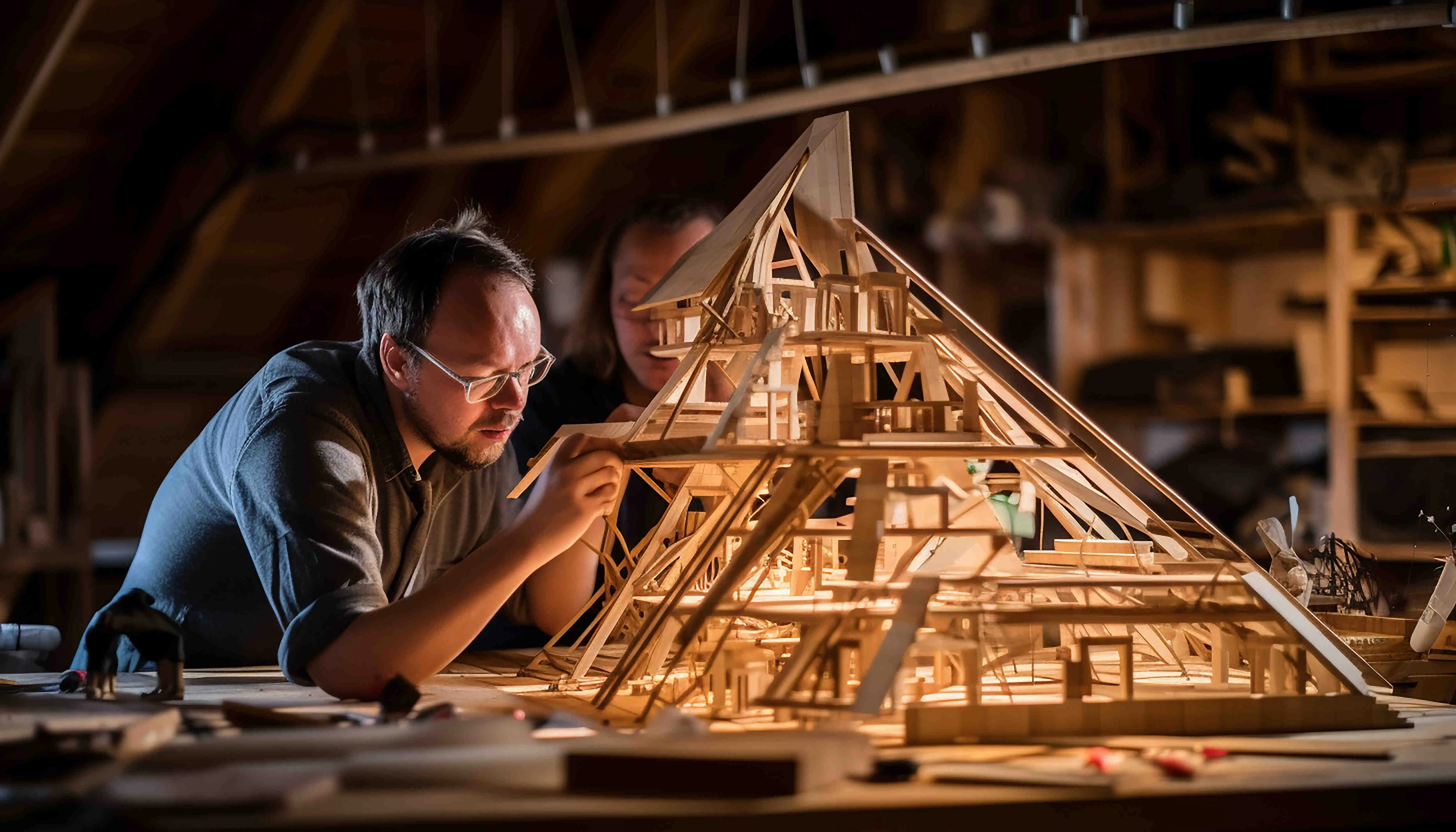
The world of carpentry is buzzing with innovations, trends, and transformative technologies. For carpenters, keeping up with these changes isn"t just about staying ahead in the game; it"s about ensuri...
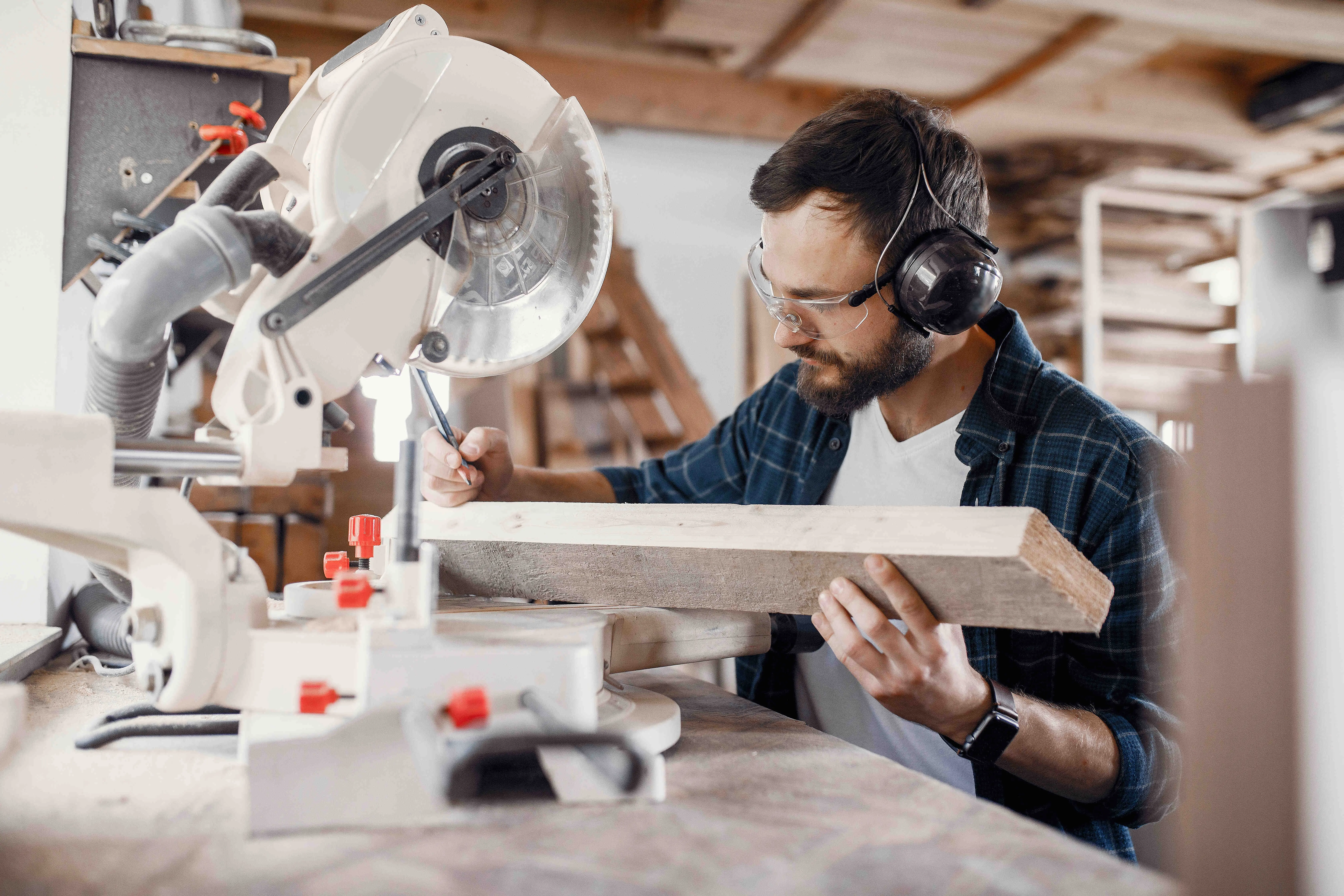
In an era where technology weaves through every facet of our lives, the carpentry profession is no exception to its transformative power. Welcome to "Carpentry Chronicles," a blog series dedicated to ...

Welcome to "Carpentry Chronicles," a blog series dedicated to navigating the ever-evolving landscape of carpentry. In this edition, we dive into a trend reshaping the carpentry domain—customizat...
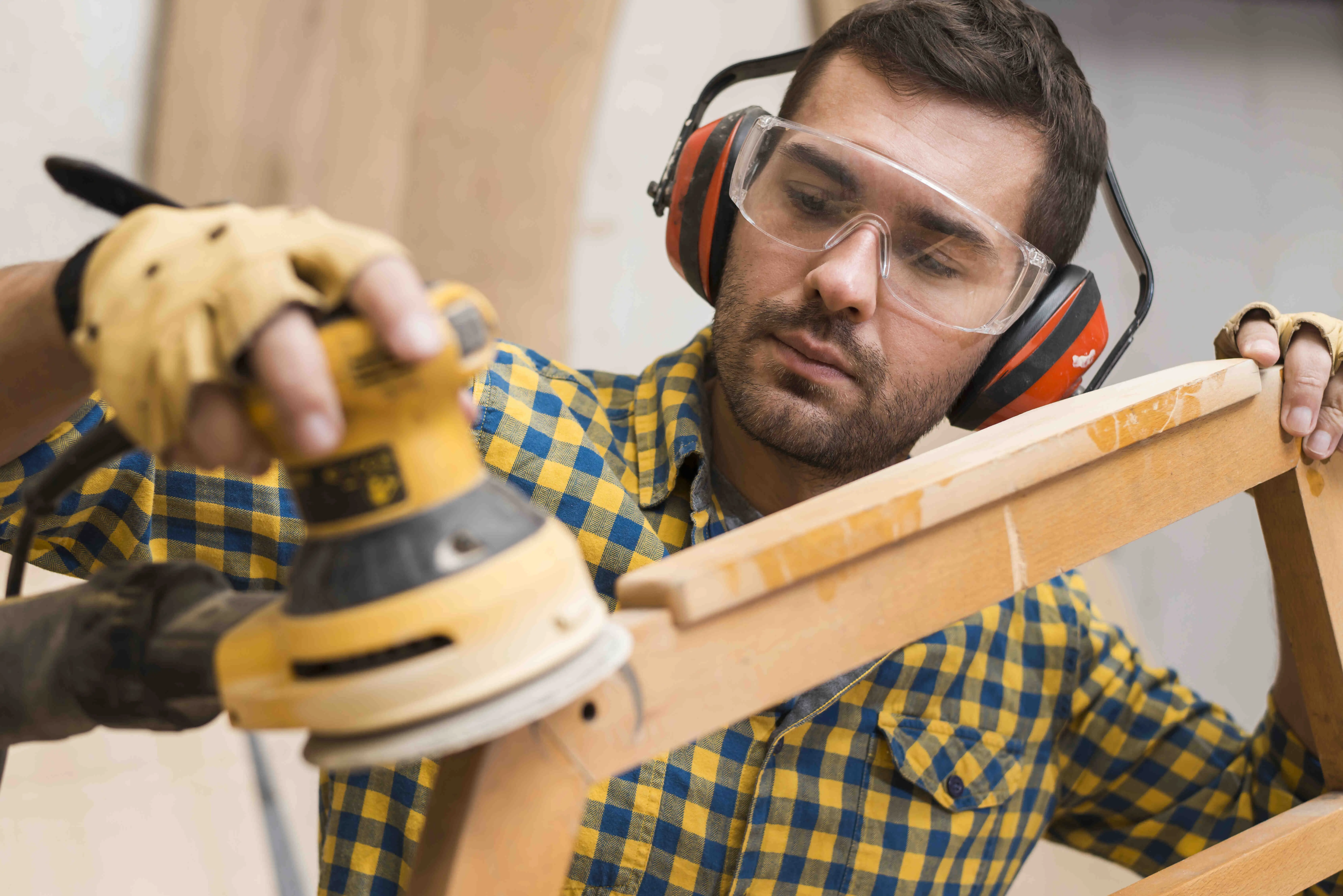
In the bustling world of carpentry, safety isn"t just a precaution; it"s a fundamental necessity. Welcome to "Carpentry Chronicles," a blog series committed to navigating the ever-evolving landscape o...
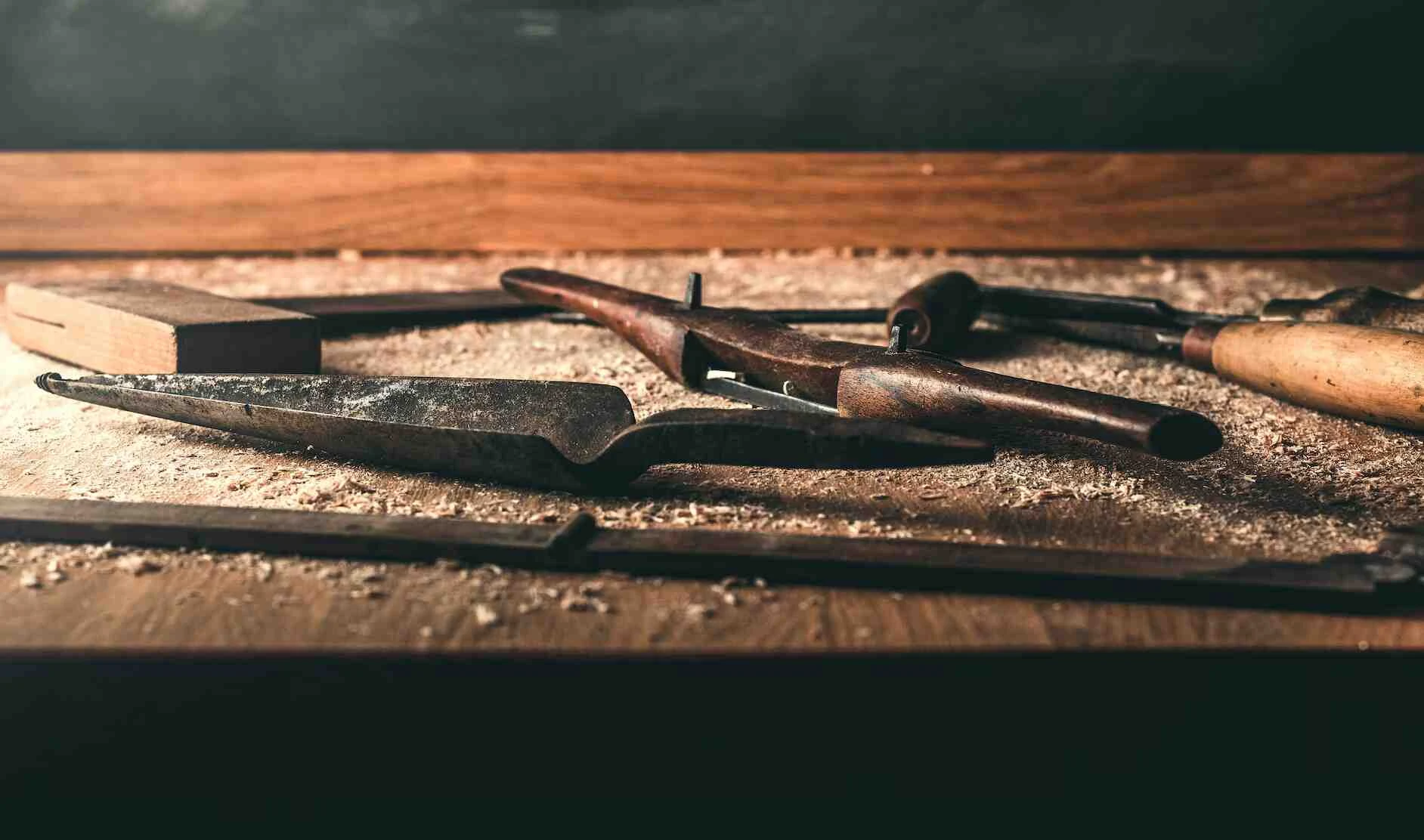
In carpentry, where wood meets creativity, mastery is not just a goal; it"s a journey. Welcome to "Carpentry Chronicles," a blog series that peels back the layers of carpentry to reveal the artistry a...
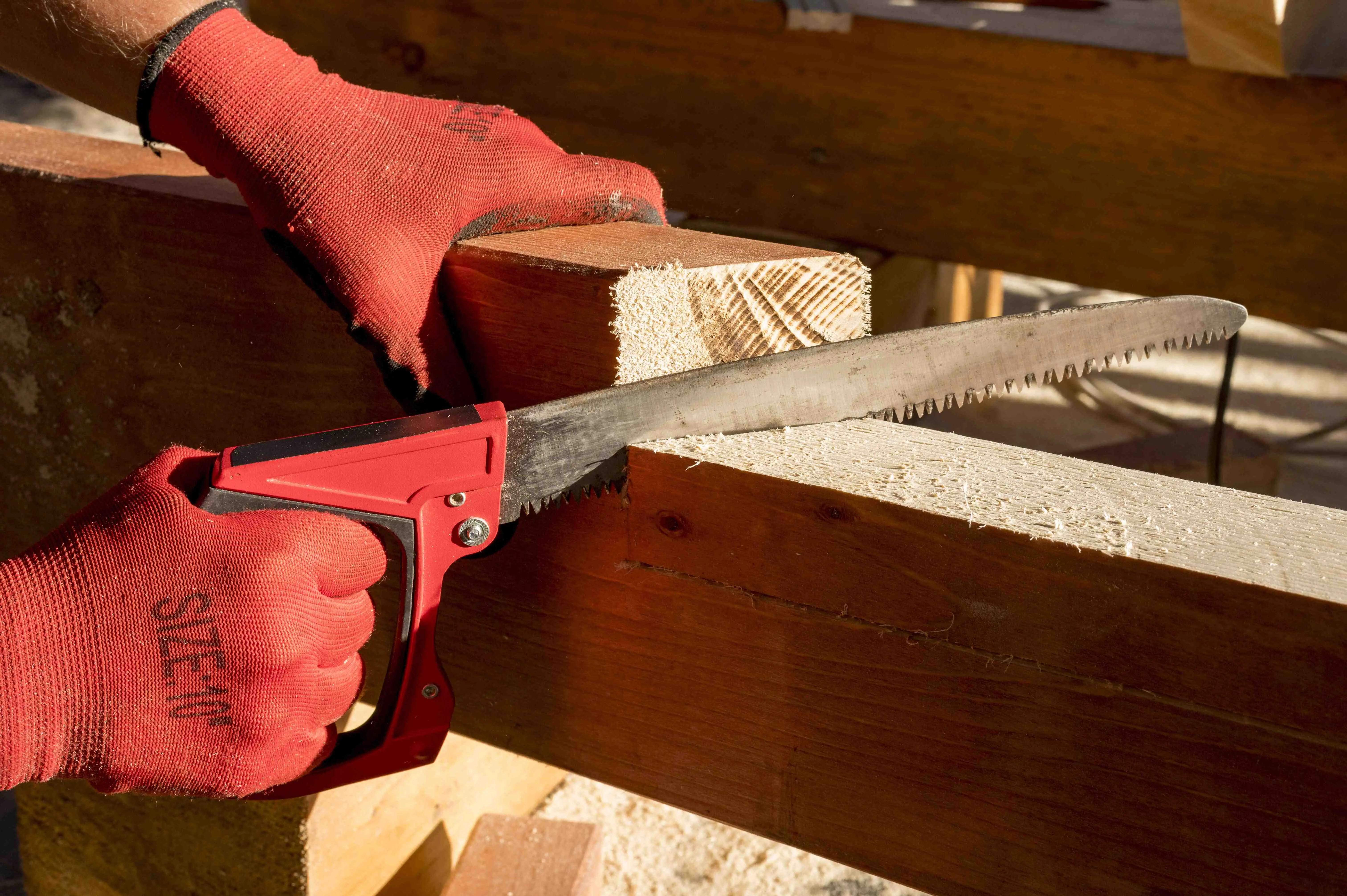
In the ever-evolving design landscape, where trends come and go, one element stands timeless—wood. Welcome to "Carpentry Chronicles," a blog series committed to navigating the dynamic world of c...
Sign up to start winning an unlimited amount of jobs near you.


 Electrician
Gas Engineer
Electrician
Gas Engineer


Send more enquiries and explore your options
Increasing the number of potentials leads for you!
Have more control and flexibility over your finances!