


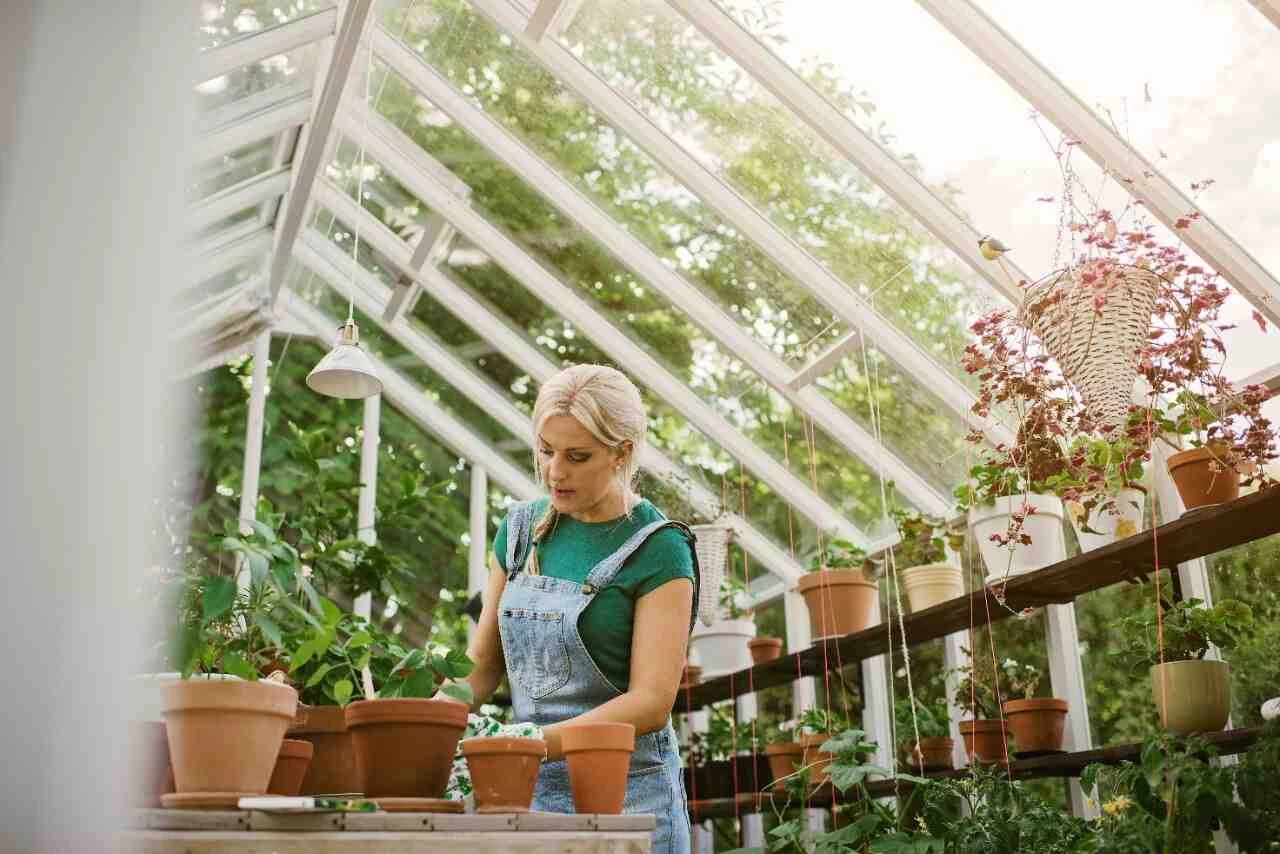
1. The Eden Project, Cornwall, UK
When discussing sustainable conservatories, it"s impossible not to mention the iconic Eden Project. Located in Cornwall, England, this world-famous environmental complex is home to two colossal biomes, which are essentially gigantic conservatories. What sets the Eden Project apart is its ingenious use of sustainable building materials and innovative design.
The biomes are constructed using over 230 miles of hexagonal and pentagonal inflatable plastic cells, resembling a giant bubble wrap. This unique architecture minimizes energy consumption by retaining heat during the day and releasing it at night, creating a stable, temperate environment for the thousands of plant species that thrive inside. The Eden Project also showcases the importance of rainwater harvesting, with massive tanks collecting rainwater for use throughout the complex.
2. The Amazon Spheres, Seattle, USA
Nestled within the heart of Seattle, the Amazon Spheres represent a revolutionary approach to corporate office spaces. These futuristic, spherical glass conservatories are a testament to Amazon"s commitment to sustainability and environmental stewardship.
The spheres house a stunning variety of plants from around the world, creating an awe-inspiring atmosphere that doubles as a unique workspace for Amazon employees. What makes this project particularly impressive is the use of recycled and sustainable building materials, as well as an innovative district energy system that effectively manages energy and reduces waste. The Amazon Spheres stand as a prime example of how sustainability and corporate innovation can coexist harmoniously.
3. The Green Planet, Dubai, UAE
Dubai, known for its opulence and extravagance, may seem an unlikely place for a sustainable conservatory. However, the Green Planet, located in the heart of the city, is a marvel of eco-conscious design. This lush, enclosed ecosystem transports visitors to the heart of the rainforest, creating a unique opportunity to learn about and appreciate the world"s diverse flora and fauna.
The Green Planet"s commitment to sustainability is reflected in its use of recycled materials, renewable energy sources, and a state-of-the-art water recycling system. The structure itself is designed to minimize energy consumption, making it a sustainable oasis amidst the desert metropolis of Dubai.
4. The Butterfly House, Changi Airport, Singapore
Singapore"s Changi Airport is renowned for its cutting-edge design and passenger-friendly amenities. Among its many attractions, the Butterfly House stands out as a beacon of sustainability. This conservatory is a tranquil escape within the bustling airport, offering travelers a chance to unwind and appreciate the beauty of nature.
What"s remarkable about the Butterfly House is its clever use of natural light and ventilation. The design incorporates louvered glass walls, which allow for optimal airflow and natural lighting. By reducing the need for artificial lighting and air conditioning, the Butterfly House minimizes its carbon footprint and sets a remarkable example of sustainability in the heart of an international travel hub.
5. The Royal Botanic Garden, Edinburgh, UK
In the historic heart of Edinburgh, Scotland"s capital, you"ll find the Royal Botanic Garden. This venerable institution is not just a center of horticultural research and conservation but a stunning example of a sustainable conservatory.
The Garden"s glasshouses have been meticulously restored and renovated to incorporate energy-efficient glazing and heating systems. Additionally, the Royal Botanic Garden actively engages in environmental education and conservation initiatives, making it an educational and ecological hub for the community.
In the midst of these real-world examples, it"s clear that sustainable conservatories are more than just aesthetically pleasing spaces – they"re pioneering the way toward a greener future. The world"s growing commitment to eco-friendly design and sustainable practices is evident in these remarkable structures. As technology and architectural innovation continue to evolve, we can expect even more ingenious and eco-conscious conservatories to emerge, proving that luxury and environmental responsibility can indeed go hand in hand.
In conclusion, sustainable conservatories are not merely glass-encased retreats; they represent a harmonious fusion of human ingenuity and environmental responsibility. The examples discussed in this post are just the tip of the iceberg, showcasing the potential of these structures to contribute positively to our world. As we strive to reduce our carbon footprint and protect our planet, sustainable conservatories offer a beacon of hope and inspiration, demonstrating that the future of architecture can be both breathtaking and sustainable.
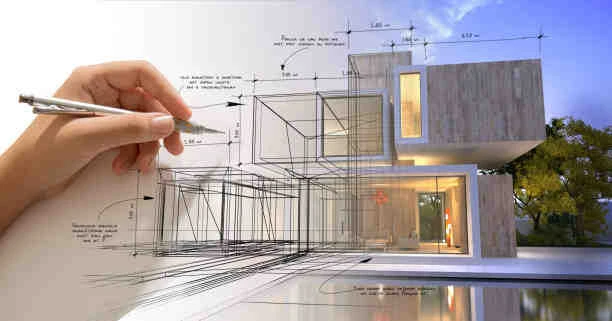
In a world often cluttered with complexity, modern minimalism in architecture stands as a testament to the beauty of simplicity. This design philosophy strips away excess ornamentation and embraces cl...

Throughout history, mankind has expressed its creativity and ambition through the construction of iconic architectural landmarks. These structures not only captivate us with their breathtaking designs...
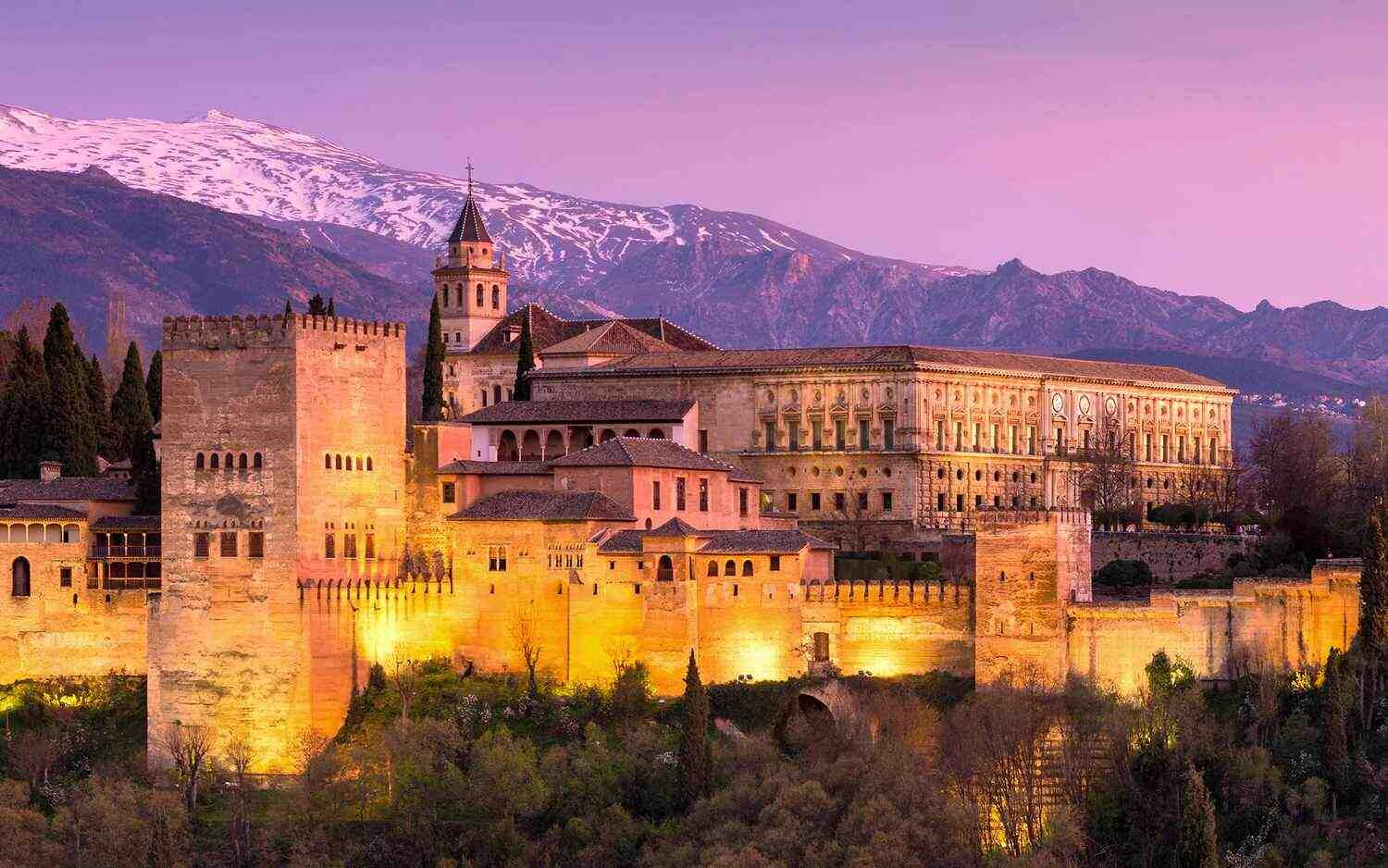
Symmetry and balance in architectural design are principles that have been appreciated for centuries. These elements create a sense of harmony, order, and visual appeal in buildings and structures. Sy...
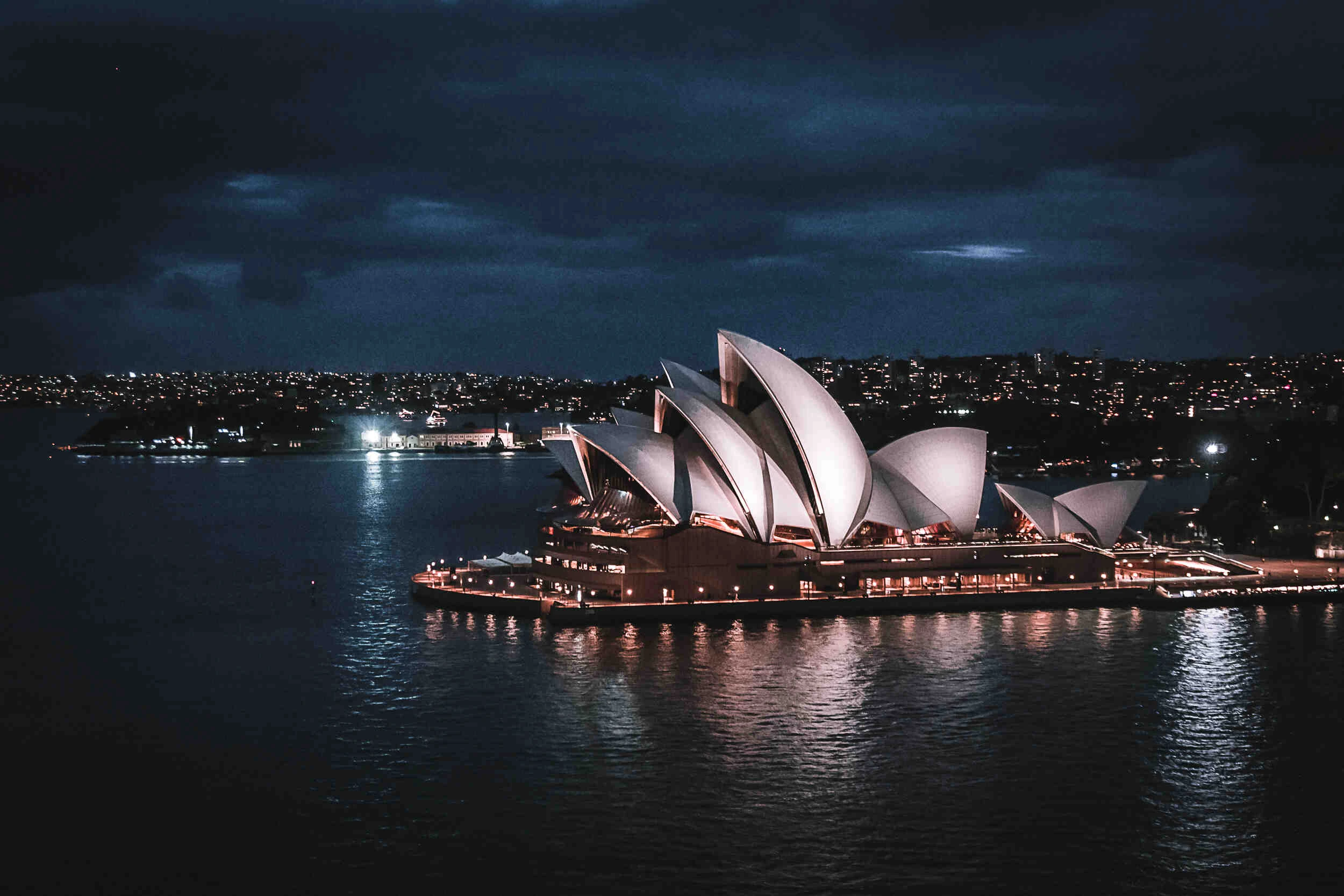
As the sun dips below the horizon, architectural wonders across the globe come to life, basking in the radiance of carefully designed illumination. Creative lighting design possesses the remarkable ab...
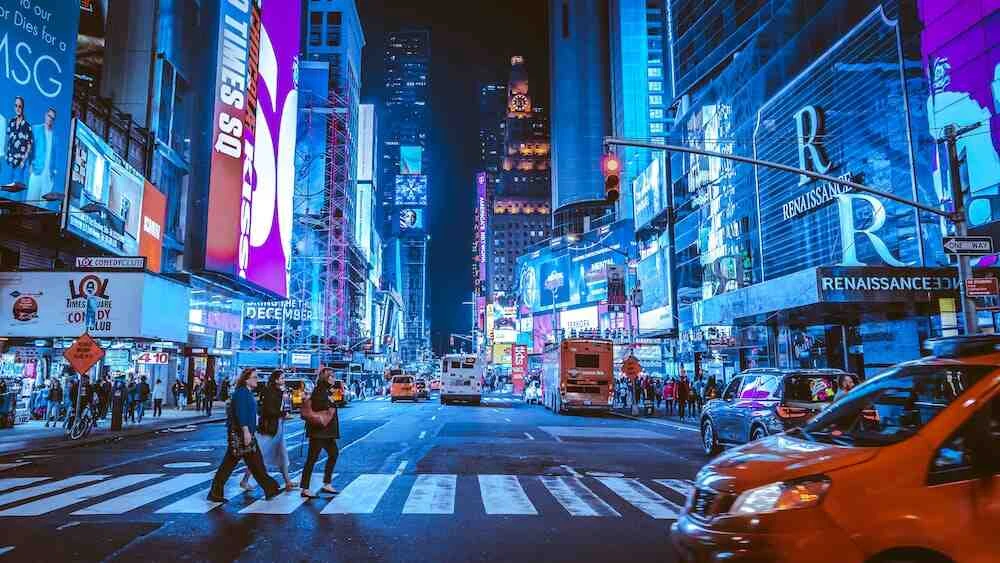
Architecture has a profound impact on our daily lives, shaping the way we interact with our surroundings and with one another. In recent years, a shift towards community-centric architecture has been ...
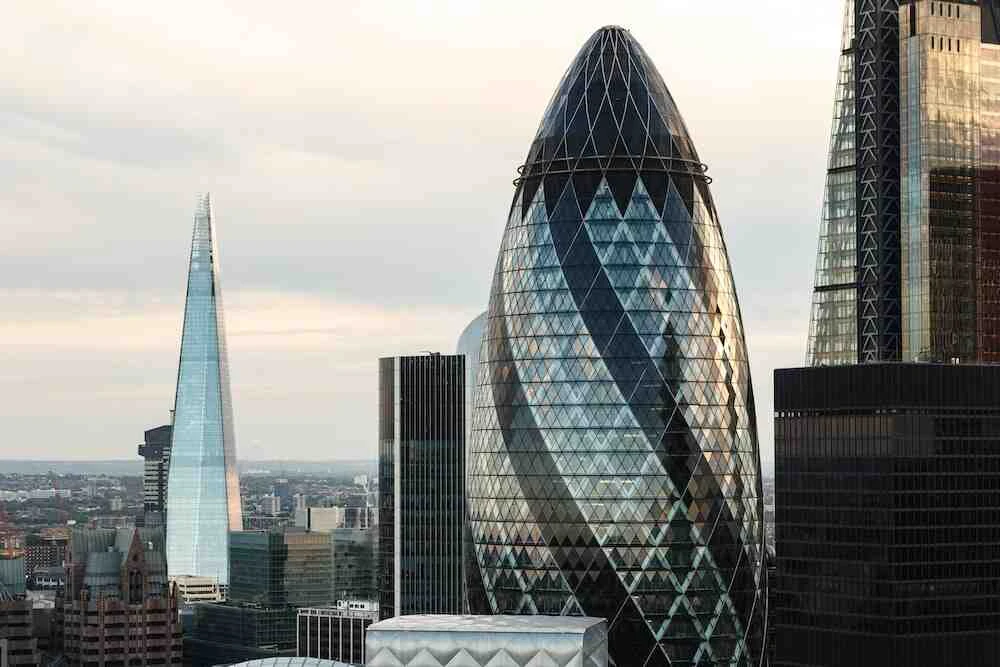
In the ever-evolving world of architecture, the materials we use play a pivotal role in shaping the built environment. Over the years, architects and designers have pushed the boundaries of convention...
Sign up to start winning an unlimited amount of jobs near you.


 Electrician
Gas Engineer
Electrician
Gas Engineer


Send more enquiries and explore your options
Increasing the number of potentials leads for you!
Have more control and flexibility over your finances!