


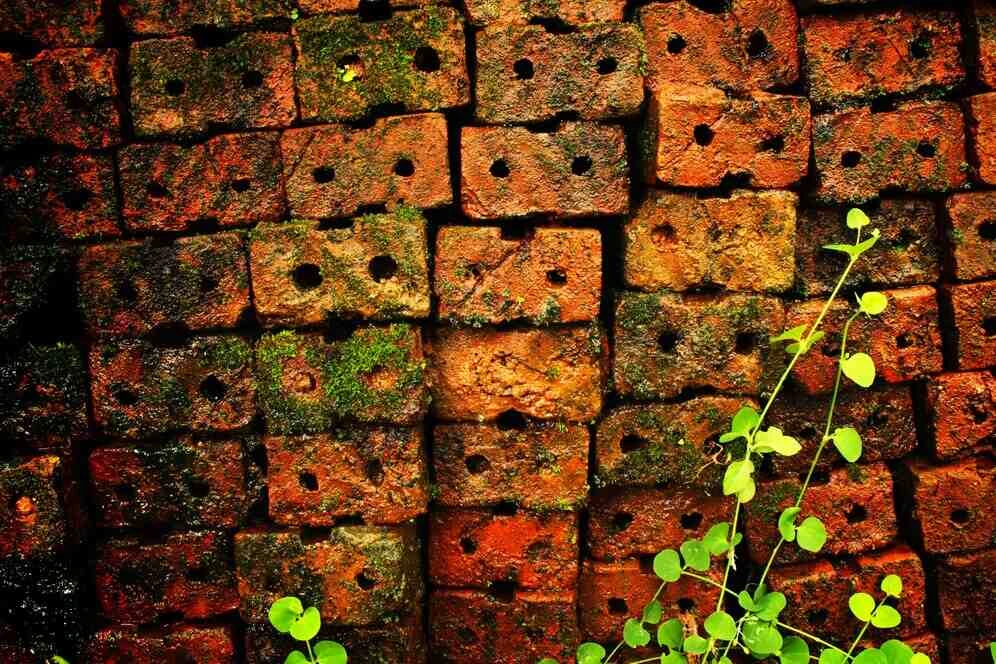
Sustainable Materials
One of the fundamental shifts in bricklaying practices is the increasing use of sustainable materials. Traditionally, brick production has been associated with high energy consumption and carbon emissions. However, the industry is now leaning towards more eco-friendly alternatives, such as:
a) Recycled Bricks: Recycling old bricks can significantly reduce the environmental impact of new construction. These reclaimed bricks, when cleaned and refurbished, not only preserve resources but also lend a unique charm to buildings, as each brick carries a history of its own.
b) Alternative Binders: Traditional bricks are made using energy-intensive firing processes. Innovations in brick production have led to the development of alternative binders like geopolymers, which require lower temperatures and emit fewer greenhouse gases during manufacturing.
c) Bio-based Bricks: Some companies are exploring the use of bio-based materials, such as agricultural waste and mycelium, to create sustainable bricks. These materials are renewable and biodegradable, making them a promising solution for sustainable construction.
Energy-Efficient Bricklaying Techniques
Energy efficiency is a crucial aspect of sustainable construction, and bricklaying is no exception. Builders are now adopting techniques that reduce energy consumption during the bricklaying process, including:
a) Robotic Bricklaying: Automated bricklaying robots can work tirelessly without the need for breaks, reducing labor costs and the associated carbon footprint. These robots are programmed to lay bricks with precision, minimizing waste and errors.
b) Solar-Powered Equipment: Some construction sites are integrating solar panels to power bricklaying equipment, reducing their reliance on fossil fuels and decreasing emissions during brick installation.
c) Efficient Kiln Technologies: Brick manufacturers are investing in more energy-efficient kiln technologies, such as tunnel kilns and high-velocity burners, to reduce energy consumption during the firing process.
Sustainable Mortars and Adhesives
The mortar used in bricklaying plays a vital role in ensuring the structural integrity of buildings. Sustainable trends in mortar and adhesive materials include:
a) Low-Carbon Mortars: Traditional mortar often contains high levels of cement, which is a significant source of carbon emissions. Low-carbon mortars, which use alternatives like lime and fly ash, help reduce the carbon footprint of bricklaying.
b) Recycled Content Adhesives: Adhesives with recycled content are becoming more prevalent in the industry. These adhesives use materials like recycled glass or plastic to enhance their sustainability.
c) Rapid-Setting Mortars: Rapid-setting mortars reduce the time needed for bricklaying, which can save energy and labor costs. They also reduce the need for excess water, contributing to water conservation efforts.
Modular and Prefabricated Brick Systems
Modular and prefabricated building systems are gaining traction due to their sustainability benefits. These systems allow for efficient bricklaying processes by manufacturing bricks off-site and assembling them on-site. Key advantages include:
a) Reduced Waste: Prefabricated systems are precise, leading to less material waste during construction. This is particularly beneficial for reducing the disposal of unused bricks.
b) Faster Construction: Modular systems enable quicker construction timelines, which can lead to reduced energy consumption and lower costs.
c) Improved Quality Control: Factory-controlled conditions in prefabrication facilities result in higher-quality bricks and improved structural integrity.
Passive Design and Thermal Performance
Sustainable bricklaying extends beyond materials and techniques; it also encompasses the design and thermal performance of buildings. Architects and builders are now prioritizing passive design strategies that utilize bricks for their thermal mass properties. This helps regulate indoor temperatures, reducing the need for energy-intensive heating and cooling systems.
a) Thermal Mass: Bricks have excellent thermal mass properties, which means they can absorb and store heat. This property helps maintain stable indoor temperatures, reducing the reliance on HVAC systems.
b) Energy-Efficient Facades: Innovative facade designs incorporate bricks to provide shading and insulation, contributing to lower energy consumption and improved comfort for occupants.
c) Green Roofs and Walls: Green roofs and walls, which integrate brickwork, provide natural insulation and cooling effects, further enhancing a building"s sustainability.
Conclusion
The sustainable bricklaying trends discussed in this blog post represent a significant shift in the construction industry towards a greener and more responsible future. As the world grapples with environmental challenges, adopting sustainable practices in bricklaying is not just a trend but a necessity. By using sustainable materials, embracing energy-efficient techniques, and prioritizing eco-friendly design, the industry can reduce its environmental impact while still creating enduring and beautiful structures. The sustainable bricklaying trends outlined here are just the beginning of a transformation that promises to shape the future of construction for generations to come.
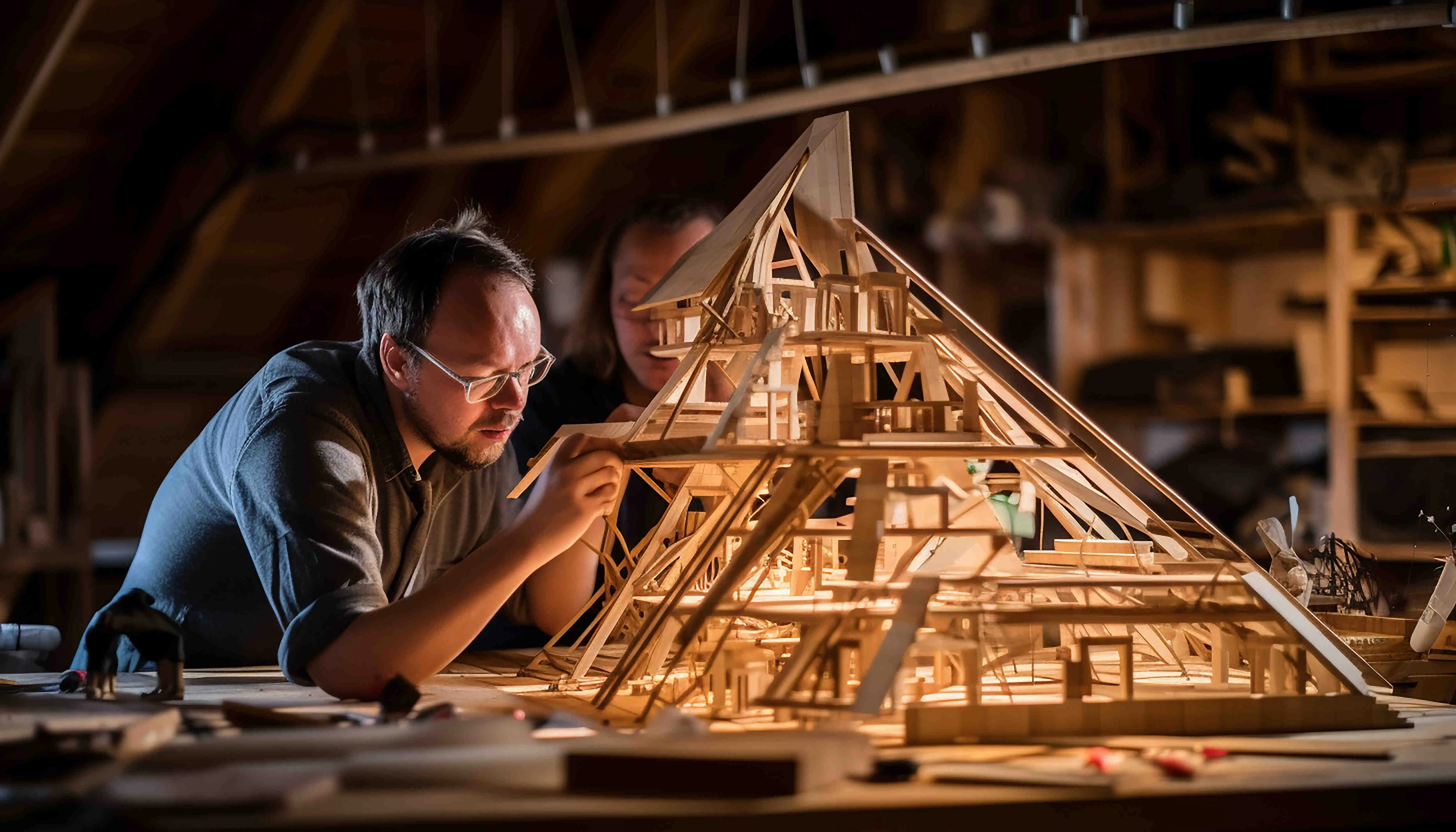
The world of carpentry is buzzing with innovations, trends, and transformative technologies. For carpenters, keeping up with these changes isn"t just about staying ahead in the game; it"s about ensuri...

In an era where technology weaves through every facet of our lives, the carpentry profession is no exception to its transformative power. Welcome to "Carpentry Chronicles," a blog series dedicated to ...

Welcome to "Carpentry Chronicles," a blog series dedicated to navigating the ever-evolving landscape of carpentry. In this edition, we dive into a trend reshaping the carpentry domain—customizat...
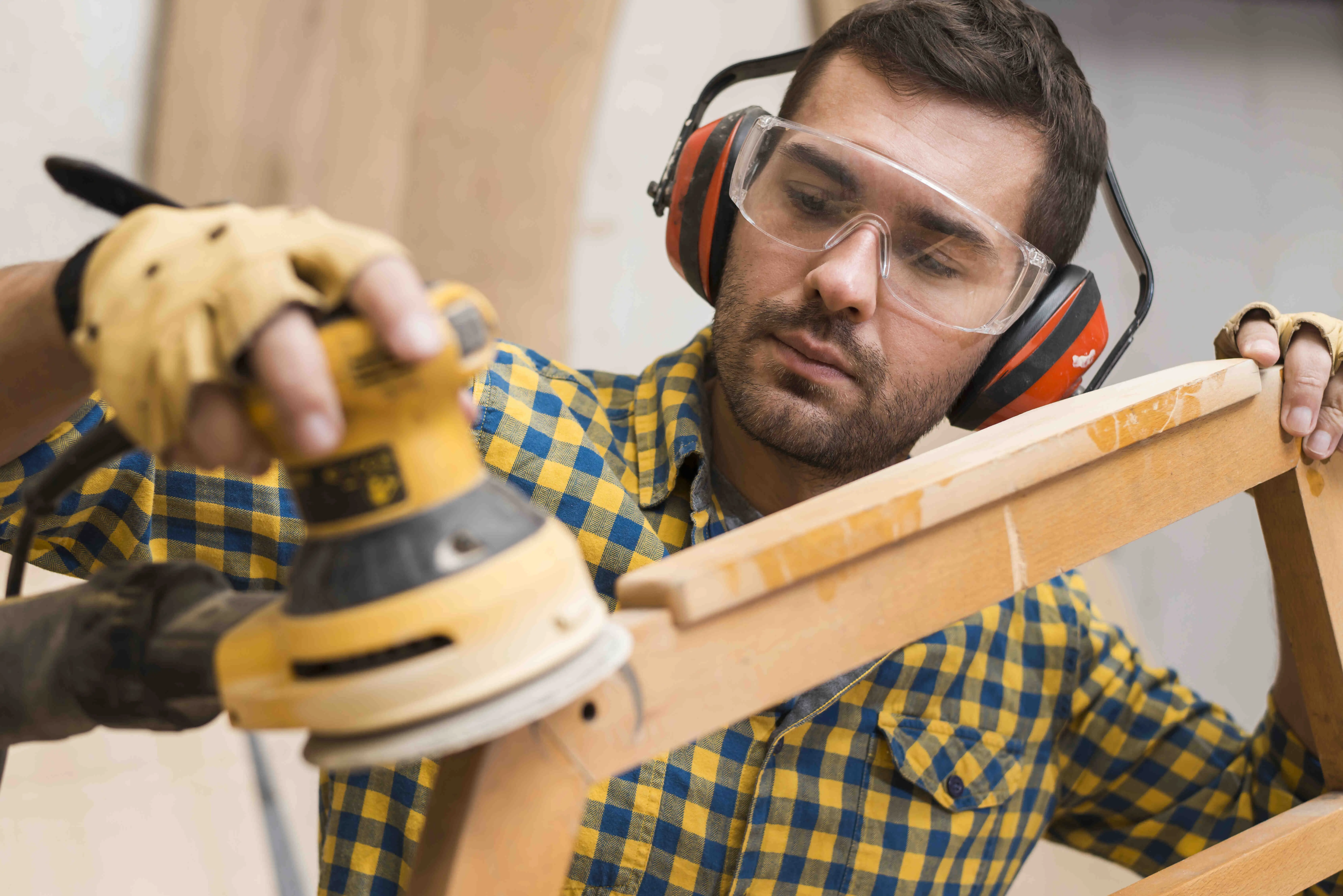
In the bustling world of carpentry, safety isn"t just a precaution; it"s a fundamental necessity. Welcome to "Carpentry Chronicles," a blog series committed to navigating the ever-evolving landscape o...

In carpentry, where wood meets creativity, mastery is not just a goal; it"s a journey. Welcome to "Carpentry Chronicles," a blog series that peels back the layers of carpentry to reveal the artistry a...
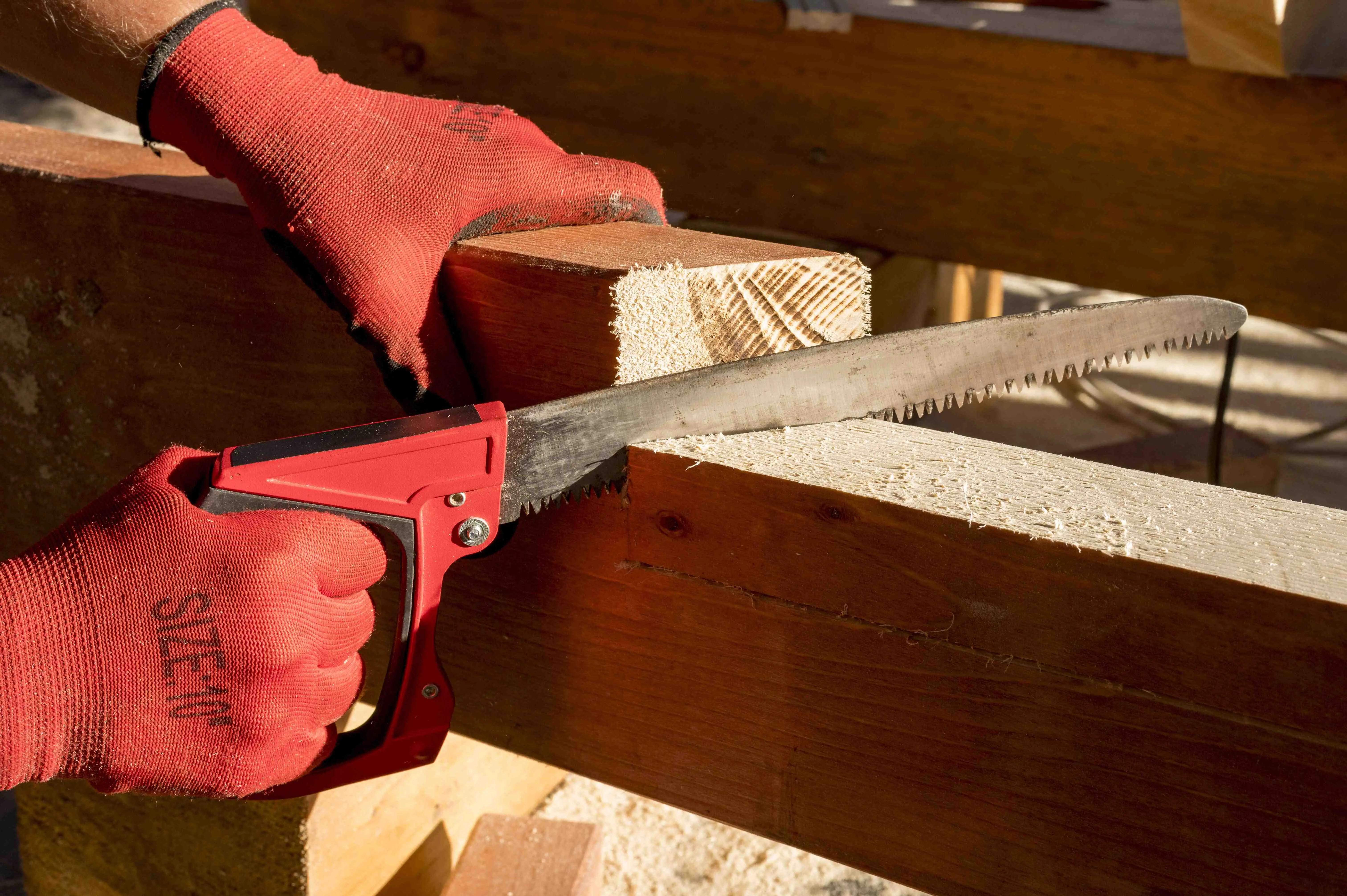
In the ever-evolving design landscape, where trends come and go, one element stands timeless—wood. Welcome to "Carpentry Chronicles," a blog series committed to navigating the dynamic world of c...
Sign up to start winning an unlimited amount of jobs near you.


 Electrician
Gas Engineer
Electrician
Gas Engineer


Send more enquiries and explore your options
Increasing the number of potentials leads for you!
Have more control and flexibility over your finances!