


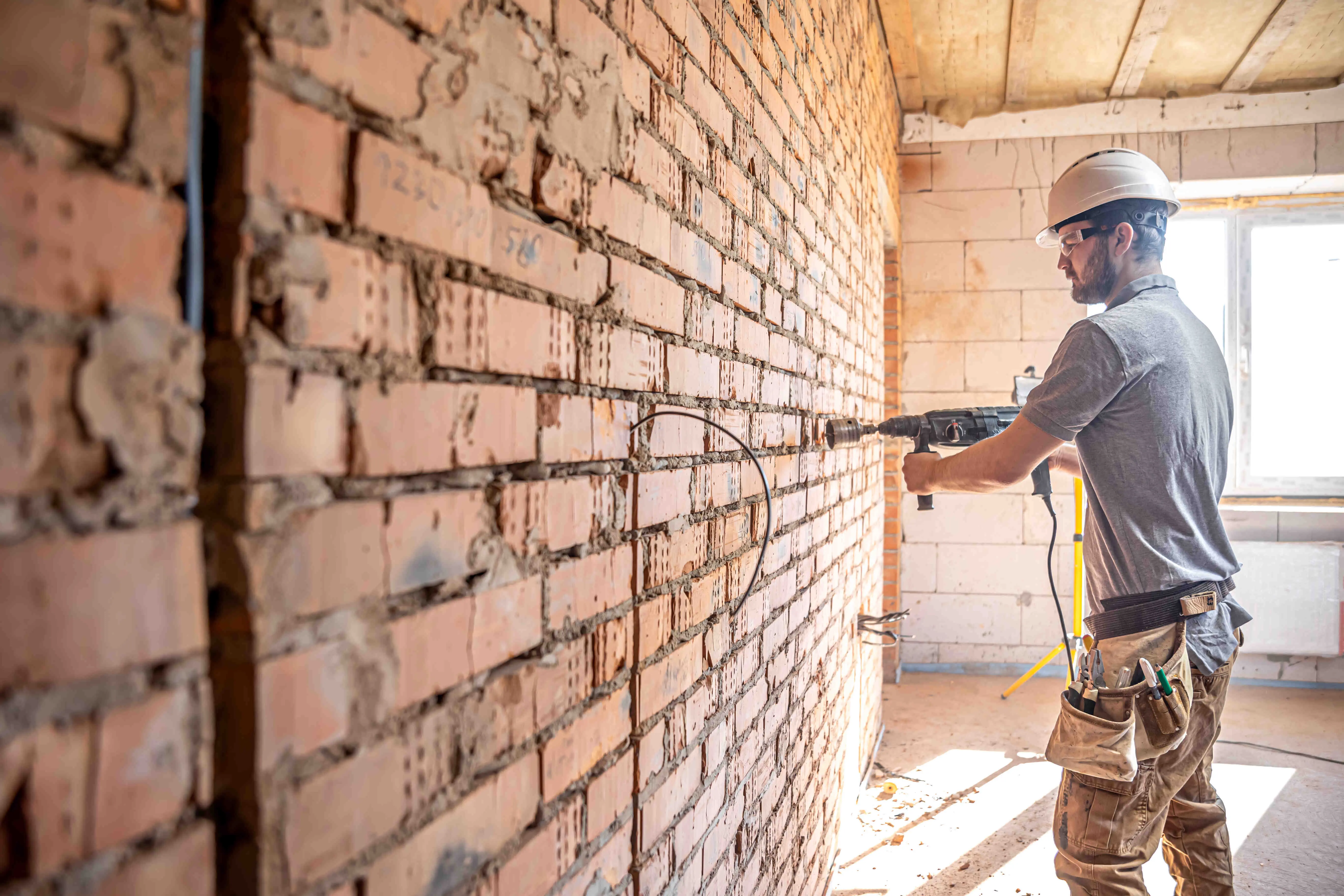
Sustainable Bricks: A Green Revolution
Before delving into the project highlights, it"s essential to understand what makes sustainable bricks stand out in the realm of construction. Sustainable bricks, also known as eco-bricks, are manufactured using environmentally friendly materials and processes. These bricks are engineered to reduce the environmental impact of construction, lower energy consumption, and promote long-term durability.
The Kingston Green Homes Project
The Kingston Green Homes Project, located in Kingston, Ontario, Canada, is a shining example of sustainable brick construction. This project comprises a community of eco-friendly homes built using sustainably sourced bricks and advanced construction techniques. The bricks used in this project are made from recycled materials, reducing the demand for virgin resources.
The Kingston Green Homes Project boasts several impressive features:
Solar-reflective brick exteriors: The bricks used in this project have a reflective coating that minimizes heat absorption, reducing the need for air conditioning during hot summer months.
Rainwater harvesting: Each home is equipped with rainwater harvesting systems that collect and store rainwater for landscape irrigation and non-potable water use.
Energy-efficient design: The homes are designed with energy-efficient features such as high-quality insulation and triple-glazed windows to minimize energy consumption.
The Green Skyscraper Initiative: Chicago"s Vertical Forest
The Windy City is home to an ambitious sustainable brick construction project known as the Chicago Vertical Forest. This pioneering initiative combines sustainable materials with innovative design to create a green oasis in an urban jungle.
Key features of the Chicago Vertical Forest project include:
Sustainable brick facades: The skyscraper"s exterior is adorned with sustainable bricks that not only enhance the building"s aesthetics but also contribute to its environmental performance.
Biodiversity and air purification: Each balcony of the skyscraper hosts a mini-forest, creating a thriving ecosystem that enhances air quality and provides habitat for urban wildlife.
Energy-efficient design: The building incorporates passive solar design and renewable energy sources, reducing its carbon footprint.
The Auroville Earth Institute: A Beacon of Sustainable Construction
In southern India, the Auroville Earth Institute stands as a testament to the potential of sustainable brick construction. This institute specializes in training individuals in the art of building with earth-based materials, including bricks made from stabilized mud.
The Auroville Earth Institute"s sustainable construction highlights include:
Compressed stabilized earth blocks (CSEBs): These bricks are made by compressing a mixture of earth, cement, and water, reducing the need for energy-intensive firing processes.
Local and renewable materials: The institute prioritizes the use of locally sourced materials, reducing transportation emissions and supporting the local economy.
Educational outreach: The Auroville Earth Institute provides training and knowledge-sharing to promote sustainable building practices worldwide.
The Great Wall of Solar Bricks
China"s iconic Great Wall has been reimagined in a sustainable light. The Great Wall of Solar Bricks, located in the Gobi Desert, incorporates solar panels into its brickwork. This innovative project harnesses renewable energy while preserving the historical and cultural significance of the Great Wall.
Key features of this project include:
Solar-powered illumination: The solar panels embedded in the bricks provide electricity to illuminate sections of the Great Wall at night, reducing the need for traditional lighting.
Historical preservation: The project highlights the importance of integrating sustainable technologies into historical landmarks, demonstrating a harmonious coexistence of tradition and innovation.
Sustainable tourism: The Great Wall of Solar Bricks draws visitors who are not only interested in the historical significance but also the eco-friendly features of the site.
Conclusion
Sustainable brick construction represents a promising future for the building industry. As showcased by the projects mentioned above, the integration of eco-friendly materials, innovative design, and sustainable practices can result in remarkable structures that are not only visually appealing but also environmentally responsible.
The Kingston Green Homes Project, Chicago"s Vertical Forest, the Auroville Earth Institute, and the Great Wall of Solar Bricks serve as beacons of inspiration for architects, builders, and policymakers around the world. These projects demonstrate that sustainable brick construction is not just a concept but a tangible reality, offering a path towards a more sustainable and resilient future for our built environment. As we continue to face the challenges of climate change and resource scarcity, sustainable brick construction stands as a testament to human ingenuity and our capacity to build a greener, more sustainable world.
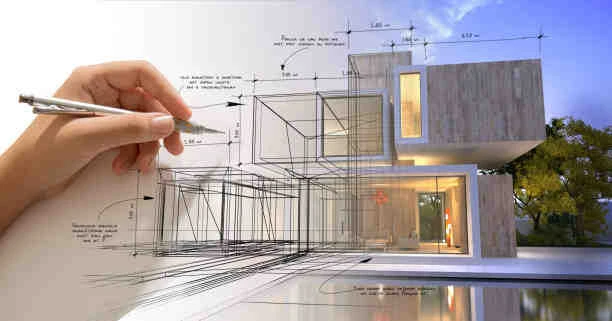
In a world often cluttered with complexity, modern minimalism in architecture stands as a testament to the beauty of simplicity. This design philosophy strips away excess ornamentation and embraces cl...

Throughout history, mankind has expressed its creativity and ambition through the construction of iconic architectural landmarks. These structures not only captivate us with their breathtaking designs...
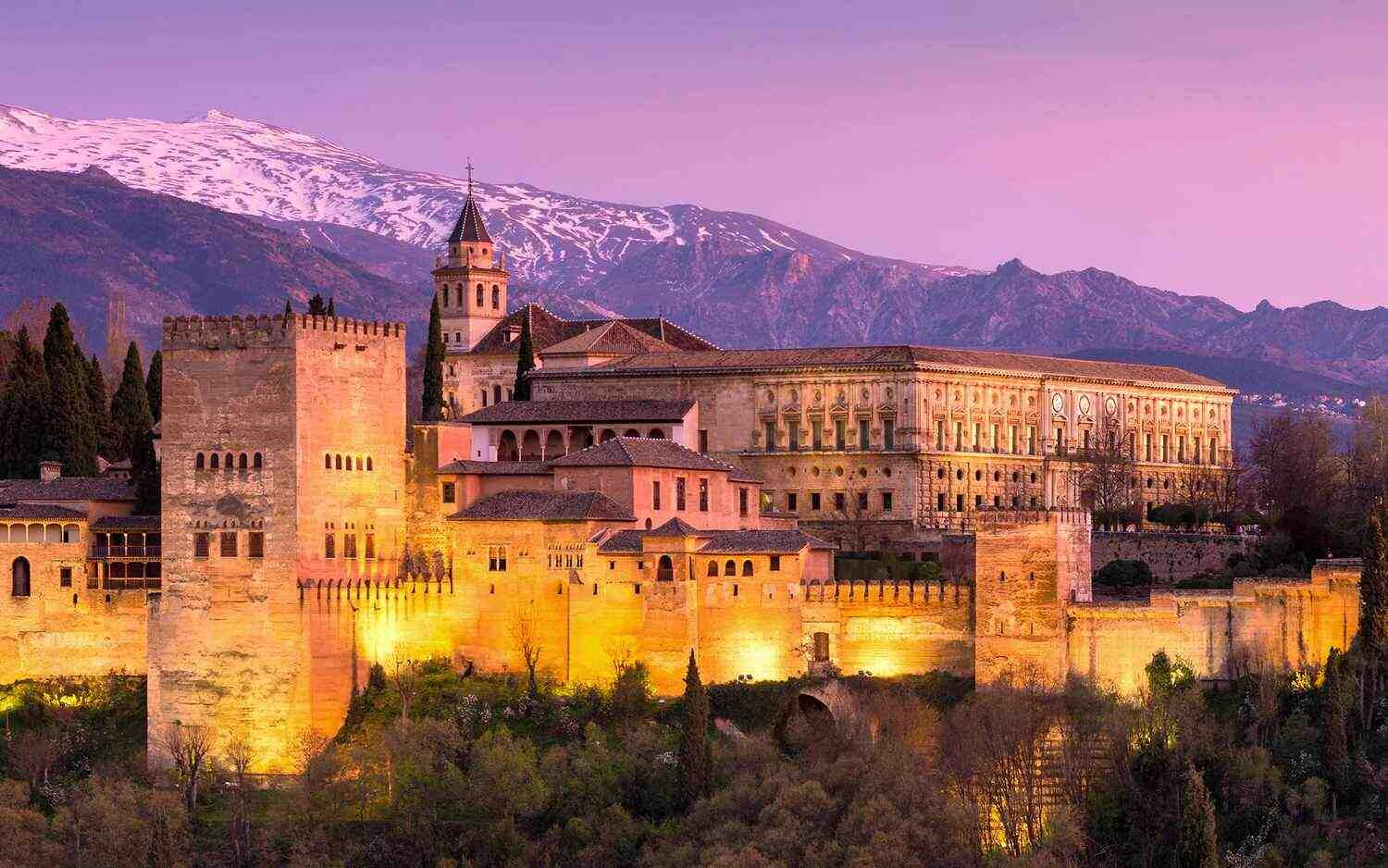
Symmetry and balance in architectural design are principles that have been appreciated for centuries. These elements create a sense of harmony, order, and visual appeal in buildings and structures. Sy...
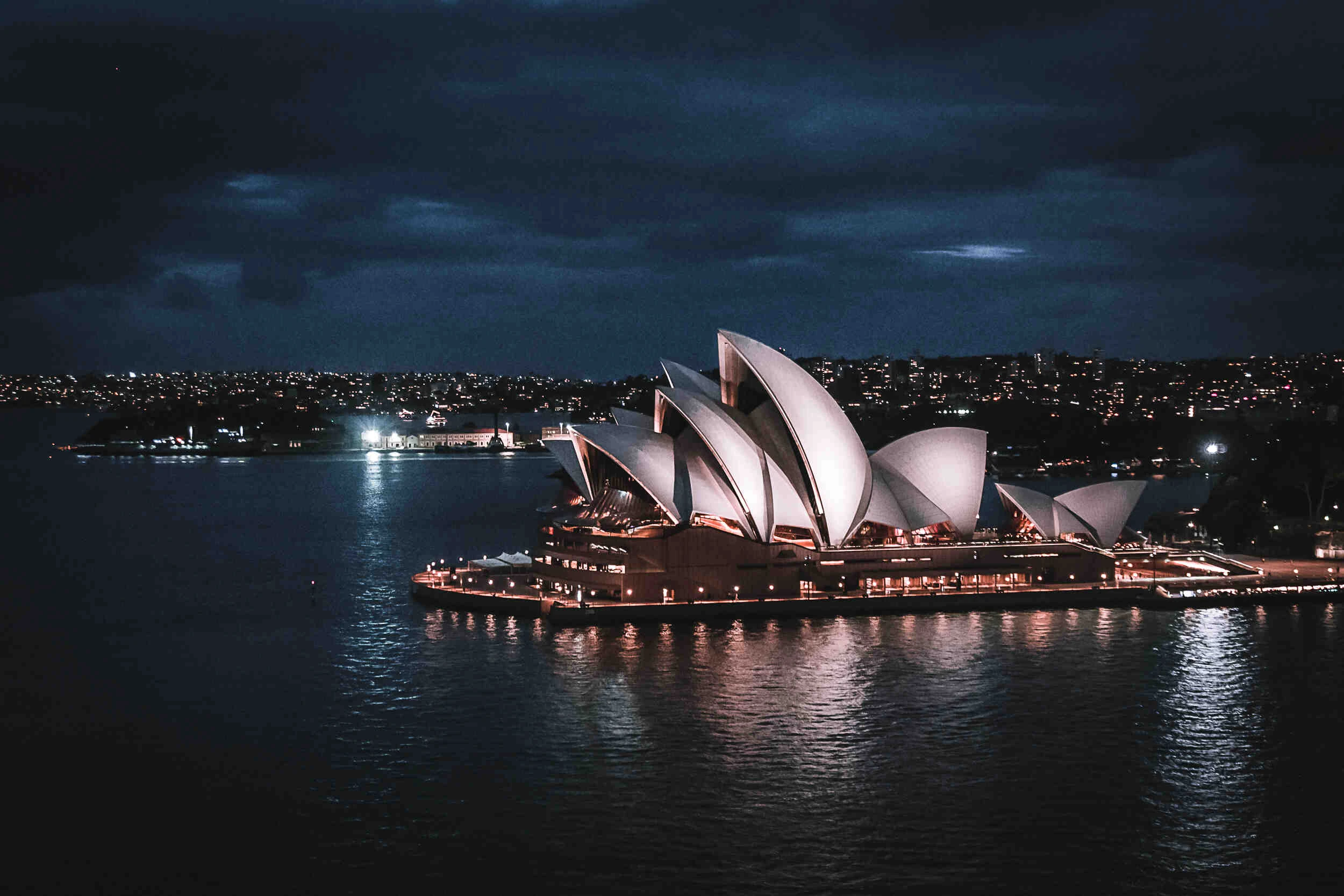
As the sun dips below the horizon, architectural wonders across the globe come to life, basking in the radiance of carefully designed illumination. Creative lighting design possesses the remarkable ab...

Architecture has a profound impact on our daily lives, shaping the way we interact with our surroundings and with one another. In recent years, a shift towards community-centric architecture has been ...
In the ever-evolving world of architecture, the materials we use play a pivotal role in shaping the built environment. Over the years, architects and designers have pushed the boundaries of convention...
Sign up to start winning an unlimited amount of jobs near you.


 Electrician
Gas Engineer
Electrician
Gas Engineer


Send more enquiries and explore your options
Increasing the number of potentials leads for you!
Have more control and flexibility over your finances!