


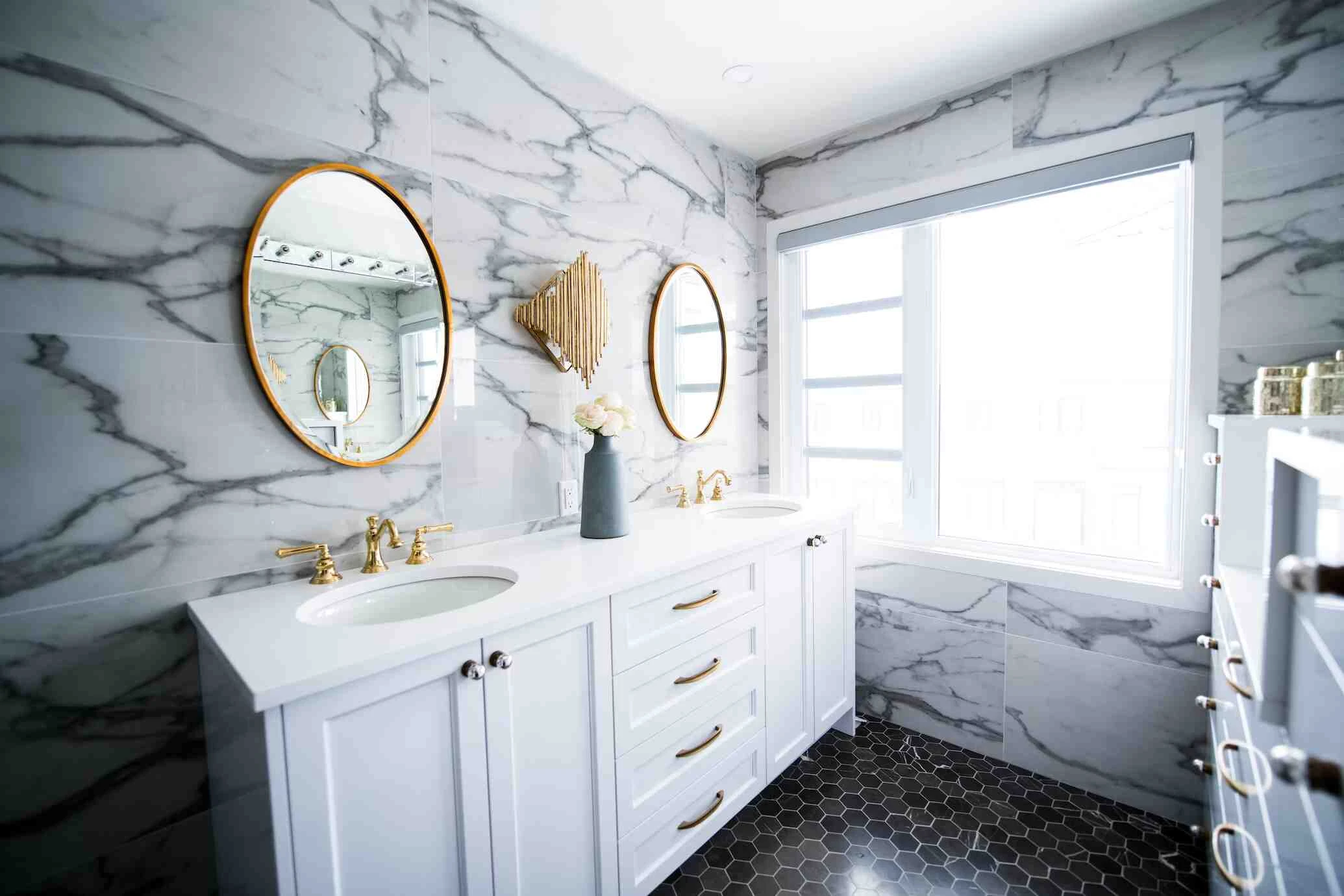
1. **Water-Saving Fixtures**
Water conservation is a primary concern in sustainable bathroom design. Water-saving fixtures like low-flow toilets, water-efficient showerheads, and sensor-activated faucets have become the norm. These fixtures significantly reduce water consumption while maintaining functionality and performance.
2. **Recycled and Reclaimed Materials**
The use of recycled and reclaimed materials is a growing trend in sustainable bathroom design. From reclaimed wood vanities to recycled glass countertops and tiles, incorporating these materials not only reduces waste but also adds unique character to the space.
3. **Natural and Eco-Friendly Finishes**
Choosing natural and eco-friendly finishes for bathroom surfaces is another sustainable trend. Materials like bamboo, cork, and sustainable wood are popular choices for flooring and cabinetry. Additionally, low-VOC (volatile organic compounds) paints and finishes reduce indoor air pollution.
4. **Energy-Efficient Lighting**
Energy-efficient lighting fixtures are making their mark in sustainable bathroom design. LED lights, which consume less energy and have a longer lifespan than traditional bulbs, are commonly used. Natural lighting through strategically placed windows or skylights is also a sustainable option that enhances the overall ambiance of the bathroom.
5. **Solar Water Heating**
Solar water heating systems are becoming increasingly popular for sustainable bathrooms. These systems use energy from the sun to heat water, reducing the reliance on fossil fuels and lowering utility bills. Solar panels can be integrated into the design or installed on the roof.
6. **Graywater Recycling**
Graywater recycling systems collect and treat wastewater from sinks and showers for reuse in flushing toilets or irrigation. This sustainable practice reduces water consumption and can lead to significant long-term water savings.
7. **Smart and Efficient Ventilation**
Proper ventilation is essential for maintaining air quality in the bathroom. Sustainable designs incorporate smart ventilation systems that operate efficiently, removing excess moisture and preventing mold growth while minimizing energy consumption.
8. **Low-Impact Plumbing**
Low-impact plumbing solutions are gaining traction in sustainable bathroom designs. These systems minimize the use of harmful chemicals and reduce the risk of water contamination. Composting toilets and waterless urinals are innovative options that save water and reduce the need for conventional plumbing.
9. **Accessible Design**
Sustainability extends to accessible bathroom design, ensuring that the space is usable by people of all ages and abilities. Barrier-free showers, wider doorways, and well-placed grab bars are among the features that promote inclusivity and sustainability.
10. **Digital Technology Integration**
Smart technology is making its way into sustainable bathroom designs. Sensor-activated faucets and toilets, as well as smart mirrors with built-in lighting and entertainment, not only enhance convenience but also help manage resource consumption more efficiently.
11. **Green Certifications**
Many sustainable bathrooms seek green certifications such as LEED (Leadership in Energy and Environmental Design) or other regional certifications. These certifications validate the sustainability of the design and can enhance the resale value of a property.
Conclusion
Sustainable bathroom trends are reshaping the industry, emphasizing the importance of eco-friendly choices in design and construction. From water-saving fixtures to energy-efficient lighting and recycled materials, these trends not only reduce the environmental footprint but also create beautiful and functional spaces. Embracing sustainable design not only benefits the planet but also enhances the comfort and value of your home or commercial property. As the world continues to prioritize sustainability, these trends are expected to play an even more significant role in the future of bathroom design.
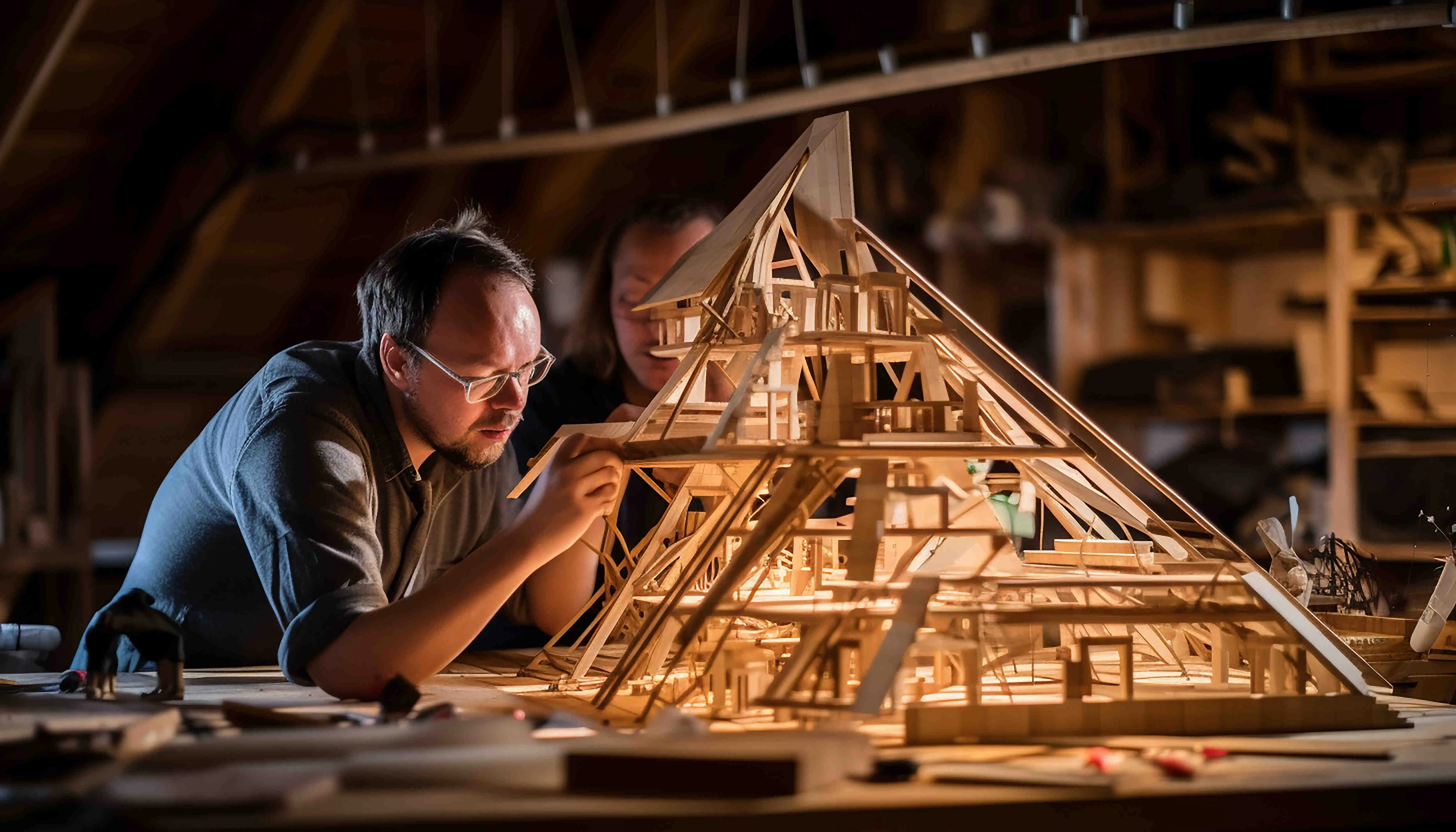
The world of carpentry is buzzing with innovations, trends, and transformative technologies. For carpenters, keeping up with these changes isn"t just about staying ahead in the game; it"s about ensuri...
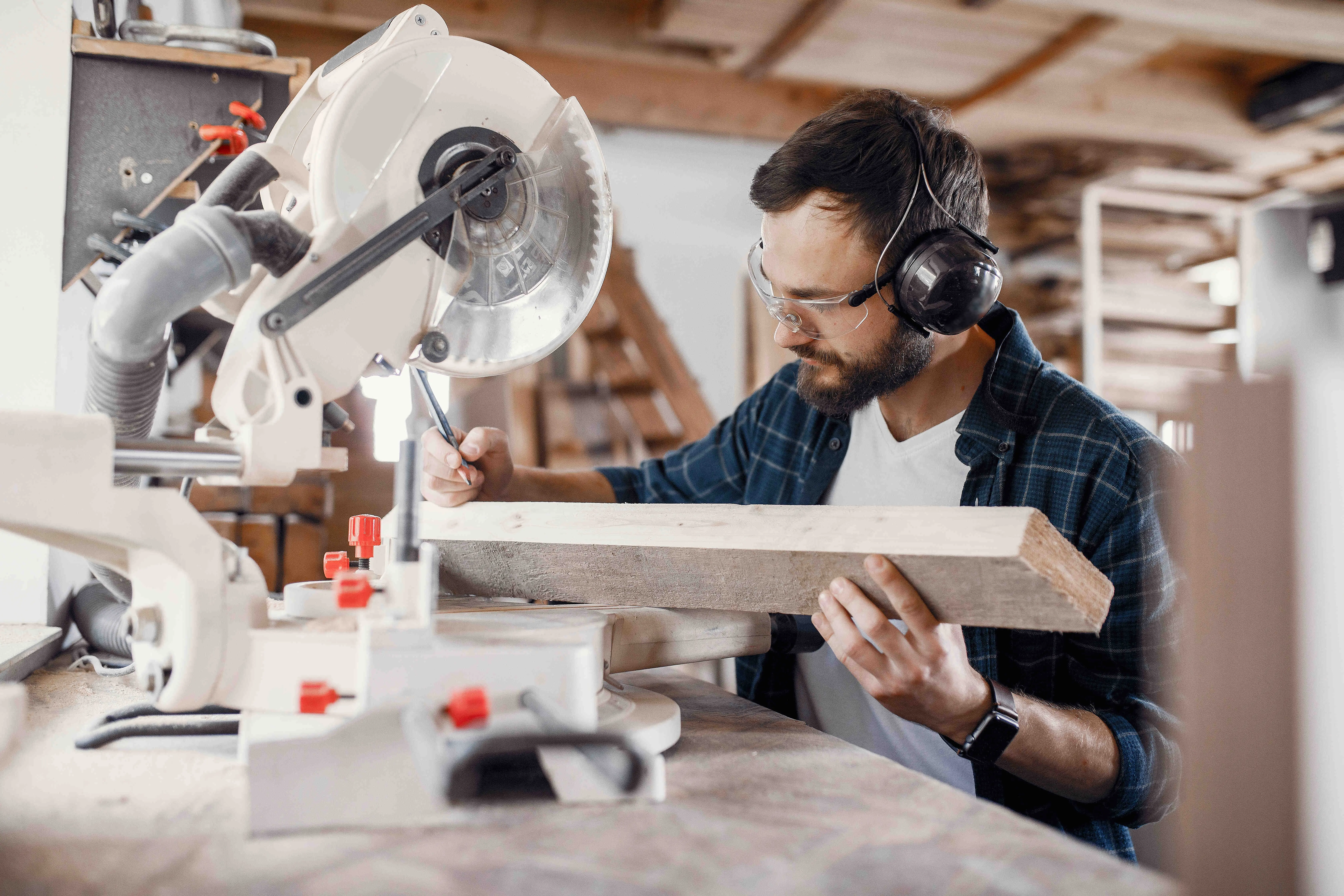
In an era where technology weaves through every facet of our lives, the carpentry profession is no exception to its transformative power. Welcome to "Carpentry Chronicles," a blog series dedicated to ...

Welcome to "Carpentry Chronicles," a blog series dedicated to navigating the ever-evolving landscape of carpentry. In this edition, we dive into a trend reshaping the carpentry domain—customizat...
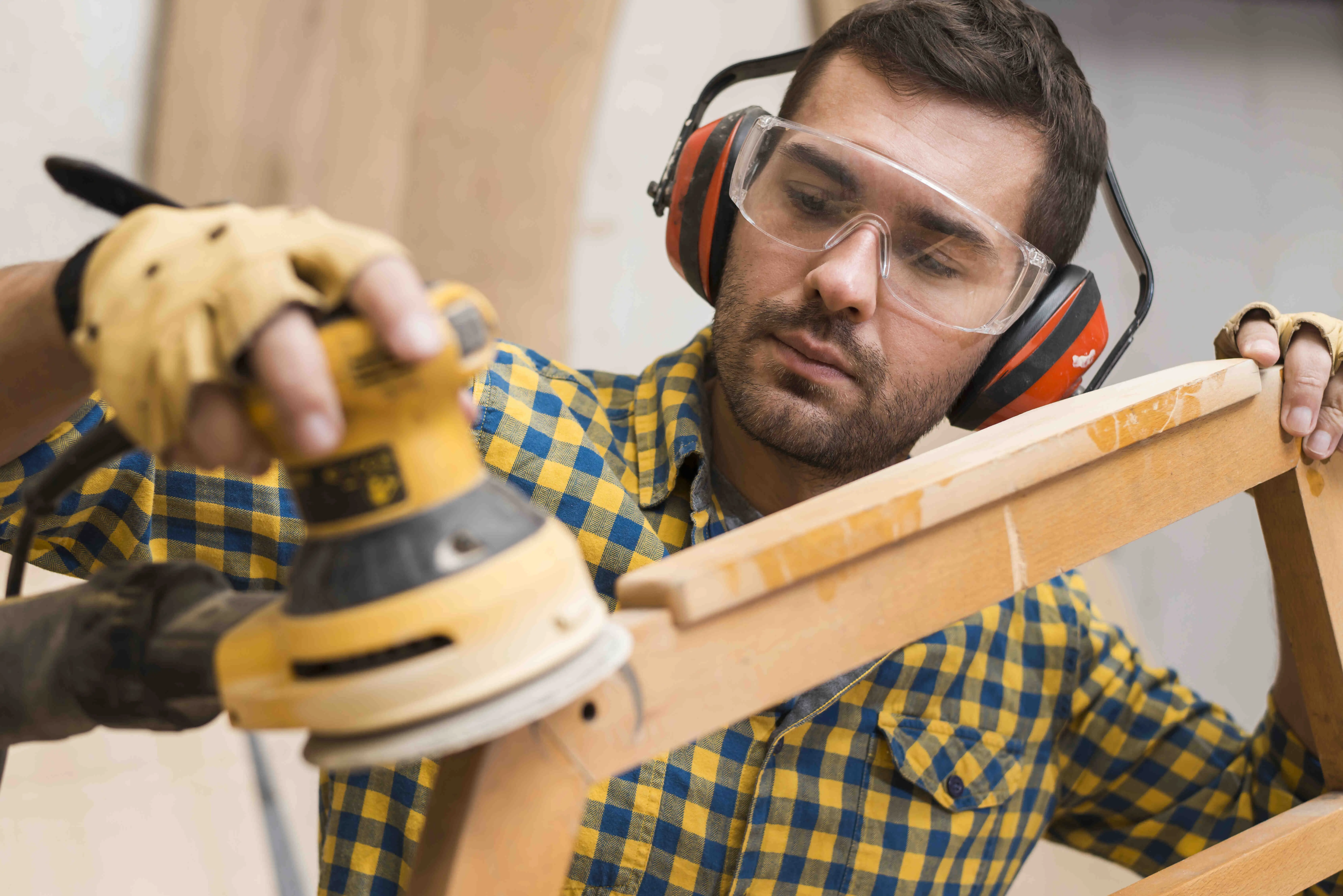
In the bustling world of carpentry, safety isn"t just a precaution; it"s a fundamental necessity. Welcome to "Carpentry Chronicles," a blog series committed to navigating the ever-evolving landscape o...
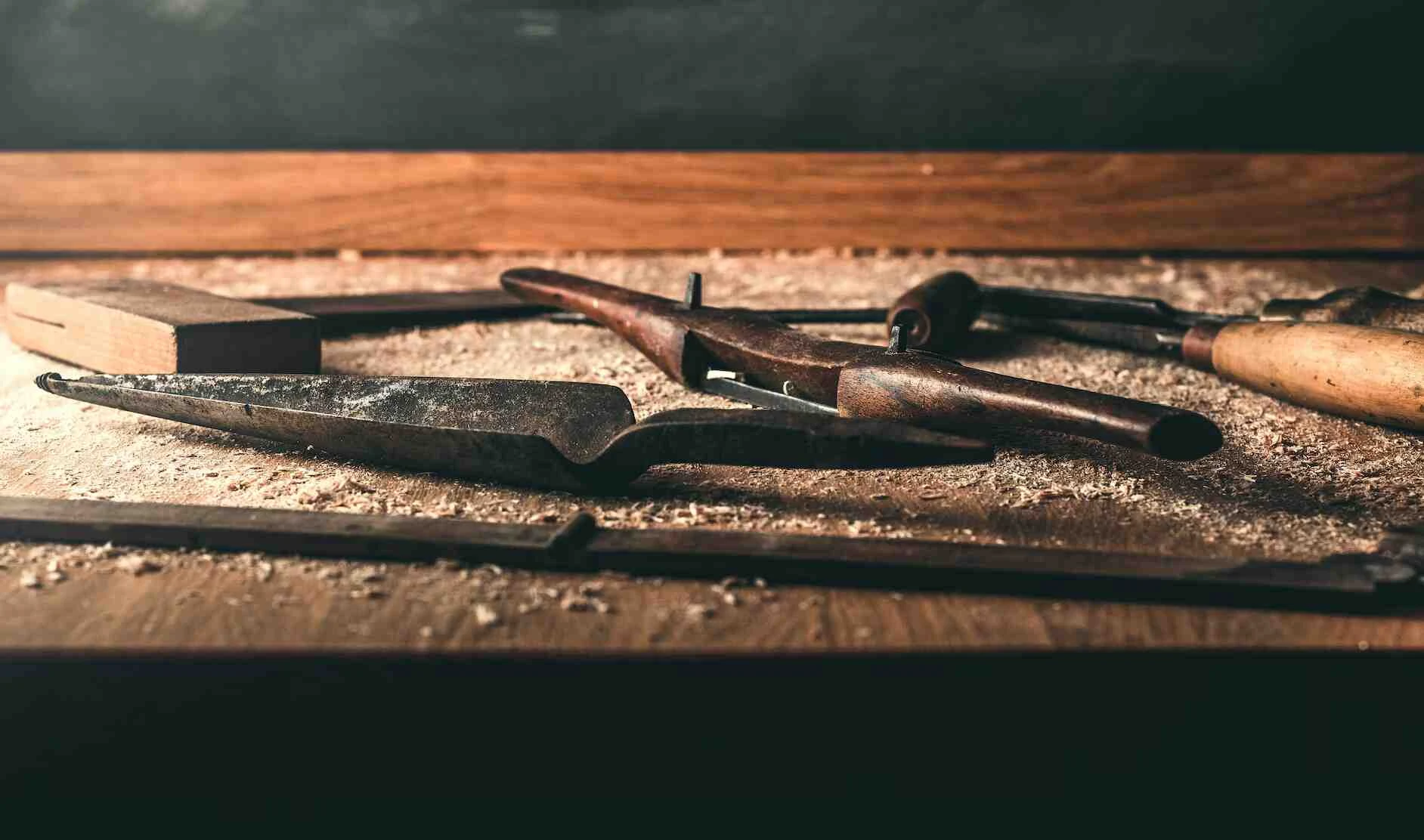
In carpentry, where wood meets creativity, mastery is not just a goal; it"s a journey. Welcome to "Carpentry Chronicles," a blog series that peels back the layers of carpentry to reveal the artistry a...
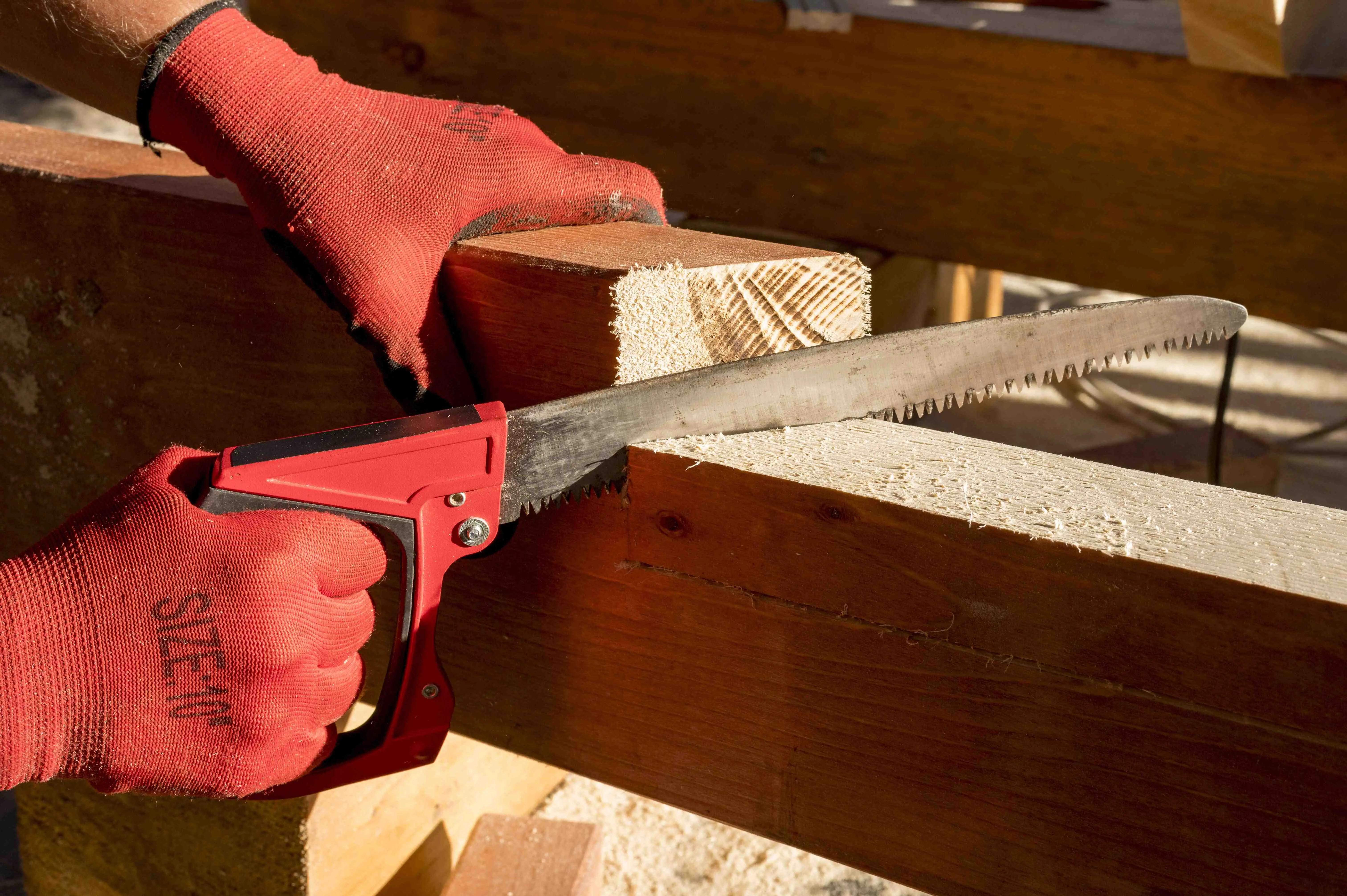
In the ever-evolving design landscape, where trends come and go, one element stands timeless—wood. Welcome to "Carpentry Chronicles," a blog series committed to navigating the dynamic world of c...
Sign up to start winning an unlimited amount of jobs near you.


 Electrician
Gas Engineer
Electrician
Gas Engineer


Send more enquiries and explore your options
Increasing the number of potentials leads for you!
Have more control and flexibility over your finances!