

1. Water-Efficient Fixtures:
The bathroom is one of the most significant water-consuming areas in a home. To minimize water wastage, opt for water-efficient fixtures:
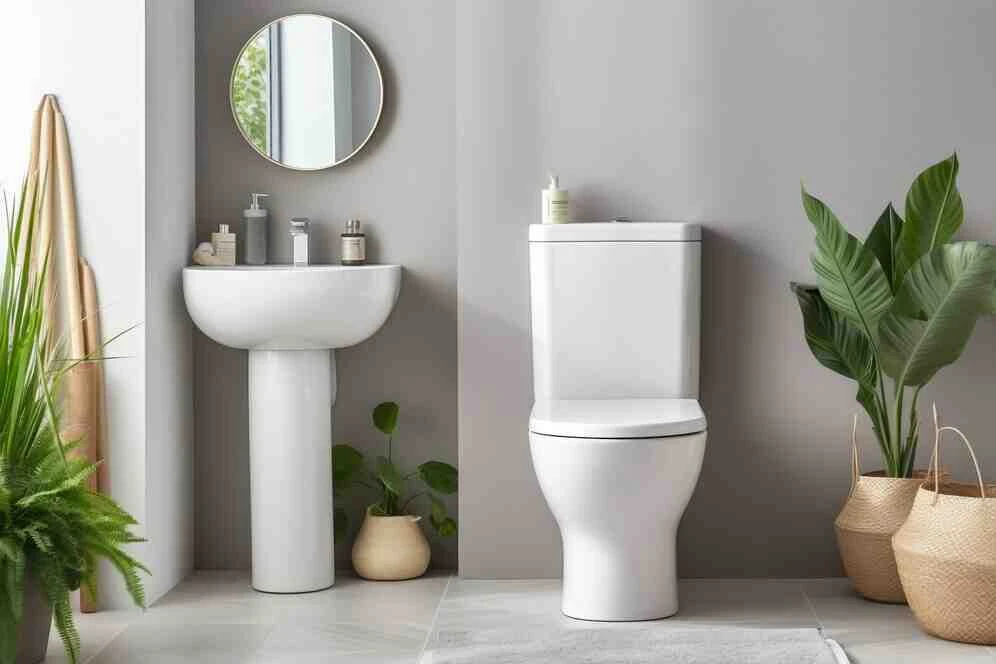
- Low-flow toilets: Replace older toilets with low-flow or dual-flush models that use significantly less water for flushing.
- Water-saving faucets and showerheads: Install aerated faucets and low-flow showerheads, which maintain water pressure while reducing water usage.
- Sensor faucets: Sensor-activated faucets minimize water wastage by shutting off automatically when not in use.
2. Recycled and Sustainable Materials:
Choose bathroom fittings and finishes made from sustainable or recycled materials:
- Sustainable wood: Consider vanities and cabinets crafted from reclaimed or FSC-certified wood.
- Recycled glass tiles: Opt for tiles made from recycled glass to add a stylish, eco-friendly touch to your bathroom.
- Bamboo and cork flooring: These materials are renewable, durable, and offer a unique, natural look.
3. Energy-Efficient Lighting:
Make the switch to energy-efficient lighting options in your bathroom:
- LED or CFL bulbs: Replace incandescent bulbs with LED or CFL (compact fluorescent) bulbs, which consume less energy and have a longer lifespan.
- Sensor or timer switches: Install motion sensors or timers to ensure lights are only on when needed, reducing electricity usage.
4. Proper Ventilation:
Effective ventilation not only maintains indoor air quality but also prevents mold growth. Choose a sustainable approach to ventilation:
- Energy-efficient exhaust fans: Install exhaust fans with timers or humidity sensors to optimize airflow while conserving energy.
5. Solar Water Heating:
Consider investing in solar water heating systems to reduce your reliance on fossil fuels for hot water. Solar panels on the roof or walls can capture sunlight to heat water for your bathroom and other household needs.
6. Non-Toxic Paints and Finishes:
When selecting paints and finishes for your bathroom, choose low-VOC (volatile organic compounds) or zero-VOC options. These products emit fewer harmful chemicals into the air, contributing to better indoor air quality.
7. Salvaged and Repurposed Fixtures:
Give new life to old fixtures by salvaging and repurposing them in your bathroom. Antique sinks, clawfoot tubs, and vintage faucets can add character while reducing waste.
8. Green Plumbing Practices:
Consult a plumber experienced in green practices to ensure your plumbing system is designed for efficiency, reducing water and energy wastage.
Conclusion:
Sustainable bathroom fitting techniques not only benefit the environment but also enhance the comfort and value of your home. By choosing water-efficient fixtures, eco-friendly materials, and energy-saving technologies, you can create a bathroom that aligns with your commitment to sustainability. In doing so, you contribute to a greener future while enjoying the functional and aesthetic benefits of a thoughtfully designed and environmentally conscious space.
Introduction: In carpentry, time is money, and workflow is the pulse that keeps the business alive. Yet, many carpenters need help with a disjointed workflow, stifling efficiency and sapping the joy o...
.webp)
Introduction: Carpentry more than just a trade, is an art form. The journey to mastery involves constantly honing one"s skills, a voyage where every chisel stroke and nail-driven shapes not just ...
In the world of woodworking, every piece of timber tells a story - a tale of craftsmanship, dedication, and wisdom. For aspiring woodworkers and seasoned artisans alike, this blog is a collection of T...
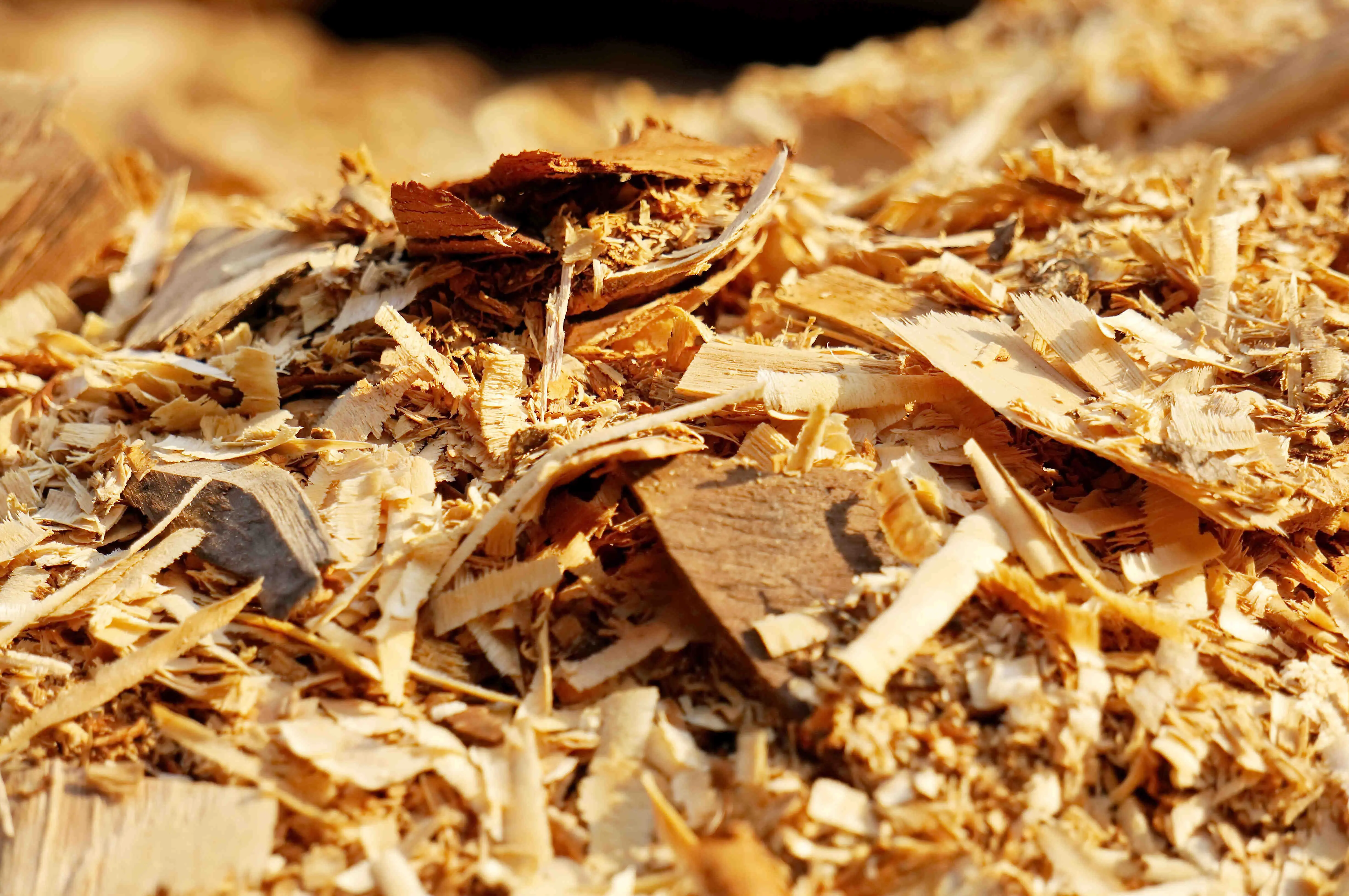
In the world of woodworking, every piece crafted is a note in the symphony of a carpenter"s career. Yet, to compose a melodious tune, one must prioritize the conductor - their health and longevity. Th...
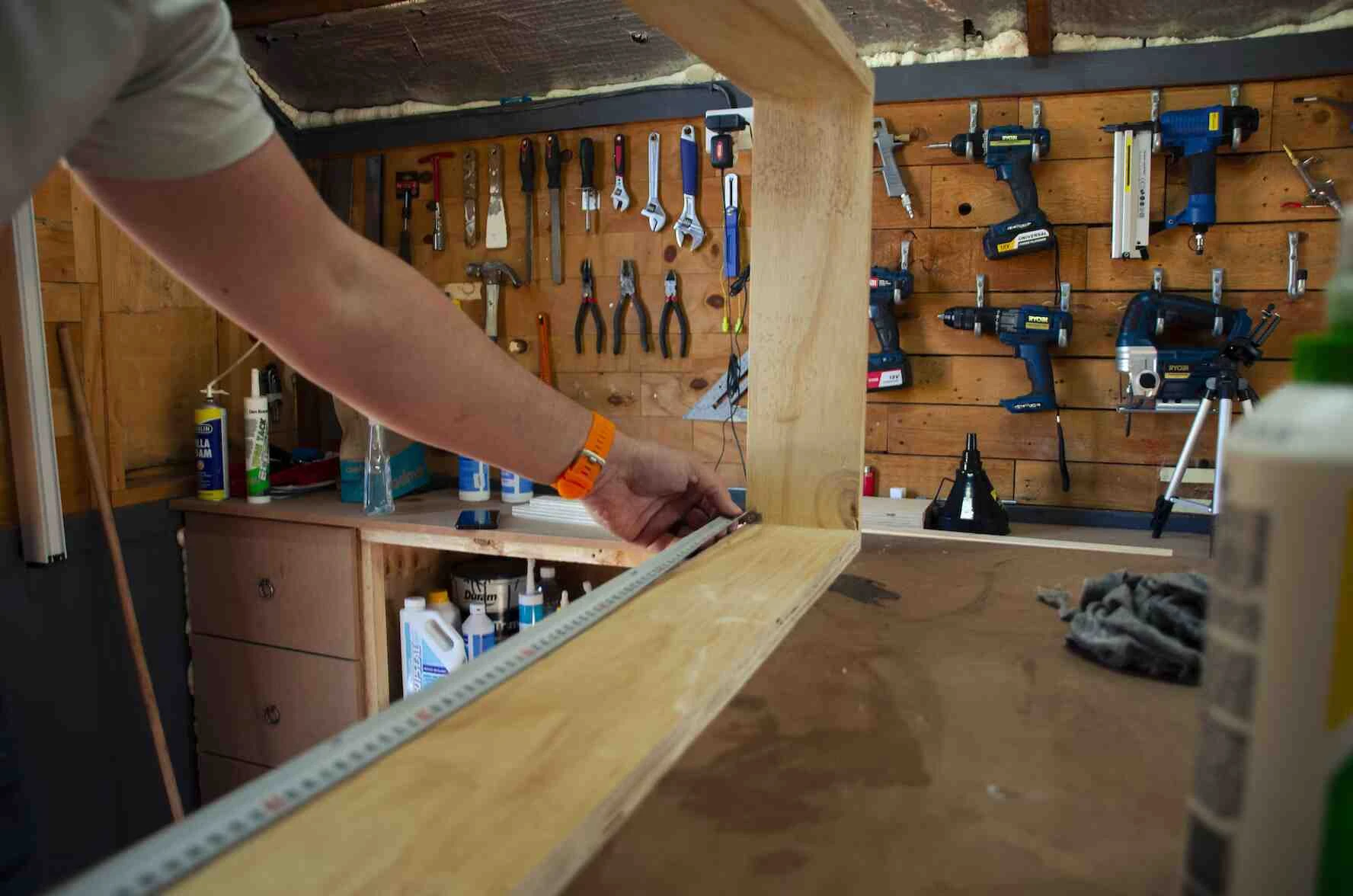
In carpentry, precision isn"t just about chiselling wood; it"s about chiselling a successful business. Financial stability and growth are the building blocks of a carpentry enterprise. Welcome to "Cra...

In the world of woodworking, creating something beautiful is not just an art—it"s a responsibility. A responsibility towards the craft, the client, and most importantly, the safety and well-bein...
Sign up to start winning an unlimited amount of jobs near you.


 Electrician
Gas Engineer
Electrician
Gas Engineer


Send more enquiries and explore your options
Increasing the number of potentials leads for you!
Have more control and flexibility over your finances!