


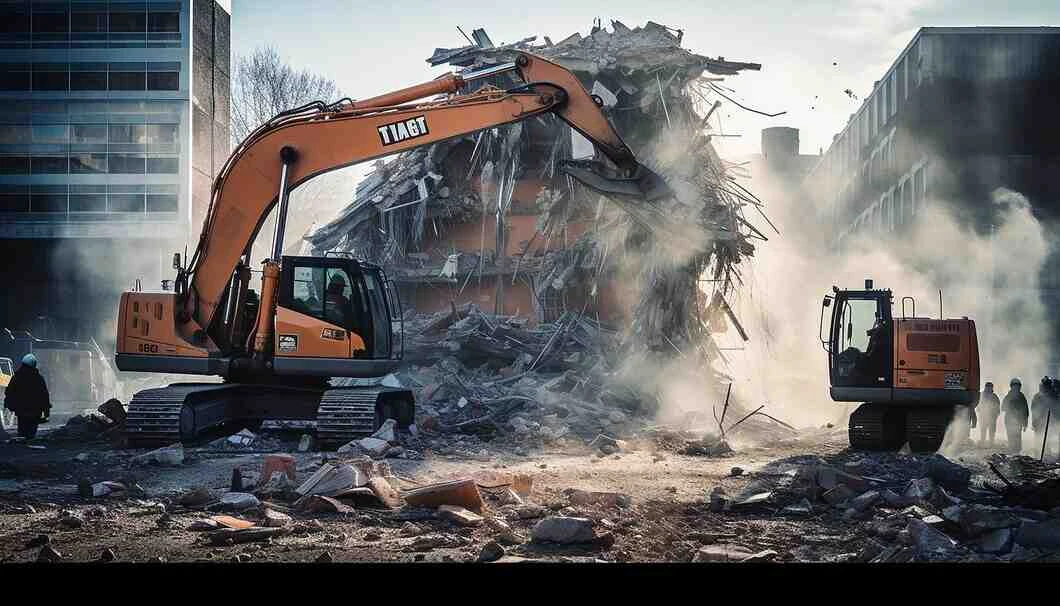
The Silent Force of Demolition
Demolition may not be as glamorous as constructing iconic skyscrapers or designing eco-friendly homes, but it is an indispensable part of the construction and redevelopment process. When old structures outlive their purpose or need to make way for something new, demolition is the unsung hero that paves the way for progress.
A Glimpse into Demolition"s Past
Demolition, as a practice, has been around for centuries. Historically, it was a manual and often dangerous endeavor, relying on brute force and basic tools. Buildings were typically demolished through sheer physical effort or controlled explosions. While the fundamentals remain somewhat consistent, the methods and technologies have evolved drastically over time.
The Modern Face of UK Demolition
In the 21st century, UK Demolition is a far cry from the manual labor-intensive processes of the past. It has evolved into a highly specialized and technologically advanced industry that prioritizes safety, efficiency, and sustainability.
Safety First: The Evolution of Demolition Techniques
Safety is paramount in the world of demolition. The UK"s demolition industry has made substantial progress in enhancing safety measures and protocols. The use of protective equipment, advanced machinery, and state-of-the-art technology has significantly reduced the risks associated with this hazardous profession.
One of the most critical advancements in safety is the utilization of remote-controlled demolition machines. These machines can reach tight spaces, reducing the need for manual labor in dangerous situations. Operators can remotely control the equipment from a safe distance, minimizing their exposure to risks.
Sustainability in Demolition
As the world increasingly turns towards sustainability, the UK demolition industry is not far behind. There is a growing emphasis on recycling and reusing materials from demolished structures. This not only reduces waste but also lowers the carbon footprint of demolition projects.
Innovative techniques such as deconstruction, where buildings are carefully disassembled to salvage materials, have gained popularity. Moreover, the salvaged materials can be repurposed in new construction projects, reducing the need for virgin resources.
High Reach and Implosion: Precision in Destruction
Demolishing structures in densely populated urban areas requires precision, which is where high-reach excavators come into play. These machines can reach astounding heights and are equipped with attachments that allow for controlled demolition. The use of high-reach excavators reduces the collateral damage and disruption associated with traditional demolition methods.
Implosion, another fascinating innovation, involves strategically placing explosives within a building to bring it down in a controlled manner. This method is often used in scenarios where space is limited, and traditional demolition methods are impractical.
The Rise of Robot Demolition
One of the most exciting developments in UK Demolition is the integration of robotics. Remote-controlled robots are being employed in situations where human safety is a concern, or where precision is paramount. These robots can navigate hazardous environments, such as collapsed buildings, to assist in rescue missions and cleanup operations.
Robotic demolition machines can access challenging locations and are equipped with advanced sensors and cameras to provide operators with real-time feedback. This technology not only enhances safety but also increases the efficiency of demolition processes.
Challenges and Future Innovations
While the UK Demolition industry has come a long way, it continues to face unique challenges and looks towards exciting innovations on the horizon.
Environmental Regulations
As sustainability gains prominence, the industry must adapt to increasingly stringent environmental regulations. Demolition companies are constantly evolving to meet these requirements, with a focus on recycling, reducing waste, and minimizing the environmental impact of their operations.
Urban Density
The UK"s urban landscape is becoming more densely populated, making demolition projects in confined spaces a significant challenge. Innovations in equipment and techniques, such as high-reach excavators and implosion, will become increasingly vital to tackle these scenarios.
Technological Advancements
The integration of technology in demolition processes will continue to shape the industry"s future. Drones, for instance, are now used to survey and assess structures before demolition begins, providing valuable data to plan and execute operations more efficiently.
Materials Recovery
The drive to recover and reuse materials from demolished buildings will remain a primary focus. Advanced sorting and recycling technologies will be instrumental in improving the efficiency of materials recovery.
Public Perception
Demolition is often seen as a destructive process, but there is potential for a shift in public perception. By highlighting the industry"s commitment to safety, sustainability, and innovation, it can be portrayed as a necessary and responsible part of urban development.
Conclusion: The Unsung Heroes
The UK Demolition industry, with its innovative practices and unwavering commitment to safety and sustainability, is the unsung hero that silently paves the way for new beginnings. In the background, it dismantles the old to create space for the new, ensuring that our cities continue to evolve and adapt to our changing needs.
As we shine a spotlight on UK Demolition Design and Innovation, we come to appreciate the profound impact this industry has on our urban landscape. It"s a reminder that innovation and design aren"t limited to what we build but also to what we dismantle and how we do it, creating a cleaner, safer, and more sustainable future. The next time you see a skyscraper rise from the rubble of an old structure, remember the silent force behind the transformation—the UK"s demolition experts, continually pushing the boundaries of innovation.

The world of carpentry is buzzing with innovations, trends, and transformative technologies. For carpenters, keeping up with these changes isn"t just about staying ahead in the game; it"s about ensuri...

In an era where technology weaves through every facet of our lives, the carpentry profession is no exception to its transformative power. Welcome to "Carpentry Chronicles," a blog series dedicated to ...

Welcome to "Carpentry Chronicles," a blog series dedicated to navigating the ever-evolving landscape of carpentry. In this edition, we dive into a trend reshaping the carpentry domain—customizat...

In the bustling world of carpentry, safety isn"t just a precaution; it"s a fundamental necessity. Welcome to "Carpentry Chronicles," a blog series committed to navigating the ever-evolving landscape o...

In carpentry, where wood meets creativity, mastery is not just a goal; it"s a journey. Welcome to "Carpentry Chronicles," a blog series that peels back the layers of carpentry to reveal the artistry a...
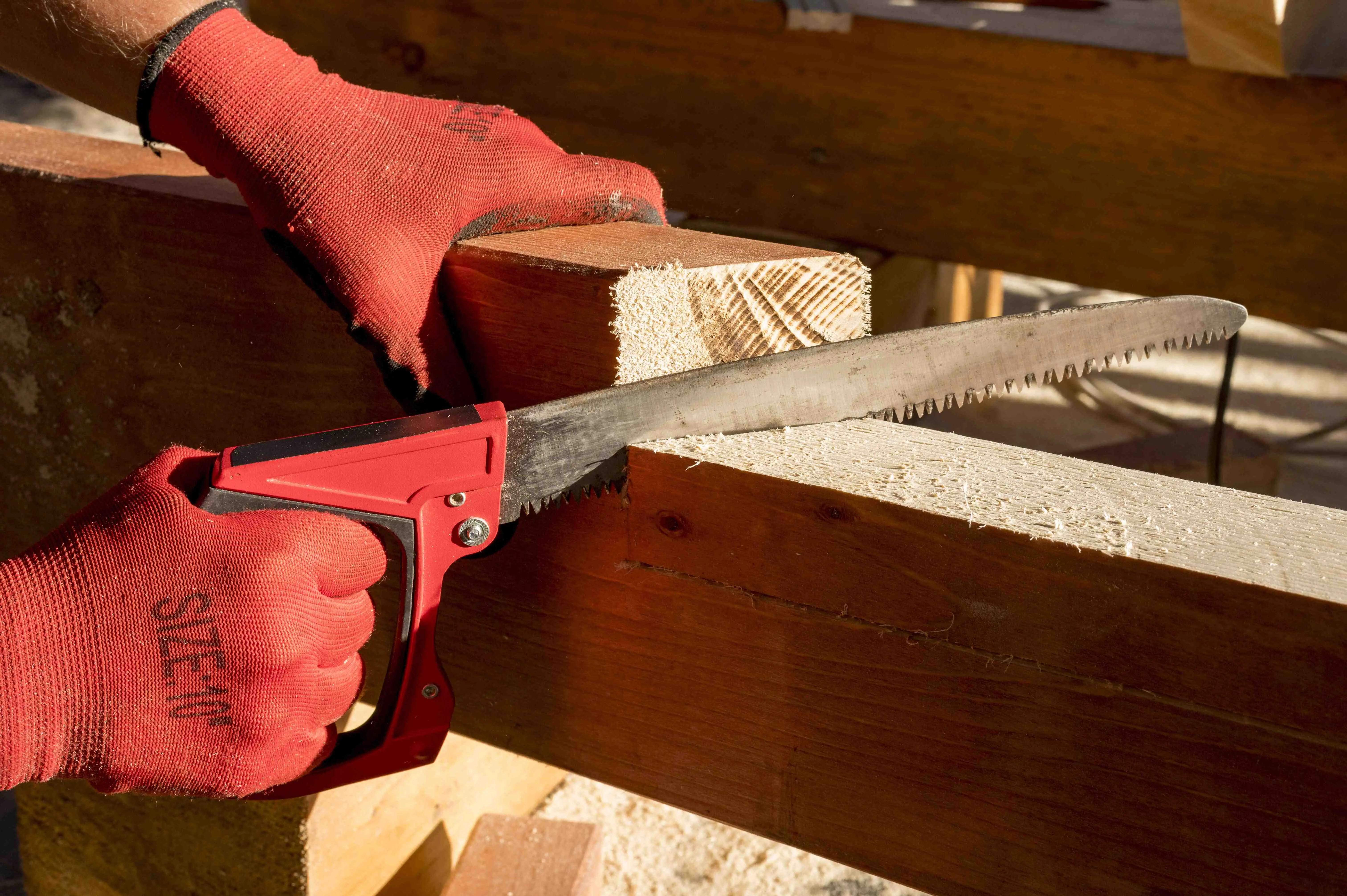
In the ever-evolving design landscape, where trends come and go, one element stands timeless—wood. Welcome to "Carpentry Chronicles," a blog series committed to navigating the dynamic world of c...
Sign up to start winning an unlimited amount of jobs near you.


 Electrician
Gas Engineer
Electrician
Gas Engineer


Send more enquiries and explore your options
Increasing the number of potentials leads for you!
Have more control and flexibility over your finances!