


Understanding the Damp Dilemma
Before delving into the innovative solutions that the UK has pioneered in damp-proofing, let"s take a closer look at the problem at hand. Damp, in its various forms, is a significant issue that can affect the structural integrity of a building and the health and well-being of its occupants. It can manifest in multiple ways, such as rising damp, penetrating damp, and condensation, all of which require unique approaches for mitigation.
Rising damp occurs when moisture from the ground is drawn upward through capillary action, causing unsightly and potentially damaging moisture to appear on the walls of a building. It"s a problem that has plagued older UK buildings for generations.
Penetrating damp is the result of water infiltrating the structure through leaks, cracks, or poorly maintained building materials. In a climate as wet and windy as the UK"s, this type of damp is all too common.
Condensation is caused by excessive moisture in the air, typically due to inadequate ventilation or insulation. It often occurs in newer, more airtight structures.
Now, let"s explore how the UK has risen to the challenge with innovative damp-proofing solutions.
Traditional Damp-Proofing Techniques
The UK"s historical architecture is rich and diverse, and preserving these iconic structures often requires equally historic damp-proofing techniques. Lime plaster, for instance, is a traditional material that has been used for centuries in the UK to mitigate rising damp. Its breathable nature allows moisture to evaporate rather than accumulating within the walls. It"s a technique that"s still employed in the restoration of historical buildings.
Additionally, slate damp courses are commonly found in older structures, where layers of slate are placed horizontally within the walls to prevent rising damp. These techniques represent the wisdom of generations of builders who have grappled with the challenges of damp in the UK.
Modern Innovations in Damp-Proofing
While traditional methods are invaluable for preserving historical architecture, modern construction projects and renovations often require more contemporary solutions. Thankfully, the UK has not lagged behind in this regard. Innovations in damp-proofing materials and methods have emerged to tackle damp problems effectively. Some of these innovations include:
1. Damp-Proof Membranes
One of the more advanced solutions in damp-proofing is the use of damp-proof membranes (DPMs). These are impermeable materials that are installed within the structure to create a barrier against rising damp. DPMs are particularly useful in new constructions, as they can be incorporated into the build from the outset. This is a crucial step in ensuring that buildings remain dry and structurally sound.
2. Chemical Damp-Proofing
Chemical damp-proofing methods, such as the injection of chemical fluids into masonry, have become popular for dealing with rising damp. These chemicals form a moisture-resistant barrier, preventing water from moving upward through capillary action. They are less invasive than some traditional methods and can be applied more quickly, making them a valuable tool in the damp-proofing arsenal.
3. Advanced Ventilation Systems
Condensation damp can be a persistent issue in modern, energy-efficient buildings. To combat this, the UK has seen the development of advanced ventilation systems that effectively manage moisture levels and maintain indoor air quality. Heat recovery ventilation (HRV) and mechanical ventilation with heat recovery (MVHR) systems have gained prominence for their ability to reduce condensation while improving energy efficiency.
4. Exterior Waterproofing
For buildings prone to penetrating damp, exterior waterproofing systems have become a game-changer. These systems involve the installation of protective layers on the outside of the building, ensuring that water cannot infiltrate the structure. While not always suitable for every building type, exterior waterproofing has been a breakthrough for many construction projects, especially in areas with heavy rainfall.
A Sustainable Approach to Damp-Proofing
In the UK, as in many other parts of the world, there is a growing awareness of the need for sustainable and environmentally friendly building practices. Damp-proofing is no exception. The construction industry in the UK is increasingly turning to eco-friendly solutions that address damp problems while minimizing their ecological footprint.
One notable example is the use of recycled and sustainable materials in damp-proofing products. These materials not only offer excellent moisture resistance but also reduce the environmental impact of the construction process. In addition, architects and builders are exploring ways to incorporate natural ventilation and passive design principles to reduce the risk of condensation and damp in the first place.
The Role of Research and Development
Innovation in damp-proofing would not be possible without a commitment to research and development. The UK has several institutions and organizations dedicated to advancing the science of building construction and damp mitigation. Research initiatives and studies have led to the development of more effective products and methods that have proven invaluable in the battle against damp.
Conclusion
Damp-proofing is a critical aspect of construction in the UK, where the climate and age of many buildings present unique challenges. From traditional techniques that have stood the test of time to modern innovations driven by research and development, the UK"s damp-proofing solutions are a testament to human ingenuity and adaptability.
As we continue to push the boundaries of sustainable construction, it is clear that the UK"s contributions to damp-proofing design and innovation will remain at the forefront of the industry. With a blend of tradition and modernity, the battle against damp in the UK is one that architects, builders, and researchers are winning one innovation at a time.
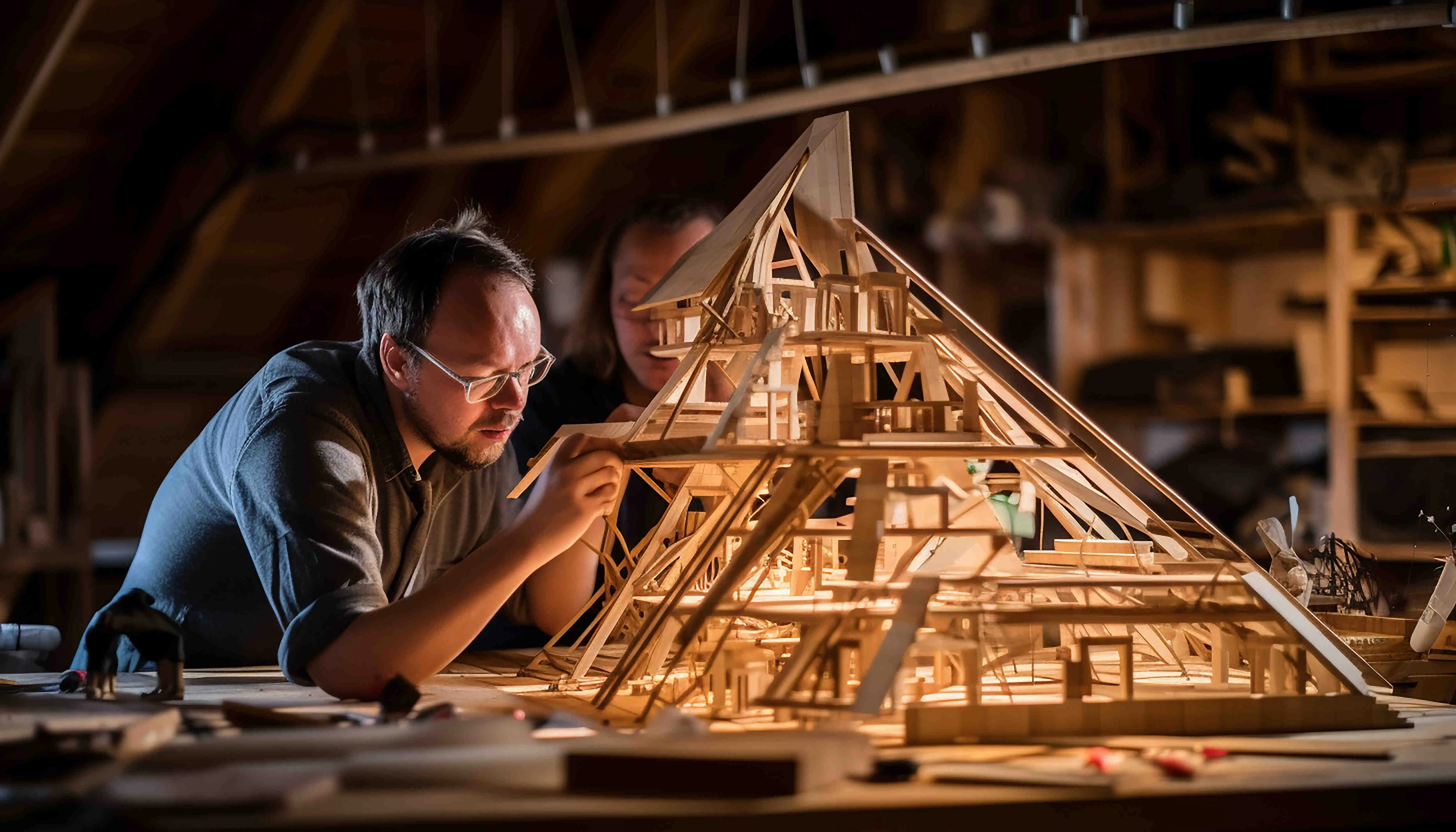
The world of carpentry is buzzing with innovations, trends, and transformative technologies. For carpenters, keeping up with these changes isn"t just about staying ahead in the game; it"s about ensuri...

In an era where technology weaves through every facet of our lives, the carpentry profession is no exception to its transformative power. Welcome to "Carpentry Chronicles," a blog series dedicated to ...

Welcome to "Carpentry Chronicles," a blog series dedicated to navigating the ever-evolving landscape of carpentry. In this edition, we dive into a trend reshaping the carpentry domain—customizat...

In the bustling world of carpentry, safety isn"t just a precaution; it"s a fundamental necessity. Welcome to "Carpentry Chronicles," a blog series committed to navigating the ever-evolving landscape o...

In carpentry, where wood meets creativity, mastery is not just a goal; it"s a journey. Welcome to "Carpentry Chronicles," a blog series that peels back the layers of carpentry to reveal the artistry a...
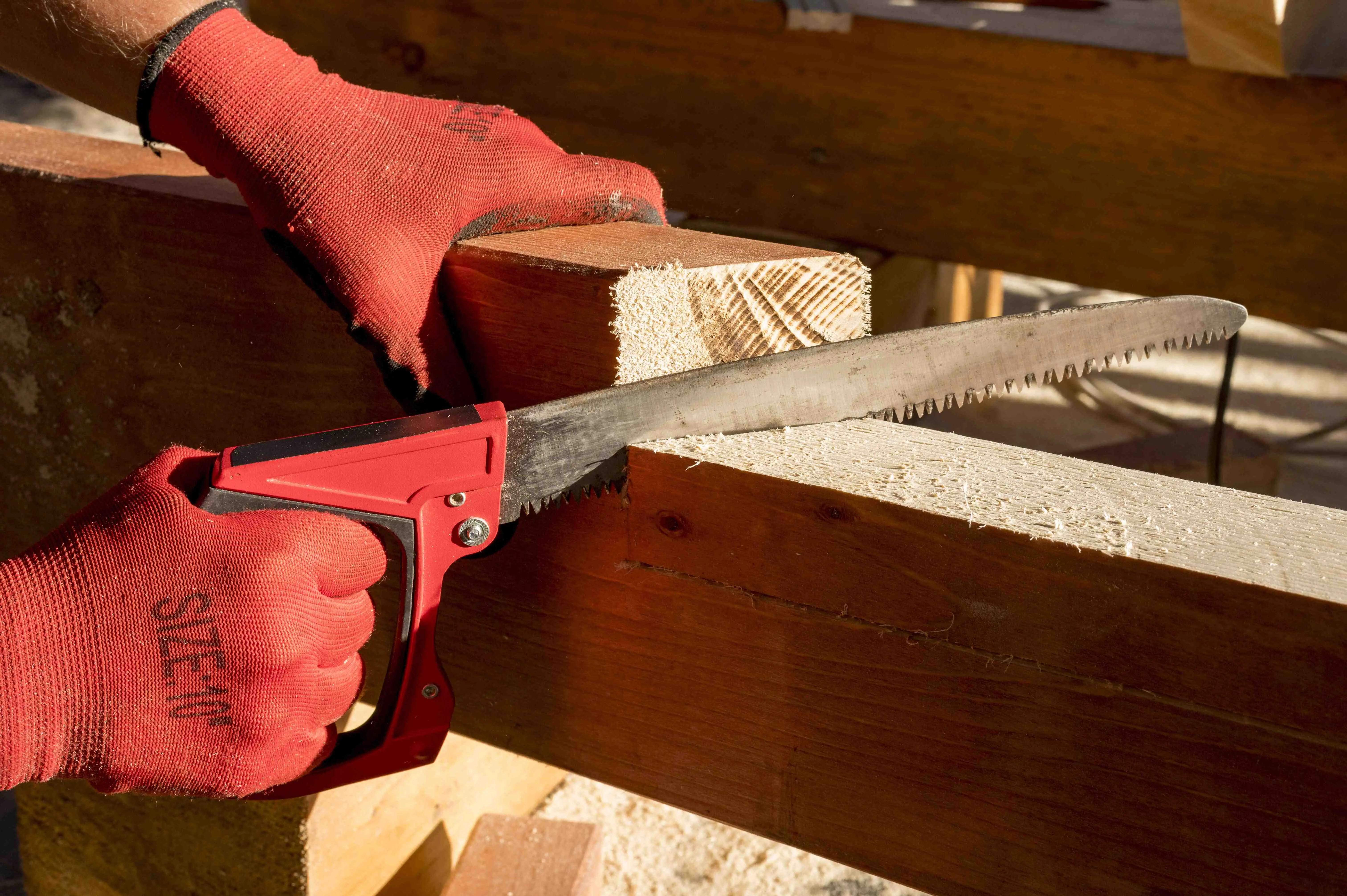
In the ever-evolving design landscape, where trends come and go, one element stands timeless—wood. Welcome to "Carpentry Chronicles," a blog series committed to navigating the dynamic world of c...
Sign up to start winning an unlimited amount of jobs near you.


 Electrician
Gas Engineer
Electrician
Gas Engineer


Send more enquiries and explore your options
Increasing the number of potentials leads for you!
Have more control and flexibility over your finances!