


The Birth of Controlled Implosion: A Historical Perspective
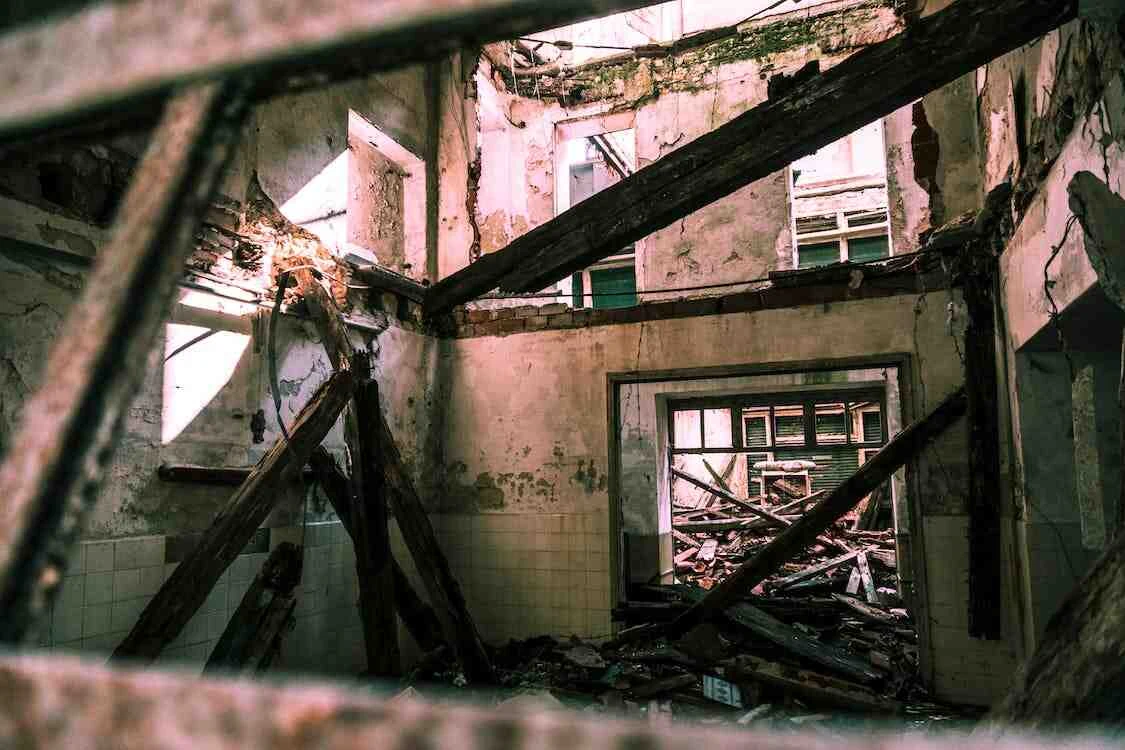
Controlled implosion, as a technique, has its roots in the demolition industry. It was born out of the necessity to bring down large structures efficiently and safely. In the early days, explosives were primarily used for mining and quarrying. The evolution of controlled implosion was driven by the need to harness the power of explosives in a controlled and predictable manner.
The true breakthrough came in the early 20th century when engineers developed methods to initiate and direct the force of explosions more precisely. These methods included the use of shaped charges, which directed the explosive force in a specific direction, and timing mechanisms that allowed for a sequence of explosions to weaken the structure gradually.
In 1935, the first significant controlled implosion occurred when the 32-story Starrett-Lehigh Building in New York City was demolished using dynamite. This event marked a pivotal moment in the development of controlled implosion as a demolition technique.
The Science Behind the Spectacle
Controlled implosion is far from being a mere explosive spectacle. It"s a precise science that relies on the principles of structural engineering, material science, and, of course, controlled detonation. Here are the key components of the science behind this remarkable technique:
Structural Analysis: Before any controlled implosion, an in-depth analysis of the structure is conducted. Engineers study the building"s design, materials used, and any structural weaknesses. This analysis is critical for understanding how the building will behave during the implosion.
Explosive Selection: Choosing the right type and amount of explosives is crucial. Engineers must calculate the explosive force required to weaken the structure enough to cause a controlled collapse without causing damage to adjacent buildings or structures.
Timing and Sequencing: The timing of explosions is meticulously planned to create a domino effect within the structure. This involves precise calculations to ensure that the building falls in the desired direction.
Vibration and Shockwave Control: To mitigate the impact of the explosion on the surrounding area, measures are taken to control the vibration and shockwave generated during the implosion. This might include using dampening materials or altering the layout of the explosives.
Dust and Debris Management: Dust and debris generated during the implosion can pose a significant environmental and safety concern. Containment and dust control measures are put in place to minimize these effects.
Applications of Controlled Implosion Techniques
Controlled implosion techniques have a wide range of applications that extend beyond demolishing old structures. These techniques have proven to be invaluable in various fields:
Demolition: Controlled implosion is most commonly associated with the controlled demolition of buildings and structures. This is often the most efficient way to bring down large, outdated, or unsafe edifices in urban environments.
Mining and Quarrying: The principles of controlled implosion are used in mining and quarrying to extract valuable minerals and resources. Explosives are used to break down large rock formations safely and efficiently.
Bridge Demolition: Replacing or upgrading a bridge can be a complex engineering challenge. Controlled implosion techniques are used to demolish old bridges, making room for new ones without causing damage to the environment.
Space Exploration: In the realm of space exploration, controlled implosion techniques have been used to launch spacecraft and propel payloads into space. Controlled explosions are used to provide the necessary thrust for spacecraft propulsion.
Avalanche Control: In regions prone to avalanches, explosives are used to trigger controlled avalanches before they become a threat. This helps prevent catastrophic events and protect communities.
Environmental Cleanup: Controlled implosion techniques are also used in environmental cleanup efforts, particularly in the controlled demolition of industrial facilities and buildings containing hazardous materials.
Environmental Considerations and Ethical Concerns
While controlled implosion techniques have revolutionized the fields of demolition and engineering, they are not without their environmental and ethical concerns. It"s essential to address these issues and consider the responsible use of this powerful technology:
Environmental Impact: The use of explosives in controlled implosion can release pollutants and create significant dust and noise pollution. Careful environmental assessments and mitigation measures are essential.
Health and Safety: The safety of workers and the general public is of utmost importance. Strict safety protocols and the evacuation of the surrounding area are typically enforced during implosion events.
Historical Preservation: The demolition of historic structures can raise ethical questions. Preservationists and historians often advocate for the protection and adaptive reuse of historical buildings.
Sustainability: With a growing focus on sustainability, it"s essential to explore alternatives to controlled implosion, such as deconstruction and recycling of materials, whenever feasible.
Conclusion: A Controlled Implosion in Perspective
Controlled implosion techniques are awe-inspiring feats of engineering that continue to shape our world. They have evolved from their humble beginnings in the demolition industry to become a multifaceted technology with applications in construction, mining, space exploration, and more. As these techniques continue to advance, we must also remain vigilant about their environmental and ethical implications.
Controlled implosion is a testament to human ingenuity, demonstrating how we can harness and channel immense forces for constructive purposes. When used responsibly and with careful consideration for the environment and society, it is a powerful tool that enhances the way we build, explore, and protect our world. As we continue to develop and refine these techniques, we must always strive to find the right balance between progress and preservation, ensuring that our world remains both dynamic and sustainable.

In a world often cluttered with complexity, modern minimalism in architecture stands as a testament to the beauty of simplicity. This design philosophy strips away excess ornamentation and embraces cl...

Throughout history, mankind has expressed its creativity and ambition through the construction of iconic architectural landmarks. These structures not only captivate us with their breathtaking designs...

Symmetry and balance in architectural design are principles that have been appreciated for centuries. These elements create a sense of harmony, order, and visual appeal in buildings and structures. Sy...

As the sun dips below the horizon, architectural wonders across the globe come to life, basking in the radiance of carefully designed illumination. Creative lighting design possesses the remarkable ab...

Architecture has a profound impact on our daily lives, shaping the way we interact with our surroundings and with one another. In recent years, a shift towards community-centric architecture has been ...
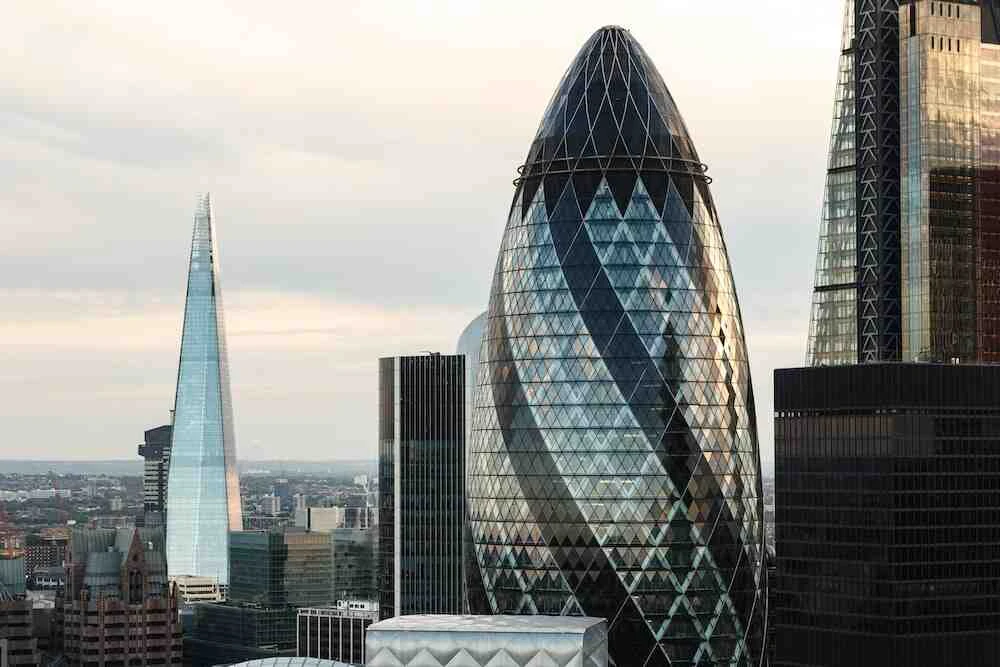
In the ever-evolving world of architecture, the materials we use play a pivotal role in shaping the built environment. Over the years, architects and designers have pushed the boundaries of convention...
Sign up to start winning an unlimited amount of jobs near you.


 Electrician
Gas Engineer
Electrician
Gas Engineer


Send more enquiries and explore your options
Increasing the number of potentials leads for you!
Have more control and flexibility over your finances!