


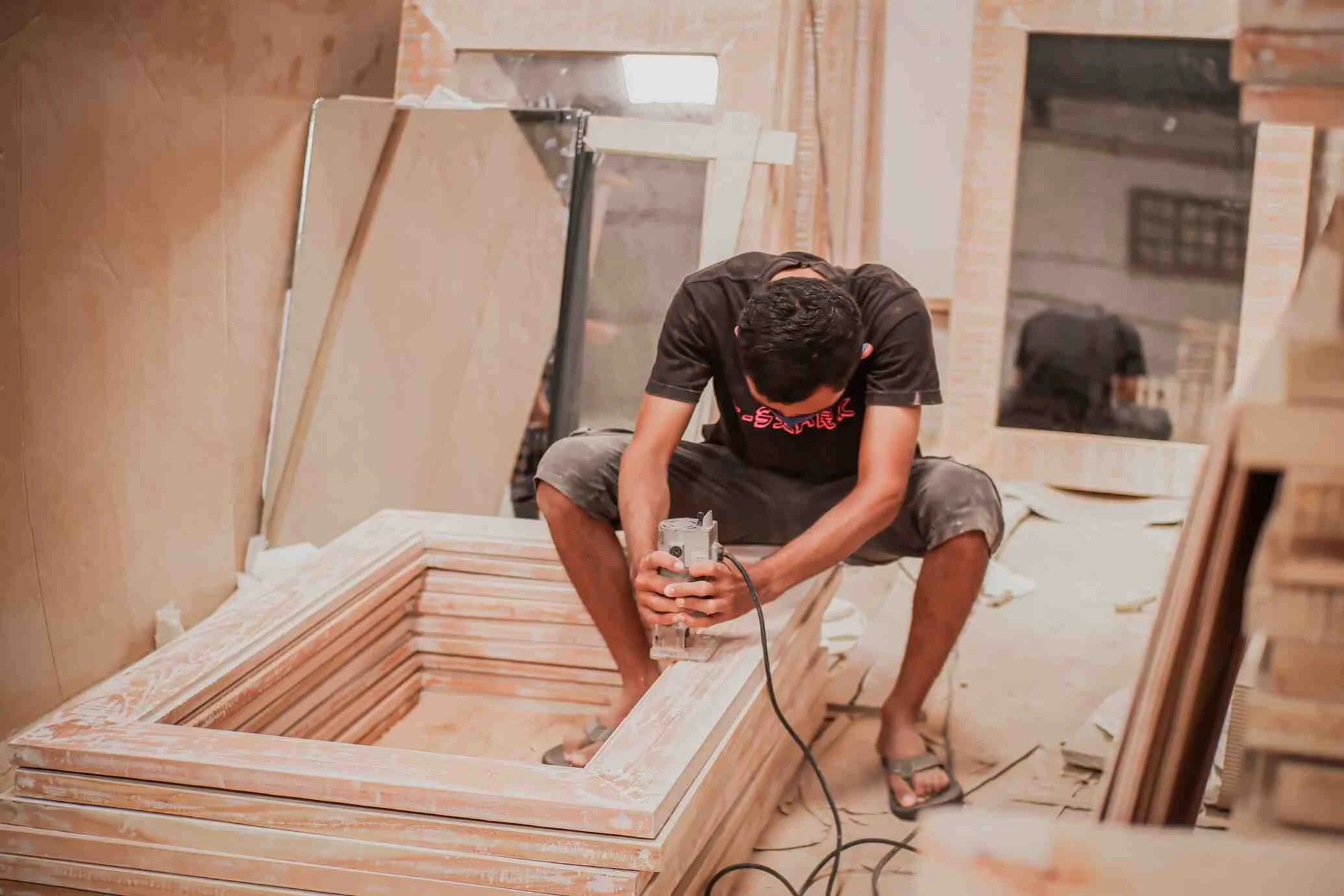

1. The Grain of Misconception: Understanding Stereotypes in Carpentry: Stereotypes and stigmas are deeply ingrained societal perceptions that can be limiting and damaging. In carpentry, these misconceptions range from viewing it as a less intellectually demanding profession to associating it with manual labour and, consequently, a lower social status. Such stereotypes overshadow the skill, precision, and artistry central to carpentry.
The impact of these misconceptions goes beyond affecting individual carpenters. It trickles down to the carpentry business, influencing client perception, project opportunities, and the ability to charge competitive service rates.
2. The Carpenters" Renaissance: Strategies to Counter Stereotypes: Changing societal perceptions requires a concerted effort from the carpentry community. Here are strategies to break free from the shackles of stereotypes:
3. Portraits of Triumph: Carpenters Defying Stereotypes and Thriving: Let"s draw inspiration from carpenters who stood tall against stereotypes and emerged victorious:
James" Revelation: James, a young carpenter, battled the stereotype of carpentry being a "blue-collar" job. He pursued higher education in design, blending modern aesthetics with traditional craftsmanship. His unique approach attracted a niche clientele seeking bespoke, artistic carpentry.
Elena"s Renaissance: Elena, a female carpenter in a male-dominated industry, faced stereotypes questioning her capabilities. She responded by mastering her craft, exceeding expectations, and strongly advocating gender diversity in carpentry. Her success defied the gender-based misconceptions surrounding the profession.
Conclusion: The perception of a carpenter shouldn"t be confined to stereotypes but should be an epitome of skill, artistry, and professionalism. Let "Splintered Stigmas" serve as a rallying cry to shatter these misconceptions, carving a path towards a positive and accurate image of carpentry. Every chisel stroke and every joint crafted should echo the actual value of this revered trade.
Introduction: In carpentry, time is money, and workflow is the pulse that keeps the business alive. Yet, many carpenters need help with a disjointed workflow, stifling efficiency and sapping the joy o...
.webp)
Introduction: Carpentry more than just a trade, is an art form. The journey to mastery involves constantly honing one"s skills, a voyage where every chisel stroke and nail-driven shapes not just ...
In the world of woodworking, every piece of timber tells a story - a tale of craftsmanship, dedication, and wisdom. For aspiring woodworkers and seasoned artisans alike, this blog is a collection of T...

In the world of woodworking, every piece crafted is a note in the symphony of a carpenter"s career. Yet, to compose a melodious tune, one must prioritize the conductor - their health and longevity. Th...
In carpentry, precision isn"t just about chiselling wood; it"s about chiselling a successful business. Financial stability and growth are the building blocks of a carpentry enterprise. Welcome to "Cra...

In the world of woodworking, creating something beautiful is not just an art—it"s a responsibility. A responsibility towards the craft, the client, and most importantly, the safety and well-bein...
Sign up to start winning an unlimited amount of jobs near you.


 Electrician
Gas Engineer
Electrician
Gas Engineer


Send more enquiries and explore your options
Increasing the number of potentials leads for you!
Have more control and flexibility over your finances!