


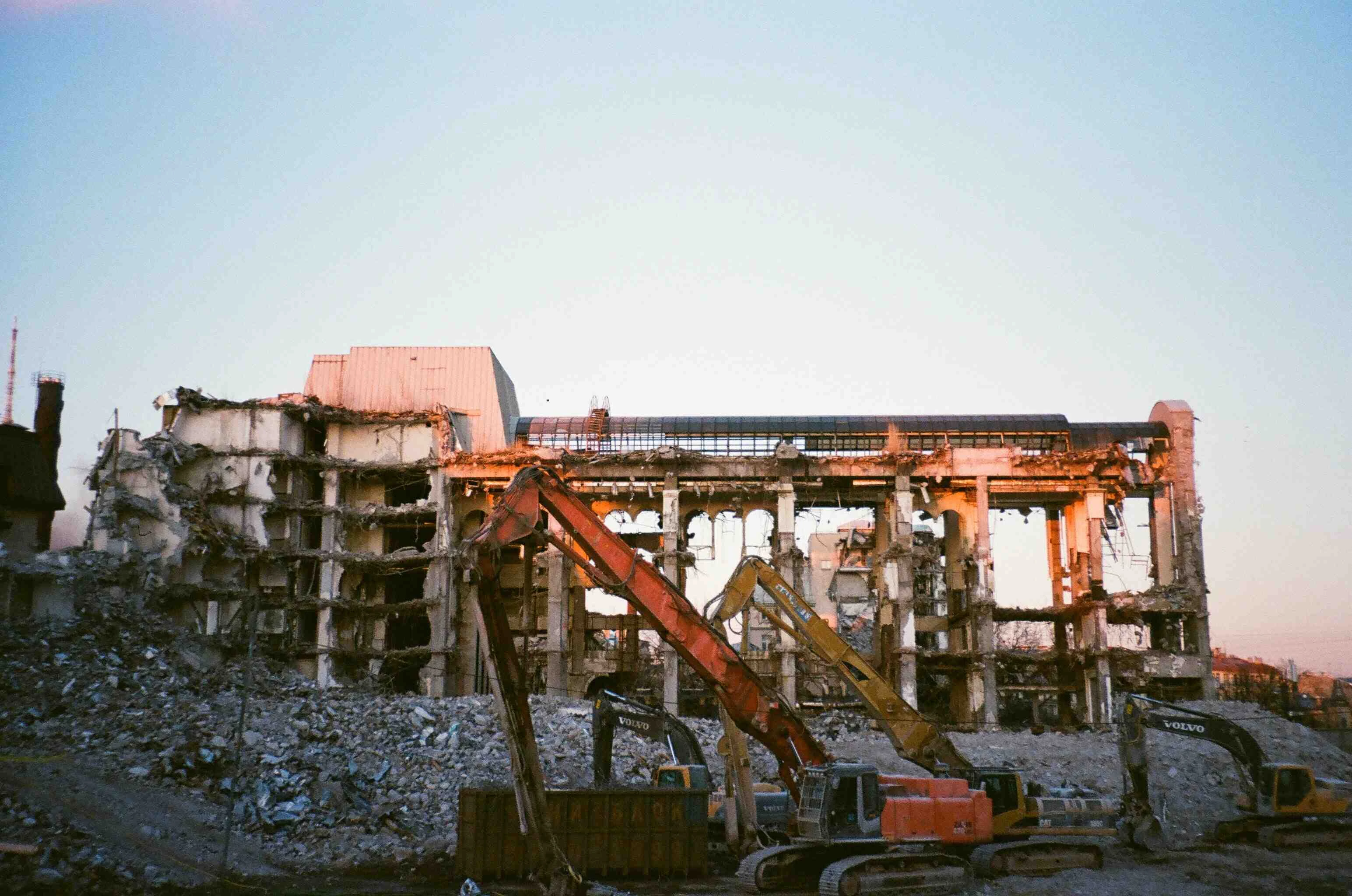
1. The Spectacular Deconstruction of the Pontiac Silverdome
Our journey through the world of demolition begins in Pontiac, Michigan, where the Pontiac Silverdome once stood as a symbol of grandeur and opulence. This mammoth structure, with a seating capacity of 82,000, was the former home of the Detroit Lions and hosted numerous iconic events, including Super Bowl XVI.
In December 2017, a crowd gathered to witness the Silverdome"s final curtain call. The demolition team utilized a series of strategically placed explosives and meticulously timed detonations to bring down this colossal stadium. A key challenge was ensuring that the structure"s iconic roof remained intact until the precise moment of implosion. The result was a stunning collapse that sent shockwaves through the demolition world, and the footage of the Silverdome"s implosion became a viral sensation.
2. The Controlled Demolition of the Grand Hotel in Atlanta
In the heart of Atlanta, Georgia, once stood the Grand Hotel, a 20-story hotel that had seen better days. It had been a prominent landmark in the city for decades. However, due to its deteriorating condition and the need for a new development, its time had come to an end.
This demolition project was not just about reducing a massive structure to rubble; it was about precision and minimizing disruption to the surrounding area. Controlled Demolition, Inc. was called upon to orchestrate the operation. The team used strategically placed explosives to bring the Grand Hotel down in a controlled manner, with the debris falling within a small, predetermined footprint. It was a remarkable display of precision and skill in a densely populated urban environment.
3. The Dusty Demise of the Elwha Dam in Washington State
Not all demolition projects involve skyscrapers or grand stadiums. Some, like the Elwha Dam in Washington State, deal with structures that have outlived their purpose. This dam, which had been in place for nearly a century, was removed to restore the natural flow of the Elwha River and rejuvenate the ecosystem.
Demolishing the Elwha Dam was a complex project. It required a combination of mechanical demolition and controlled releases of water to gradually dismantle the structure while avoiding ecological harm. The removal of the dam resulted in the resurgence of salmon populations and the revitalization of the entire river ecosystem. This project showcased how demolition could be a force for positive change in the environment.
4. The Iconic Tappan Zee Bridge Transformation
In New York, a symbol of the past and a promise for the future stood as the Tappan Zee Bridge. This iconic structure, which connected Rockland and Westchester counties, had served its purpose but was no longer fit for the demands of modern transportation. The decision was made to replace it with a new twin-span bridge, the Governor Mario M. Cuomo Bridge.
The transformation of the Tappan Zee Bridge was a colossal undertaking. It involved dismantling the old bridge piece by piece while maintaining traffic flow on a parallel structure. The project showcased the innovation of modern demolition techniques, including the use of floating cranes and explosives to carefully deconstruct the bridge. The result was not just a new bridge but also a demonstration of engineering prowess.
5. The Kingdome"s Final Bow in Seattle
The Kingdome, once home to the Seattle Seahawks and a multitude of events, was another iconic structure that met its end through demolition. Known for its massive roof and unique circular design, it was a challenging project that required the expertise of demolition professionals.
The implosion of the Kingdome was a carefully coordinated event, with explosives placed strategically to crumble the structure in on itself. The result was a dramatic collapse, symbolizing the end of an era for Seattle sports fans. This demolition project showcased the delicate balance between preserving the surrounding environment and efficiently bringing down a colossal structure.
6. The Majestic Deconstruction of the Harrah"s Reno
The Harrah"s Reno was more than just a hotel and casino; it was a landmark of the city"s skyline for over three decades. When it was time for it to make way for new developments, the demolition team faced unique challenges due to its location in the heart of downtown Reno, Nevada.
To bring down the Harrah"s Reno, the team carefully dismantled the structure floor by floor, using high-reach excavators and other specialized equipment. The goal was to minimize dust and noise while safely removing the massive structure. This project demonstrated the importance of precise planning and the use of advanced equipment in urban demolition.
7. The End of an Era: The Boston University Bridge
Our tour of the world"s largest demolition projects concludes with the Boston University Bridge. This project was not about grandeur but about safety and modernization. The old bridge, spanning the Charles River, had become structurally deficient and needed to be replaced.
Demolishing the Boston University Bridge was a meticulous process, involving the removal of large concrete segments while ensuring minimal disruption to the waterway and nearby infrastructure. The new bridge that replaced it was a symbol of progress and safety, highlighting the essential role of demolition in infrastructure renewal.
In conclusion, the world of demolition is a fascinating one, where engineering, precision, and innovation come together to reshape our urban landscapes. These projects, whether they involve colossal stadiums or small bridges, showcase the artistry of deconstruction and the potential for transformation. As we bid farewell to the old and welcome the new, demolition projects remind us that change is an essential part of progress, and the future is often built on the foundations of the past.
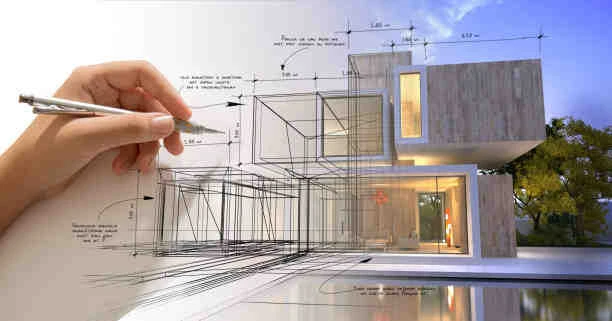
In a world often cluttered with complexity, modern minimalism in architecture stands as a testament to the beauty of simplicity. This design philosophy strips away excess ornamentation and embraces cl...

Throughout history, mankind has expressed its creativity and ambition through the construction of iconic architectural landmarks. These structures not only captivate us with their breathtaking designs...

Symmetry and balance in architectural design are principles that have been appreciated for centuries. These elements create a sense of harmony, order, and visual appeal in buildings and structures. Sy...

As the sun dips below the horizon, architectural wonders across the globe come to life, basking in the radiance of carefully designed illumination. Creative lighting design possesses the remarkable ab...

Architecture has a profound impact on our daily lives, shaping the way we interact with our surroundings and with one another. In recent years, a shift towards community-centric architecture has been ...
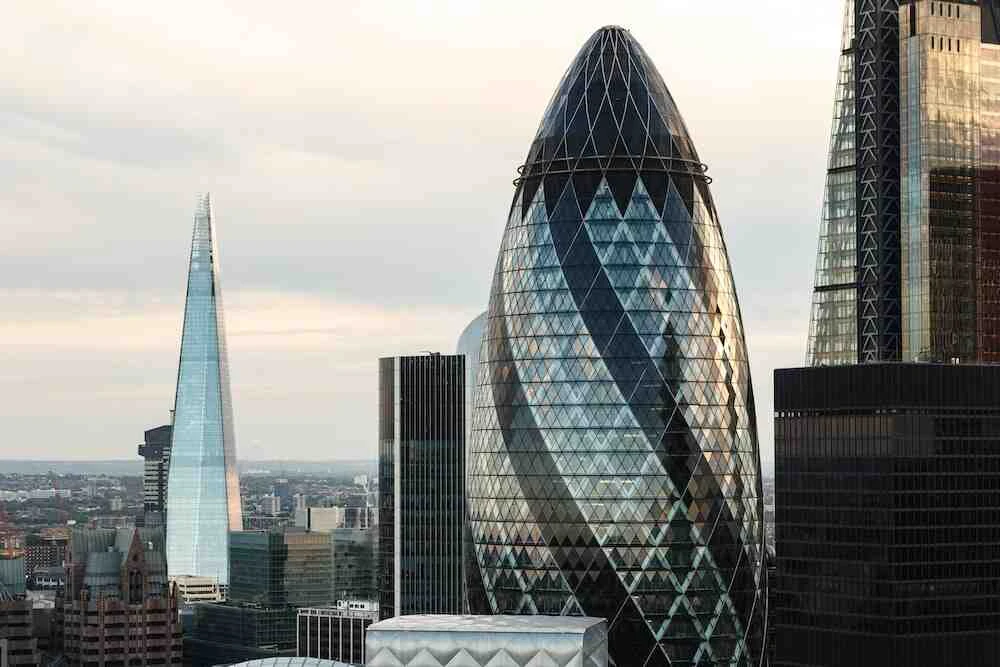
In the ever-evolving world of architecture, the materials we use play a pivotal role in shaping the built environment. Over the years, architects and designers have pushed the boundaries of convention...
Sign up to start winning an unlimited amount of jobs near you.


 Electrician
Gas Engineer
Electrician
Gas Engineer


Send more enquiries and explore your options
Increasing the number of potentials leads for you!
Have more control and flexibility over your finances!