

Understanding the Damp Issue:
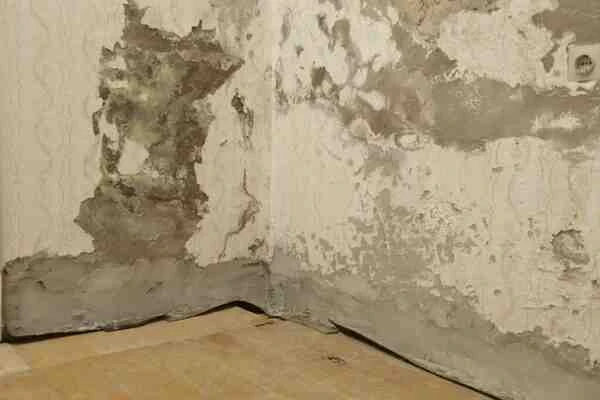
Before we dive into the ways to damp-proof your home during renovation, let"s first understand the problem. Dampness can be a silent and sneaky intruder. It can damage your property"s structural integrity, create an unhealthy environment, and cause mold growth. Dampness can infiltrate your walls, floors, and ceilings, leading to unsightly stains, peeling paint, and even rotting wood. Moreover, it can also be detrimental to your health, causing respiratory problems and allergies.
The Importance of Damp-Proofing:
Damp-proofing is not just about avoiding the unsightly appearance of damp patches on your walls. It is essential for various reasons:
Structural Integrity: Dampness can weaken the structural elements of your home, leading to costly repairs.
Health Concerns: Mold growth and the release of damp-related allergens can cause respiratory issues.
Energy Efficiency: Dampness can affect the insulation of your home, making it harder and more expensive to heat or cool.
Property Value: A well-damp-proofed home is more appealing to buyers and maintains its value.
Cosmetic Appeal: Dampness can lead to peeling paint, stains, and an overall unattractive appearance.
Now that we understand the importance of damp-proofing, let"s explore some effective ways to incorporate it into your renovation project.
1. Conduct a Dampness Assessment:
The first step in damp-proofing your renovation project is to assess your home"s current condition. This involves checking for any existing damp problems and identifying vulnerable areas. A professional damp surveyor can help you identify potential trouble spots, such as leaky pipes, inadequate drainage, or poor ventilation.
2. Improve Ventilation:
Proper ventilation is a simple yet effective way to prevent dampness in your home. During your renovation project, consider adding ventilation solutions like extractor fans, air vents, and even larger windows. Adequate ventilation helps keep the air flowing and reduces humidity, making it harder for moisture to accumulate.
3. Waterproofing Solutions:
In areas where dampness is a recurring problem, consider using waterproofing solutions. This can involve using waterproof paint or applying waterproof membranes to your walls and floors. Waterproofing solutions not only prevent moisture from seeping in but also protect against potential leaks and spills.
4. Damp-Proof Courses (DPC):
Damp-Proof Courses are horizontal layers of impermeable material that are installed in walls to prevent rising damp. During a renovation, it"s an ideal time to install DPC in areas where it"s lacking or deteriorating. This small investment can save you from significant structural damage down the line.
5. Drainage Improvements:
Poor drainage can be a major contributor to damp issues. During your renovation, address any drainage problems around your property. Ensure that gutters and downspouts are in good condition and that the land around your home slopes away from the foundation to prevent water from collecting near your walls.
6. External Sealants:
Sealing the exterior of your home with waterproof sealants is a smart way to prevent dampness from infiltrating your walls. This is particularly important if your home has a porous exterior, such as brick or stone. These sealants create a barrier against water and moisture, keeping them out.
7. Insulation with Damp-Proofing Properties:
When insulating your home during the renovation, consider materials with damp-proofing properties. Some modern insulation materials are designed to be resistant to moisture, making them an excellent choice for preventing dampness. This will not only help maintain a comfortable indoor environment but also improve energy efficiency.
8. Regular Maintenance:
Even after completing your renovation project with damp-proofing measures, it"s important to remember that maintenance is key. Regularly inspect your home for signs of dampness, such as peeling paint, musty odors, or damp patches. Addressing any issues promptly can prevent them from becoming more serious.
Conclusion:
Damp-proofing is a crucial but often overlooked aspect of home renovation projects. Neglecting it can lead to structural damage, health hazards, and costly repairs. By incorporating damp-proofing measures into your renovation plans, you ensure that your home remains a safe, healthy, and visually appealing space for years to come.
Remember that damp-proofing is not just a one-time investment; it"s a long-term strategy to protect your property and your family"s well-being. So, whether you"re planning a complete home makeover or a minor upgrade, make sure to put damp-proofing on your priority list. Your home and your future self will thank you for it.
In a world often cluttered with complexity, modern minimalism in architecture stands as a testament to the beauty of simplicity. This design philosophy strips away excess ornamentation and embraces cl...

Throughout history, mankind has expressed its creativity and ambition through the construction of iconic architectural landmarks. These structures not only captivate us with their breathtaking designs...

Symmetry and balance in architectural design are principles that have been appreciated for centuries. These elements create a sense of harmony, order, and visual appeal in buildings and structures. Sy...

As the sun dips below the horizon, architectural wonders across the globe come to life, basking in the radiance of carefully designed illumination. Creative lighting design possesses the remarkable ab...

Architecture has a profound impact on our daily lives, shaping the way we interact with our surroundings and with one another. In recent years, a shift towards community-centric architecture has been ...

In the ever-evolving world of architecture, the materials we use play a pivotal role in shaping the built environment. Over the years, architects and designers have pushed the boundaries of convention...
Sign up to start winning an unlimited amount of jobs near you.


 Electrician
Gas Engineer
Electrician
Gas Engineer


Send more enquiries and explore your options
Increasing the number of potentials leads for you!
Have more control and flexibility over your finances!