



I. The Versatility of Bricks in Landscape Design
Bricks are versatile building blocks that have been used for centuries in various construction projects. However, their potential in landscape design often remains untapped. Let"s delve into the versatility of bricks and discover how they can be incorporated into your landscape design:
Pathways and Walkways: Brick pathways can add a touch of elegance and sophistication to your landscape. Whether it"s a winding path through a lush garden or a straight walkway leading to your front door, bricks offer durability and timeless charm.
Retaining Walls: Brick retaining walls serve both functional and aesthetic purposes. They can help control soil erosion while simultaneously creating terraced areas for planting or seating.
Edging and Borders: Neatly laid brick borders define flower beds and garden areas with precision. They provide a structured look to your landscape and prevent grass from encroaching on your prized plants.
Patios and Outdoor Living Spaces: A brick patio can be the heart of your outdoor living space, providing an inviting area for relaxation and entertainment. It pairs well with various styles, from rustic to contemporary.
Water Features: Bricks can be used to construct elegant water features like fountains and ponds, adding a soothing element to your landscape. Their earthy tones create a harmonious blend with the natural surroundings.
II. Designing with Bricks: A Creative Approach
Now that we"ve explored the many applications of bricks in landscape design, let"s dive into the creative aspects of using this material to its fullest potential:
Color and Texture: Bricks come in a variety of colors and textures, enabling you to create a customized look for your landscape. Whether you prefer a warm, rustic appearance or a sleek, modern feel, there"s a brick style to suit your vision.
Patterns and Layouts: The way bricks are laid can have a significant impact on the overall design. Herringbone, basketweave, and running bond patterns are just a few options to consider, each contributing to the landscape"s character.
Combining Materials: Don"t limit yourself to using only bricks. Combining bricks with other materials like stone, wood, or concrete can produce striking contrasts and add depth to your design.
Vertical Integration: Vertical brickwork can be incorporated into your landscape through features such as brick arches, pillars, and columns. These architectural elements can serve as focal points or support structures for climbing plants.
Plant Integration: Bricks can be used to create raised beds or planters, providing a platform for a lush garden. The juxtaposition of vibrant greenery against the brick"s warmth creates a captivating visual appeal.
III. The Practical Benefits of Brickwork
Beyond their aesthetic appeal, bricks offer a range of practical benefits in landscape design:
Durability: Bricks are known for their longevity and resilience. They can withstand various weather conditions and require minimal maintenance over the years.
Low Maintenance: Unlike wood, which can rot or warp, bricks don"t require frequent staining or sealing. They remain relatively maintenance-free, allowing you to enjoy your landscape with ease.
Environmentally Friendly: Bricks are made from natural clay and shale, making them an eco-friendly choice for landscaping. They are also recyclable and can be repurposed in the future.
Cost-Effective: While the initial cost of using bricks in landscaping may be slightly higher than some alternatives, their longevity and low maintenance make them a cost-effective choice in the long run.
Fire Resistance: Bricks are fire-resistant, adding an extra layer of safety to your outdoor space, especially if you plan to incorporate features like fire pits or outdoor kitchens.
IV. Case Studies: Inspiring Examples
To illustrate the power of brickwork in landscape design, let"s explore a few case studies that showcase its potential:
Historic Charm: A historic estate transformed its overgrown garden into a serene oasis by incorporating a brick pathway, ornate brick fountains, and terraced brick walls, all while preserving the property"s timeless charm.
Contemporary Elegance: A modern residence incorporated sleek, dark brick walls into its landscape design to create a stunning contrast with the surrounding greenery. The use of linear patterns and minimalistic design principles resulted in an elegant outdoor space.
Cozy Courtyard: A cozy courtyard in a suburban home used bricks to create an intimate gathering space. A circular brick patio, surrounded by raised brick beds filled with vibrant flowers, offers a perfect spot for family gatherings and relaxation.
Mediterranean Retreat: To evoke a Mediterranean ambiance, a homeowner used terra cotta-colored bricks to construct a sprawling patio. The warm hues and intricate brickwork complemented the Mediterranean-style landscaping, complete with olive trees and lavender.
V. Maintaining Your Brickwork
To ensure that your brickwork remains an enduring part of your landscape design, regular maintenance is crucial. Here are some tips:
Cleaning: Periodically clean bricks with a pressure washer to remove dirt, algae, and moss. Avoid using harsh chemicals that could damage the bricks or harm the environment.
Repointing: Over time, mortar joints between bricks may deteriorate. Repointing involves removing and replacing damaged mortar, preserving the integrity of your brickwork.
Sealing: Consider applying a breathable brick sealer to protect against moisture infiltration and staining. Consult with a professional to choose the right product for your specific bricks.
Weed Control: Check brick joints for weed growth, and promptly remove any unwanted vegetation. A well-maintained landscape will enhance the visual appeal of your brickwork.
Conclusion
Brickwork is a timeless and versatile element in landscape design that can elevate the aesthetic and functionality of outdoor spaces. Whether you"re looking to create a cozy courtyard, a contemporary oasis, or a historic garden, bricks offer a myriad of design possibilities. Their durability, low maintenance requirements, and environmental benefits make them a sustainable choice for landscape designers and homeowners alike.
Incorporating bricks into your landscape design requires creativity, attention to detail, and an appreciation for the unique character they bring. So, the next time you embark on a landscaping project, consider the endless possibilities of showcasing brickwork, and watch your outdoor space transform into a captivating masterpiece of design and craftsmanship.
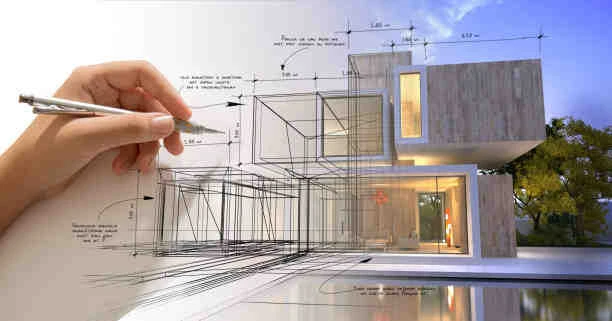
In a world often cluttered with complexity, modern minimalism in architecture stands as a testament to the beauty of simplicity. This design philosophy strips away excess ornamentation and embraces cl...

Throughout history, mankind has expressed its creativity and ambition through the construction of iconic architectural landmarks. These structures not only captivate us with their breathtaking designs...

Symmetry and balance in architectural design are principles that have been appreciated for centuries. These elements create a sense of harmony, order, and visual appeal in buildings and structures. Sy...

As the sun dips below the horizon, architectural wonders across the globe come to life, basking in the radiance of carefully designed illumination. Creative lighting design possesses the remarkable ab...

Architecture has a profound impact on our daily lives, shaping the way we interact with our surroundings and with one another. In recent years, a shift towards community-centric architecture has been ...

In the ever-evolving world of architecture, the materials we use play a pivotal role in shaping the built environment. Over the years, architects and designers have pushed the boundaries of convention...
Sign up to start winning an unlimited amount of jobs near you.


 Electrician
Gas Engineer
Electrician
Gas Engineer


Send more enquiries and explore your options
Increasing the number of potentials leads for you!
Have more control and flexibility over your finances!