


Project Size and Scope
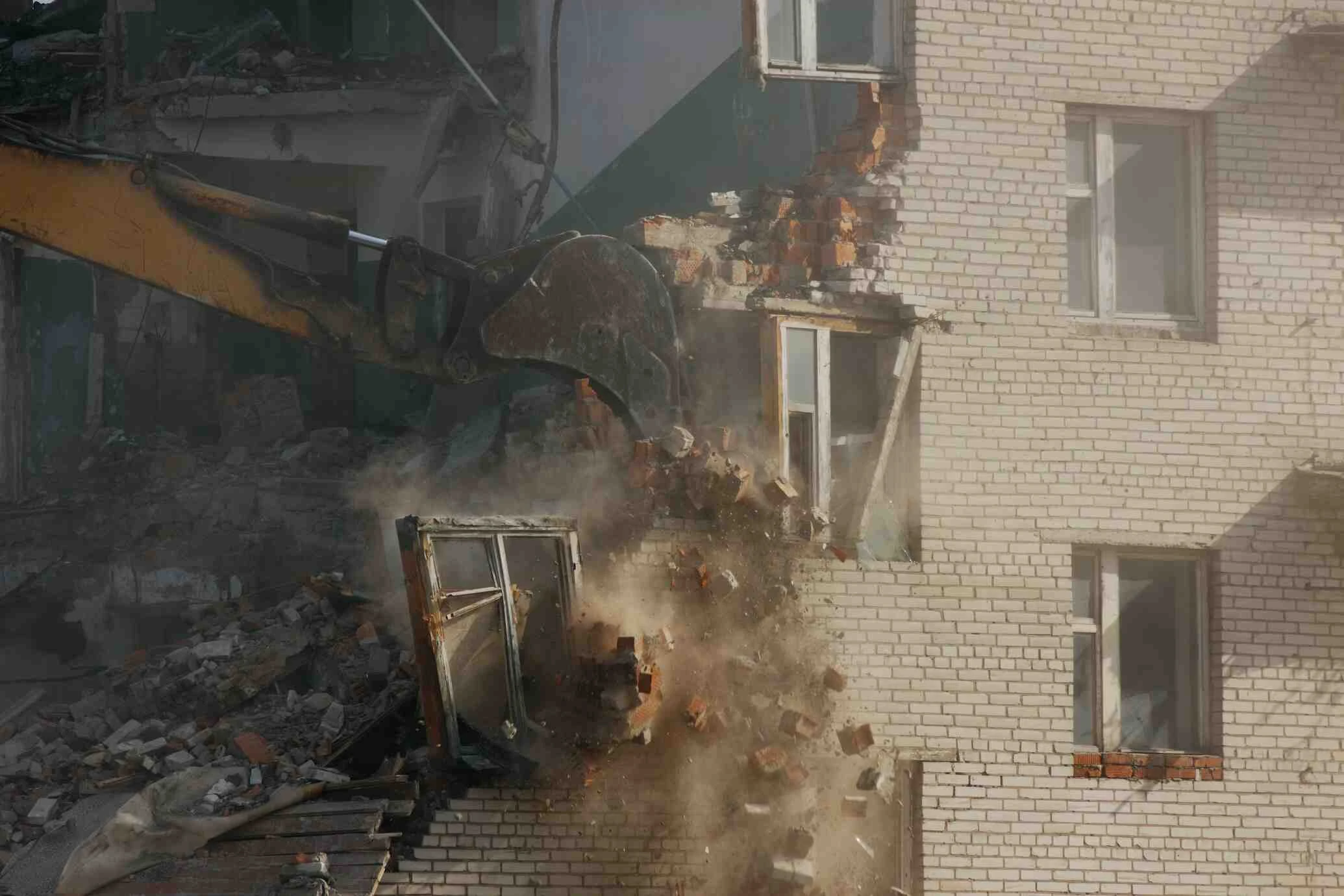
The first step in selecting the right equipment for a demolition project is to assess the size and scope of the project. Is it a small residential demolition, a medium-sized commercial building, or a large-scale industrial site? The size and scope will determine the type and size of equipment needed. For smaller projects, a mini-excavator or skid steer loader may suffice, while larger projects may require heavy machinery like excavators, bulldozers, or wrecking balls.
Safety Considerations
Safety should be your top priority in any demolition project. It"s essential to choose equipment that is not only well-maintained but also suited for the specific challenges of your project. For example, if your demolition involves the removal of asbestos or other hazardous materials, you"ll need specialized equipment and trained personnel. Proper safety measures, such as protective gear, barricades, and dust control systems, should be in place to protect workers and the surrounding environment.
Environmental Impact
In today"s world, environmental responsibility is of utmost importance. When selecting demolition equipment, consider its environmental impact. Equipment that is more fuel-efficient and emits fewer emissions is not only better for the environment but can also lead to cost savings in the long run. Additionally, some demolition methods, such as deconstruction, can minimize waste and recycle materials, making them more eco-friendly options.
Site Conditions
Site conditions can vary significantly from one project to another. The type of equipment you choose must be suitable for the terrain, soil type, and obstacles present at the site. For example, if your demolition site has tight spaces and limited access, a compact excavator may be more appropriate than a large bulldozer. Consider the soil stability, groundwater levels, and any underground utilities that could affect your equipment choice.
Noise and Vibration
Demolition work can be noisy, and excessive noise can disrupt the surrounding community. Vibrations from heavy machinery can also cause damage to nearby structures. To mitigate these concerns, it"s important to select equipment that minimizes noise and vibrations. Some modern demolition equipment is designed with noise-reduction features, and using them can help maintain a good relationship with neighbors and adhere to local noise regulations.
Operator Expertise
The skill level of the equipment operator is a critical factor in the success of your demolition project. Experienced operators can work more efficiently, minimizing the risk of accidents and errors. Ensure that your operators are trained and certified to operate the specific equipment required for your project. Investing in operator training can lead to smoother operations, reduced downtime, and better results.
Cost Considerations
Budget constraints are a significant factor in equipment selection. Different equipment comes with varying price tags, and renting or purchasing equipment should be in line with your budget. Consider both the upfront costs and ongoing expenses, such as maintenance, fuel, and labor, when making your decision. It"s often worthwhile to conduct a cost-benefit analysis to determine the most cost-effective option for your specific project.
Regulatory Compliance
Demolition projects are subject to various regulations and permits at the local, state, and federal levels. Different equipment and demolition methods may require different permits and compliance with environmental and safety standards. Ensure that you are well-informed about these regulations and that the equipment you choose aligns with them. Non-compliance can result in costly fines and project delays.
Equipment Maintenance
Proper equipment maintenance is essential for the success of any demolition project. Regular inspections, servicing, and repairs should be part of your project plan to prevent breakdowns and accidents. It"s also wise to have a backup plan in case of equipment failure, as project delays can be costly.
Conclusion
Selecting the right equipment for demolition projects is a complex decision that involves numerous factors. Balancing safety, environmental responsibility, budget constraints, and regulatory compliance is essential for a successful project. When approached thoughtfully, equipment selection can lead to greater efficiency, reduced environmental impact, and ultimately, a successful demolition project. Keep in mind that each project is unique, and what works for one may not work for another. Careful planning, expert advice, and continuous evaluation are key to making the right equipment choices for your demolition project.
Introduction: In carpentry, time is money, and workflow is the pulse that keeps the business alive. Yet, many carpenters need help with a disjointed workflow, stifling efficiency and sapping the joy o...
.webp)
Introduction: Carpentry more than just a trade, is an art form. The journey to mastery involves constantly honing one"s skills, a voyage where every chisel stroke and nail-driven shapes not just ...
In the world of woodworking, every piece of timber tells a story - a tale of craftsmanship, dedication, and wisdom. For aspiring woodworkers and seasoned artisans alike, this blog is a collection of T...

In the world of woodworking, every piece crafted is a note in the symphony of a carpenter"s career. Yet, to compose a melodious tune, one must prioritize the conductor - their health and longevity. Th...
In carpentry, precision isn"t just about chiselling wood; it"s about chiselling a successful business. Financial stability and growth are the building blocks of a carpentry enterprise. Welcome to "Cra...

In the world of woodworking, creating something beautiful is not just an art—it"s a responsibility. A responsibility towards the craft, the client, and most importantly, the safety and well-bein...
Sign up to start winning an unlimited amount of jobs near you.


 Electrician
Gas Engineer
Electrician
Gas Engineer


Send more enquiries and explore your options
Increasing the number of potentials leads for you!
Have more control and flexibility over your finances!