


Understanding Hazardous Materials in Demolition
Hazardous materials, in the context of demolition, refer to substances that can be dangerous to human health and the environment when mishandled or released into the surroundings. These materials are commonly found in older structures and can include asbestos, lead-based paint, mold, polychlorinated biphenyls (PCBs), and various chemicals. Before demolition begins, it"s essential to identify and manage these hazardous materials effectively.
Asbestos: This naturally occurring mineral was once widely used in construction due to its heat-resistant properties. However, inhaling asbestos fibers can lead to severe health issues, including lung cancer and mesothelioma. Older buildings are more likely to contain asbestos in insulation, flooring, roofing materials, and fireproofing.
Lead-based Paint: Lead-based paint was commonly used in buildings constructed before the 1970s. Exposure to lead can result in cognitive and developmental issues, especially in children. Demolition projects must address lead-based paint hazards adequately.
Mold: Mold growth can be prevalent in older buildings, especially those with water damage. Mold can cause respiratory issues, allergies, and other health problems. Mold remediation is crucial during demolition.
Polychlorinated Biphenyls (PCBs): PCBs were used in various building materials such as electrical equipment, sealants, and paints. These chemicals are persistent in the environment and are considered a serious threat to human health.
The Importance of Compliance with Regulations
Safely handling hazardous materials in demolition is a non-negotiable aspect of the process, not just to ensure the safety of workers but also to protect the environment and the surrounding community. Regulatory bodies like the Environmental Protection Agency (EPA) and the Occupational Safety and Health Administration (OSHA) have established strict guidelines for handling hazardous materials during demolition. These regulations are in place to minimize risks and ensure that hazardous materials are removed or managed appropriately.
Proper Assessment and Testing: Before any demolition work begins, it is essential to conduct a thorough assessment to identify the presence of hazardous materials. This assessment typically involves testing materials for substances like asbestos, lead, or PCBs.
Certified Personnel: Demolition projects that involve hazardous materials should employ certified professionals who have received the necessary training to handle these substances safely. These experts are well-versed in the latest techniques and best practices for removal and disposal.
Containment and Mitigation: Once hazardous materials are identified, they must be contained and mitigated to prevent their release into the environment. This may involve sealing off areas with asbestos-containing materials or using proper ventilation to control dust and fumes.
Proper Disposal: Hazardous materials removed during demolition must be disposed of in compliance with relevant laws and regulations. Failure to do so can result in severe penalties and environmental damage.
Case Study: The Controlled Demolition of the Wacker Drive Building
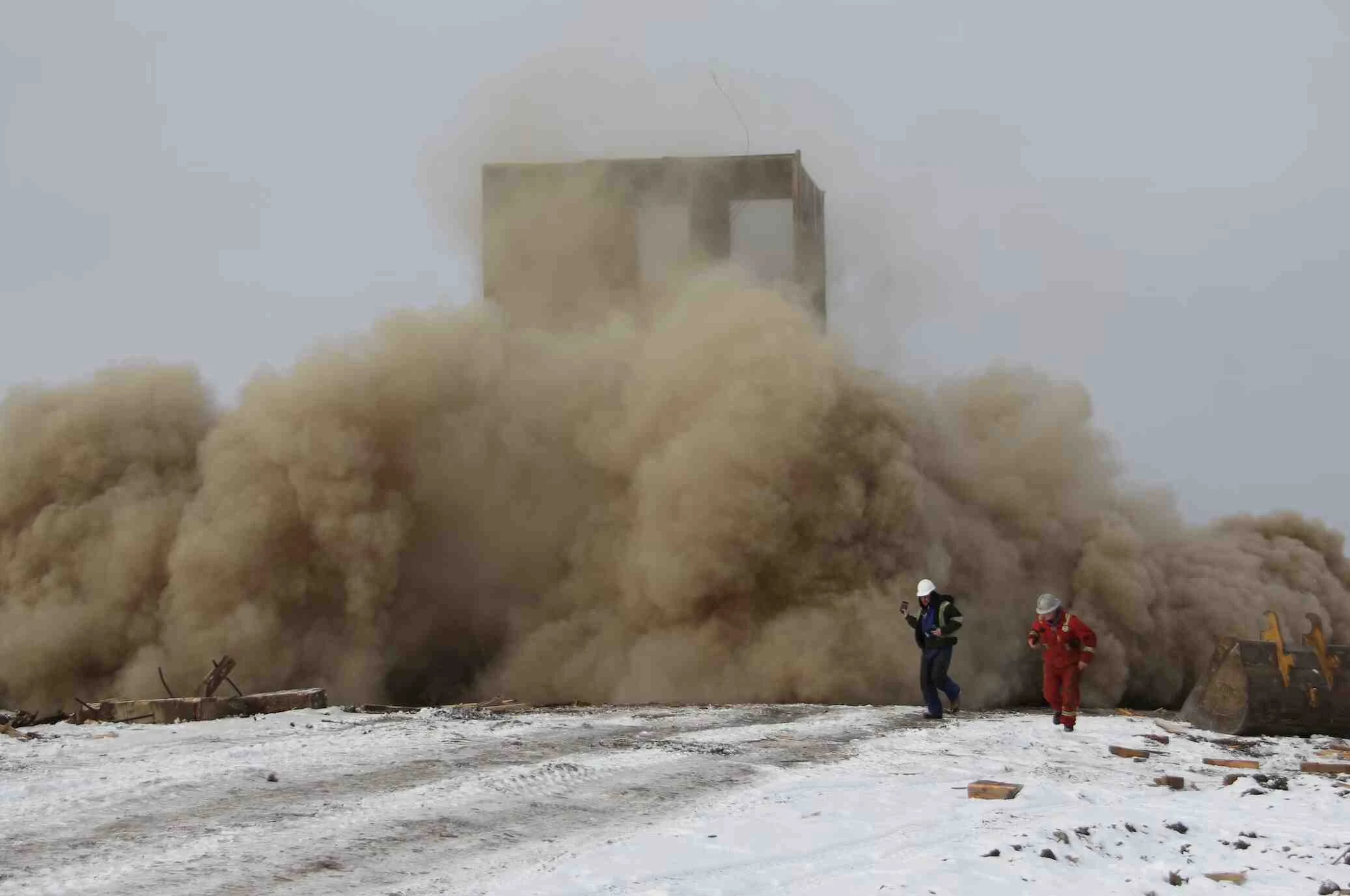
To illustrate the importance of safely handling hazardous materials in demolition, let"s look at a real-world example: the controlled demolition of the Wacker Drive Building in Chicago. This project, which took place in the heart of the city, involved the demolition of a 10-story building that was heavily contaminated with asbestos.
The successful handling of hazardous materials in this project was a testament to the adherence to stringent regulations and best practices. Here are some key takeaways:
Comprehensive Assessment: The project began with a thorough assessment of the building to identify areas with asbestos-containing materials. This involved extensive testing and sampling.
Certified Professionals: Certified asbestos abatement teams were brought in to carefully remove and dispose of asbestos-containing materials. Workers wore specialized protective gear to ensure their safety.
Containment: Strict containment procedures were implemented to prevent asbestos fibers from being released into the environment. This included sealing off work areas and using negative air pressure systems.
Air Quality Monitoring: Continuous air quality monitoring was conducted to ensure that asbestos levels remained within acceptable limits, both on-site and in the surrounding area.
Proper Disposal: Hazardous materials, including asbestos, were carefully packaged and transported to licensed disposal facilities, where they were disposed of in accordance with EPA regulations.
The controlled demolition of the Wacker Drive Building was not only a technical success but also a testament to the importance of safeguarding public health and the environment during demolition projects.
Conclusion
Demolition is a necessary part of urban development and revitalization, but it comes with significant responsibilities. Safely handling hazardous materials in demolition is not optional; it is a legal and moral imperative. Failing to do so can have far-reaching consequences for the environment, public health, and legal liabilities. By following regulations, employing certified professionals, and prioritizing safety and environmental protection, we can ensure that demolition projects continue to reshape our cities while safeguarding lives and the planet. Ultimately, it"s not just about tearing down old structures but doing so responsibly and sustainably.
Introduction: In carpentry, time is money, and workflow is the pulse that keeps the business alive. Yet, many carpenters need help with a disjointed workflow, stifling efficiency and sapping the joy o...
.webp)
Introduction: Carpentry more than just a trade, is an art form. The journey to mastery involves constantly honing one"s skills, a voyage where every chisel stroke and nail-driven shapes not just ...
In the world of woodworking, every piece of timber tells a story - a tale of craftsmanship, dedication, and wisdom. For aspiring woodworkers and seasoned artisans alike, this blog is a collection of T...
In the world of woodworking, every piece crafted is a note in the symphony of a carpenter"s career. Yet, to compose a melodious tune, one must prioritize the conductor - their health and longevity. Th...
In carpentry, precision isn"t just about chiselling wood; it"s about chiselling a successful business. Financial stability and growth are the building blocks of a carpentry enterprise. Welcome to "Cra...

In the world of woodworking, creating something beautiful is not just an art—it"s a responsibility. A responsibility towards the craft, the client, and most importantly, the safety and well-bein...
Sign up to start winning an unlimited amount of jobs near you.


 Electrician
Gas Engineer
Electrician
Gas Engineer


Send more enquiries and explore your options
Increasing the number of potentials leads for you!
Have more control and flexibility over your finances!