


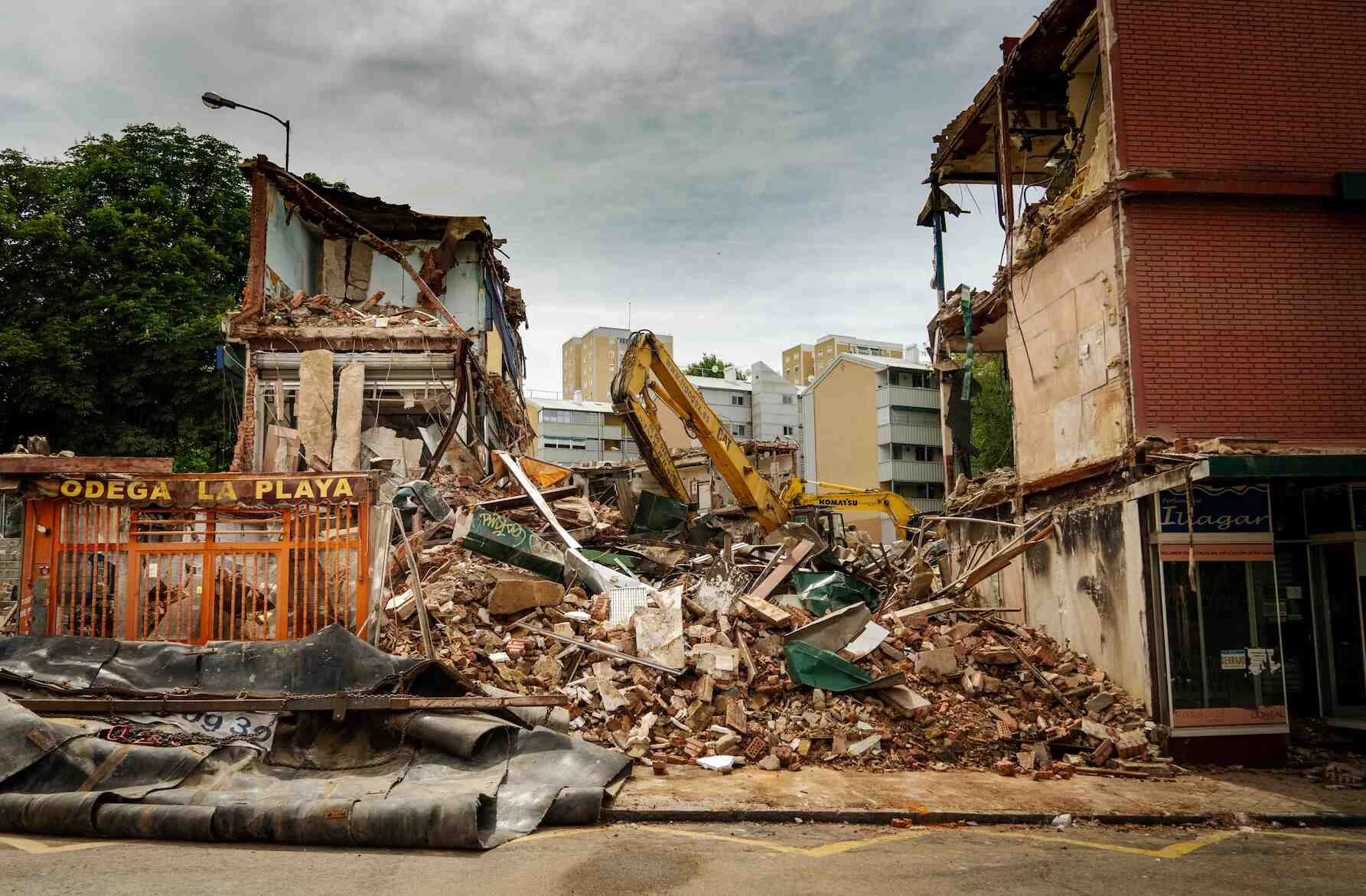
In an ever-changing world, where urbanization and development continue to reshape our cities, it"s crucial to strike a balance between progress and preservation. The demolition of old structures, whether for safety concerns or to make way for new development, can pose a significant threat to our historical treasures. In this blog post, we"ll delve into the importance of safeguarding historical elements during demolition and explore some effective strategies to ensure our past doesn"t crumble away.
Why Preserve Historical Elements?
Historical elements in architecture are more than just bricks and mortar; they are time capsules, whispering tales of the past to anyone who listens. These elements connect us to our ancestors, reminding us of their struggles, triumphs, and unique architectural styles. There are several compelling reasons why we should prioritize the preservation of historical elements during demolition.
1. Cultural Heritage
Our cultural heritage is an integral part of our identity. It shapes our values, traditions, and understanding of the world. By preserving historical elements, we respect and celebrate our cultural heritage, passing it on to future generations.
2. Education
Historical elements provide valuable lessons. They serve as tangible records of the past, offering insights into the architectural, engineering, and artistic techniques of different time periods. They enable us to learn from the past"s successes and failures.
3. Aesthetic Value
Historical elements often possess unique and intricate designs that are difficult to replicate today. They add character and charm to our surroundings, making our cities more beautiful and interesting.
4. Tourism and Economy
Historical preservation can boost tourism and local economies. Tourists are drawn to cities with well-preserved historical sites, and this can provide a significant economic boost to the area.
5. Environmental Considerations
Demolishing old structures and replacing them with new ones consumes vast amounts of resources and energy. Preserving historical elements reduces the need for such destruction, contributing to a more sustainable future.
Challenges in Safeguarding Historical Elements
While the importance of preserving historical elements is evident, it"s not always a straightforward task. Many challenges can make the preservation of these elements during demolition a complex endeavor.
1. Budget Constraints
Preservation efforts often require substantial financial investments. Balancing the costs of demolition with those of preserving historical elements can be a real challenge, especially for municipalities with limited budgets.
2. Technological Barriers
Modern demolition techniques are highly efficient but can be incredibly destructive to historical elements. Finding ways to incorporate technology that is sensitive to preservation efforts is vital.
3. Legal and Regulatory Hurdles
Navigating the labyrinth of laws and regulations surrounding historical preservation can be daunting. Many cities have strict ordinances in place, but these are not always comprehensive or well-enforced.
4. Public Apathy
Lack of awareness and appreciation for historical elements can lead to public apathy, making it harder to garner support for preservation initiatives.
5. Unforeseen Challenges
Older structures may contain hazardous materials like asbestos or lead-based paint, making preservation more complex. It"s essential to address these issues while safeguarding historical elements.
Strategies for Safeguarding Historical Elements
Overcoming these challenges requires a combination of creativity, determination, and collaboration among stakeholders. Here are some effective strategies to safeguard historical elements during demolition:
1. Comprehensive Planning
A well-thought-out plan is the backbone of any successful preservation effort. It should address budget constraints, technological solutions, legal considerations, and public engagement. Preservation experts and historians can play a crucial role in this planning process.
2. Public Awareness
Educating the public about the historical significance of a building can garner support for preservation efforts. Engage the community through outreach programs, public meetings, and social media campaigns to raise awareness.
3. Collaboration with Experts
Working with architects, engineers, and contractors experienced in historical preservation can ensure that the demolition process is carried out with the utmost care and sensitivity.
4. Salvage and Repurpose
Whenever possible, salvage historical elements and incorporate them into new designs. This not only preserves the past but also adds character and authenticity to modern structures.
5. Adaptive Reuse
Explore opportunities for adaptive reuse, where old structures are repurposed for new functions while preserving their historical elements. This can be a win-win for historical preservation and modern development.
6. Legal Protections
Advocate for and enforce robust legal protections for historical structures. Ensure that historical preservation ordinances are in place and regularly updated to address emerging challenges.
7. Funding Sources
Look for grants, tax incentives, and partnerships with private organizations willing to invest in historical preservation efforts. A well-funded project is more likely to succeed.
8. Technology Integration
Incorporate cutting-edge technologies such as 3D laser scanning, which can capture the exact dimensions and details of historical elements for future reference.
9. Public-Private Partnerships
Collaborate with private entities that have a stake in historical preservation, such as real estate developers with a focus on heritage properties.
10. Periodic Maintenance
Implement regular maintenance schedules for historical elements, ensuring that they are protected from the elements and the passage of time.
Case Studies in Successful Preservation
To illustrate the effectiveness of these strategies, let"s look at some inspiring case studies where historical elements were successfully safeguarded during demolition.
The High Line, New York City
The High Line, an abandoned elevated railway track in New York City, was slated for demolition. However, a group of activists rallied to preserve it, transforming it into a beautiful park that retained its historical elements while also becoming a thriving urban space.
The Eiffel Tower, Paris
When the Eiffel Tower was built for the 1889 World"s Fair, it was considered temporary and slated for demolition. However, its iconic design and public support saved it from destruction, and it now stands as one of the world"s most recognizable landmarks.
The Royal Ontario Museum, Toronto
The Royal Ontario Museum undertook a significant renovation project that integrated modern elements with the historic facade, preserving the old while welcoming the new.
The Path Forward
Safeguarding historical elements during demolition is a testament to our commitment to preserving our cultural heritage and educating future generations. It"s a complex task that requires dedication, resources, and collaboration, but the rewards are immeasurable. By striking a balance between the demands of the present and the preservation of the past, we can ensure that our history continues to inspire and enrich our lives for generations to come.
In our ever-evolving world, safeguarding historical elements is not just an option; it"s a moral obligation. It"s a promise to our ancestors and a gift to our descendants. Let"s work together to ensure that our past remains intact, standing as a testament to the enduring spirit of humanity.
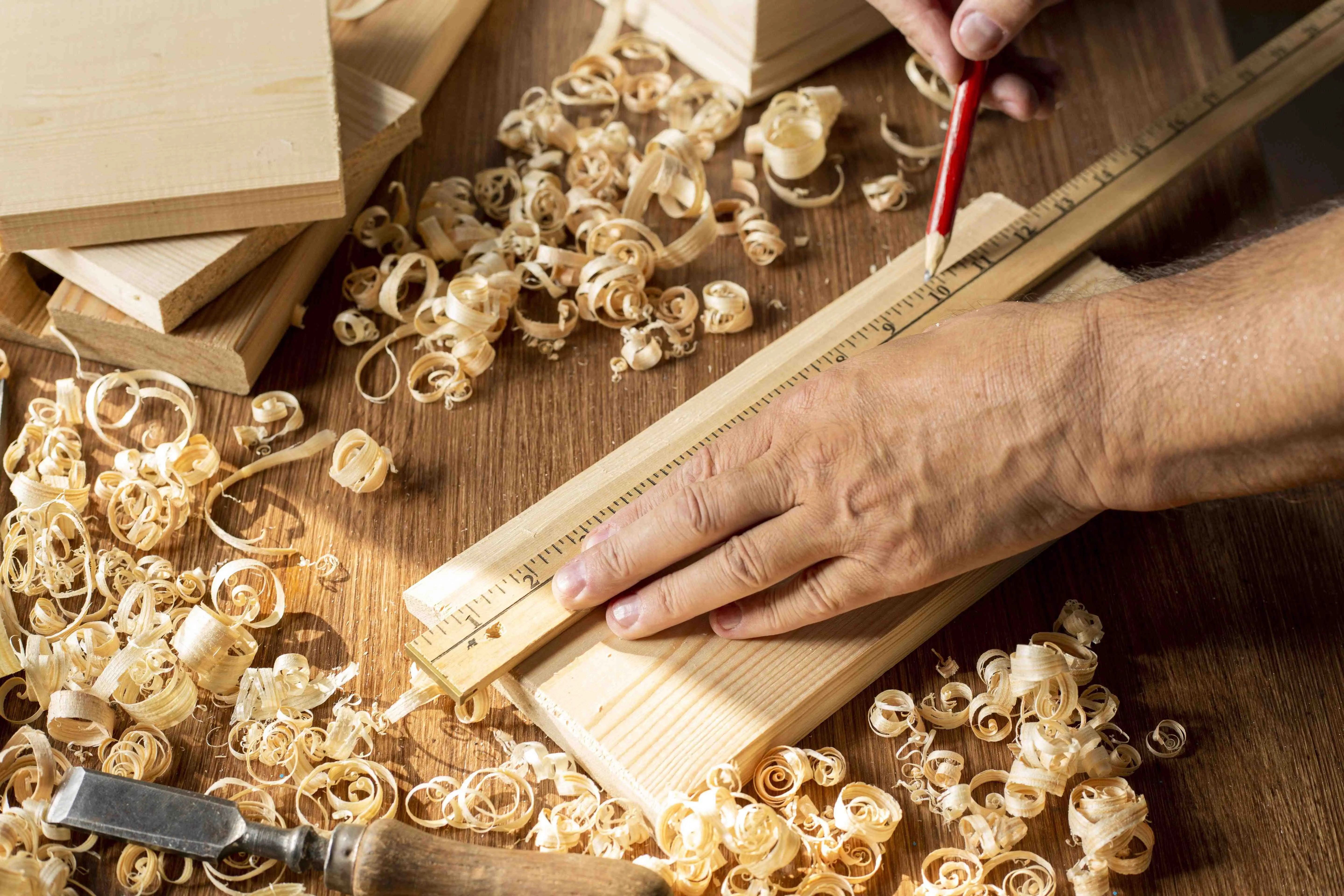
Introduction: In carpentry, time is money, and workflow is the pulse that keeps the business alive. Yet, many carpenters need help with a disjointed workflow, stifling efficiency and sapping the joy o...
.webp)
Introduction: Carpentry more than just a trade, is an art form. The journey to mastery involves constantly honing one"s skills, a voyage where every chisel stroke and nail-driven shapes not just ...
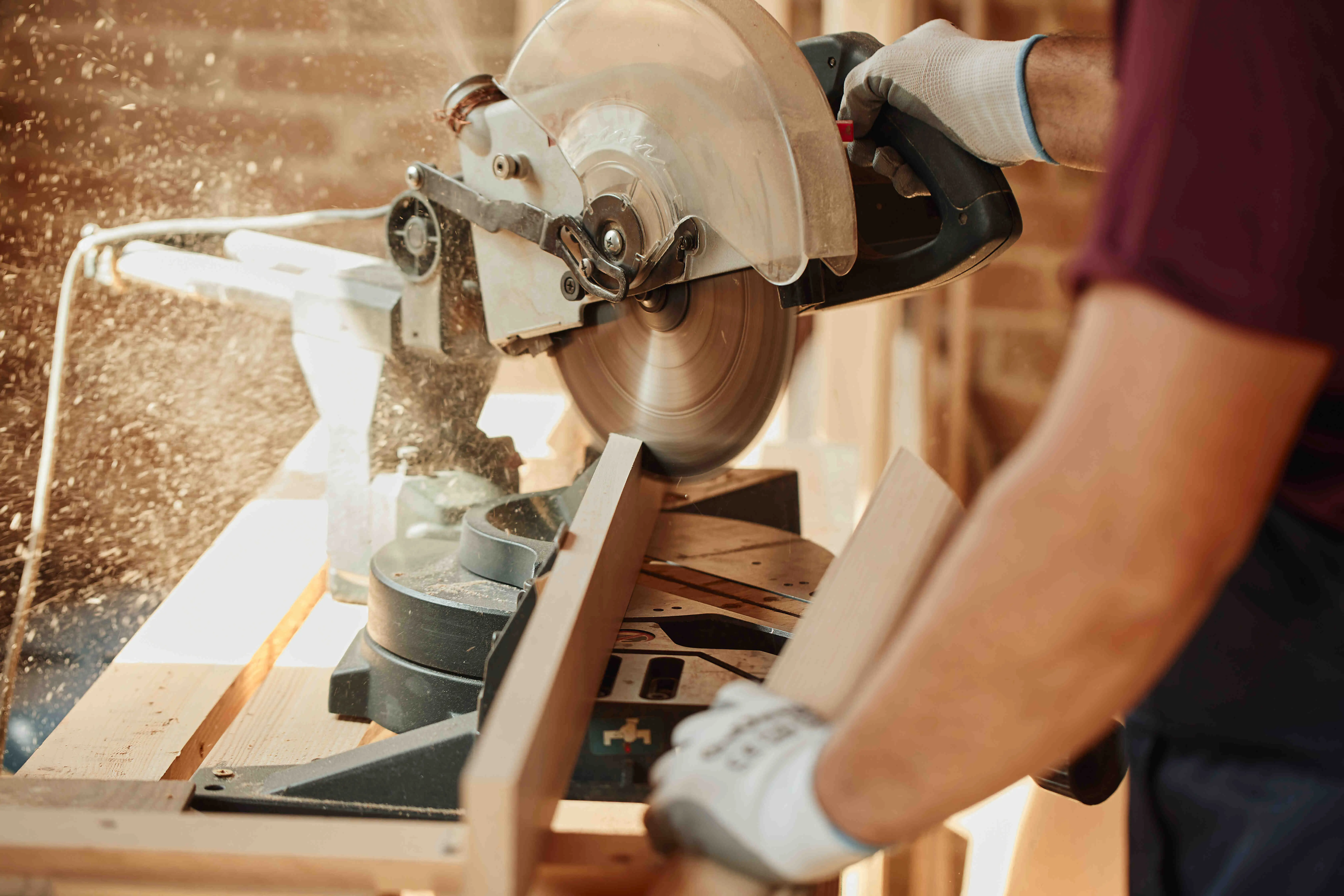
In the world of woodworking, every piece of timber tells a story - a tale of craftsmanship, dedication, and wisdom. For aspiring woodworkers and seasoned artisans alike, this blog is a collection of T...

In the world of woodworking, every piece crafted is a note in the symphony of a carpenter"s career. Yet, to compose a melodious tune, one must prioritize the conductor - their health and longevity. Th...
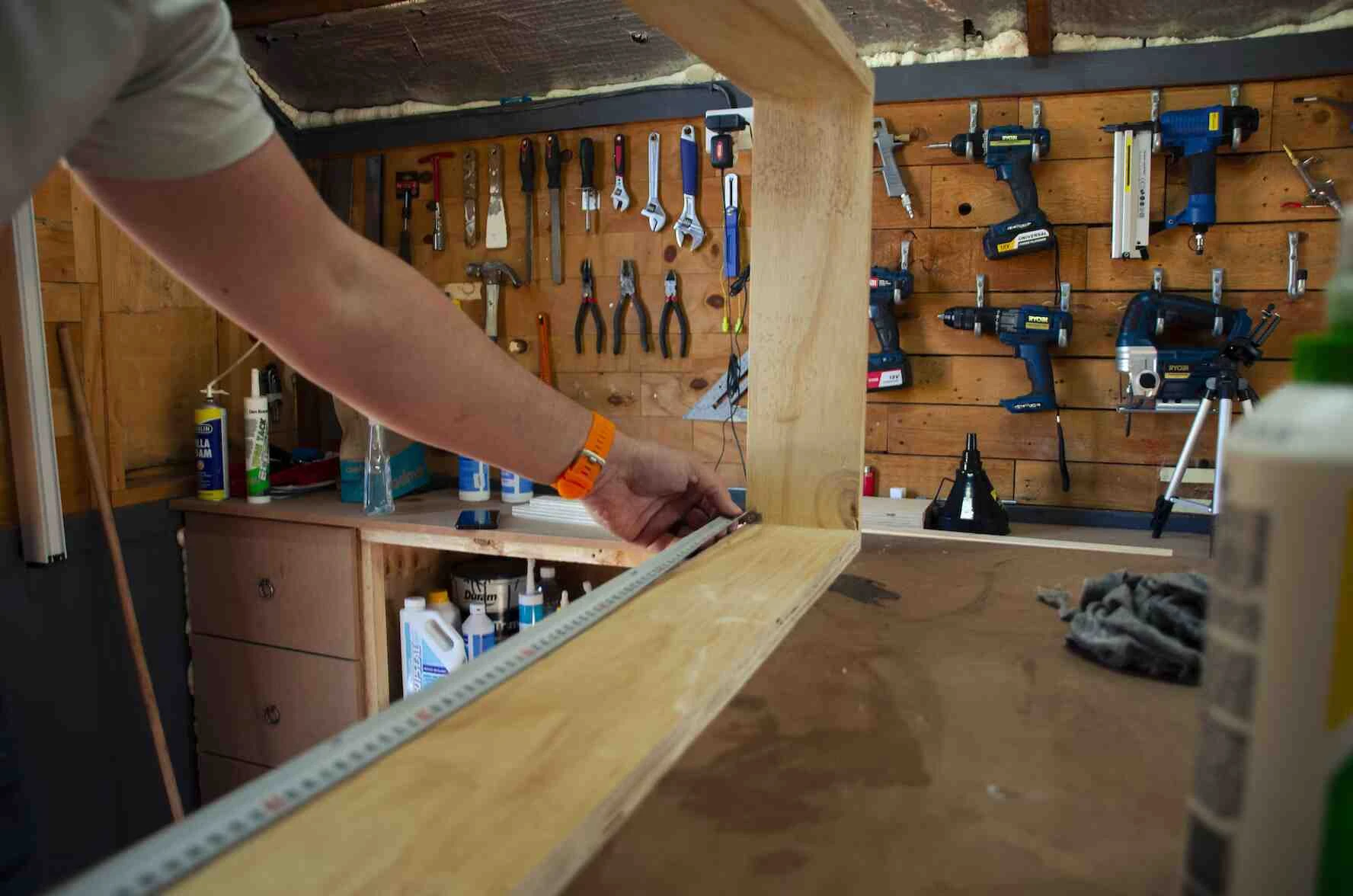
In carpentry, precision isn"t just about chiselling wood; it"s about chiselling a successful business. Financial stability and growth are the building blocks of a carpentry enterprise. Welcome to "Cra...

In the world of woodworking, creating something beautiful is not just an art—it"s a responsibility. A responsibility towards the craft, the client, and most importantly, the safety and well-bein...
Sign up to start winning an unlimited amount of jobs near you.


 Electrician
Gas Engineer
Electrician
Gas Engineer


Send more enquiries and explore your options
Increasing the number of potentials leads for you!
Have more control and flexibility over your finances!