



1. Understanding Paving Project Risks
Before embarking on a paving project, it’s crucial to identify and understand the various risks involved. These risks can include:
a. Weather-related risks: Weather conditions can significantly impact paving projects, especially in regions with unpredictable weather patterns.
b. Material quality and supply: The quality of asphalt and materials, as well as their availability, can affect the project’s outcome.
c. Subsurface issues: Unforeseen issues with the subsurface, such as poor soil quality or utility line conflicts, can lead to delays and added costs.
d. Regulatory compliance: Failing to meet local, state, or federal regulations can result in costly fines and legal issues.
e. Safety hazards: Accidents and safety violations can halt work and negatively impact a project’s timeline and budget.
2. Risk Assessment and Analysis
Once you’ve identified potential risks, conduct a thorough risk assessment and analysis. This involves:
a. Identifying the likelihood of each risk occurring.
b. Determining the potential impact of each risk on the project’s scope, schedule, and budget.
c. Prioritizing risks based on their potential consequences and probability.
3. Risk Mitigation Strategies
After assessing risks, it’s crucial to implement risk mitigation strategies to minimize their impact. Some strategies include:
a. Contingency plans: Develop contingency plans that outline how to address specific risks when they materialize, including alternative project schedules and budgets.
b. Quality control: Implement rigorous quality control measures to ensure that materials meet required standards and that the work is done to specifications.
c. Contractual agreements: Clearly define roles, responsibilities, and expectations in contracts with suppliers, subcontractors, and other project stakeholders.
d. Safety protocols: Establish and enforce strict safety protocols to prevent accidents and ensure compliance with safety regulations.
e. Environmental impact assessments: Evaluate the environmental impact of the project and ensure compliance with local regulations to avoid potential environmental risks.
4. Monitoring and Reporting
Effective risk management requires continuous monitoring and reporting throughout the project’s lifecycle. Regularly assess the project’s progress, identify potential new risks, and adapt your risk mitigation strategies accordingly.
5. Insurance and Bonds
Consider obtaining appropriate insurance coverage, such as construction liability insurance and performance bonds, to protect against unforeseen financial risks.
6. Legal and Regulatory Compliance
Stay well-informed about local, state, and federal regulations related to paving projects. Failure to comply with these regulations can lead to legal issues and project delays.
7. Communication
Open and transparent communication among project stakeholders is essential. Regularly update your team, subcontractors, clients, and relevant authorities on the project’s progress and any changes that may impact the project.
Conclusion
Risk management is a critical aspect of any paving project, regardless of its size or complexity. By identifying, assessing, and mitigating potential risks, you can increase the likelihood of a successful project that is completed on time, within budget, and to the satisfaction of your clients. Remember that risk management is an ongoing process, and flexibility in adapting to changing circumstances is key to successful risk mitigation in paving projects.

In the dynamic world of architecture, where creativity meets functionality, architects often find themselves at the intersection of artistic vision and practical necessity. Yet, in this complex dance ...

In the world of architecture, the delicate dance between creativity and budget constraints is a constant challenge. Clients often come with grand design visions, while architects must ensure that thes...

In the dynamic and highly competitive world of architecture, successful marketing strategies are essential to stand out in the crowd, attract potential clients, and grow architectural businesses. From...

Sustainable architecture stands at the forefront of modern building design, championing environmental responsibility, resource efficiency, and a harmonious coexistence with nature. In a world facing p...

Negotiating contracts and agreements between architects and clients is a crucial aspect of any architectural project. These documents outline the scope of work, responsibilities, and expectations, set...
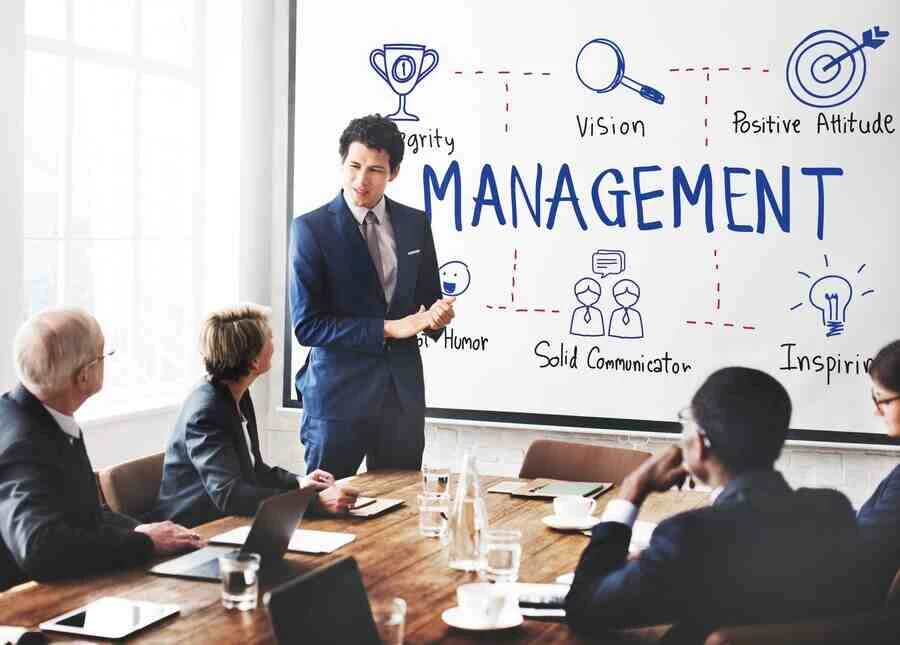
In the fast-paced world of architecture, effective project management is essential for delivering successful projects on time and within budget. With the increasing complexity of architectural...
Sign up to start winning an unlimited amount of jobs near you.


 Electrician
Gas Engineer
Electrician
Gas Engineer


Send more enquiries and explore your options
Increasing the number of potentials leads for you!
Have more control and flexibility over your finances!