



Parametric Design: A Paradigm Shift in Creativity
Parametric design represents a radical departure from traditional architectural methods. It is a design approach that leverages algorithms and mathematical equations to generate and manipulate complex forms and structures. Instead of manually creating every design element, architects use parametric software to define parameters and relationships, allowing for dynamic, data-driven design.
Key Principles of Parametric Design:
Algorithmic Thinking: Architects think in terms of algorithms, creating rules and relationships that guide the generation of design variations.
Generative Modeling: Parametric software generates design options based on the defined parameters, enabling architects to explore countless possibilities rapidly.
Flexibility and Adaptability: Parametric models are highly adaptable, allowing architects to adjust and refine designs easily as project requirements evolve.
Performance Optimization: Parametric design enables architects to optimize designs for various factors, such as energy efficiency, structural integrity, and aesthetic appeal.
Real-World Applications of Parametric Design:
Zaha Hadid"s Heydar Aliyev Center: This iconic building in Baku, Azerbaijan, showcases the fluid, sculptural forms made possible by parametric design. Its curvilinear shapes challenge traditional notions of architectural geometry.
Foster + Partners" Apple Campus 2: The campus"s circular design, often referred to as the "spaceship," was made feasible through parametric modeling, allowing for precision in shaping the massive structure.
Arup"s Parametric Façade System: Arup, a renowned engineering firm, has developed parametric façade systems that adapt to changing weather conditions, optimizing natural light and energy efficiency.
Digital Fabrication: Precision and Efficiency in Construction
Digital fabrication is the next logical step in the evolution of architectural design. It involves the use of advanced machinery and computer-controlled processes to create building components with unmatched precision. This technology enables architects to translate their parametric designs into physical structures efficiently and accurately.
Key Principles of Digital Fabrication:
Computer Numerical Control (CNC): CNC machines precisely cut, mill, and shape materials according to digital design files, eliminating human error and ensuring precision.
3D Printing: 3D printing technology allows architects to create complex, customized components and even entire structures layer by layer.
Robotics: Robotics plays a pivotal role in assembling, welding, and manipulating building elements with a high degree of accuracy.
Material Efficiency: Digital fabrication minimizes waste by optimizing material usage, reducing costs, and environmental impact.
Real-World Applications of Digital Fabrication:
MX3D"s 3D-Printed Bridge, Amsterdam: MX3D, a Dutch robotics company, used 3D printing to create a pedestrian bridge across a canal in Amsterdam. The bridge"s organic design was made possible through digital fabrication, demonstrating the technology"s potential for unconventional structures.
ETH Zurich"s DFAB House: The DFAB House, located in Switzerland, showcases the capabilities of digital fabrication in construction. It features 3D-printed concrete walls, robotic timber assembly, and an innovative, parametrically designed façade.
The Synergy of Parametric Design and Digital Fabrication:
The true potential of these technologies emerges when parametric design and digital fabrication work in tandem. Together, they form a powerful creative and construction partnership:
1. Design Freedom: Parametric design allows architects to explore complex, intricate forms that were previously difficult to realize, while digital fabrication ensures precision in bringing these designs to life.
2. Customization: Digital fabrication enables mass customization, where individual building components can be tailored to specific requirements while still maintaining efficiency.
3. Sustainability: The integration of parametric design and digital fabrication can lead to more sustainable construction practices, with optimized material usage and reduced waste.
4. Cost and Time Efficiency: Digital fabrication streamlines the construction process, reducing labor costs and construction time.
Challenges and Considerations:
Despite their immense potential, parametric design and digital fabrication present challenges:
1. Skill and Knowledge: Architects and builders need to develop expertise in parametric software and digital fabrication technology.
2. Cost: Initial investments in software, machinery, and training can be substantial.
3. Integration: These technologies must seamlessly integrate with traditional construction methods and regulations.
4. Accessibility: Widespread adoption may be limited by accessibility to advanced equipment and software.
Conclusion: Building the Future of Architecture
Parametric design and digital fabrication are revolutionizing the field of architecture, ushering in a new era of creativity, precision, and efficiency. Architects are no longer constrained by traditional design limitations, and construction is becoming more sustainable and cost-effective.
As these trends continue to evolve and become more accessible, we can expect to see even more innovative and breathtaking architectural marvels that challenge our understanding of what is possible in the built environment. The synergy of parametric design and digital fabrication promises to shape the future of architecture in profound and exciting ways, pushing the boundaries of human creativity and engineering excellence.
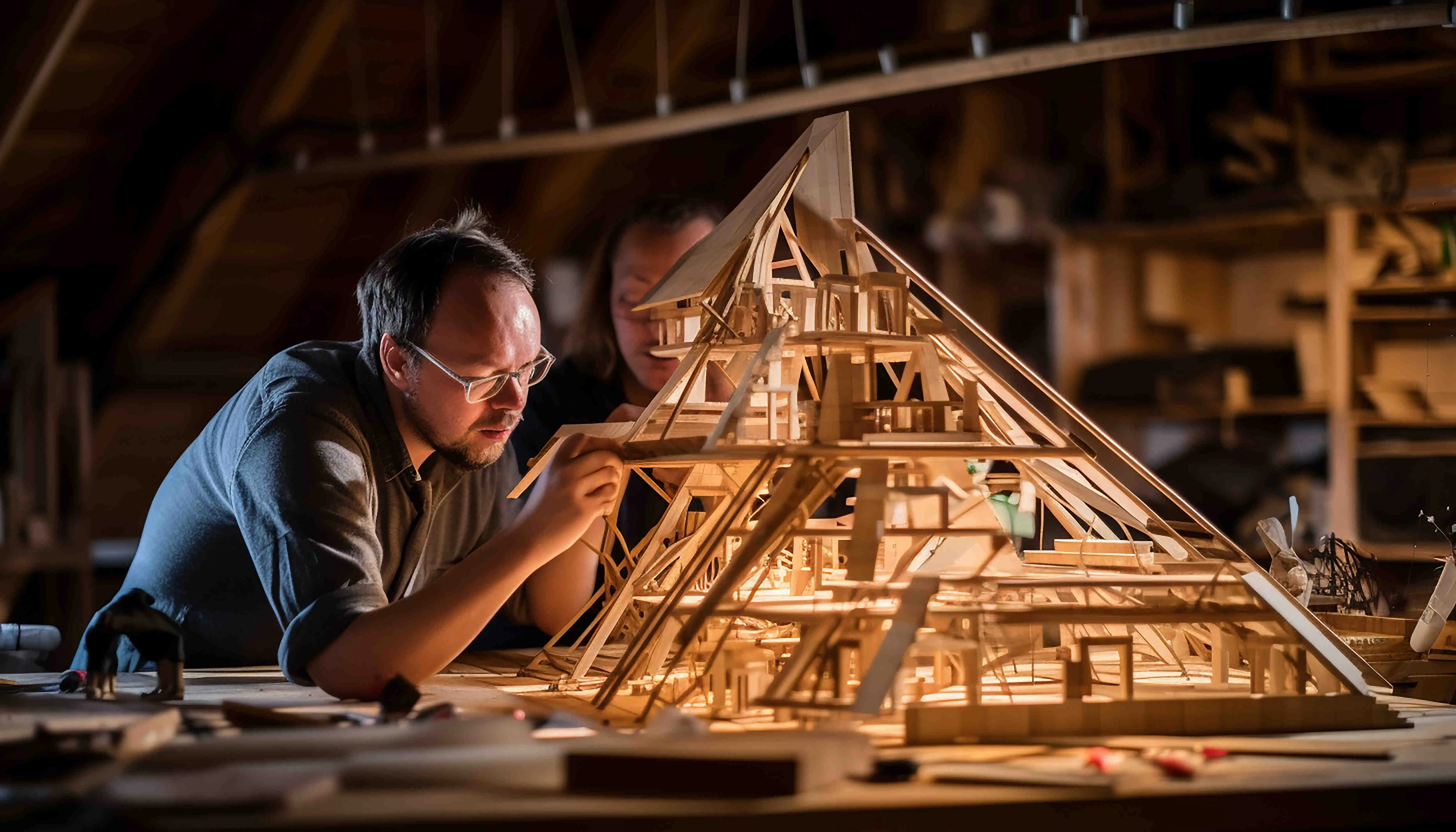
The world of carpentry is buzzing with innovations, trends, and transformative technologies. For carpenters, keeping up with these changes isn"t just about staying ahead in the game; it"s about ensuri...
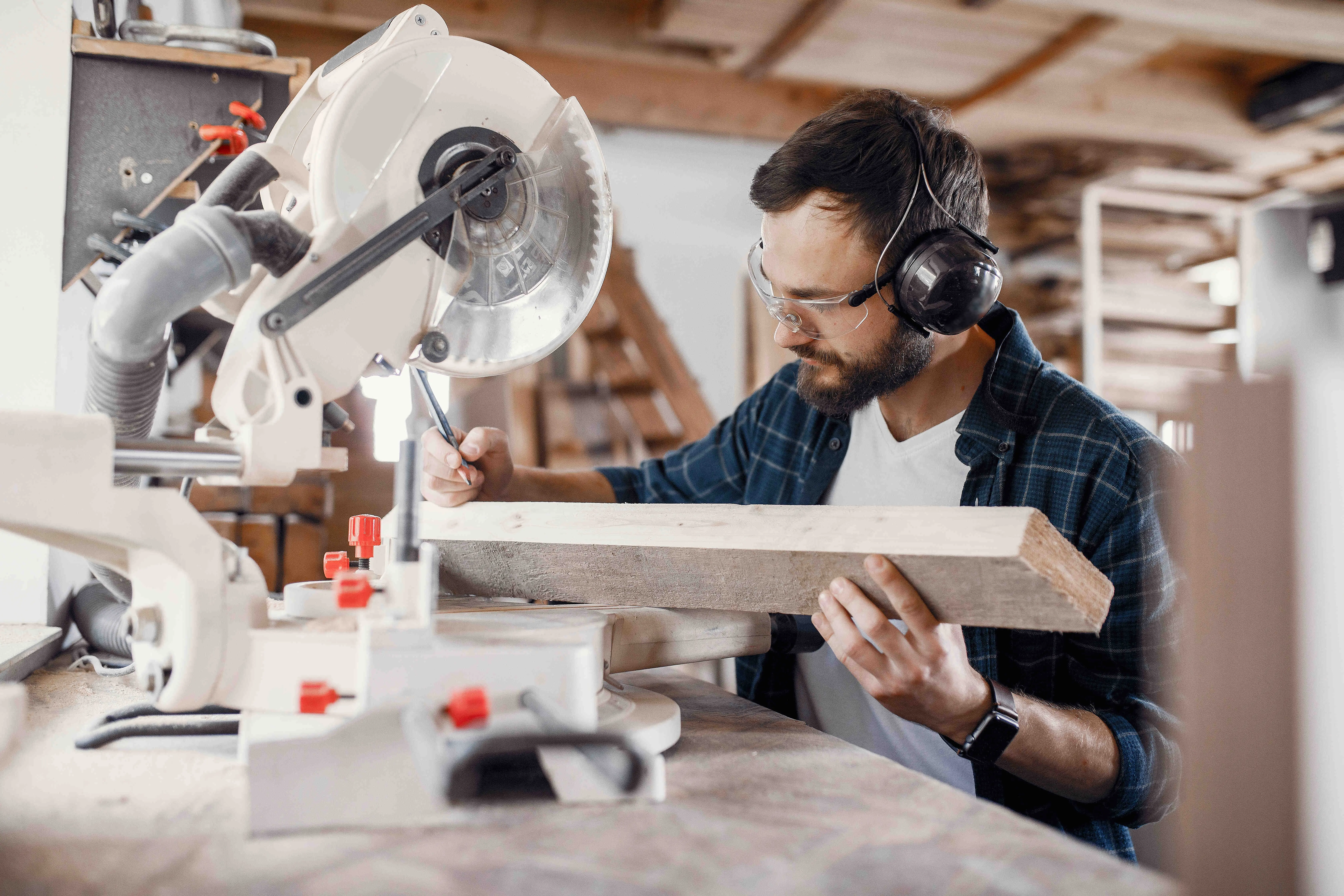
In an era where technology weaves through every facet of our lives, the carpentry profession is no exception to its transformative power. Welcome to "Carpentry Chronicles," a blog series dedicated to ...

Welcome to "Carpentry Chronicles," a blog series dedicated to navigating the ever-evolving landscape of carpentry. In this edition, we dive into a trend reshaping the carpentry domain—customizat...
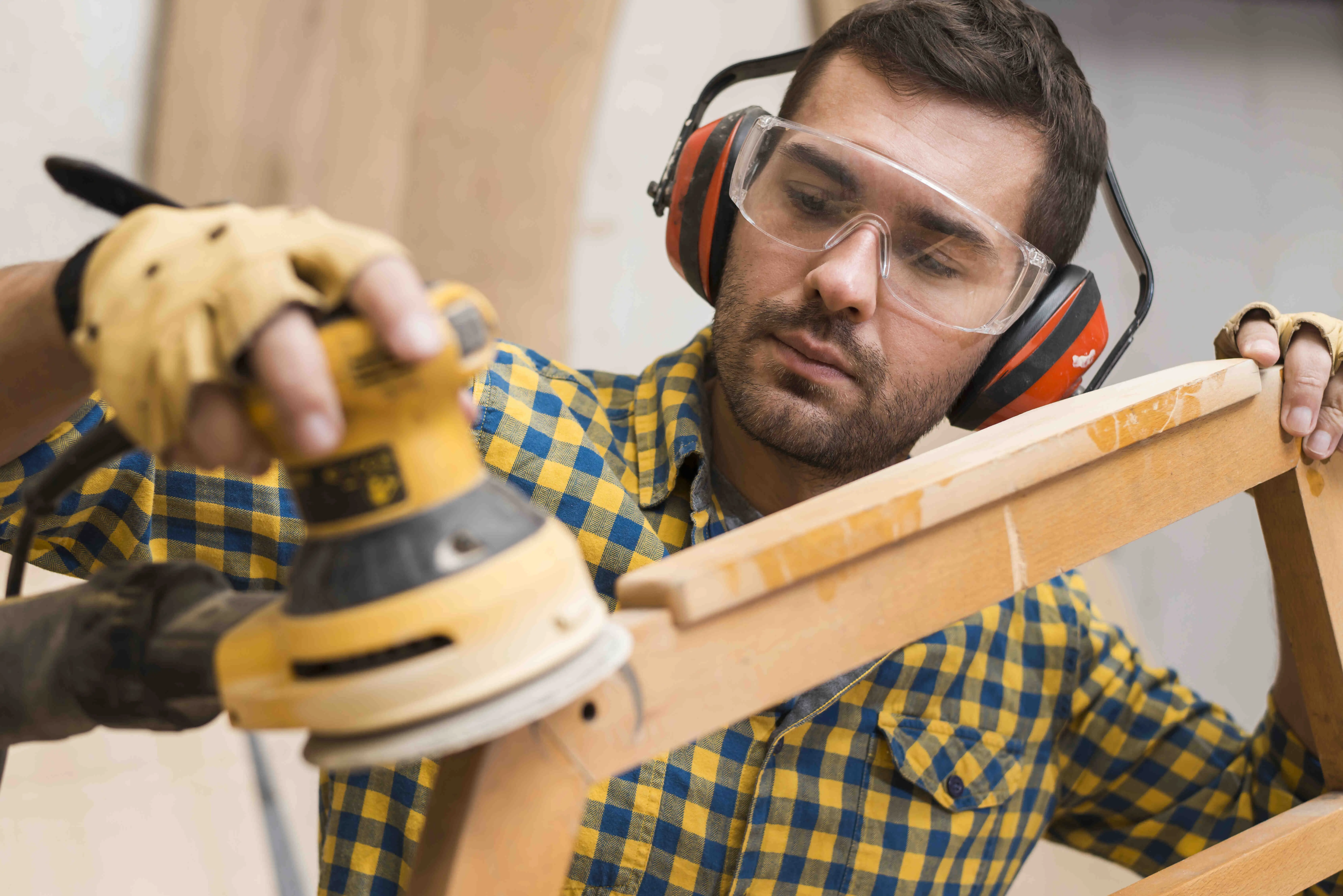
In the bustling world of carpentry, safety isn"t just a precaution; it"s a fundamental necessity. Welcome to "Carpentry Chronicles," a blog series committed to navigating the ever-evolving landscape o...
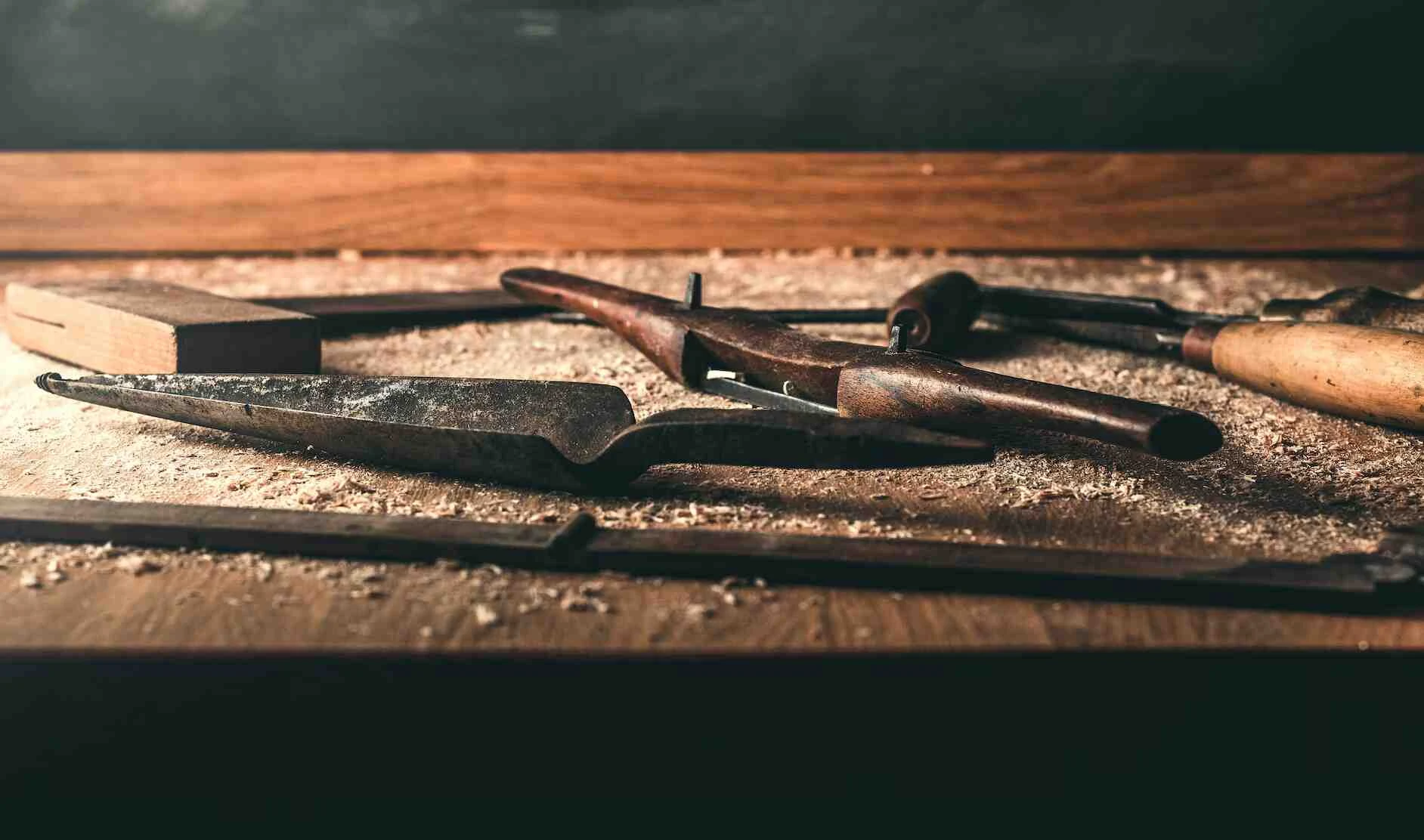
In carpentry, where wood meets creativity, mastery is not just a goal; it"s a journey. Welcome to "Carpentry Chronicles," a blog series that peels back the layers of carpentry to reveal the artistry a...
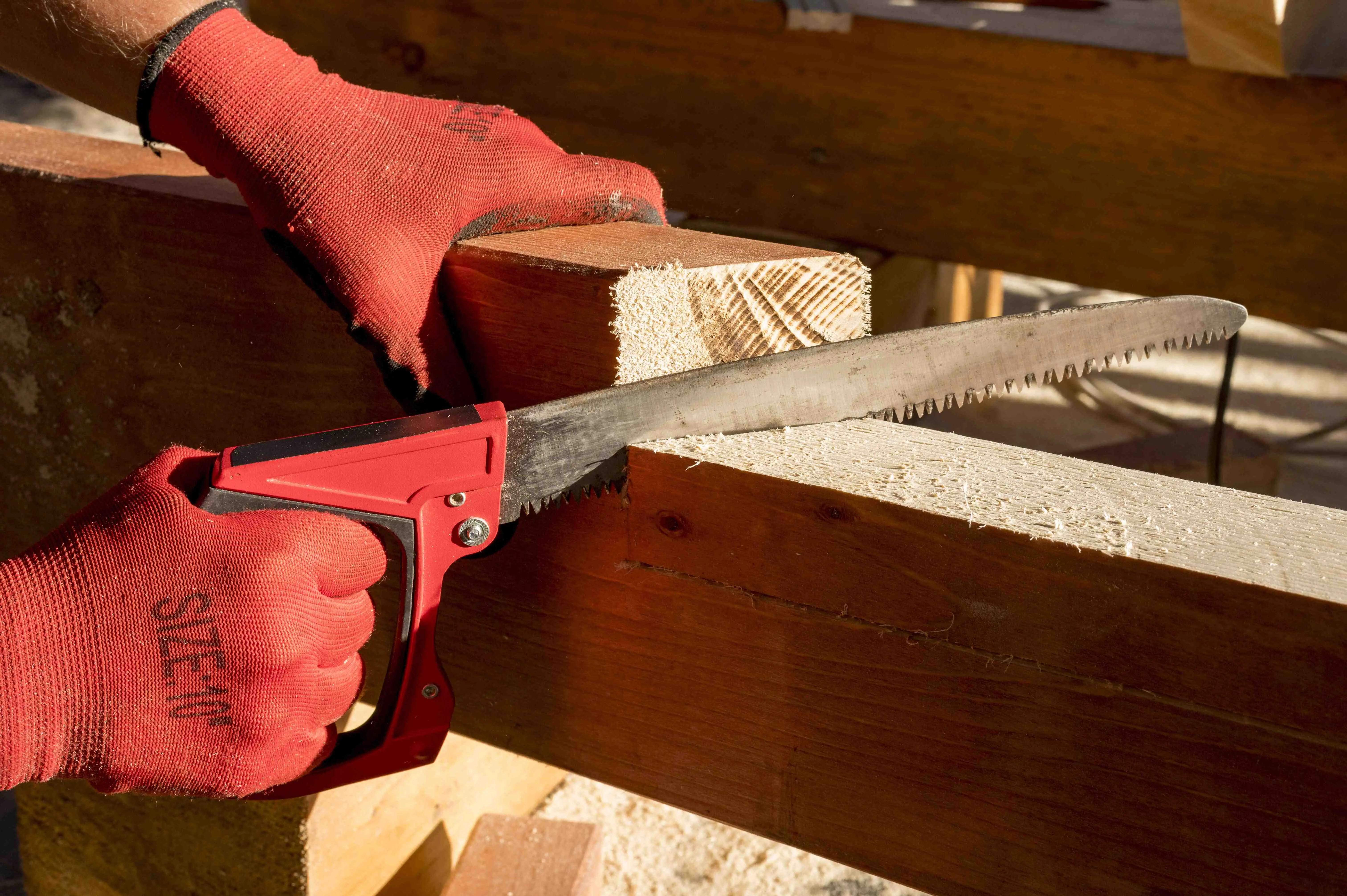
In the ever-evolving design landscape, where trends come and go, one element stands timeless—wood. Welcome to "Carpentry Chronicles," a blog series committed to navigating the dynamic world of c...
Sign up to start winning an unlimited amount of jobs near you.


 Electrician
Gas Engineer
Electrician
Gas Engineer


Send more enquiries and explore your options
Increasing the number of potentials leads for you!
Have more control and flexibility over your finances!