



I. Purpose and Functionality
Residential Flooring:
Residential spaces are primarily designed for comfort, aesthetics, and personal style. Therefore, residential flooring materials tend to prioritize visual appeal and underfoot comfort. Options like hardwood, carpet, and luxury vinyl are popular choices for homes due to their warmth and elegance.
Commercial Flooring:
Commercial spaces, on the other hand, are designed with functionality and durability in mind. The primary purpose is to withstand heavy foot traffic, frequent cleaning, and the potential for spills and stains. Materials like ceramic tile, concrete, and commercial-grade carpet are often chosen for their resilience.
II. Durability and Maintenance
Residential Flooring:
In a typical home, flooring may need to withstand the daily activities of a family. While durability is essential, it"s often not as critical as in commercial spaces. Residential flooring can have a shorter lifespan if not adequately maintained. However, regular cleaning and maintenance can prolong the life of residential flooring materials.
Commercial Flooring:
Commercial flooring must withstand much harsher conditions. Whether it"s an office building, retail store, or restaurant, the volume of foot traffic is significantly higher. Therefore, commercial flooring materials are designed to be more durable and easier to maintain. They often have protective coatings and are resistant to stains, scratches, and wear and tear.
III. Material Options
Residential Flooring:
Hardwood: A timeless choice for homes, hardwood flooring adds warmth and elegance. It"s durable but may require refinishing over time.
Carpet: Provides comfort and insulation but may not be the best choice for high-traffic areas.
Luxury Vinyl: Offers a wide range of styles and is highly resilient against stains and scratches.
Tile: Popular in kitchens and bathrooms, ceramic and porcelain tiles provide durability and easy cleaning.
Commercial Flooring:
Vinyl Composite Tile (VCT): A cost-effective choice for commercial spaces, VCT is durable and can handle heavy foot traffic.
Concrete: Highly durable and versatile, polished concrete is an excellent option for modern commercial designs.
Commercial Carpet: Designed for high-traffic areas, commercial-grade carpet is stain-resistant and durable.
Epoxy Flooring: Ideal for industrial and healthcare settings, epoxy flooring is extremely durable and easy to clean.
IV. Installation Complexity
Residential Flooring:
Installing residential flooring typically involves less complexity and time compared to commercial projects. Residential spaces are often smaller and have fewer obstacles to work around. This can result in a quicker installation process, reducing inconvenience for homeowners.
Commercial Flooring:
Commercial flooring installations are more complex due to larger spaces, unique design requirements, and the need to consider safety regulations. Installation teams may need to work around existing structures, equipment, or machinery, which can prolong the process and require meticulous planning.
V. Budget Considerations
Residential Flooring:
The budget for residential flooring projects is often more flexible, as homeowners are willing to invest in materials that match their style preferences. Costs can vary significantly depending on the chosen material and installation complexity.
Commercial Flooring:
Budget considerations for commercial flooring are typically more stringent, as businesses aim to balance quality, durability, and cost-effectiveness. Commercial projects often require a more detailed cost analysis, factoring in long-term maintenance and replacement costs.
VI. Aesthetics and Design
Residential Flooring:
Homeowners have the freedom to choose flooring materials that reflect their personal style and design preferences. As a result, residential flooring options offer a broader range of aesthetics, colors, and patterns to suit various interior designs.
Commercial Flooring:
Commercial spaces often prioritize a more neutral and professional aesthetic to appeal to a wide audience. While there are still design choices available, they are typically more subdued and focused on functionality.
Conclusion
In the residential vs. commercial flooring debate, the key differentiators come down to purpose, durability, material options, installation complexity, budget, and design considerations. Both residential and commercial flooring projects require careful planning and consideration of these factors to ensure a successful outcome.
Before embarking on any flooring project, it"s essential to assess the specific needs of the space and choose the most appropriate materials and installation methods accordingly. Whether you"re creating a cozy living room or a bustling retail store, the right flooring choice can make all the difference in the world. So, take your time, consult with experts, and make an informed decision that will serve your space for years to come.
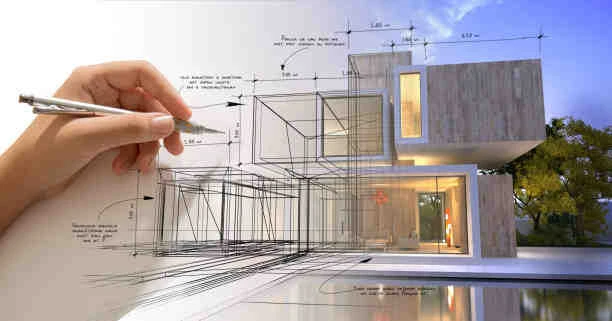
In a world often cluttered with complexity, modern minimalism in architecture stands as a testament to the beauty of simplicity. This design philosophy strips away excess ornamentation and embraces cl...

Throughout history, mankind has expressed its creativity and ambition through the construction of iconic architectural landmarks. These structures not only captivate us with their breathtaking designs...

Symmetry and balance in architectural design are principles that have been appreciated for centuries. These elements create a sense of harmony, order, and visual appeal in buildings and structures. Sy...

As the sun dips below the horizon, architectural wonders across the globe come to life, basking in the radiance of carefully designed illumination. Creative lighting design possesses the remarkable ab...

Architecture has a profound impact on our daily lives, shaping the way we interact with our surroundings and with one another. In recent years, a shift towards community-centric architecture has been ...
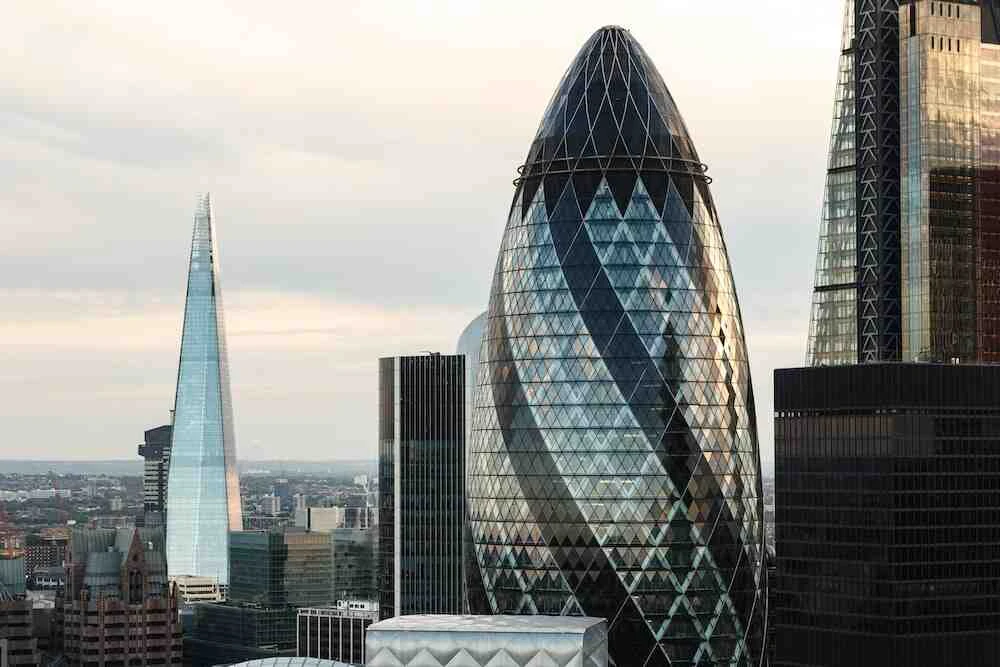
In the ever-evolving world of architecture, the materials we use play a pivotal role in shaping the built environment. Over the years, architects and designers have pushed the boundaries of convention...
Sign up to start winning an unlimited amount of jobs near you.


 Electrician
Gas Engineer
Electrician
Gas Engineer


Send more enquiries and explore your options
Increasing the number of potentials leads for you!
Have more control and flexibility over your finances!