



1. Safety First
Before you embark on replacing fascias and soffits, ensure that you prioritize safety:
- Use appropriate personal protective equipment (PPE) such as gloves, safety glasses, and a hard hat.
- Secure a stable and well-maintained ladder or scaffolding to access the work area.
- Be cautious of electrical lines and other potential hazards when working near the roof.
2. Inspection and Planning
Start by carefully inspecting the existing fascias and soffits to assess their condition. Look for signs of rot, water damage, or structural issues. Consider the following planning steps:
- Measure accurately: Determine the dimensions of the fascias and soffits to ensure you purchase the right materials.
- Select quality materials: Choose durable materials like uPVC, wood, or metal. Each material has its own pros and cons, so select the one that suits your preferences and climate.
- Plan for ventilation: Proper ventilation is crucial to prevent moisture buildup. Ensure there are vents in the soffits or design a ventilation system during the replacement process.
3. Removal of Old Materials
To remove the old fascias and soffits:
- Carefully pry or unscrew the existing material. Start from one end and work your way to the other, minimizing damage to the structure.
- Inspect for any hidden issues, such as rot in the rafter ends or hidden mold. Address these problems before installing the new materials.
4. Installation
The installation of fascias and soffits involves several crucial steps:
- Attach fascia boards: Secure the new fascia boards to the rafter ends. Use screws or nails designed for outdoor use. Ensure they are spaced appropriately for stability.
- Soffit installation: Install the soffit material into the channels formed by the fascias and roofline. Be mindful of ventilation requirements and follow best practices for ventilation placement.
- Seal properly: Use high-quality sealant to prevent water intrusion and ensure a tight seal at all joints, corners, and seams.
- Finish with paint or cladding: Depending on your material choice, you may need to paint, stain, or add cladding to protect and enhance the appearance of your fascias and soffits.
5. Maintenance
After replacement, it"s crucial to perform regular maintenance:
- Inspect annually for signs of damage or wear, especially after harsh weather conditions.
- Clean gutters and check for debris that could cause water damage to your newly installed fascias and soffits.
Conclusion
Replacing fascias and soffits is a valuable investment in your home"s structural integrity and curb appeal. By following these best practices, you can ensure a successful and long-lasting replacement. Whether you choose to tackle this project yourself or hire a professional, attention to detail, safety, and proper planning are key to achieving the desired results. A well-maintained fascia and soffit system will protect your home and maintain its aesthetic appeal for years to come.
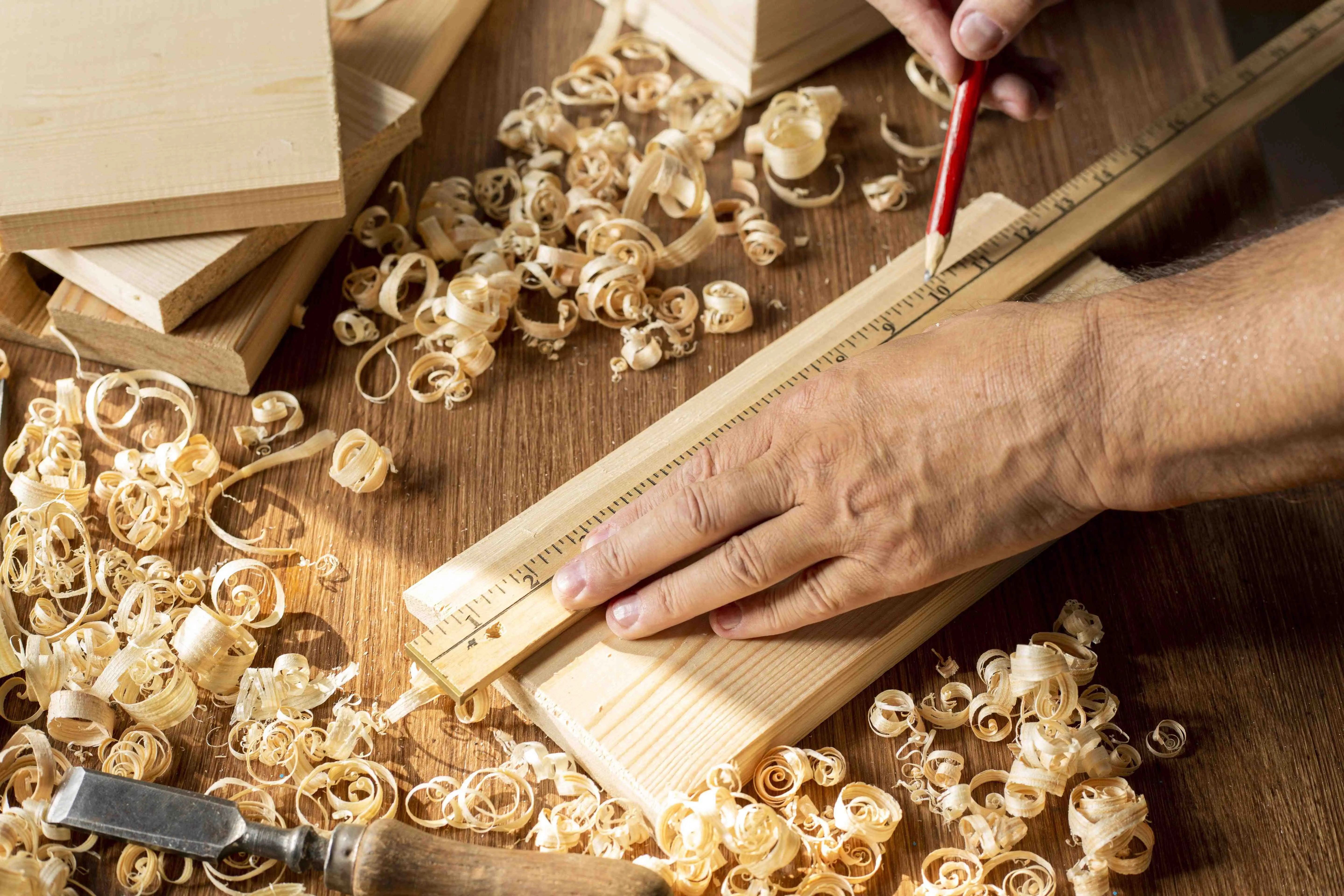
Introduction: In carpentry, time is money, and workflow is the pulse that keeps the business alive. Yet, many carpenters need help with a disjointed workflow, stifling efficiency and sapping the joy o...
.webp)
Introduction: Carpentry more than just a trade, is an art form. The journey to mastery involves constantly honing one"s skills, a voyage where every chisel stroke and nail-driven shapes not just ...
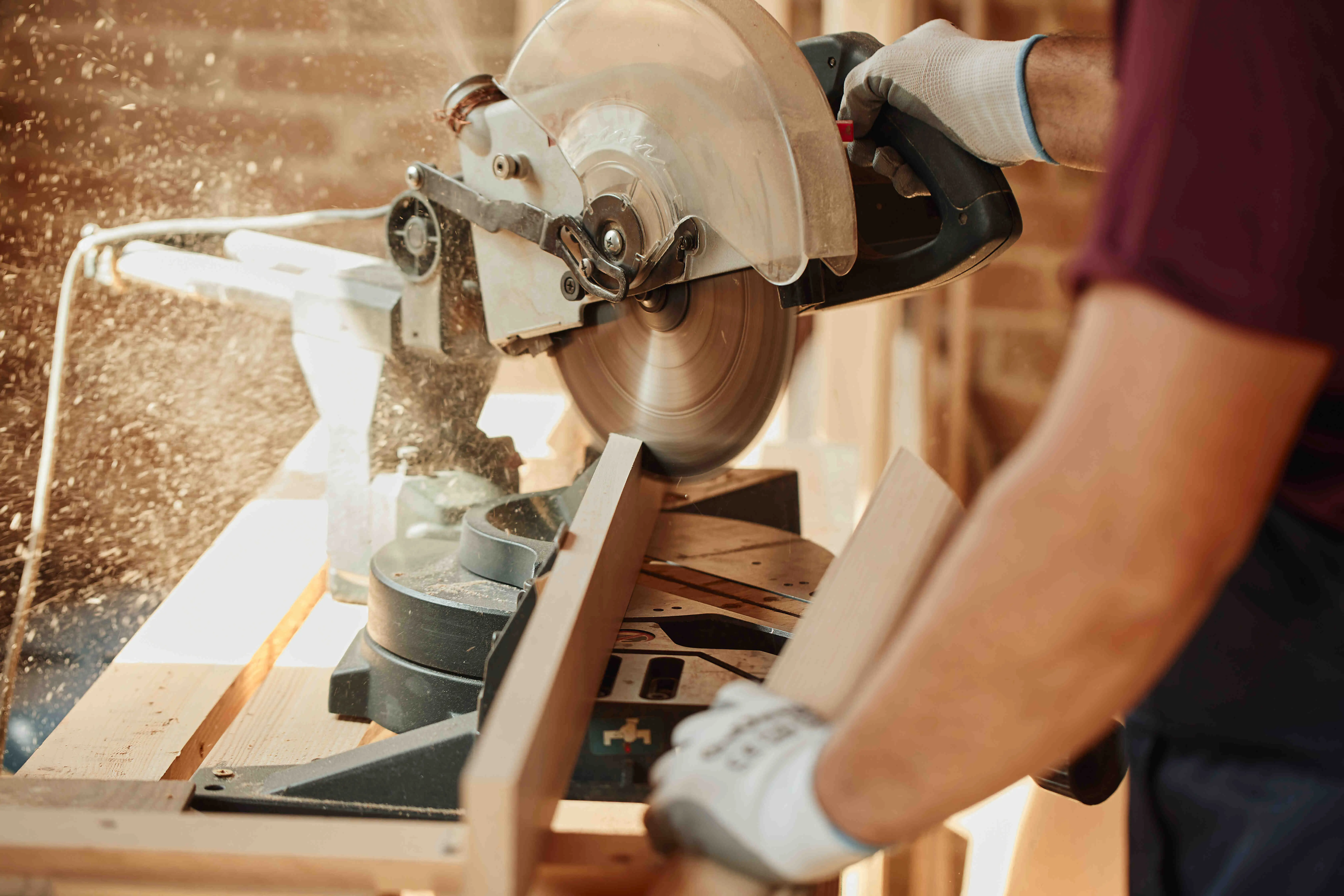
In the world of woodworking, every piece of timber tells a story - a tale of craftsmanship, dedication, and wisdom. For aspiring woodworkers and seasoned artisans alike, this blog is a collection of T...
In the world of woodworking, every piece crafted is a note in the symphony of a carpenter"s career. Yet, to compose a melodious tune, one must prioritize the conductor - their health and longevity. Th...
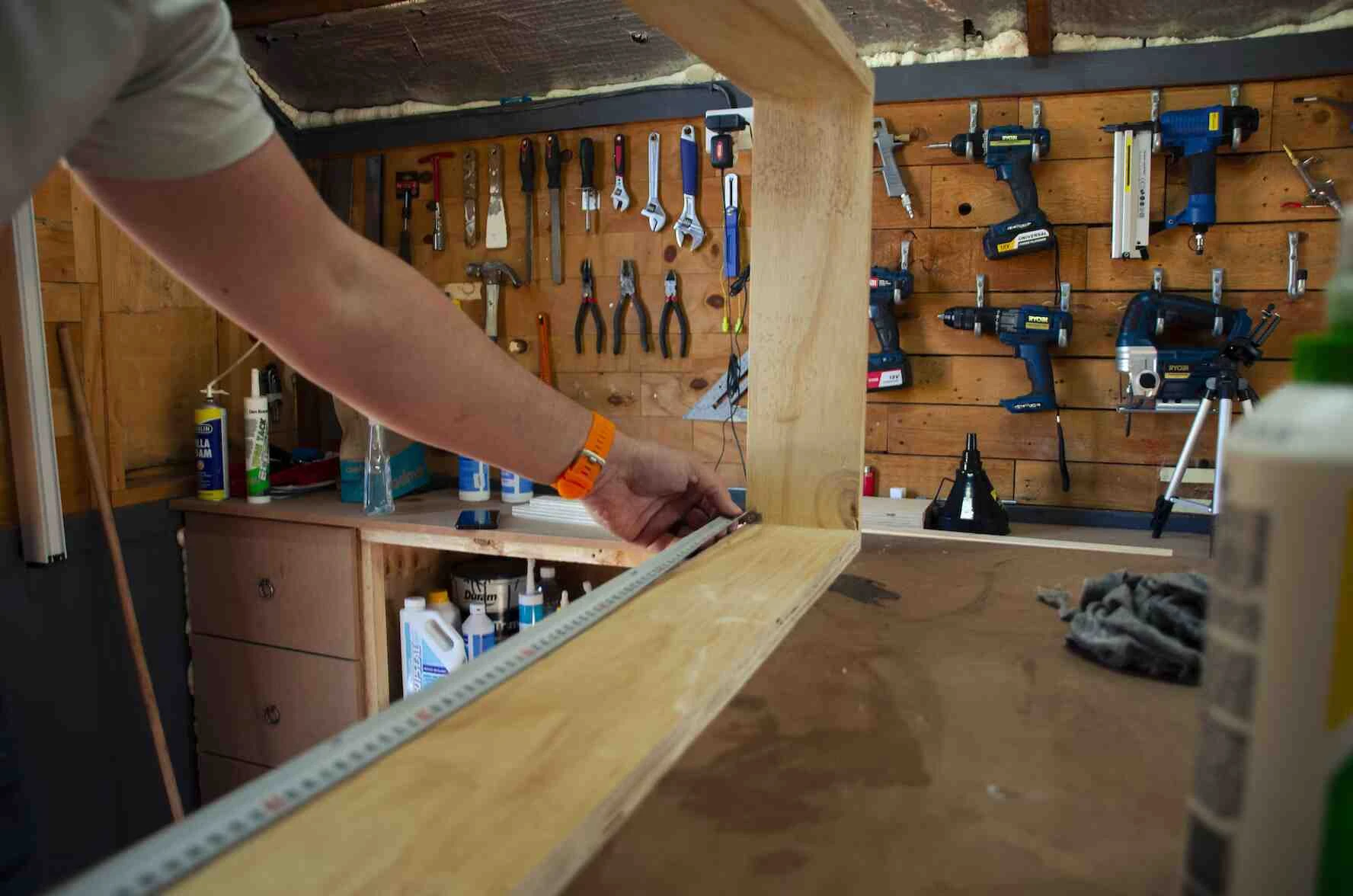
In carpentry, precision isn"t just about chiselling wood; it"s about chiselling a successful business. Financial stability and growth are the building blocks of a carpentry enterprise. Welcome to "Cra...

In the world of woodworking, creating something beautiful is not just an art—it"s a responsibility. A responsibility towards the craft, the client, and most importantly, the safety and well-bein...
Sign up to start winning an unlimited amount of jobs near you.


 Electrician
Gas Engineer
Electrician
Gas Engineer


Send more enquiries and explore your options
Increasing the number of potentials leads for you!
Have more control and flexibility over your finances!