



Painting and Rendering
One of the simplest and most effective ways to transform brickwork is by applying a coat of paint or render over it. This can create a fresh and modern look, as well as hide any defects or stains on the bricks. Painting or rendering can also change the colour scheme and mood of a building, making it more harmonious with its surroundings or creating a contrast.
For example, this brick house in Australia was renovated by painting the trims, gutters, fascias, and bargeboards in a dark grey colour, which helped to freshen and revitalize the exterior1. The front door was also painted in a bright yellow colour, creating a striking focal point and adding some warmth to the facade. The landscaping was also improved by adding some plants and a fence along the front boundary, which softened and balanced the exterior.
Another example of a brick house transformation is this one in London, which was rendered in white colour to create a minimalist and contemporary look. The rendering also helped to unify the different parts of the house, which had been extended over time. The windows were also replaced with larger ones, allowing more natural light into the interior. The result is a sleek and elegant house that stands out from its neighbours.
Corbelling and Protruding Bricks
Another way to transform brickwork is by using corbelling or protruding bricks to create patterns and textures on the facade. Corbelling is a technique where bricks are arranged in steps or projections that extend beyond the wall plane. Protruding bricks are bricks that stick out from the wall surface, creating a three-dimensional effect. Both techniques can add visual interest and depth to brickwork, as well as create shadows and highlights.
For example, this apartment building in Denmark was designed with corbelled brickwork that creates a dynamic and rhythmic facade3. The corbelling also creates balconies and terraces for the residents, as well as providing shade and privacy. The bricks are arranged in different orientations and colours, creating a variety of patterns and textures. The result is a playful and expressive building that celebrates the possibilities of brickwork.
Another example of a building with protruding bricks is this library in China, which was inspired by the traditional Chinese brick carving art4. The protruding bricks form geometric patterns that resemble Chinese characters, creating a cultural connection between the building and its context. The protruding bricks also create an interesting interplay of light and shadow on the facade, as well as allowing natural ventilation into the interior. The result is a stunning and unique building that showcases the beauty and craftsmanship of brickwork.
Brick Bonds and Patterns
A third way to transform brickwork is by using different brick bonds and patterns to create various effects on the facade. Brick bonds are the ways that bricks are laid horizontally or vertically to form a wall. Brick patterns are the ways that bricks are arranged to form shapes or motifs on the wall surface. Both bonds and patterns can influence the strength, durability, appearance, and style of brickwork.
For example, this school building in Belgium was designed with a Flemish bond, which is one of the most common and historic brick bonds. A Flemish bond consists of alternating headers (bricks laid with their short end facing out) and stretchers (bricks laid with their long side facing out) on each course. The Flemish bond creates a rich and textured facade that reflects the heritage of the site. The bricks are also coloured in different shades of red, brown, yellow, and grey, creating a lively and varied facade.
Another example of a building with an unusual brick pattern is this museum in Germany, which was inspired by the herringbone pattern. A herringbone pattern consists of bricks laid at 45-degree angles to form a zigzag pattern on the wall surface. The herringbone pattern creates a dynamic and eye-catching facade that contrasts with the surrounding buildings. The bricks are also coloured in different shades of green, blue, and purple, creating a vibrant and colourful facade.
Conclusion
As we have seen, brickwork can be transformed in many ways, such as by painting, rendering, corbelling, protruding, or using different bonds and patterns. These transformations can change the appearance and character of buildings, both old and new, making them more attractive, functional, and expressive. Brickwork is a versatile and creative material that can offer endless possibilities for architectural design.
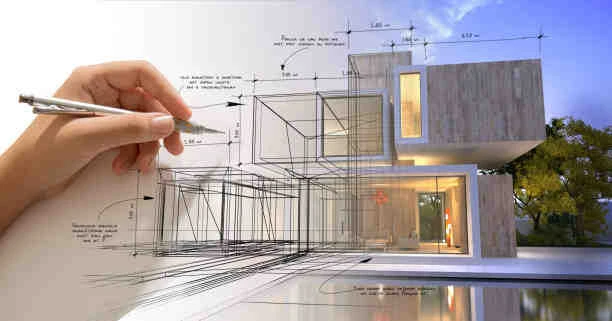
In a world often cluttered with complexity, modern minimalism in architecture stands as a testament to the beauty of simplicity. This design philosophy strips away excess ornamentation and embraces cl...

Throughout history, mankind has expressed its creativity and ambition through the construction of iconic architectural landmarks. These structures not only captivate us with their breathtaking designs...

Symmetry and balance in architectural design are principles that have been appreciated for centuries. These elements create a sense of harmony, order, and visual appeal in buildings and structures. Sy...
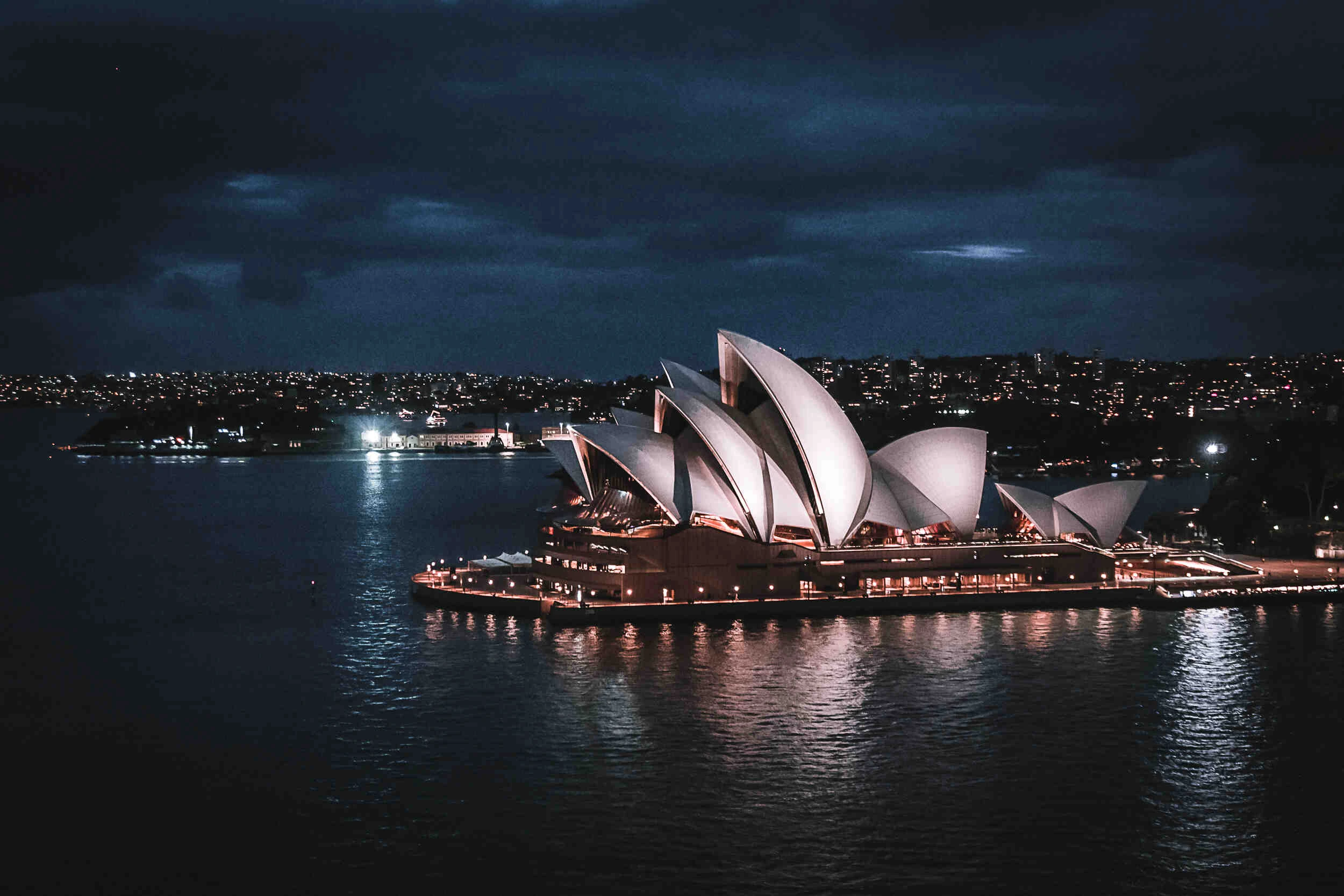
As the sun dips below the horizon, architectural wonders across the globe come to life, basking in the radiance of carefully designed illumination. Creative lighting design possesses the remarkable ab...

Architecture has a profound impact on our daily lives, shaping the way we interact with our surroundings and with one another. In recent years, a shift towards community-centric architecture has been ...
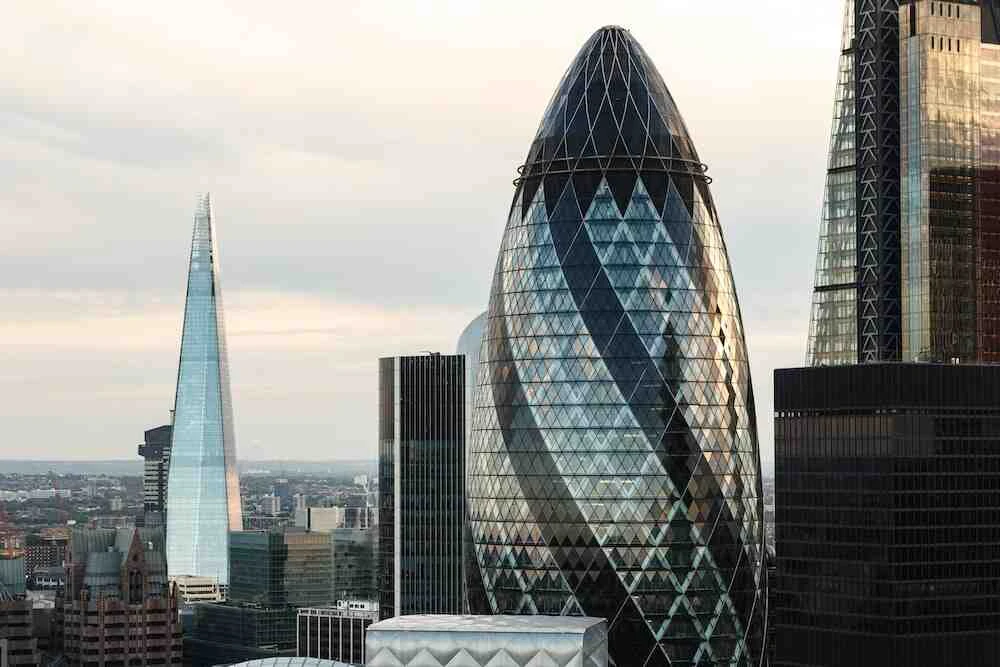
In the ever-evolving world of architecture, the materials we use play a pivotal role in shaping the built environment. Over the years, architects and designers have pushed the boundaries of convention...
Sign up to start winning an unlimited amount of jobs near you.


 Electrician
Gas Engineer
Electrician
Gas Engineer


Send more enquiries and explore your options
Increasing the number of potentials leads for you!
Have more control and flexibility over your finances!