


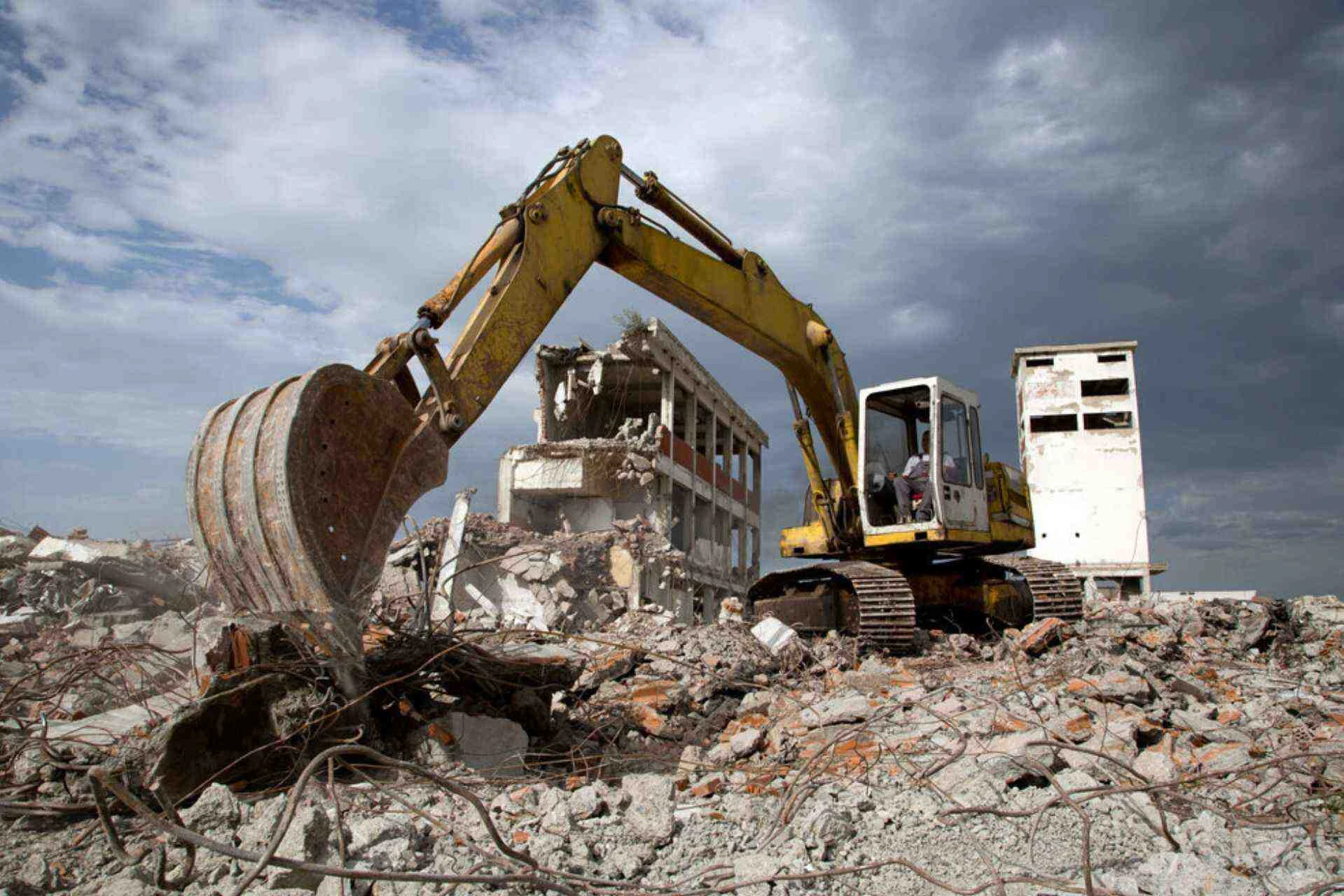
The Growing Need for Sustainable Demolition
Before we jump into the world of sustainable demolition, it"s essential to understand why it"s so crucial. Our planet is groaning under the weight of construction and demolition waste. According to the United States Environmental Protection Agency (EPA), construction and demolition activities account for a significant portion of waste in landfills. By embracing sustainable practices, we can significantly reduce this burden.
Recycling: The Cornerstone of Sustainable Demolition
Recycling in demolition is not a novel concept, but it"s gaining momentum for several good reasons. When buildings are demolished, a considerable amount of material can be salvaged, repurposed, and reused. The recycling mantra in demolition is simple: reduce, reuse, and recycle. Let"s delve into these principles:
1. Reduce: Minimizing Waste Generation
The first step towards sustainable demolition is to minimize waste generation. This involves meticulous planning and a focus on deconstruction instead of destruction. Deconstruction is the process of carefully disassembling a building to recover materials for reuse or recycling. Salvaging materials like lumber, brick, and steel not only reduces waste but also saves on raw materials and energy needed for new construction.
2. Reuse: Giving Materials a Second Life
Reusing materials is a vital part of sustainable demolition. When materials like doors, windows, or fixtures are extracted from a building, they can often be used in other construction projects. Reuse not only reduces the demand for new materials but also conserves the embodied energy in those materials.
3. Recycle: Converting Waste into a Resource
Recycling is perhaps the most recognizable aspect of sustainable demolition. Materials like concrete, asphalt, and metal can be crushed, melted, and reprocessed to create new building materials. This process not only conserves natural resources but also reduces the carbon footprint associated with mining and manufacturing.
Innovative Techniques in Sustainable Demolition
As the demand for sustainable practices grows, innovative techniques in the demolition industry are emerging. Here are a few notable examples:
Selective Demolition
Selective demolition is the art of surgically removing parts of a building rather than tearing it down entirely. This approach allows for the retention of structural elements and materials that can be reused in future construction projects.
Dust Suppression and Air Quality Control
Demolition activities often kick up a lot of dust and pollutants. Sustainable practices include using advanced dust suppression techniques to minimize air pollution and maintain air quality in the surrounding areas.
Crushing and Sorting Facilities
Crushing and sorting facilities are dedicated to breaking down materials into reusable components. Concrete, for example, can be crushed and turned into aggregate for new construction projects.
The Economic and Environmental Benefits
The adoption of sustainable demolition practices isn"t just a win for the environment; it"s also a sound economic choice. Here"s how it benefits both realms:
Environmental Benefits
Resource Conservation: By recycling and reusing materials, we reduce the need for new resource extraction and energy consumption.
Reduced Landfill Waste: Less waste ending up in landfills means fewer emissions from decomposition and less need for new landfill sites.
Lower Carbon Footprint: Sustainable practices in demolition help lower the carbon footprint associated with the construction industry.
Economic Benefits
Lower Construction Costs: Using salvaged materials can significantly reduce the cost of construction, as well as the need for expensive waste disposal.
Job Creation: Recycling and reprocessing facilities create jobs in local communities, supporting the local economy.
Regulatory Compliance: Many regions now require adherence to green demolition practices, making it a necessary aspect of the construction industry.
Challenges and the Road Ahead
While sustainable demolition practices are gaining traction, there are still some hurdles to overcome. Building codes, regulations, and industry standards must evolve to encourage and mandate sustainable practices. Additionally, education and awareness among professionals in the industry are key to making a lasting change.
Conclusion: Building a Greener Future, One Demolition at a Time
The transformation of the demolition industry into a greener, more sustainable entity is a testament to our commitment to protecting the environment. Recycling and sustainable practices in demolition not only reduce waste but also contribute to a reduced carbon footprint, lower construction costs, and local job creation.
As individuals, businesses, and governments continue to prioritize sustainability, the adoption of eco-friendly practices in the demolition sector is a critical step towards a more environmentally responsible future. With innovation, cooperation, and a growing understanding of the economic and environmental benefits, we can look forward to a world where every demolition project is a building block in constructing a greener, more sustainable future.
Introduction: In carpentry, time is money, and workflow is the pulse that keeps the business alive. Yet, many carpenters need help with a disjointed workflow, stifling efficiency and sapping the joy o...
.webp)
Introduction: Carpentry more than just a trade, is an art form. The journey to mastery involves constantly honing one"s skills, a voyage where every chisel stroke and nail-driven shapes not just ...
In the world of woodworking, every piece of timber tells a story - a tale of craftsmanship, dedication, and wisdom. For aspiring woodworkers and seasoned artisans alike, this blog is a collection of T...

In the world of woodworking, every piece crafted is a note in the symphony of a carpenter"s career. Yet, to compose a melodious tune, one must prioritize the conductor - their health and longevity. Th...
In carpentry, precision isn"t just about chiselling wood; it"s about chiselling a successful business. Financial stability and growth are the building blocks of a carpentry enterprise. Welcome to "Cra...

In the world of woodworking, creating something beautiful is not just an art—it"s a responsibility. A responsibility towards the craft, the client, and most importantly, the safety and well-bein...
Sign up to start winning an unlimited amount of jobs near you.


 Electrician
Gas Engineer
Electrician
Gas Engineer


Send more enquiries and explore your options
Increasing the number of potentials leads for you!
Have more control and flexibility over your finances!