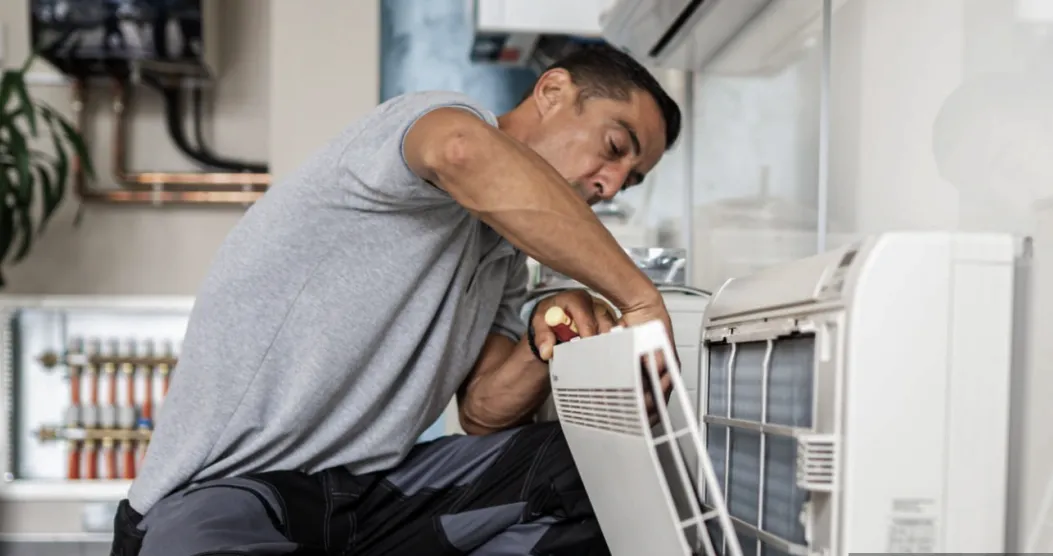



Chapter 1: Understanding Radiator Balancing
Before we get into the cost-saving benefits, let"s start with the basics. What exactly is radiator balancing?
What Is Radiator Balancing?
Radiator balancing is the process of adjusting the flow of hot water through the radiators in your home heating system. The aim is to ensure that each radiator receives the right amount of heat to maintain a comfortable temperature in each room. This can be achieved by adjusting the radiator valves to control the flow of hot water.
Why Is Radiator Balancing Important?
Balancing your radiators is crucial for several reasons:
Even Heating: Balancing ensures that all rooms in your home are heated evenly. This prevents some areas from becoming too hot while others remain chilly.
Energy Efficiency: When your radiators are balanced, your heating system operates more efficiently, as it doesn"t have to work harder to compensate for imbalances in temperature.
Cost Savings: Perhaps the most significant benefit is the potential for substantial cost savings on your heating bills. When your system operates efficiently, it uses less energy, which translates to lower energy bills.
Chapter 2: Signs Your Radiators Need Balancing
Now that you understand the importance of radiator balancing, how can you tell if your radiators need it?
Signs to Look Out For:
Uneven Heating: If some rooms are consistently warmer or colder than others, it"s a clear sign that your radiators may need balancing.
Gurgling or Noisy Radiators: Air trapped in your radiators can cause strange noises. This can also indicate a need for balancing.
High Energy Bills: If your heating bills have been steadily increasing, your system may not be operating efficiently.
Chapter 3: DIY Radiator Balancing
While you can hire a professional to balance your radiators, it"s entirely possible to do it yourself. Here"s a step-by-step guide:
Step 1: Turn Off the Heating
Before you begin, turn off your heating system. This prevents any accidents or burns during the process.
Step 2: Identify the Problem Radiators
Walk through your home and identify the radiators that are not heating evenly or making unusual noises.
Step 3: Bleed the Radiators
If you hear gurgling noises, it"s likely due to trapped air. Bleeding the radiators will release the trapped air. Use a radiator key to do this.
Step 4: Balance the Radiators
Now comes the balancing part. Adjust the radiator valves to control the flow of hot water to each radiator. Start by fully opening all the valves and then gradually closing them until the radiator heats evenly.
Step 5: Test and Repeat
Turn the heating back on and wait for the radiators to heat up. Check the temperature in each room to ensure it"s balanced. If necessary, repeat the process until you achieve even heating throughout your home.
Chapter 4: The Money-Saving Benefits
Now that you"ve balanced your radiators let"s explore how this simple DIY task can translate into significant cost savings.
Improved Energy Efficiency
Balanced radiators mean your heating system doesn"t have to work as hard to maintain a comfortable temperature. This reduced workload results in lower energy consumption and, consequently, lower energy bills.
Preventing Overheating
When some rooms are too hot due to unbalanced radiators, you might be tempted to open windows, wasting even more energy. Balanced radiators eliminate this need, saving both energy and money.
Extending the Lifespan of Your Heating System
An efficiently operating heating system experiences less wear and tear. By reducing the strain on your system, radiator balancing can help extend its lifespan, saving you money on costly repairs or replacements.
Increased Comfort
Balanced radiators mean consistent comfort throughout your home. No more fighting over the thermostat or bundling up in one room while another remains frigid. This enhanced comfort can indirectly save you money by reducing the need for additional heating solutions.
Chapter 5: Additional Tips for Energy Efficiency
Radiator balancing is just one aspect of improving energy efficiency in your home heating system. Here are some additional tips to maximize your savings:
Upgrade to a Programmable Thermostat: A programmable thermostat allows you to set specific temperatures for different times of the day, optimizing your heating schedule.
Regular Maintenance: Schedule annual maintenance for your heating system. This ensures it operates at peak efficiency.
Insulate Your Home: Proper insulation minimizes heat loss, reducing the workload on your heating system.
Seal Leaks: Check for drafts around windows and doors and seal them to prevent heat from escaping.
Chapter 6: Conclusion
In conclusion, radiator balancing is a simple yet highly effective way to save money on your heating bills. By ensuring that your heating system operates efficiently and evenly, you can enjoy increased comfort and lower energy costs.
Remember that while DIY radiator balancing is possible, it"s essential to take safety precautions
Introduction: In carpentry, time is money, and workflow is the pulse that keeps the business alive. Yet, many carpenters need help with a disjointed workflow, stifling efficiency and sapping the joy o...
.webp)
Introduction: Carpentry more than just a trade, is an art form. The journey to mastery involves constantly honing one"s skills, a voyage where every chisel stroke and nail-driven shapes not just ...
In the world of woodworking, every piece of timber tells a story - a tale of craftsmanship, dedication, and wisdom. For aspiring woodworkers and seasoned artisans alike, this blog is a collection of T...

In the world of woodworking, every piece crafted is a note in the symphony of a carpenter"s career. Yet, to compose a melodious tune, one must prioritize the conductor - their health and longevity. Th...
In carpentry, precision isn"t just about chiselling wood; it"s about chiselling a successful business. Financial stability and growth are the building blocks of a carpentry enterprise. Welcome to "Cra...

In the world of woodworking, creating something beautiful is not just an art—it"s a responsibility. A responsibility towards the craft, the client, and most importantly, the safety and well-bein...
Sign up to start winning an unlimited amount of jobs near you.


 Electrician
Gas Engineer
Electrician
Gas Engineer


Send more enquiries and explore your options
Increasing the number of potentials leads for you!
Have more control and flexibility over your finances!