


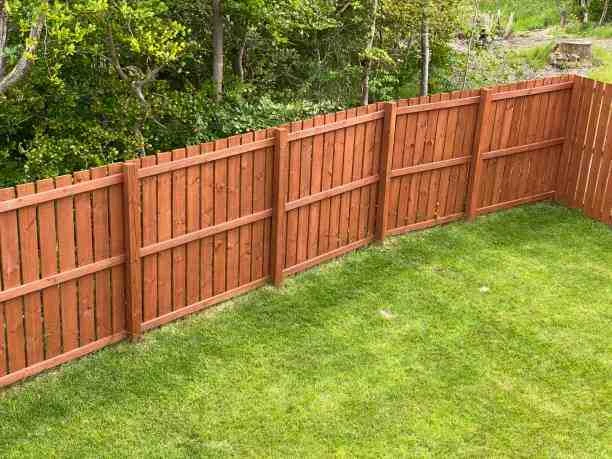
1. Choose the Right Type of Wood
The first step in ensuring a long-lasting wooden fence is to choose the right type of wood. Different wood species have varying levels of natural resistance to decay and insects. Cedar and redwood, for instance, are known for their natural resistance, while pine and spruce are less durable. Select a wood species that is well-suited to your local climate and offers the desired aesthetics.
2. Proper Installation
A well-constructed fence is more likely to stand the test of time. Ensure that the posts are buried deep enough in the ground to provide stability and resistance to wind and soil movement. Properly set posts and a strong frame will also reduce the likelihood of sagging over time. If you"re not experienced in fence installation, it"s advisable to hire a professional.
3. Apply a Quality Finish
Applying a high-quality finish to your wooden fence is essential for preserving the wood and protecting it from the elements. Wood stains and sealants help to repel water, prevent rot, and deter pests. It"s essential to follow the manufacturer"s instructions and regularly reapply the finish, typically every 2-3 years, to maintain the fence"s integrity.
4. Regular Cleaning and Maintenance
Regular cleaning is key to maintaining the appearance and longevity of your wooden fence. Remove dirt, mold, and mildew using a mixture of mild soap and water, along with a scrub brush or pressure washer. Keep an eye out for loose boards or protruding nails, as these should be fixed promptly to prevent further damage.
5. Control Moisture and Drainage
Excess moisture is one of the primary enemies of wooden fences, as it can lead to rot and decay. To prevent moisture-related issues, ensure proper drainage around the fence. Avoid allowing sprinklers to hit the fence directly, and maintain proper grading so that water flows away from the fence rather than pooling around its base.
6. Trim Vegetation
Overgrown vegetation can not only detract from the appearance of your fence but also cause damage. Plants that grow against or near the fence can trap moisture and provide a habitat for pests. Regularly trim back any plants or vines that may be encroaching on your wooden fence.
7. Avoid Ground Contact
Direct contact with the ground is a significant cause of wood decay in fences. To prevent this, ensure that your fence boards and posts are raised above the ground. You can use concrete footings, metal post bases, or gravel to create a barrier between the wood and the soil.
8. Insect Control
Termites and other wood-boring insects can wreak havoc on your wooden fence. Consider using pressure-treated wood, which is infused with chemicals to deter insect infestations. Regularly inspect your fence for signs of insect damage and take action promptly if you notice any issues.
Conclusion
A well-maintained wooden fence can enhance the aesthetics and functionality of your property for many years. By choosing the right wood, installing it correctly, applying finishes, and practicing regular maintenance, you can ensure that your fence remains in great shape and continues to add value to your home. Wooden fences are not only a practical addition to your property but also a beautiful one, and with proper care, they can be enjoyed for generations to come.
Introduction: In carpentry, time is money, and workflow is the pulse that keeps the business alive. Yet, many carpenters need help with a disjointed workflow, stifling efficiency and sapping the joy o...
.webp)
Introduction: Carpentry more than just a trade, is an art form. The journey to mastery involves constantly honing one"s skills, a voyage where every chisel stroke and nail-driven shapes not just ...
In the world of woodworking, every piece of timber tells a story - a tale of craftsmanship, dedication, and wisdom. For aspiring woodworkers and seasoned artisans alike, this blog is a collection of T...
In the world of woodworking, every piece crafted is a note in the symphony of a carpenter"s career. Yet, to compose a melodious tune, one must prioritize the conductor - their health and longevity. Th...
In carpentry, precision isn"t just about chiselling wood; it"s about chiselling a successful business. Financial stability and growth are the building blocks of a carpentry enterprise. Welcome to "Cra...

In the world of woodworking, creating something beautiful is not just an art—it"s a responsibility. A responsibility towards the craft, the client, and most importantly, the safety and well-bein...
Sign up to start winning an unlimited amount of jobs near you.


 Electrician
Gas Engineer
Electrician
Gas Engineer


Send more enquiries and explore your options
Increasing the number of potentials leads for you!
Have more control and flexibility over your finances!