


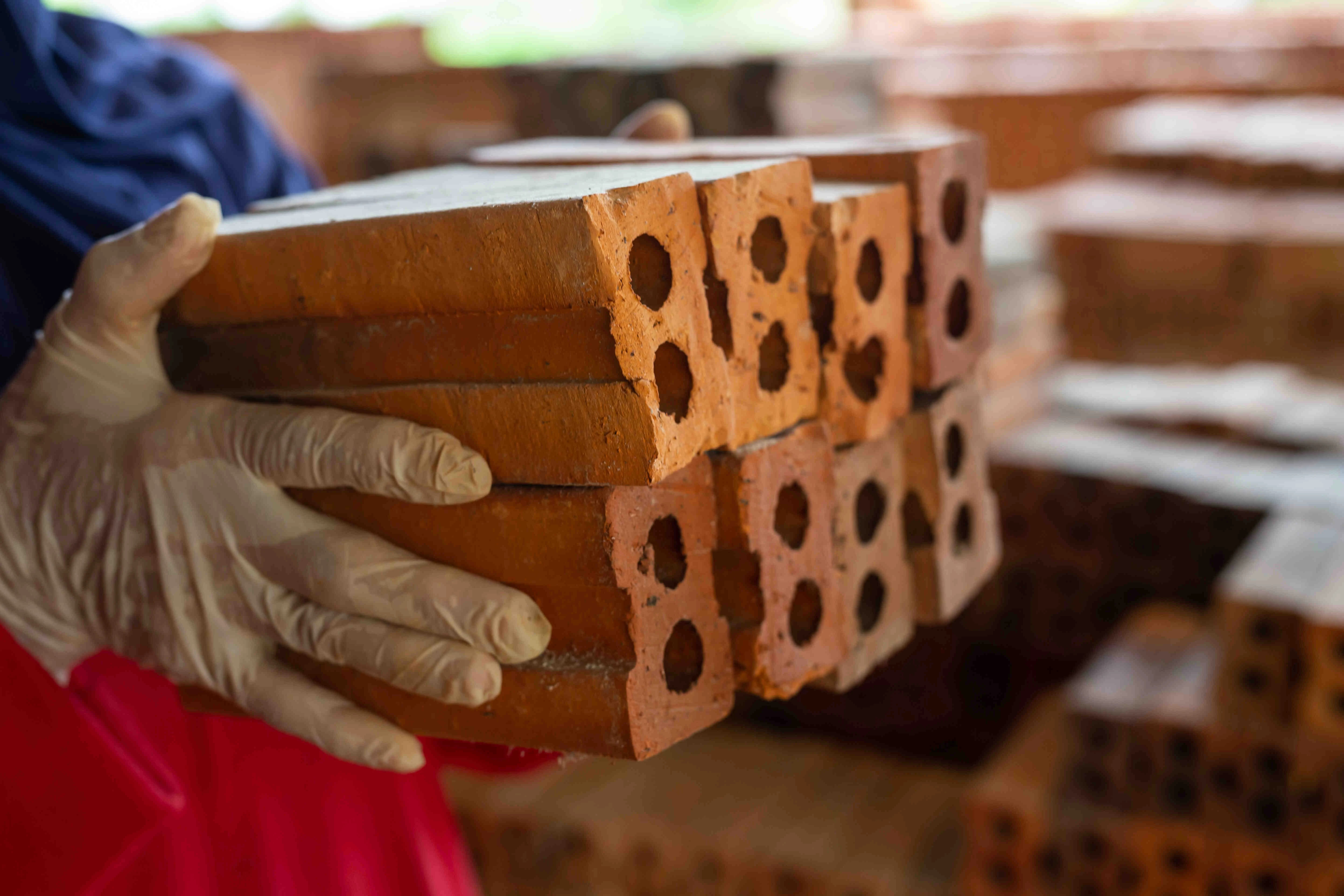
The Importance of Precision Cutting and Shaping
Bricks have been an essential component of construction for millennia. Their durability, versatility, and aesthetic appeal make them a preferred choice for builders around the world. However, it is the precision with which these bricks are cut and shaped that distinguishes ordinary buildings from architectural marvels.
Achieving Structural Integrity
One of the primary reasons for precision cutting and shaping of bricks is to ensure structural integrity. When bricks are cut and shaped accurately, they fit together tightly, leaving no room for gaps. This creates a strong bond that contributes significantly to the stability and load-bearing capacity of a structure.
Enhancing Aesthetics
In addition to structural concerns, precision brickwork also enhances the aesthetics of a building. Perfectly aligned bricks create clean lines and patterns that are pleasing to the eye. Architects often use various bricklaying techniques to achieve unique designs, adding character and charm to their creations.
Weatherproofing
Well-cut and shaped bricks are essential for weatherproofing. Properly aligned bricks prevent water infiltration, helping to keep the interior of a building dry and free from moisture-related issues. This is crucial for the longevity of any structure.
Tools of the Trade
To master the art of precision cutting and shaping of bricks, one must first become acquainted with the tools that make it possible. Here are some of the essential tools used in brickwork:
Brick Trowel
A brick trowel is a must-have tool for any bricklayer. It is used to spread mortar and to cut and shape bricks during the construction process.
Mason"s Hammer
A mason"s hammer is used to cut bricks and to chisel away excess material. It is a versatile tool that comes in various shapes and sizes to suit different tasks.
Brick Chisel
Brick chisels are specifically designed for cutting bricks cleanly and accurately. They have a sharp edge that allows for precise shaping and trimming of bricks.
Spirit Level
A spirit level is indispensable for ensuring that bricks are laid perfectly level and plumb. It helps maintain the structural integrity and aesthetic appeal of the brickwork.
Mason"s Line
A mason"s line is used to create straight and level reference lines for laying bricks. It ensures that the bricks are aligned correctly.
Brick Saw
For more intricate cuts and shaping, a brick saw can be employed. These electric or gas-powered saws make quick work of even the toughest bricks, allowing for precise and clean cuts.
Techniques for Precision Brickwork
Now that we have a basic understanding of the tools involved, let"s explore some essential techniques for achieving precision in brickwork:
Mortar Consistency
Achieving the right consistency of mortar is crucial. It should be neither too wet nor too dry. The ideal mortar mix ensures a strong bond between bricks and facilitates precise placement.
Measuring and Marking
Accurate measurements and markings are fundamental to precision brickwork. Take your time to measure and mark the bricks before cutting or laying them. Even a small error at this stage can lead to significant problems later.
Cutting and Shaping
When cutting bricks, use a straight edge or a mason"s square to guide your cuts. Always wear safety goggles to protect your eyes from flying debris. Be patient and make slow, controlled cuts for the best results.
Laying Bricks
While laying bricks, use the spirit level and mason"s line to ensure that each brick is level and plumb. Adjust the mortar bed as needed to achieve the desired alignment.
Joint Spacing
Maintaining consistent joint spacing between bricks is crucial for both structural integrity and aesthetics. Use plastic spacers or wooden strips to achieve uniform joint widths.
Cleaning
Keep your work area clean by removing excess mortar immediately. A clean workspace not only looks more professional but also prevents mortar from drying on the surface of the bricks.
Curing
After completing the brickwork, it"s essential to cure the mortar properly. Cover the newly laid bricks with wet burlap or plastic sheets to slow down the drying process and ensure a strong bond.
Common Challenges and Solutions
Precision brickwork can be challenging, and even the most experienced bricklayers encounter obstacles from time to time. Here are some common challenges and their solutions:
Irregular Bricks
Not all bricks are perfect rectangles, and irregularly shaped bricks can pose challenges during construction. To overcome this, carefully measure and mark each brick, and use a mason"s hammer and chisel to shape them as needed.
Mortar Drying Too Quickly
In hot and dry weather, mortar can dry too quickly, leading to weaker bonds. To prevent this, mist the brickwork with water and cover it with wet burlap or plastic sheets to keep the mortar moist as it cures.
Misaligned Bricks
Misaligned bricks can mar the appearance of the brickwork. To fix this issue, gently tap the misaligned brick into the correct position with a mason"s hammer and wooden block.
Mortar Stains
Mortar stains on the surface of bricks can be unsightly. To remove them, wait until the mortar is semi-hard, and then scrape it off with a wire brush.
Conclusion
Precision cutting and shaping of bricks are the building blocks of quality construction. Whether you are a professional bricklayer or a DIY enthusiast, mastering the techniques and tools of the trade is essential for creating structurally sound and visually appealing brickwork. As we have seen, it"s not just about cutting bricks; it"s about understanding the science and art behind precision brickwork.
In this masterclass, we"ve covered the importance of precision brickwork, explored the essential tools of the trade, and delved into techniques for achieving precise results. We"ve also discussed common challenges and their solutions to help you overcome obstacles in your bricklaying journey.
So, whether you"re building a new home, renovating an existing structure, or simply exploring the world of masonry, remember that precision cutting and shaping of bricks are the keys to constructing enduring and beautiful architectural wonders. With dedication, practice, and a commitment to craftsmanship, you too can become a master in the art of precision brickwork.
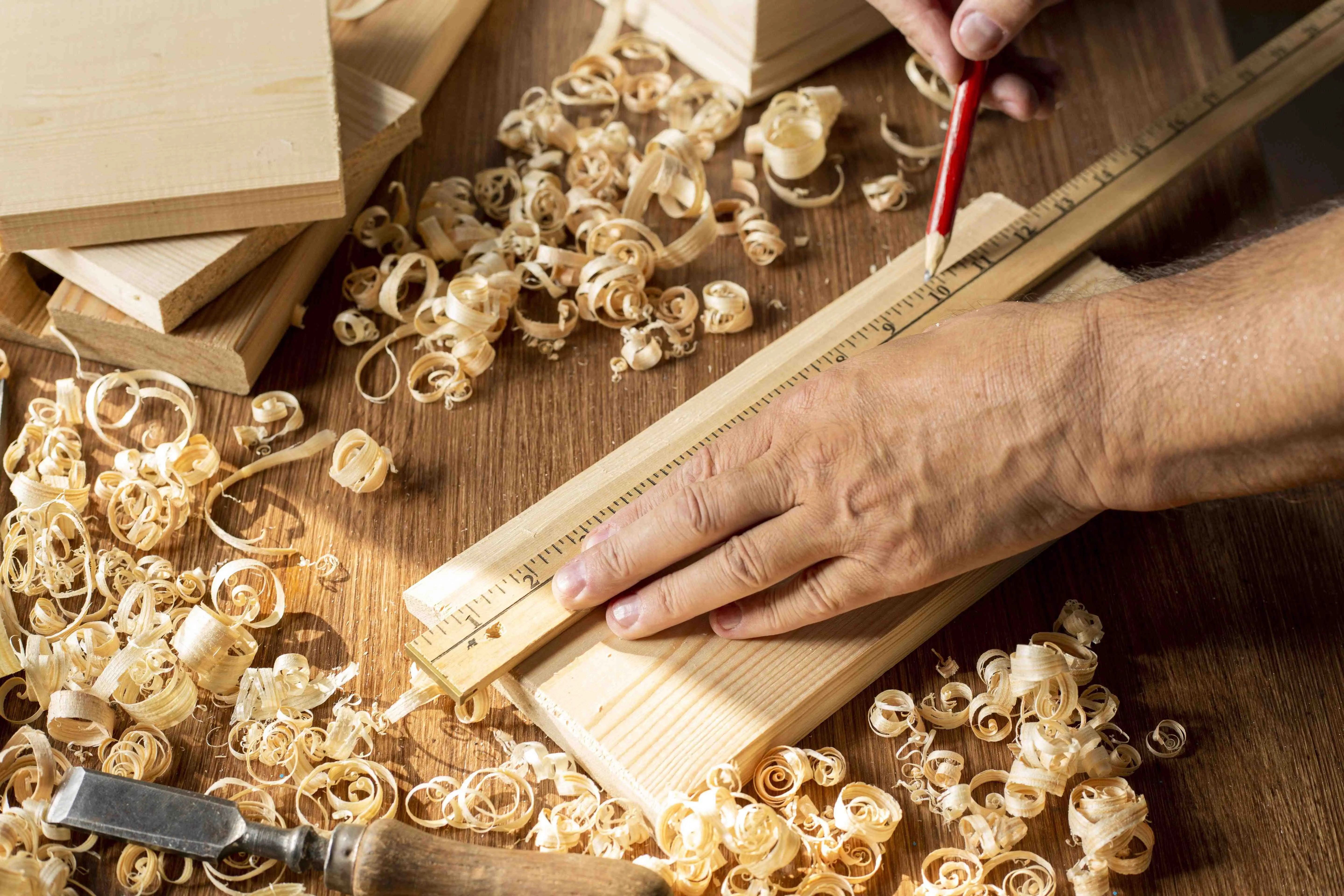
Introduction: In carpentry, time is money, and workflow is the pulse that keeps the business alive. Yet, many carpenters need help with a disjointed workflow, stifling efficiency and sapping the joy o...
.webp)
Introduction: Carpentry more than just a trade, is an art form. The journey to mastery involves constantly honing one"s skills, a voyage where every chisel stroke and nail-driven shapes not just ...
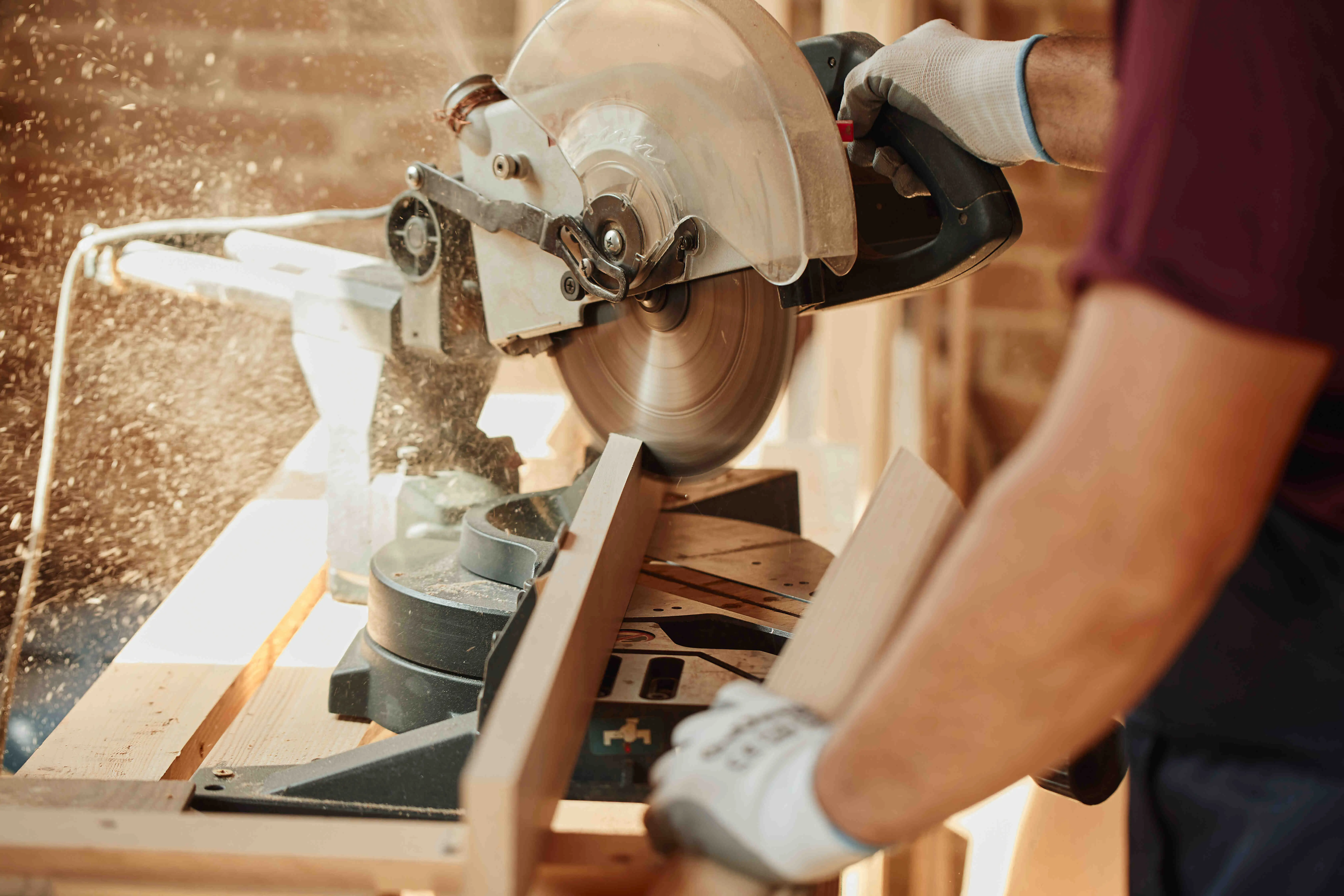
In the world of woodworking, every piece of timber tells a story - a tale of craftsmanship, dedication, and wisdom. For aspiring woodworkers and seasoned artisans alike, this blog is a collection of T...

In the world of woodworking, every piece crafted is a note in the symphony of a carpenter"s career. Yet, to compose a melodious tune, one must prioritize the conductor - their health and longevity. Th...
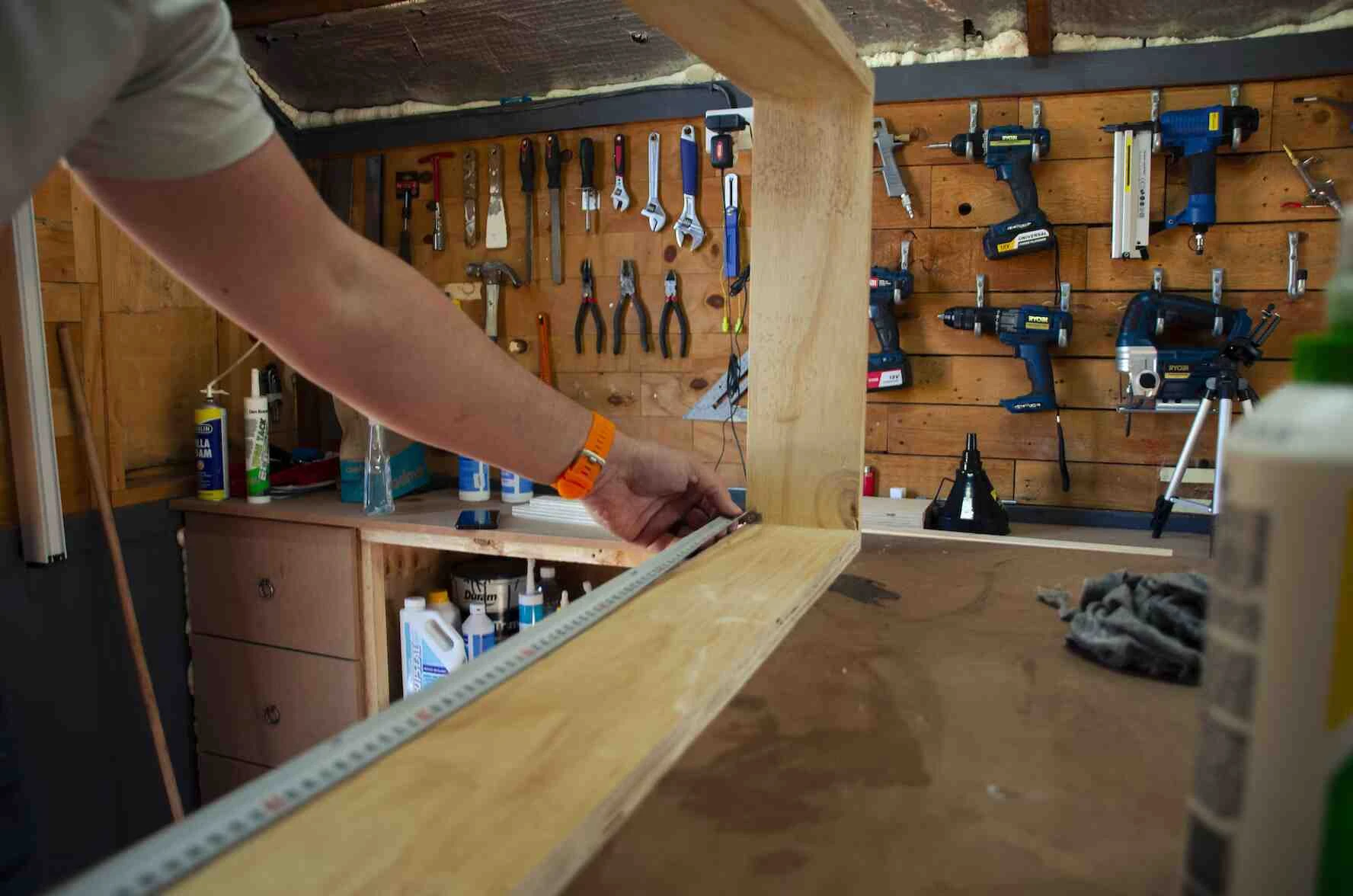
In carpentry, precision isn"t just about chiselling wood; it"s about chiselling a successful business. Financial stability and growth are the building blocks of a carpentry enterprise. Welcome to "Cra...

In the world of woodworking, creating something beautiful is not just an art—it"s a responsibility. A responsibility towards the craft, the client, and most importantly, the safety and well-bein...
Sign up to start winning an unlimited amount of jobs near you.


 Electrician
Gas Engineer
Electrician
Gas Engineer


Send more enquiries and explore your options
Increasing the number of potentials leads for you!
Have more control and flexibility over your finances!