


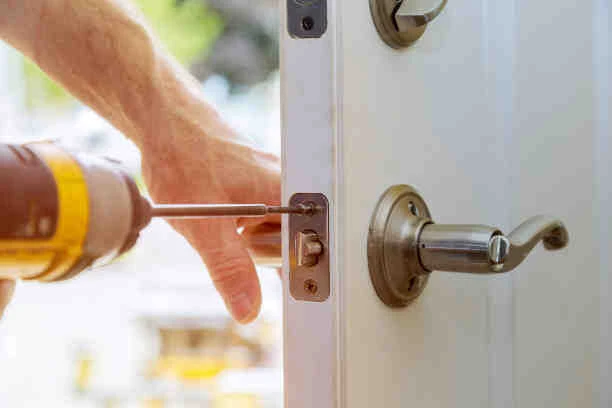
1. Understand the Lock Mechanism
Before attempting to pick a lock, it"s crucial to understand how locks work. Locks are typically composed of pins or tumblers that need to align correctly for the lock to open. There are various lock types, including pin tumbler locks, wafer locks, and tubular locks, each with its own mechanisms. Study the lock"s anatomy and operation thoroughly.
2. Use the Right Tools
Lock picking requires specialized tools. Common lock picking tools include tension wrenches and lock picks, which come in various shapes and sizes. Having a comprehensive set of tools is essential to address different types of locks. High-quality tools can make the process smoother and more precise.
3. Tension Control
The tension wrench is a critical tool in lock picking. It"s used to apply rotational force to the lock cylinder while maintaining tension. The tension wrench should be applied with just enough pressure to bind the pins, but not so much that it hinders the turning of the lock. Mastering tension control is key to successful lock picking.
4. Single Pin Picking
Single pin picking is the most precise method of lock picking. In this technique, you use a hook-shaped pick to manipulate each pin individually. Start by applying tension to the lock with the tension wrench, then gently lift each pin until it reaches the shear line. Repeat this process for all pins in the lock, and the lock will open. This method requires patience and finesse.
5. Raking
Raking is a faster but less precise method of lock picking. It involves using a rake-shaped pick to quickly manipulate multiple pins simultaneously. The idea is to mimic the motion of inserting and withdrawing a key rapidly. Raking is useful for simpler locks but may not work on more complex ones.
6. Be Patient and Practice
Lock picking is a skill that requires patience and practice to master. Start with basic locks and gradually work your way up to more complex ones. Lock picking clubs and online resources can provide valuable opportunities for learning and practice.
7. Legal and Ethical Considerations
It"s essential to emphasize the legal and ethical aspects of lock picking. Lock picking should only be used for legitimate purposes, such as locksmithing, security testing, or training. Using lock-picking skills for illegal activities is not only unethical but also a criminal offense.
8. Seek Professional Guidance
If you"re serious about learning lock picking, consider seeking guidance from experienced locksmiths or enrolling in locksmith training programs. Professional guidance will ensure that you learn responsible and safe lock-picking techniques.
Conclusion
Lock picking is a valuable skill for locksmiths and security professionals. It requires a deep understanding of lock mechanisms, the use of the right tools, precision, and ethical responsibility. Whether you"re a locksmith looking to improve your skills or an enthusiast interested in the art of lock picking, practicing with patience and responsibility is the key to success. Always remember to use this skill responsibly and within the bounds of the law.
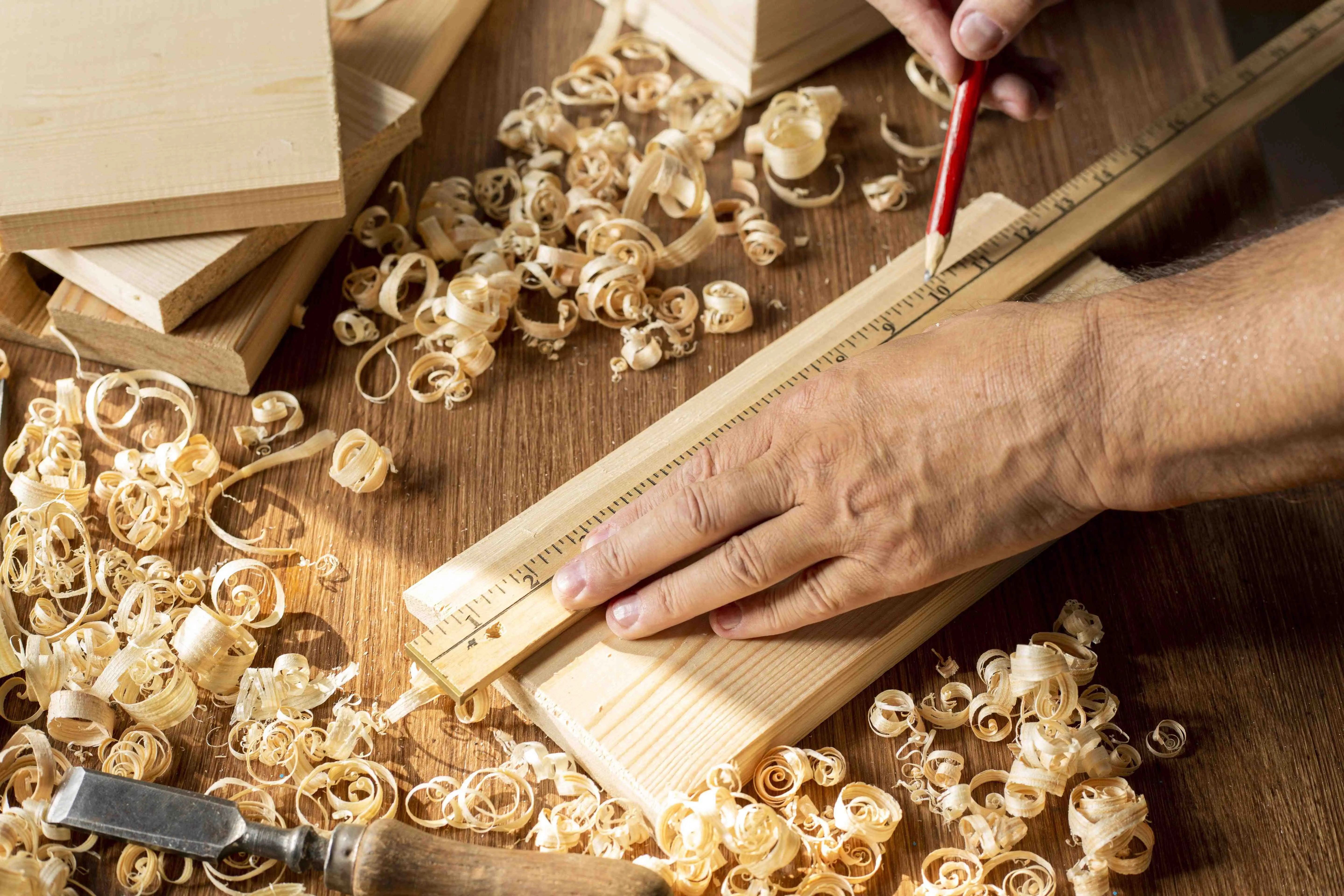
Introduction: In carpentry, time is money, and workflow is the pulse that keeps the business alive. Yet, many carpenters need help with a disjointed workflow, stifling efficiency and sapping the joy o...
.webp)
Introduction: Carpentry more than just a trade, is an art form. The journey to mastery involves constantly honing one"s skills, a voyage where every chisel stroke and nail-driven shapes not just ...

In the world of woodworking, every piece of timber tells a story - a tale of craftsmanship, dedication, and wisdom. For aspiring woodworkers and seasoned artisans alike, this blog is a collection of T...

In the world of woodworking, every piece crafted is a note in the symphony of a carpenter"s career. Yet, to compose a melodious tune, one must prioritize the conductor - their health and longevity. Th...
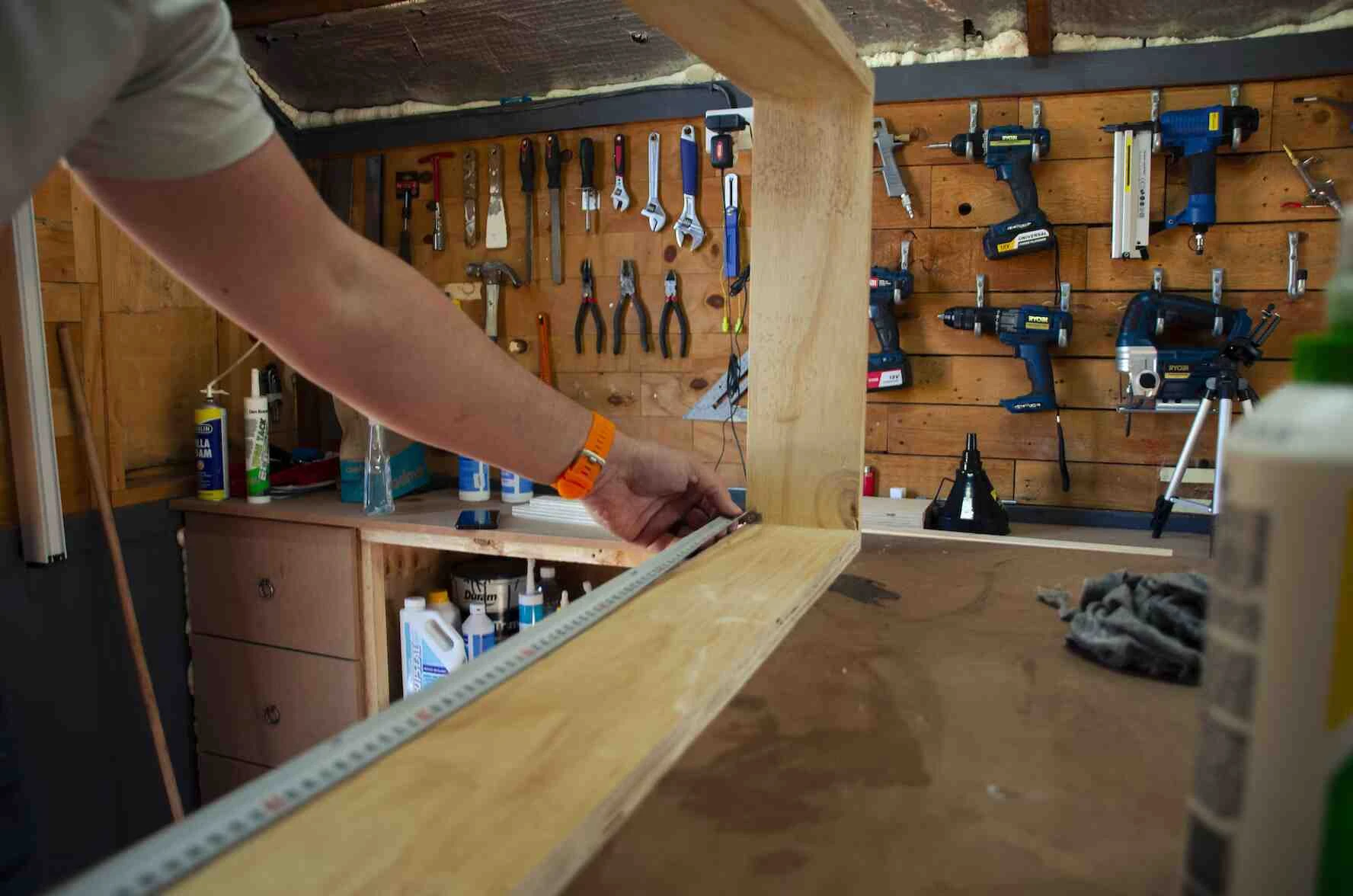
In carpentry, precision isn"t just about chiselling wood; it"s about chiselling a successful business. Financial stability and growth are the building blocks of a carpentry enterprise. Welcome to "Cra...

In the world of woodworking, creating something beautiful is not just an art—it"s a responsibility. A responsibility towards the craft, the client, and most importantly, the safety and well-bein...
Sign up to start winning an unlimited amount of jobs near you.


 Electrician
Gas Engineer
Electrician
Gas Engineer


Send more enquiries and explore your options
Increasing the number of potentials leads for you!
Have more control and flexibility over your finances!