



Before we dive into the techniques for achieving durable mortar, let"s start with the basics. Mortar is a mixture of cementitious materials, sand, and water, used to bond masonry units together. Its primary function is to transfer loads from one unit to another, while also accommodating small movements and providing protection from environmental elements.
1. Cementitious Materials: The choice of cementitious materials is crucial. Portland cement is the most common choice for mortar, but other options like lime, blended cement, or specialty cement can be used for specific applications.
2. Sand: The type and gradation of sand significantly affect the properties of mortar. Well-graded, clean sand with appropriate particle sizes ensures a strong bond.
3. Water: The water-to-cementitious materials ratio is vital for the workability and strength of mortar. Too much water weakens the mix, while too little makes it difficult to work with.
One of the key factors in achieving durable mortar is getting the proportions right. The ideal mix ratio for mortar typically ranges from 1:2 to 1:6, depending on the type of mortar and the application. Here are some common mix ratios:
- Type N Mortar (1:1:6): This is a general-purpose mortar suitable for most masonry applications.
- Type S Mortar (1:1:4) Type S mortar is stronger than Type N and is often used for load-bearing walls and below-grade applications.
- Type M Mortar (1:1:3) Type M mortar is the strongest and is reserved for heavy-load applications, such as retaining walls.
It"s essential to follow manufacturer recommendations and industry standards for the specific mortar mix you are using. Deviating from the recommended mix ratios can lead to weaker mortar and compromised durability.
The choice of sand is often underestimated but is crucial for the durability of your mortar. The following factors should be considered when selecting sand:
1. Sand Gradation:
Well-graded sand with a balanced mix of coarse and fine particles is ideal for mortar. This ensures better packing and interlocking, resulting in stronger bonds.
2. Cleanliness:
Impurities like silt and clay can weaken mortar. Ensure that the sand is clean and free from contaminants.
3. Local Sourcing:
Using locally sourced sand can be cost-effective and environmentally friendly. However, be sure to test its suitability for your specific project.
As mentioned earlier, the water-to-cementitious materials ratio is critical in achieving durable mortar. Striking the right balance is essential, and this can vary depending on factors like temperature and humidity. Here are some tips for getting the water content just right:
1. Gradual Addition:
Add water to the mix gradually. It"s easier to add more water if needed than to compensate for excess water.
2. Consistency Test:
Perform a consistency test to determine the right water content. The mortar should be workable but not excessively wet.
3. Adjust for Environmental Conditions:
In hot, dry weather, you may need more water to prevent rapid drying of the mix. Conversely, in cold weather, less water may be required.
Once you have the right ingredients, how you mix them is equally important for achieving durable mortar. Follow these best practices:
1. Proper Mixing Time:
Mix the mortar thoroughly for at least 5 minutes after all the dry ingredients are combined. This ensures uniform distribution of particles.
2. Avoid Overmixing:
Overmixing can introduce excessive air into the mortar, weakening its structure. Mix only as long as necessary.
3. Batch Size:
Keep batch sizes consistent to maintain a uniform mix. Small batches are easier to work with and monitor.
Curing is the process of maintaining adequate moisture and temperature in the mortar to promote proper hydration of the cementitious materials. Neglecting curing can lead to weak mortar and reduced durability. Here"s how to ensure proper curing:
1. Keep it Moist:
Cover the newly laid mortar with wet burlap, plastic sheeting, or keep it continuously damp for at least 7 days.
2. Temperature Control:
Avoid extreme temperature fluctuations during curing, as this can affect the hydration process.
3. Protect from Wind and Sun:
Shield the mortar from direct sunlight and strong winds, which can cause rapid drying.
In some cases, additives can be used to enhance the durability of mortar. Some common additives include:
1. Air-Entraining Agents:
These additives create tiny air bubbles in the mortar, which improve freeze-thaw resistance and workability.
2. Pozzolans:
Materials like fly ash or silica fume can be added to the mix to increase strength and reduce permeability.
3. Set Retarders and Accelerators:
These additives control the setting time of mortar, allowing for better workability and placement in various conditions.
Ensuring the quality of your mortar mix is an ongoing process. Regular testing, monitoring, and inspection are essential to maintain durability. Consider the following:
1. Consistency Tests:
Perform regular consistency tests to check the workability of the mortar.
2. Compression Tests:
Periodic compression tests can assess the strength of the mortar over time.
3. Inspection:
Inspect the mortar joints for signs of cracking, flaking, or other defects.
Conclusion
In the world of construction, where longevity and durability are non-negotiable, perfecting the mortar mix is an art and a science. By understanding the basics, choosing the right ingredients, and following best practices for mixing and curing, you can ensure that your mortar stands the test of time. Remember, it"s not just about holding bricks together; it"s about building structures that endure for generations to come. So, the next time you"re working with mortar, take the time to perfect the mix, and your construction projects will thank you for it.
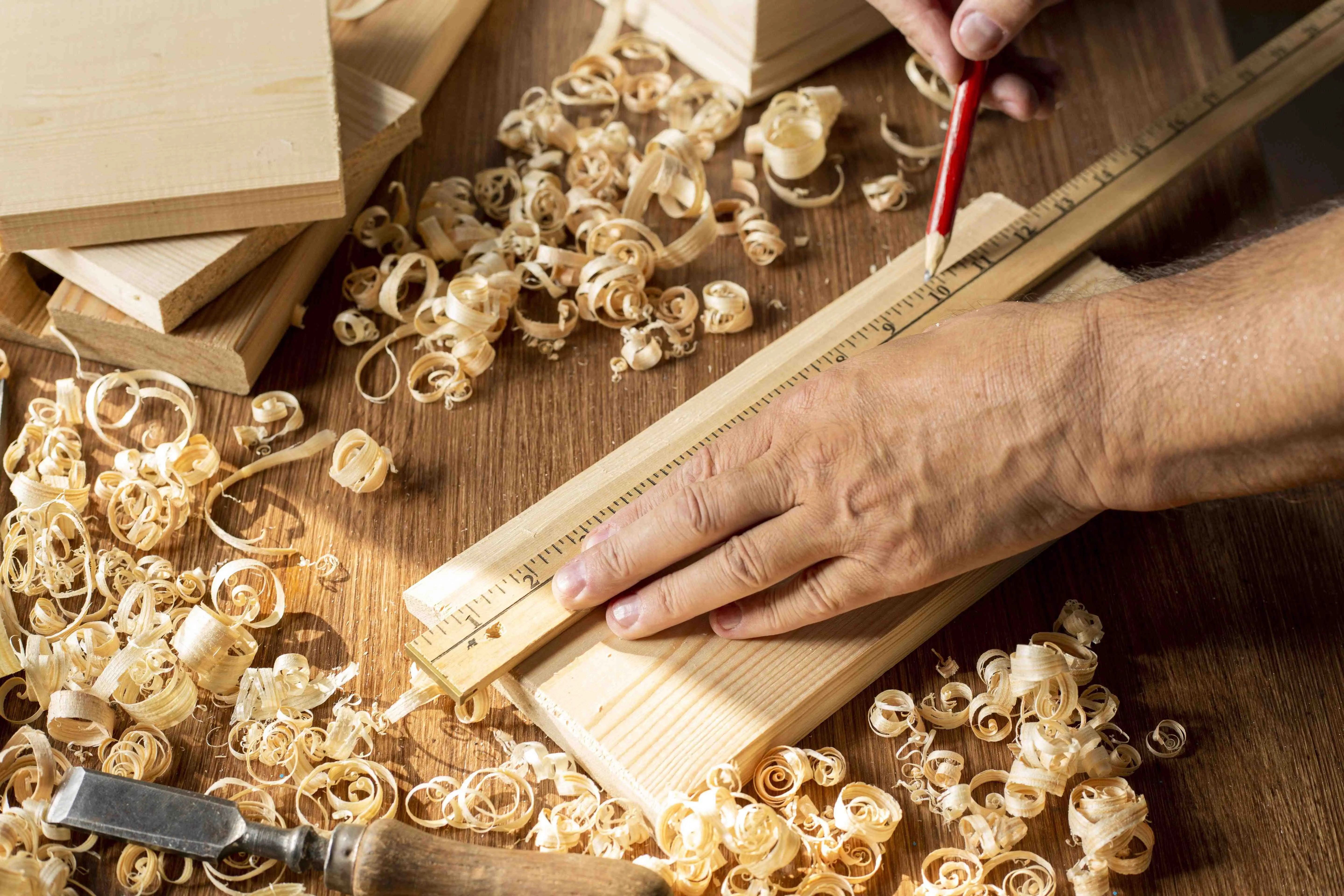
Introduction: In carpentry, time is money, and workflow is the pulse that keeps the business alive. Yet, many carpenters need help with a disjointed workflow, stifling efficiency and sapping the joy o...
.webp)
Introduction: Carpentry more than just a trade, is an art form. The journey to mastery involves constantly honing one"s skills, a voyage where every chisel stroke and nail-driven shapes not just ...
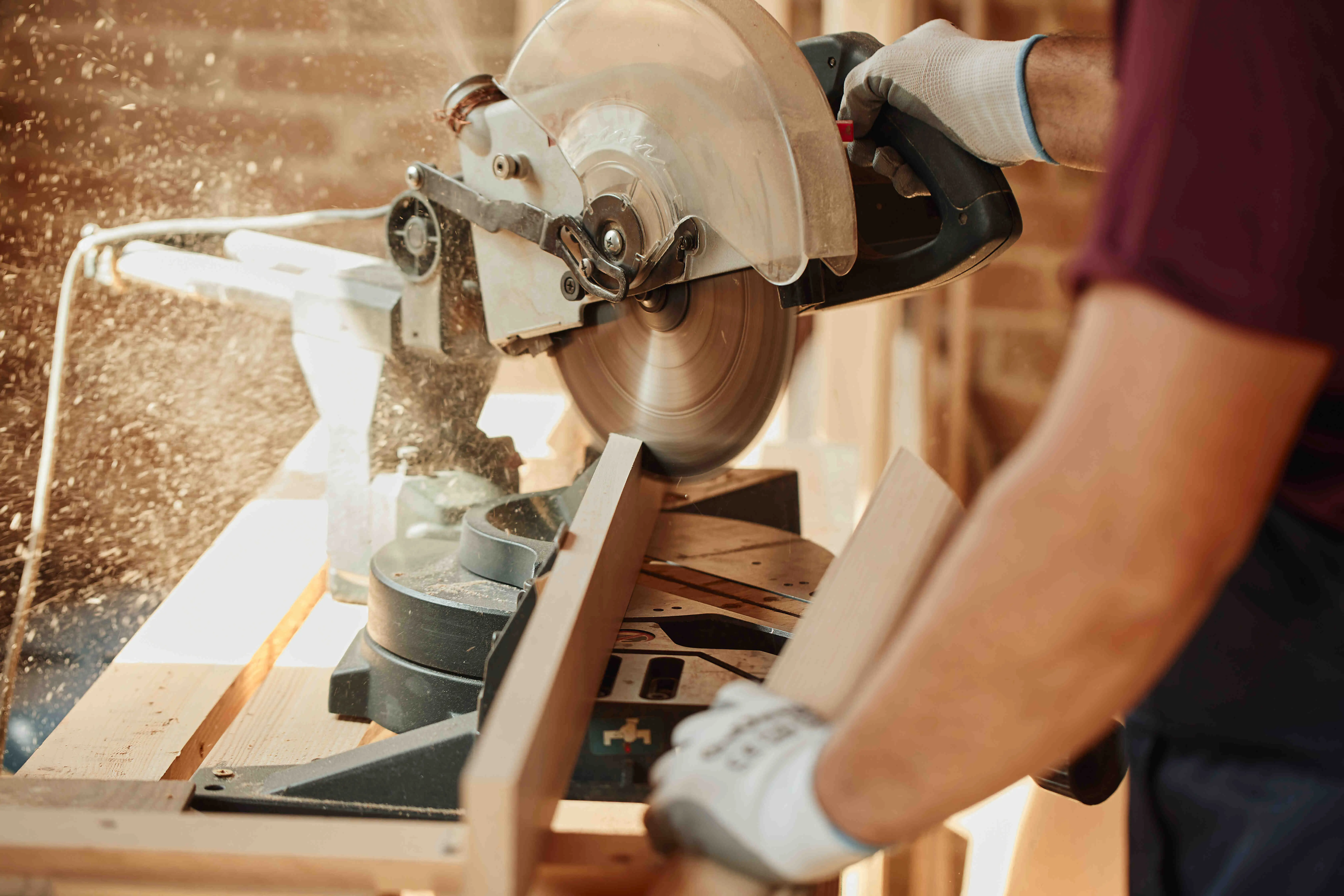
In the world of woodworking, every piece of timber tells a story - a tale of craftsmanship, dedication, and wisdom. For aspiring woodworkers and seasoned artisans alike, this blog is a collection of T...

In the world of woodworking, every piece crafted is a note in the symphony of a carpenter"s career. Yet, to compose a melodious tune, one must prioritize the conductor - their health and longevity. Th...
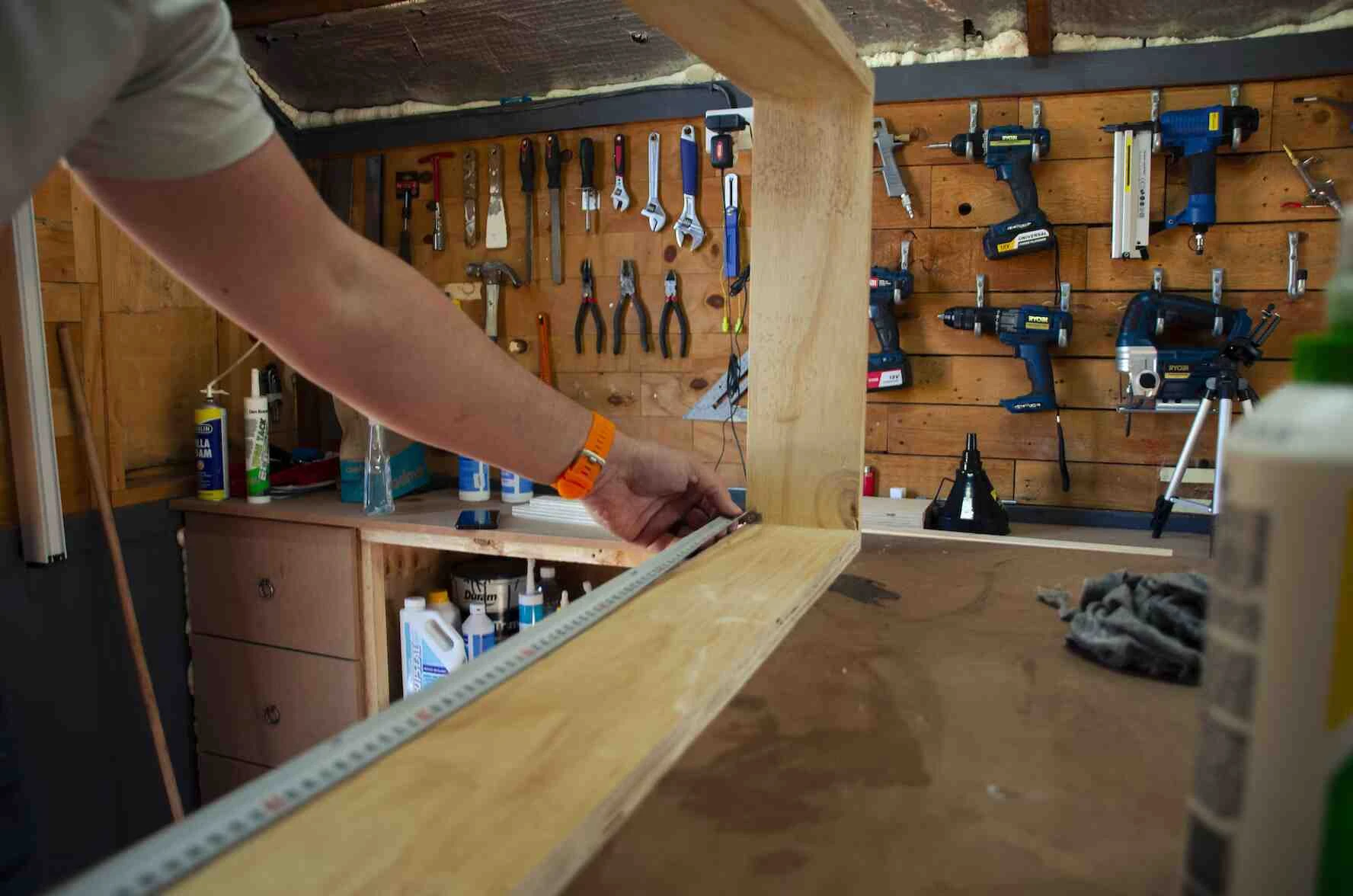
In carpentry, precision isn"t just about chiselling wood; it"s about chiselling a successful business. Financial stability and growth are the building blocks of a carpentry enterprise. Welcome to "Cra...

In the world of woodworking, creating something beautiful is not just an art—it"s a responsibility. A responsibility towards the craft, the client, and most importantly, the safety and well-bein...
Sign up to start winning an unlimited amount of jobs near you.


 Electrician
Gas Engineer
Electrician
Gas Engineer


Send more enquiries and explore your options
Increasing the number of potentials leads for you!
Have more control and flexibility over your finances!