



1. Soil Health: The Foundation of a Lush Lawn
The health of your lawn starts with the soil beneath it. Before anything else, test your soil to determine its pH and nutrient levels. Ideally, you want your soil to be slightly acidic (around 6.5 pH) and rich in organic matter. If necessary, amend your soil with compost or other organic materials to improve its quality.
2. Proper Mowing Techniques
Mowing your lawn may seem straightforward, but there"s more to it than meets the eye. Follow these guidelines for a well-maintained lawn:
- **Cutting Height:** Adjust your mower blade to the appropriate height for your grass type. In general, it"s best to follow the one-third rule, never removing more than one-third of the grass blade"s height at a time.
- **Sharp Blades:** Keep your mower blades sharp to prevent tearing the grass, which can lead to browning and disease.
- **Variety in Mowing Direction:** Change the direction you mow each time to prevent soil compaction and ensure even growth.
3. Adequate Watering
Proper watering is crucial for a healthy lawn. Here"s how to do it right:
- **Deep and Infrequent:** Water deeply and less frequently to encourage deep root growth. Aim for about 1 to 1.5 inches of water per week.
- **Early Morning:** Water your lawn in the early morning to minimize evaporation and prevent fungal diseases.
- **Avoid Overwatering:** Be mindful not to overwater, as it can lead to shallow root systems and susceptibility to pests and disease.
4. Fertilization for Growth
Fertilizing your lawn helps maintain its color and vigor. Use a balanced, slow-release fertilizer to provide essential nutrients gradually. Ideally, apply fertilizer in the spring and fall, when your grass is most active.
5. Weeding and Pest Control
Weeds and pests can quickly ruin the look of your lawn. Take these steps to keep them in check:
- **Regular Weeding:** Hand-pull weeds as they appear, or use targeted herbicides when necessary.
- **Insect Control:** Monitor for common lawn pests like grubs and apply insecticides as needed.
- **Disease Prevention:** Promote good air circulation and avoid overwatering to prevent fungal diseases.
6. Aeration and Dethatching
Aerating your lawn involves perforating the soil with small holes to improve air and water penetration. Dethatching, on the other hand, removes accumulated dead grass and debris. These practices help create a healthier environment for your lawn.
7. Seasonal Care
Different seasons require specific attention. In the spring, focus on seedling and fertilization. In the summer, prioritize watering and pest control. Fall is a prime time for overseeding and aeration. Winter calls for minimal maintenance but proper mowing height adjustments.
8. Meticulous Edging and Trimming
A well-defined edge can make your lawn look crisp and clean. Use a sharp edging tool to create clean lines along driveways, walkways, and flowerbeds. Regular trimming around trees and garden features prevents overgrowth and maintains a polished appearance.
Conclusion
Perfecting the art of lawn care is an ongoing process that requires dedication, patience, and a bit of know-how. By following these pro tips and staying attentive to your lawn"s needs, you can create a lush, green oasis in your own backyard. A beautifully manicured lawn not only enhances the aesthetics of your property but also provides a peaceful retreat for you and your loved ones to enjoy year-round. So, roll up your sleeves and get ready to transform your lawn into the envy of the neighborhood.
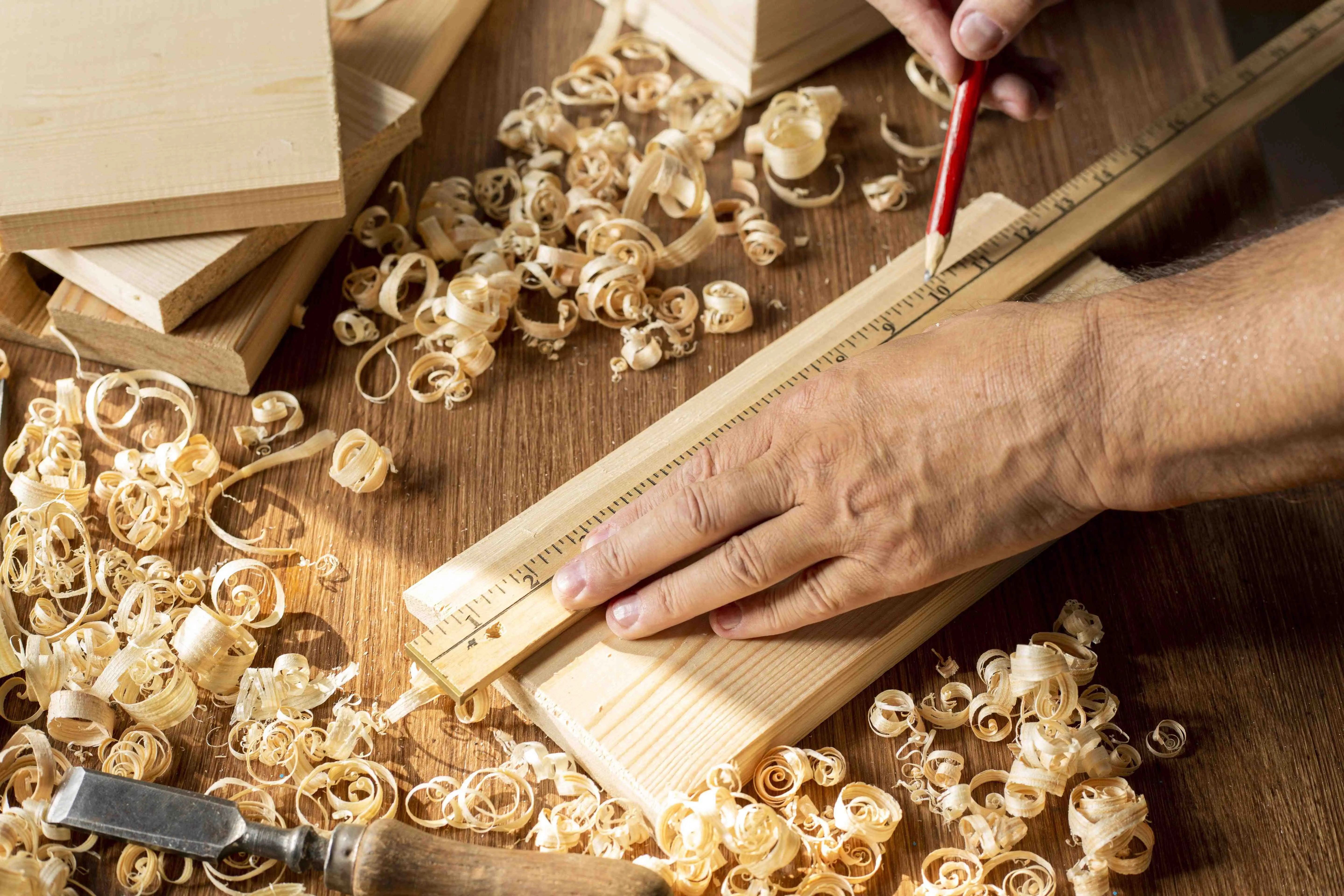
Introduction: In carpentry, time is money, and workflow is the pulse that keeps the business alive. Yet, many carpenters need help with a disjointed workflow, stifling efficiency and sapping the joy o...
.webp)
Introduction: Carpentry more than just a trade, is an art form. The journey to mastery involves constantly honing one"s skills, a voyage where every chisel stroke and nail-driven shapes not just ...

In the world of woodworking, every piece of timber tells a story - a tale of craftsmanship, dedication, and wisdom. For aspiring woodworkers and seasoned artisans alike, this blog is a collection of T...
In the world of woodworking, every piece crafted is a note in the symphony of a carpenter"s career. Yet, to compose a melodious tune, one must prioritize the conductor - their health and longevity. Th...
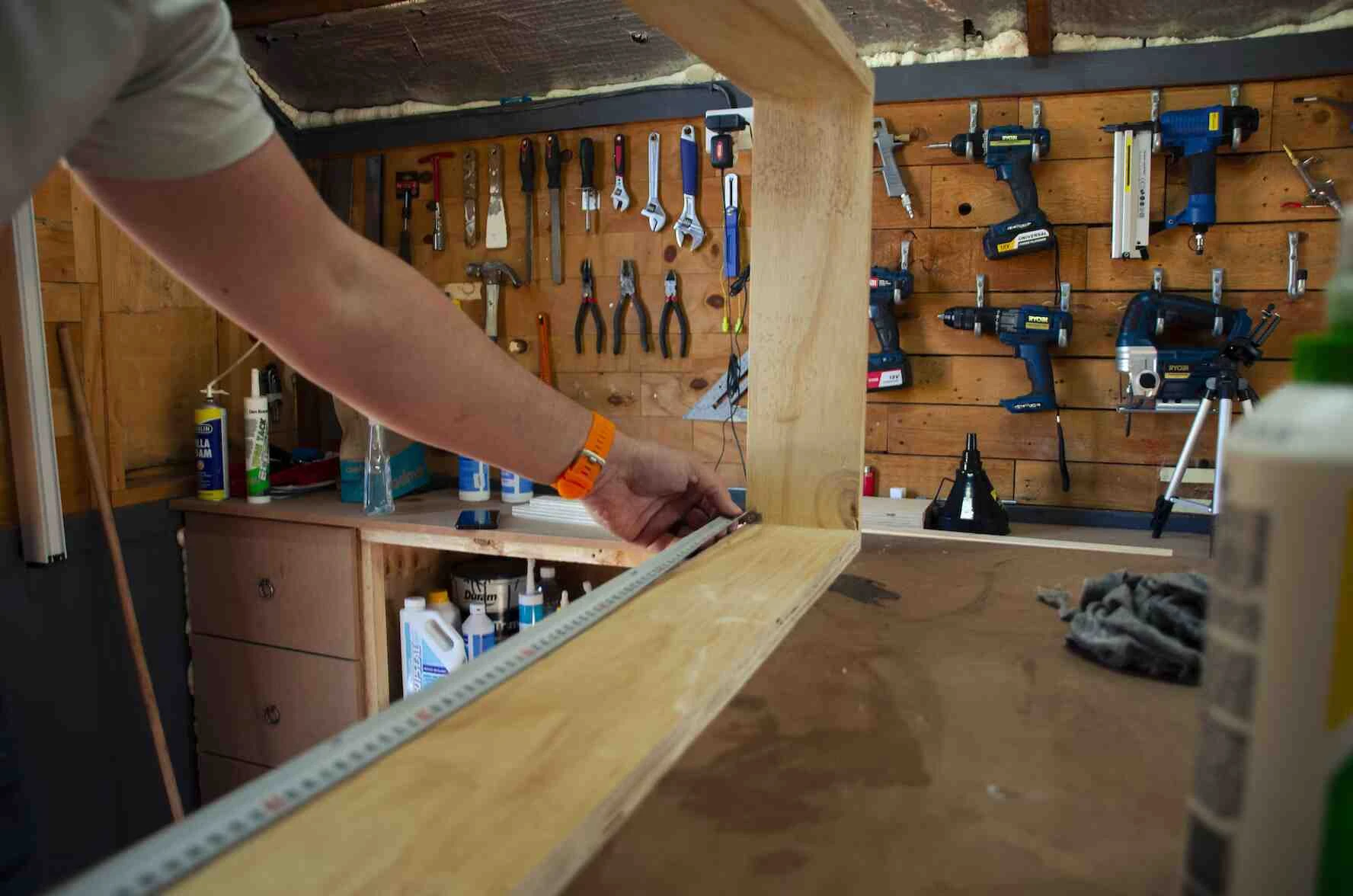
In carpentry, precision isn"t just about chiselling wood; it"s about chiselling a successful business. Financial stability and growth are the building blocks of a carpentry enterprise. Welcome to "Cra...

In the world of woodworking, creating something beautiful is not just an art—it"s a responsibility. A responsibility towards the craft, the client, and most importantly, the safety and well-bein...
Sign up to start winning an unlimited amount of jobs near you.


 Electrician
Gas Engineer
Electrician
Gas Engineer


Send more enquiries and explore your options
Increasing the number of potentials leads for you!
Have more control and flexibility over your finances!