



The Environmental Imperative
Environmental regulations, whether global or local, are put in place to protect the planet and its resources. Roofline work, which often involves the installation and maintenance of components like soffits, fascia, gutters, and downpipes, is not exempt from these regulations. Here"s how environmental concerns are influencing this industry:
1. **Sustainable Materials**: With a growing awareness of the need to reduce the environmental impact of construction, there is a shift towards using sustainable materials in roofline work. Timber products, for example, are increasingly sourced from certified sustainable forests, ensuring responsible and renewable harvesting.
2. **Recycling and Reuse**: Environmental regulations encourage the recycling and reuse of materials whenever possible. In roofline work, this means reusing existing components when they are in good condition and recycling old materials like uPVC, metal, or timber, rather than sending them to landfills.
3. **Energy Efficiency**: Sustainability in roofline work extends to the energy efficiency of the building. Proper insulation and ventilation systems in soffits and fascia can reduce energy consumption and lower a building"s carbon footprint, aligning with regulations that aim to decrease energy waste.
4. **Water Management**: Regulations often address issues of water runoff and pollution. In roofline work, it"s important to ensure that gutter and downpipe systems are designed to manage rainwater efficiently, preventing erosion and pollution of local water bodies.
5. **Hazardous Materials**: Some materials used in the past for roofline work, such as asbestos, are now regulated due to their harmful effects on health and the environment. Compliance with regulations regarding the removal and disposal of hazardous materials is crucial to avoid legal and environmental issues.
The Role of Compliance
Adhering to environmental regulations is not only a legal requirement but also a moral responsibility. Failure to comply can result in hefty fines, project delays, and damage to a company"s reputation. It"s essential to:
1. **Stay Informed**: Keeping abreast of current environmental regulations, permits, and building codes is essential. These rules can change over time, and not being up-to-date can lead to costly mistakes.
2. **Collaborate with Environmental Experts**: Consider working with environmental consultants who can provide guidance on regulatory compliance and help you make sustainable choices in materials and practices.
3. **Sustainable Practices**: Incorporating environmentally friendly practices, such as waste reduction, recycling, and responsible sourcing of materials, can make a significant difference in your roofline work.
4. **Training and Certification**: Ensure that your workforce is well-trained in environmental best practices and regulations. Certification programs in sustainable construction practices can be a valuable asset.
Conclusion
Environmental regulations are not only impacting roofline work but the construction industry as a whole. Sustainable practices and compliance with these regulations are not just trends but a fundamental shift towards responsible construction. By embracing these changes and adapting to the evolving environmental landscape, the roofing industry can contribute to a more sustainable and environmentally friendly future while continuing to provide vital services to homeowners and businesses. Compliance with these regulations is no longer just a legal requirement; it"s a necessity for the preservation of our planet and the prosperity of the industry.

The world of carpentry is buzzing with innovations, trends, and transformative technologies. For carpenters, keeping up with these changes isn"t just about staying ahead in the game; it"s about ensuri...

In an era where technology weaves through every facet of our lives, the carpentry profession is no exception to its transformative power. Welcome to "Carpentry Chronicles," a blog series dedicated to ...

Welcome to "Carpentry Chronicles," a blog series dedicated to navigating the ever-evolving landscape of carpentry. In this edition, we dive into a trend reshaping the carpentry domain—customizat...

In the bustling world of carpentry, safety isn"t just a precaution; it"s a fundamental necessity. Welcome to "Carpentry Chronicles," a blog series committed to navigating the ever-evolving landscape o...

In carpentry, where wood meets creativity, mastery is not just a goal; it"s a journey. Welcome to "Carpentry Chronicles," a blog series that peels back the layers of carpentry to reveal the artistry a...
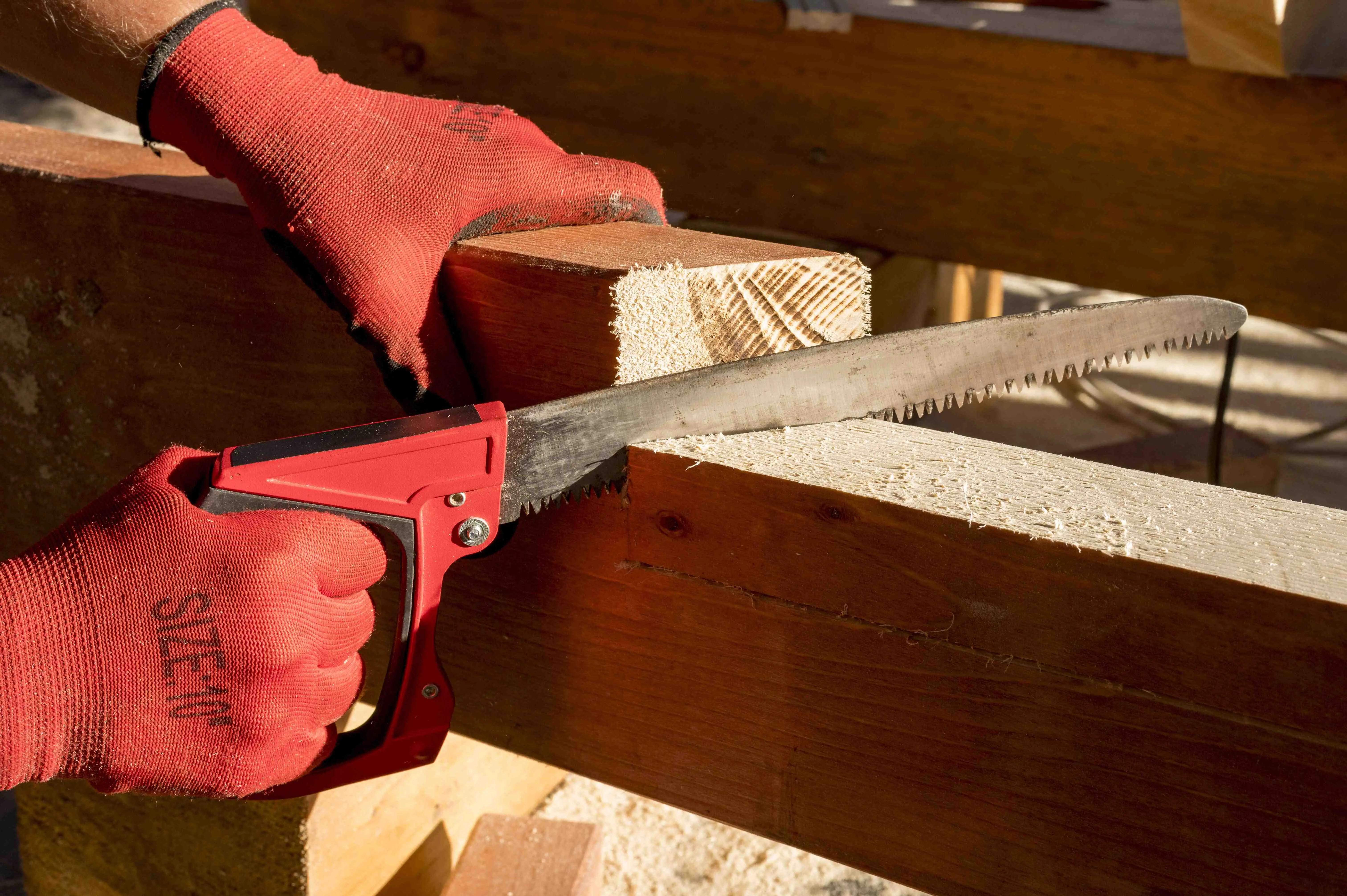
In the ever-evolving design landscape, where trends come and go, one element stands timeless—wood. Welcome to "Carpentry Chronicles," a blog series committed to navigating the dynamic world of c...
Sign up to start winning an unlimited amount of jobs near you.


 Electrician
Gas Engineer
Electrician
Gas Engineer


Send more enquiries and explore your options
Increasing the number of potentials leads for you!
Have more control and flexibility over your finances!