


The Green Revolution in Flooring
Flooring, once an afterthought in interior design, has evolved into a significant player in the green revolution. The materials used, manufacturing processes, and disposal of flooring products have all come under scrutiny as we strive to reduce our carbon footprint and preserve the environment. Let"s explore the key aspects of this green transformation.
Materials Matter
The choice of materials used in flooring plays a pivotal role in its environmental impact. Traditionally, flooring materials like vinyl, linoleum, and carpet have been criticized for their environmental impact due to the use of non-renewable resources and toxic chemicals. However, newer options like bamboo, cork, reclaimed wood, and even recycled materials are gaining popularity for their sustainability.
To ensure that flooring materials meet specific environmental standards, it"s crucial to consider the following regulations:
a. Forest Stewardship Council (FSC): FSC certification ensures that wood and wood-based products come from responsibly managed forests, promoting sustainable forestry practices.
b. Cradle to Cradle (C2C) Certification: This certification evaluates products based on their impact on human and environmental health throughout their entire lifecycle, encouraging the use of safe materials and promoting recyclability.
c. Greenguard Certification: Greenguard certification focuses on indoor air quality by setting strict limits on the emissions of volatile organic compounds (VOCs) from flooring materials.
Manufacturing Practices
The environmental impact of flooring doesn"t stop at the choice of materials; it extends to the manufacturing process. Regulations are in place to encourage responsible production methods that reduce waste and energy consumption. Compliance with these regulations not only benefits the environment but also helps manufacturers maintain a competitive edge.
a. ISO 14001: ISO 14001 is an international standard for environmental management systems. Companies that adhere to ISO 14001 guidelines demonstrate their commitment to reducing their environmental impact by improving resource efficiency and minimizing waste.
b. LEED Certification: Leadership in Energy and Environmental Design (LEED) is a globally recognized green building rating system. Flooring products that meet LEED requirements can contribute to a building"s overall certification, making them highly sought after in the market.
Regulatory Bodies and Compliance
Various governmental and non-governmental bodies around the world oversee environmental regulations in the flooring industry. Understanding these regulations is essential for both manufacturers and consumers to ensure compliance and make informed choices.
a. The Environmental Protection Agency (EPA): In the United States, the EPA regulates the use of chemicals in flooring products to protect the environment and public health. Compliance with EPA regulations is essential to avoid legal repercussions and maintain a positive brand image.
b. European Union Timber Regulation (EUTR): The EUTR prohibits the placement of illegally harvested timber and timber products on the EU market. Companies importing flooring materials into the EU must adhere to strict due diligence requirements.
Consumer Awareness
As consumers become more eco-conscious, they demand transparency and accountability from flooring manufacturers and retailers. This growing awareness has led to a surge in environmentally friendly flooring options and increased pressure on the industry to adopt sustainable practices.
a. Product Labeling: Eco-friendly labels and certifications, such as Energy Star, FSC, and FloorScore, help consumers identify environmentally responsible flooring products. These labels provide assurance that the product meets specific environmental standards.
b. Education: Flooring retailers can play a pivotal role in educating consumers about the environmental impact of different flooring options. Empowering consumers with knowledge allows them to make informed choices that align with their values.
Conclusion
Navigating environmental regulations in the flooring industry is a complex but necessary endeavor. As the demand for sustainable and environmentally responsible flooring options continues to grow, manufacturers and retailers must adapt to stay competitive. By adhering to stringent regulations, embracing eco-friendly materials and manufacturing practices, and empowering consumers with knowledge, the flooring industry can contribute to a greener, more sustainable future.
In the end, it"s not just about compliance with regulations; it"s about embracing a mindset of environmental stewardship and taking proactive steps to minimize the ecological footprint of the products we create and choose to use in our homes and workplaces. By doing so, we can create a world where beautiful, durable, and eco-friendly flooring options are readily available and accessible to all.

The world of carpentry is buzzing with innovations, trends, and transformative technologies. For carpenters, keeping up with these changes isn"t just about staying ahead in the game; it"s about ensuri...
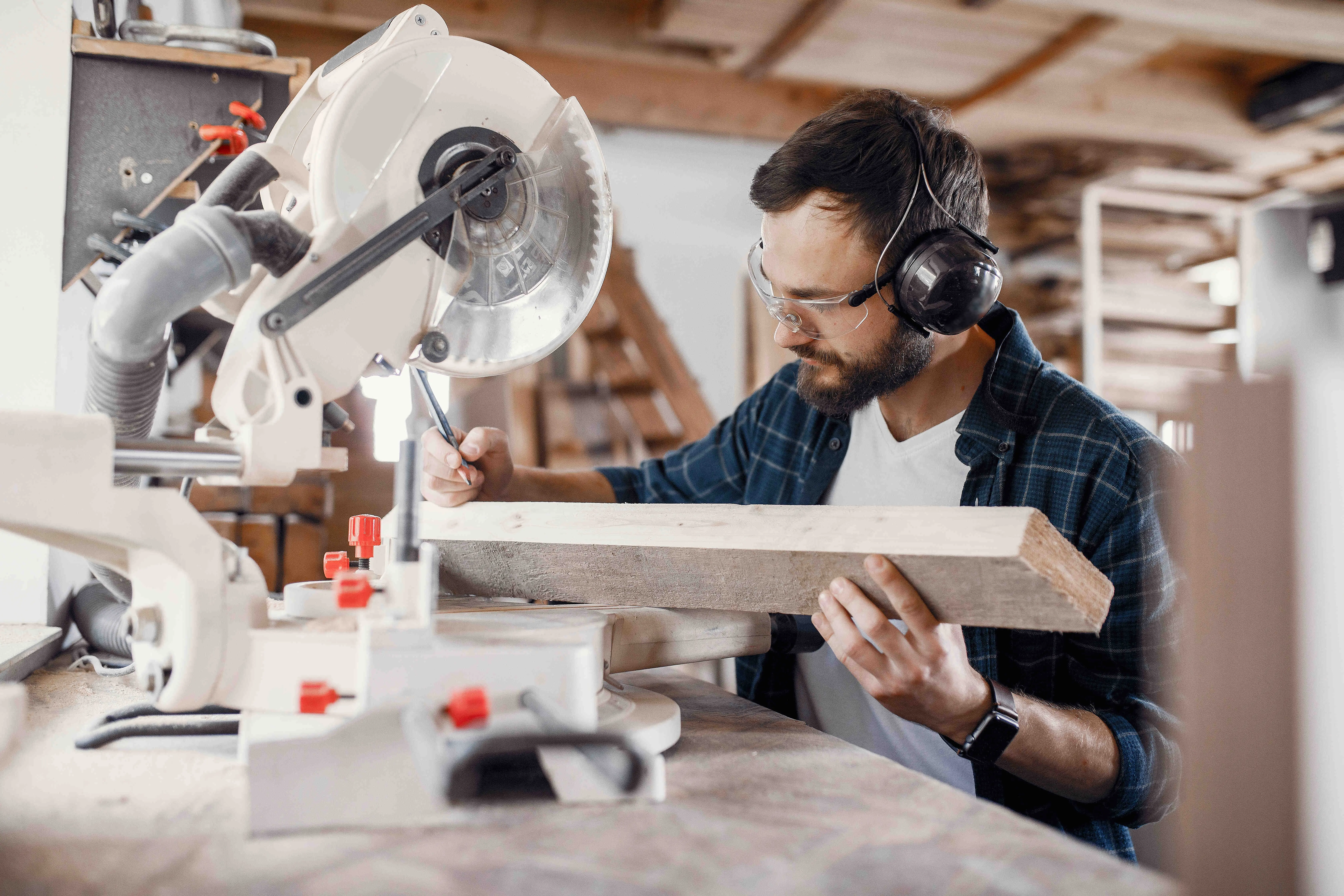
In an era where technology weaves through every facet of our lives, the carpentry profession is no exception to its transformative power. Welcome to "Carpentry Chronicles," a blog series dedicated to ...

Welcome to "Carpentry Chronicles," a blog series dedicated to navigating the ever-evolving landscape of carpentry. In this edition, we dive into a trend reshaping the carpentry domain—customizat...

In the bustling world of carpentry, safety isn"t just a precaution; it"s a fundamental necessity. Welcome to "Carpentry Chronicles," a blog series committed to navigating the ever-evolving landscape o...

In carpentry, where wood meets creativity, mastery is not just a goal; it"s a journey. Welcome to "Carpentry Chronicles," a blog series that peels back the layers of carpentry to reveal the artistry a...

In the ever-evolving design landscape, where trends come and go, one element stands timeless—wood. Welcome to "Carpentry Chronicles," a blog series committed to navigating the dynamic world of c...
Sign up to start winning an unlimited amount of jobs near you.


 Electrician
Gas Engineer
Electrician
Gas Engineer


Send more enquiries and explore your options
Increasing the number of potentials leads for you!
Have more control and flexibility over your finances!