


**1. Understand the Basics of Pruning**
Before diving into the expert tips, it"s essential to understand the basics of pruning. Pruning is the process of selectively removing specific parts of a plant, such as branches, leaves, or buds. It serves multiple purposes, including:
- **Promoting Growth**: Pruning encourages new growth by removing old, dead, or damaged parts of the plant. This helps redirect the plant"s energy towards producing new, healthy growth.
- **Enhancing Aesthetics**: Pruning can shape a plant and improve its overall appearance. It"s a valuable tool for maintaining the desired size and form of your garden.
- **Preventing Disease and Pest Problems**: Removing diseased or infested branches can prevent the spread of issues and maintain plant health.
- **Increasing Flower and Fruit Production**: Proper pruning can stimulate increased flowering and fruiting by allowing more sunlight and air circulation.
**2. Timing Is Everything**
One of the most critical aspects of pruning is timing. Different plants have different pruning requirements, and knowing when to prune is essential. As a general rule, prune:
- **Dead or Diseased Branches**: Anytime you spot them.
- **Spring-Flowering Shrubs**: Right after they bloom in late spring or early summer.
- **Summer-Flowering Shrubs**: Prune them in late winter or early spring before new growth begins.
- **Evergreen Trees and Shrubs**: Prune in late winter when they"re dormant.
- **Deciduous Trees**: Best pruned in late fall or winter when they are leafless.
**3. Use the Right Tools**
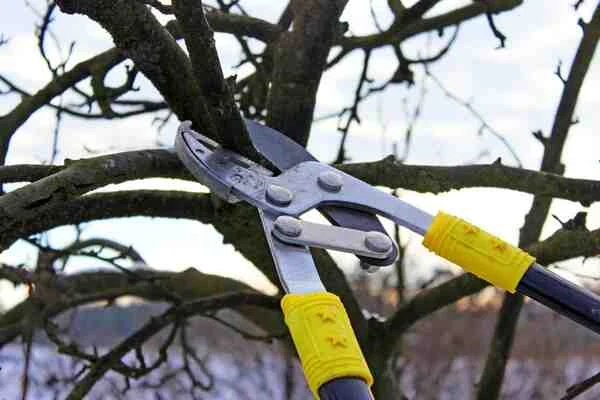
Pruning is only as good as the tools you use. Invest in high-quality, sharp pruning shears, loppers, and saws. Dull blades can damage the plant, making it susceptible to disease. Keep your tools clean and well-maintained for precision cuts.
**4. Understand Pruning Techniques**
There are various pruning techniques, each serving a specific purpose:
- **Thinning**: Removing entire branches back to the trunk or a main branch to improve air circulation and reduce density.
- **Heading Back**: Reducing the length of branches to encourage bushier growth.
- **Pinching**: Nipping off the tips of young shoots or stems to encourage branching and a fuller look.
- **Deadheading**: Removing spent flowers to encourage more blooms.
- **Crown Reduction**: Reducing the height of a tree by cutting back the upper branches.
**5. Pay Attention to Angles and Cuts**
When making cuts, aim for a 45-degree angle just above a bud or lateral branch. This promotes healing and growth. Avoid leaving stubs or making flush cuts, as both can harm the plant.
**6. Be Mindful of the 3 Ds**
When deciding what to prune, focus on the "3 Ds": Dead, Diseased, and Damaged. Remove these first, as they pose the most significant threat to your plant"s health.
**7. Step Back and Assess**
Before you start pruning, take a step back and evaluate the plant. Consider your end goals, whether it"s shaping, rejuvenation, or maintenance. This will help you make more informed decisions about what to cut and how to achieve the desired results.
**8. Don"t Overdo It**
It"s easy to get carried away when pruning, but less is often more. Over-pruning can stress the plant and hinder its growth. Start conservatively, and you can always remove more later if necessary.
**9. Practice Patience**
After pruning, give your plants time to recover. They may not look their best immediately, but with patience, they will bounce back stronger and healthier.
**10. Seek Expert Advice**
If you"re unsure about how to prune a specific plant or tree, don"t hesitate to seek advice from a local nursery or a professional arborist. They can provide tailored guidance for your specific needs.
In conclusion, mastering the art of pruning is a valuable skill for any gardener. By understanding the basics, using the right tools, and employing the proper techniques, you can ensure the health and beauty of your plants for years to come. Happy pruning!
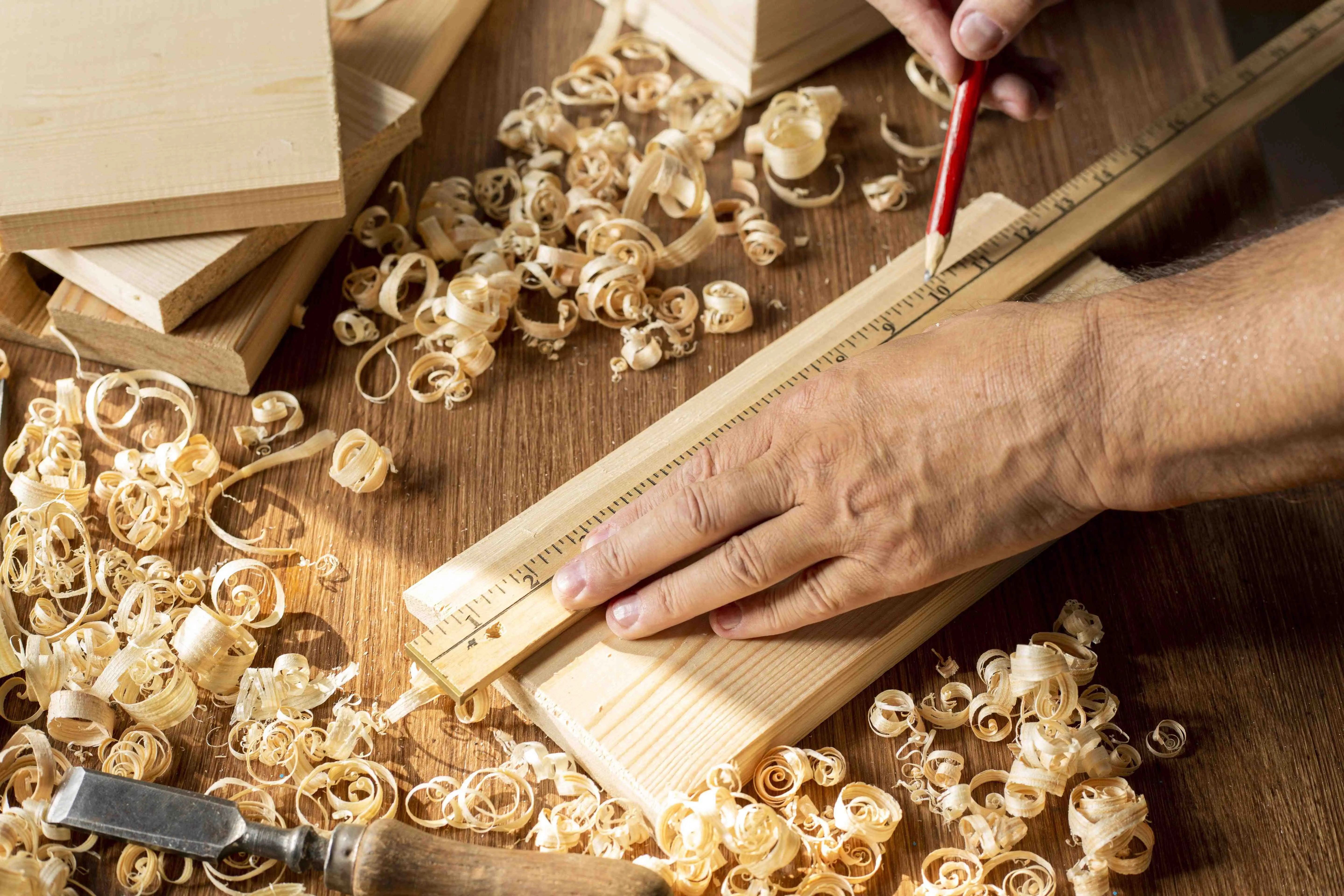
Introduction: In carpentry, time is money, and workflow is the pulse that keeps the business alive. Yet, many carpenters need help with a disjointed workflow, stifling efficiency and sapping the joy o...
.webp)
Introduction: Carpentry more than just a trade, is an art form. The journey to mastery involves constantly honing one"s skills, a voyage where every chisel stroke and nail-driven shapes not just ...

In the world of woodworking, every piece of timber tells a story - a tale of craftsmanship, dedication, and wisdom. For aspiring woodworkers and seasoned artisans alike, this blog is a collection of T...
In the world of woodworking, every piece crafted is a note in the symphony of a carpenter"s career. Yet, to compose a melodious tune, one must prioritize the conductor - their health and longevity. Th...
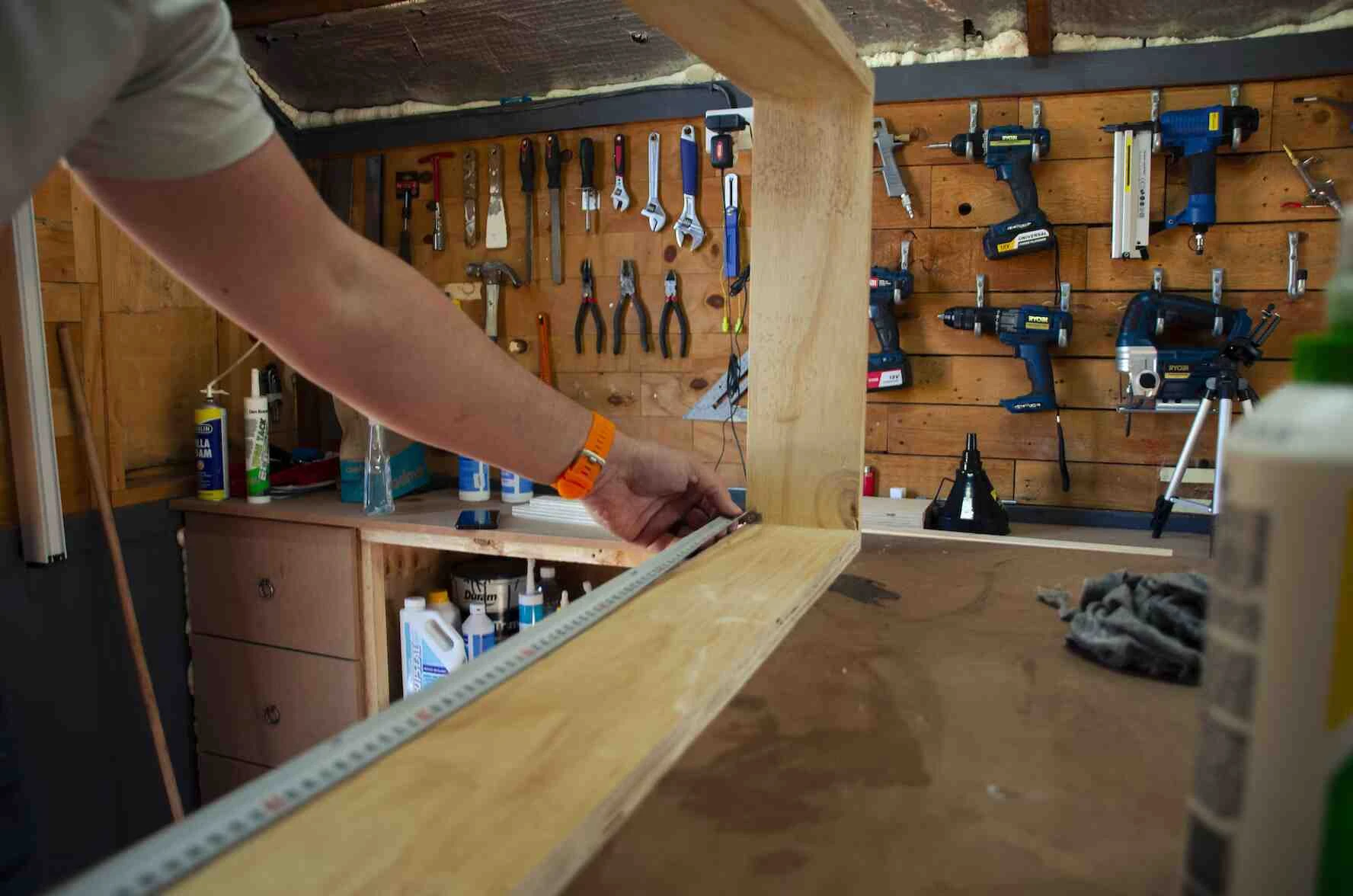
In carpentry, precision isn"t just about chiselling wood; it"s about chiselling a successful business. Financial stability and growth are the building blocks of a carpentry enterprise. Welcome to "Cra...

In the world of woodworking, creating something beautiful is not just an art—it"s a responsibility. A responsibility towards the craft, the client, and most importantly, the safety and well-bein...
Sign up to start winning an unlimited amount of jobs near you.


 Electrician
Gas Engineer
Electrician
Gas Engineer


Send more enquiries and explore your options
Increasing the number of potentials leads for you!
Have more control and flexibility over your finances!