


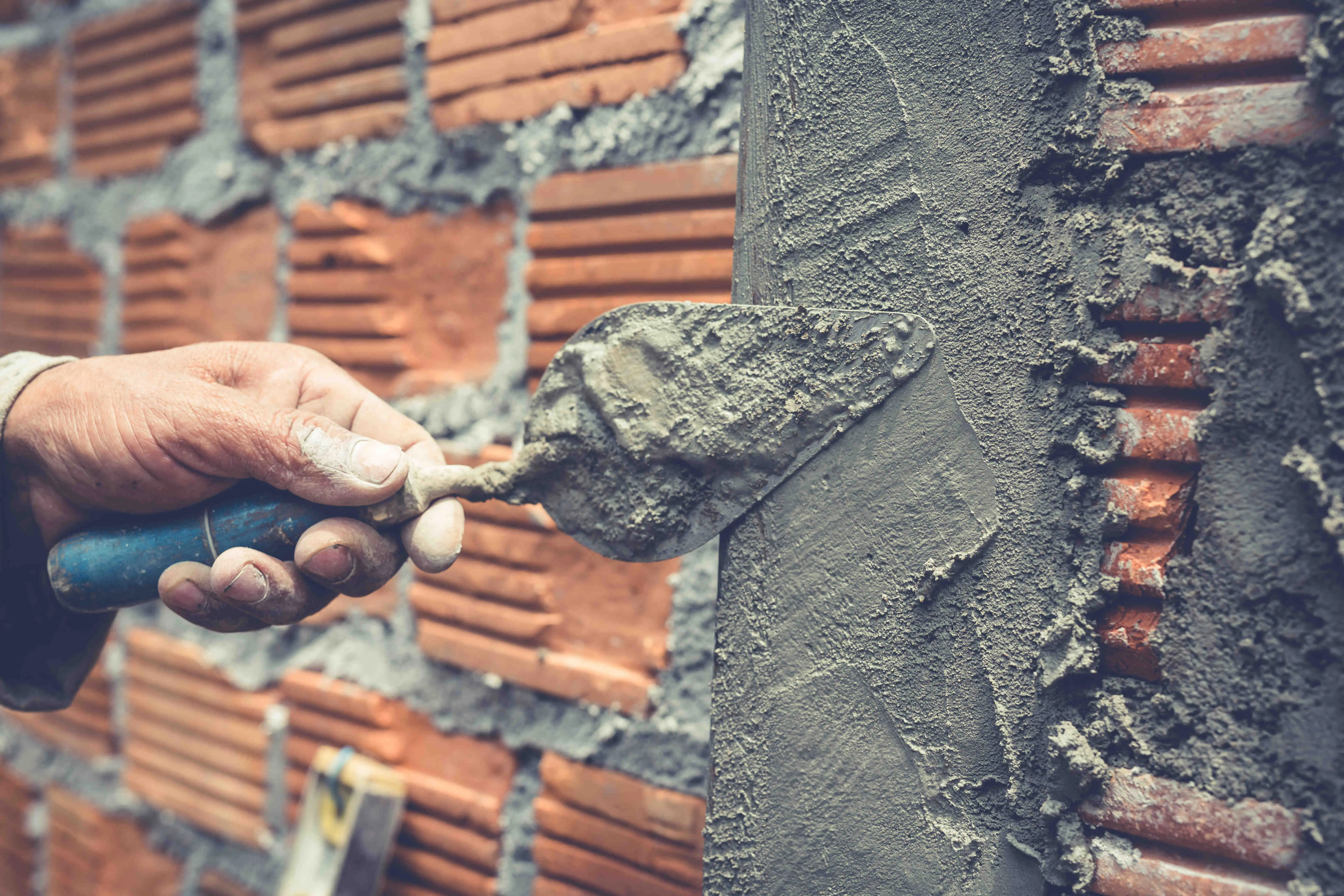
What is Pointing and Repointing Brickwork?
Before we dive into the intricacies of mastering the art, let"s clarify what pointing and repointing brickwork actually entail.
Pointing: Pointing is the process of applying a mortar or cement mixture between the joints of brickwork to seal and protect them. It serves several crucial functions, including enhancing the structural stability of the wall, preventing water penetration, and maintaining the overall appearance of the brickwork.
Repointing: Repointing, on the other hand, is the act of removing deteriorated or damaged mortar from the joints and replacing it with new mortar. This process is vital for restoring the structural integrity and aesthetic appeal of brickwork.
Why is Pointing and Repointing Necessary?
Pointing and repointing may seem like tedious tasks, but they are essential for several reasons:
Waterproofing: The mortar joints between bricks are susceptible to water infiltration over time. Proper pointing and repointing prevent moisture from seeping into the structure, which can cause damage and weaken the wall"s integrity.
Structural Integrity: Old and damaged mortar can compromise the structural stability of brickwork. Repointing strengthens the wall by providing fresh, secure mortar.
Aesthetic Appeal: Well-maintained mortar joints contribute significantly to the overall appearance of brickwork. Crumbling or discolored mortar can make a building look shabby and neglected.
Preventing Further Damage: Ignoring deteriorating mortar joints can lead to more extensive and expensive repairs in the future. Timely pointing and repointing can save you from more significant headaches down the road.
Materials and Tools for Pointing and Repointing
To master the art of pointing and repointing brickwork, you need the right materials and tools. Here"s what you"ll require:
Mortar Mix: Choose a mortar mix that matches the original composition as closely as possible. Mortar mixes come in various types, including Type N, Type S, and Type O, each with different properties suited for specific applications.
Trowel: A trowel is a flat, pointed tool used for spreading and smoothing mortar.
Pointing Trowel: This smaller, pointed trowel is designed for precision work in mortar joints.
Masonry Jointer: A masonry jointer or a joint raker is used to shape the mortar joints and create a neat finish.
Wire Brush: A wire brush is essential for cleaning out old mortar from the joints before repointing.
Bucket and Water: You"ll need a bucket for mixing mortar and water for wetting the mortar mix.
Safety Gear: Don"t forget safety gear, including gloves and safety glasses, to protect yourself while working with mortar.
The Art of Pointing Brickwork
Now that you have your materials and tools ready, it"s time to master the art of pointing brickwork. Follow these steps for a successful pointing job:
1. Prepare the Surface:
Start by examining the existing mortar joints. If they are deteriorating or loose, you"ll need to remove them before proceeding.
Use the wire brush to clean out any loose or damaged mortar from the joints. Ensure that the joints are clean and free from debris.
2. Mix the Mortar:
Follow the manufacturer"s instructions to mix the mortar to the desired consistency. It should have a workable, but not too runny, texture.
3. Apply the Mortar:
Use the pointing trowel to carefully fill the mortar joints. Press the mortar firmly into the joints, ensuring there are no gaps or air pockets.
Feather the mortar edges to create a smooth transition between the brick and the mortar.
4. Shape the Joints:
While the mortar is still wet, use the masonry jointer to shape and finish the joints. You can create different profiles, such as concave, flush, or weathered, depending on your preference and the style of the building.
5. Clean the Bricks:
Be sure to clean any excess mortar from the face of the bricks using a damp sponge or brush before it dries.
6. Cure the Mortar:
Mortar requires time to cure properly. Keep it damp for several days to allow it to set and harden.
The Art of Repointing Brickwork
Repointing brickwork is a bit more involved than pointing, as it involves removing old mortar before adding new. Here"s how to master the art of repointing:
1. Safety First:
Begin by wearing the necessary safety gear, including gloves and safety glasses.
2. Remove Old Mortar:
Use a chisel or mortar removal tool to carefully chip away the old, deteriorating mortar. Be gentle to avoid damaging the bricks.
Clean out the joints thoroughly with a wire brush to ensure there is no loose debris.
3. Mix New Mortar:
Mix the mortar as you would for pointing, following the manufacturer"s instructions.
4. Apply New Mortar:
Use the pointing trowel to press the new mortar into the cleaned joints, making sure it fills the entire depth of the joint.
Shape the joints with a masonry jointer to match the desired profile.
5. Clean and Cure:
Clean any excess mortar from the face of the bricks with a damp sponge or brush.
Keep the repointed area damp for several days to allow the mortar to cure properly.
Tips for Success
Mastering the art of pointing and repointing brickwork takes practice and attention to detail. Here are some additional tips to ensure a successful job:
Plan Ahead: Before you start, assess the extent of the work needed and gather all necessary materials and tools.
Work in Small Sections: Focus on one small section at a time, especially when repointing. This ensures that the mortar doesn"t dry out before you finish shaping it.
Match the Existing Mortar: Try to match the color and texture of the existing mortar as closely as possible for a seamless finish.
Practice Makes Perfect: If you"re new to pointing and repointing, practice on a small, inconspicuous area before tackling a larger project.
Maintain a Consistent Mortar Mix: Keep the mortar mix consistent throughout the project to maintain a uniform appearance.
Conclusion
Pointing and repointing brickwork is indeed an art that requires patience, precision, and practice. When done correctly, it not only enhances the structural integrity of the brickwork but also adds to its timeless aesthetic appeal. Whether you"re preserving a historic building or maintaining a modern structure, mastering the art of pointing and repointing
Introduction: In carpentry, time is money, and workflow is the pulse that keeps the business alive. Yet, many carpenters need help with a disjointed workflow, stifling efficiency and sapping the joy o...
.webp)
Introduction: Carpentry more than just a trade, is an art form. The journey to mastery involves constantly honing one"s skills, a voyage where every chisel stroke and nail-driven shapes not just ...
In the world of woodworking, every piece of timber tells a story - a tale of craftsmanship, dedication, and wisdom. For aspiring woodworkers and seasoned artisans alike, this blog is a collection of T...

In the world of woodworking, every piece crafted is a note in the symphony of a carpenter"s career. Yet, to compose a melodious tune, one must prioritize the conductor - their health and longevity. Th...
In carpentry, precision isn"t just about chiselling wood; it"s about chiselling a successful business. Financial stability and growth are the building blocks of a carpentry enterprise. Welcome to "Cra...

In the world of woodworking, creating something beautiful is not just an art—it"s a responsibility. A responsibility towards the craft, the client, and most importantly, the safety and well-bein...
Sign up to start winning an unlimited amount of jobs near you.


 Electrician
Gas Engineer
Electrician
Gas Engineer


Send more enquiries and explore your options
Increasing the number of potentials leads for you!
Have more control and flexibility over your finances!