



## 1. Understanding Groundwork Risks:
### Overview:
Understanding the specific risks associated with groundwork projects lays the foundation for effective risk management.
### Execution:
- Risk Identification: Conduct a comprehensive risk assessment to identify potential hazards and challenges.
- Categorization: Categorize risks into project-specific, environmental, financial, and regulatory categories.
## 2. Robust Contractual Agreements:
### Overview:
Clear and well-structured contracts serve as crucial risk mitigation tools, establishing expectations and responsibilities.
### Execution:
- Detailed Scope of Work: Clearly define the scope of work, including project deliverables, timelines, and specifications.
- Risk Allocation: Clearly stipulate how risks will be allocated among project stakeholders in the contract.
- Legal Review: Have contracts reviewed by legal professionals to ensure enforceability.
## 3. Insurance Coverage:
### Overview:
Comprehensive insurance coverage is a key component of risk management, providing financial protection in case of unforeseen events.
### Execution:
- Liability Insurance: Obtain liability insurance to cover potential damages or injuries.
- Equipment Insurance: Insure machinery and equipment against damage or loss.
- Worker"s Compensation: Ensure adequate worker"s compensation coverage for employee injuries.
## 4. Geotechnical Investigation:
### Overview:
Conducting thorough geotechnical investigations helps in understanding soil conditions and mitigating foundation-related risks.
### Execution:
- Site Analysis: Perform site-specific geotechnical investigations to understand soil composition.
- Engage Experts: Consult with geotechnical engineers to interpret soil data and recommend appropriate foundation designs.
- Foundation Adaptations: Adapt foundation designs based on geotechnical findings to mitigate settlement risks.
## 5. Project Planning and Scheduling:
### Overview:
Effective project planning and scheduling help in anticipating and managing risks associated with timelines and deadlines.
### Execution:
- Realistic Timelines: Set realistic project timelines considering potential delays due to weather, unexpected site conditions, or regulatory approvals.
- Contingency Plans: Develop contingency plans for potential delays and disruptions.
- Regular Updates: Keep stakeholders informed through regular project updates, especially if there are deviations from the original schedule.
## 6. Regulatory Compliance:
### Overview:
Adhering to regulatory requirements is critical for avoiding legal and financial risks associated with non-compliance.
### Execution:
- Environmental Regulations: Stay informed about and comply with environmental regulations related to excavation and land development.
- Permitting: Ensure that all necessary permits are obtained before commencing work.
- Ongoing Compliance Checks: Regularly review and update compliance protocols based on regulatory changes.
## 7. Financial Risk Management:
### Overview:
Sound financial management is essential for mitigating risks related to budget overruns, unexpected costs, and financial uncertainties.
### Execution:
- Accurate Estimations: Invest time and resources in accurate project estimations to avoid budget overruns.
- Financial Contingency: Allocate a financial contingency fund for unexpected expenses.
- Regular Financial Reviews: Conduct regular financial reviews to identify and address potential issues.
## 8. Employee Training and Safety Programs:
### Overview:
Prioritizing employee training and safety programs reduces the risk of accidents and ensures a secure working environment.
### Execution:
- Safety Training: Implement comprehensive safety training programs for all employees.
- Personal Protective Equipment (PPE): Enforce the use of proper PPE on job sites.
- Incident Reporting: Establish clear protocols for reporting and addressing safety incidents.
## 9. Vendor and Supplier Relationships:
### Overview:
Effective relationships with vendors and suppliers are crucial for securing timely and quality materials, reducing supply chain risks.
### Execution:
- Due Diligence: Conduct due diligence when selecting vendors and suppliers.
- Contractual Agreements: Establish clear contractual agreements outlining delivery schedules, quality standards, and penalties for non-compliance.
- Diversification: Diversify suppliers to reduce dependency on a single source.
## 10. Crisis Management Plans:
### Overview:
Having a well-defined crisis management plan enables quick and effective responses to unexpected events.
### Execution:
- Emergency Response Team: Establish an emergency response team and define roles and responsibilities.
- Communication Protocols: Clearly define communication protocols for internal and external stakeholders.
- Training and Drills: Conduct regular training sessions and drills to ensure everyone is familiar with crisis response procedures.
## Conclusion: Navigating Uncertainties with Confidence
Managing risks in groundwork projects is a dynamic process that requires vigilance, adaptability, and a proactive approach. By adopting a comprehensive risk management strategy, groundwork contractors can navigate uncertainties with confidence, safeguard their business interests, and ensure the successful completion of projects. In an industry where challenges are inherent, effective risk management becomes the cornerstone of resilience and longevity, allowing groundwork businesses to thrive in a competitive and ever-evolving environment.

In the dynamic world of architecture, where creativity meets functionality, architects often find themselves at the intersection of artistic vision and practical necessity. Yet, in this complex dance ...

In the world of architecture, the delicate dance between creativity and budget constraints is a constant challenge. Clients often come with grand design visions, while architects must ensure that thes...

In the dynamic and highly competitive world of architecture, successful marketing strategies are essential to stand out in the crowd, attract potential clients, and grow architectural businesses. From...

Sustainable architecture stands at the forefront of modern building design, championing environmental responsibility, resource efficiency, and a harmonious coexistence with nature. In a world facing p...

Negotiating contracts and agreements between architects and clients is a crucial aspect of any architectural project. These documents outline the scope of work, responsibilities, and expectations, set...
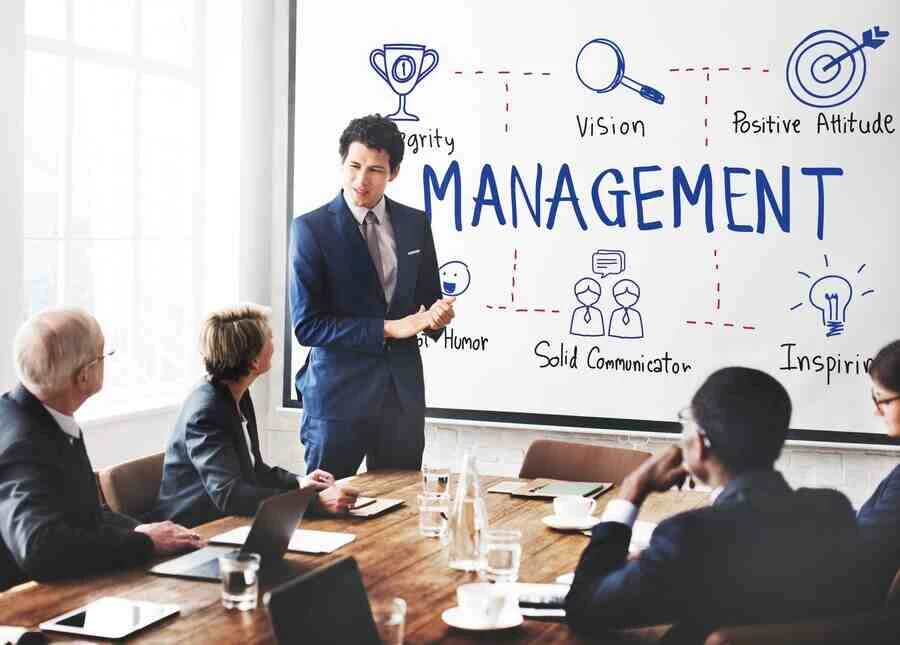
In the fast-paced world of architecture, effective project management is essential for delivering successful projects on time and within budget. With the increasing complexity of architectural...
Sign up to start winning an unlimited amount of jobs near you.


 Electrician
Gas Engineer
Electrician
Gas Engineer


Send more enquiries and explore your options
Increasing the number of potentials leads for you!
Have more control and flexibility over your finances!