



## Understanding Electrical Project Risks
Electrical projects entail various risks that can be categorized into several key areas:
### 1. Safety Risks
Electrical work poses inherent safety risks, including electrical shock, arc flashes, and fires. Failure to manage these risks can lead to injuries or fatalities.
### 2. Technical Risks
The complexity of electrical systems can result in technical risks, such as equipment failure, design flaws, and compatibility issues.
### 3. Environmental Risks
Environmental concerns include potential harm to ecosystems, as well as compliance with regulations related to hazardous materials and waste disposal.
### 4. Budgetary Risks
Cost overruns are common in construction projects. Electrical projects are no exception, and overruns can result from unforeseen technical issues or scope changes.
### 5. Regulatory and Compliance Risks
Adhering to local and national electrical codes and regulations is essential. Non-compliance can lead to costly delays, fines, or even project shutdowns.
## Steps in Effective Risk Management
To mitigate these risks, electrical project managers should follow a structured risk management process:
### 1. Risk Identification
The first step is to identify and document all potential risks associated with the project. Engage with your team, including electricians, engineers, and safety experts, to gather their input.
### 2. Risk Assessment
Once identified, assess each risk"s likelihood and potential impact. Categorize risks as low, medium, or high to prioritize efforts.
### 3. Risk Mitigation
Develop strategies to mitigate and manage risks. This may involve design modifications, safety protocols, redundancy measures, or quality control processes.
### 4. Risk Monitoring
Ongoing monitoring is crucial. Regularly review your risk assessment and mitigation strategies, and adjust as needed based on project developments.
### 5. Contingency Planning
For high-priority risks, establish contingency plans. This ensures you"re prepared to address potential issues promptly and effectively.
### 6. Communication
Effective communication is essential to ensure all team members are aware of the identified risks, mitigation strategies, and their roles in the process.
## Safety First: Electrical Risk Management
In electrical projects, safety is paramount. Here are specific safety-focused steps to manage risks:
### 1. Training and Certification
Ensure that all personnel involved in the project are adequately trained and certified for their tasks. This includes electrical workers, safety officers, and project managers.
### 2. Safety Protocols
Establish and enforce stringent safety protocols. These should include electrical safety procedures, personal protective equipment (PPE) requirements, and emergency response plans.
### 3. Audits and Inspections
Conduct regular audits and inspections to verify compliance with safety regulations and protocols. Address any non-compliance promptly.
### 4. Incident Reporting
Create a culture of incident reporting. Encourage team members to report near misses and safety concerns without fear of reprisal.
### 5. Continuous Education
Stay informed about the latest safety standards and best practices in the electrical industry. Incorporate these updates into your project"s safety protocols.
## Conclusion
Managing risk in electrical projects is a multifaceted task that requires dedication, planning, and a vigilant commitment to safety. By understanding and addressing potential risks, following a structured risk management process, and prioritizing safety, you can increase the likelihood of a successful electrical project while minimizing potential negative outcomes. In this field, safety is non-negotiable, and an effective risk management strategy is the key to achieving both project success and the well-being of all involved.

In the dynamic world of architecture, where creativity meets functionality, architects often find themselves at the intersection of artistic vision and practical necessity. Yet, in this complex dance ...
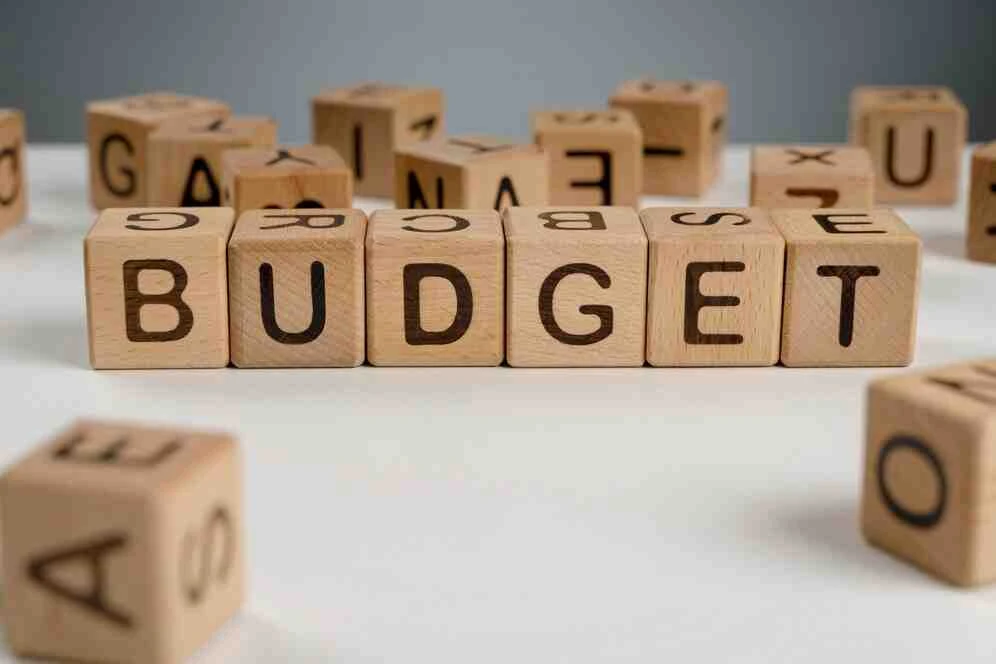
In the world of architecture, the delicate dance between creativity and budget constraints is a constant challenge. Clients often come with grand design visions, while architects must ensure that thes...

In the dynamic and highly competitive world of architecture, successful marketing strategies are essential to stand out in the crowd, attract potential clients, and grow architectural businesses. From...

Sustainable architecture stands at the forefront of modern building design, championing environmental responsibility, resource efficiency, and a harmonious coexistence with nature. In a world facing p...

Negotiating contracts and agreements between architects and clients is a crucial aspect of any architectural project. These documents outline the scope of work, responsibilities, and expectations, set...

In the fast-paced world of architecture, effective project management is essential for delivering successful projects on time and within budget. With the increasing complexity of architectural...
Sign up to start winning an unlimited amount of jobs near you.


 Electrician
Gas Engineer
Electrician
Gas Engineer


Send more enquiries and explore your options
Increasing the number of potentials leads for you!
Have more control and flexibility over your finances!