


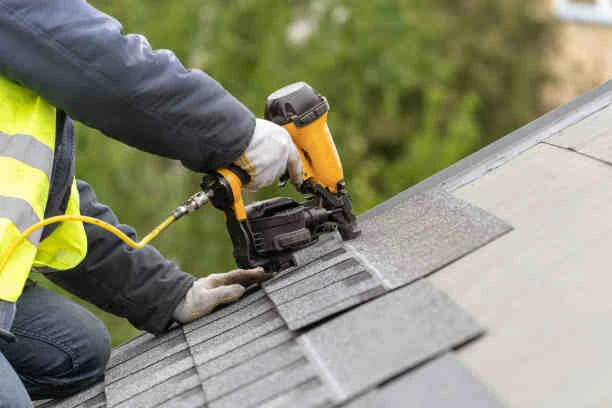
1. Traditional Pitched Roof
A traditional pitched roof, with its classic gable design, is a timeless choice for extensions. It seamlessly integrates with the existing structure, providing a harmonious and complementary look. Pitched roofs offer excellent water drainage and ample attic or loft space for storage. To make the most of this design, consider matching roofing materials with the main house and adding skylights for extra natural light.
2. Flat Roof
Flat roofs have gained popularity in modern extensions due to their clean, minimalist aesthetic. They are especially popular for contemporary designs and can be an excellent choice for single-story extensions. When opting for a flat roof, ensure it is adequately sloped to allow for proper water drainage and consider incorporating green roofs or roof gardens to add a touch of nature to your living space.
3. Mono-Pitched Roof
Mono-pitched roofs, often referred to as shed roofs, are a popular choice for extensions with a modern and minimalist design. They are characterized by a single sloping plane that can create a striking architectural statement. To make the most of a mono-pitched roof, consider positioning it to maximize sunlight, and use large windows or sliding doors to create a bright and open living space.
4. Glass Roof
For extensions that aim to flood the space with natural light, a glass roof or roof lantern is an excellent choice. This design allows an abundance of sunlight to enter the extension, creating a bright and airy atmosphere. Roof lanterns can also be combined with other roofing options to achieve a beautiful and functional design that combines traditional and contemporary elements.
5. Tiled Roof
Tiled roofs are a versatile choice that can mimic the appearance of your main house, offering a seamless look for your extension. They come in various materials such as clay, concrete, or slate, allowing you to choose the option that best matches your existing roof. Tiled roofs provide excellent insulation and durability.
6. Polycarbonate Roof
Polycarbonate roofing is an affordable and lightweight option, making it a practical choice for conservatories and sunrooms. It is highly effective in allowing diffused natural light while providing insulation. To maximize the potential of a polycarbonate roof, consider using it for sunrooms or spaces where you want to create a bright and cozy atmosphere.
7. Thatched Roof
Thatched roofs, although less common, can be a unique and charming choice for extensions. They add a touch of rustic elegance and warmth to your living space. Thatched roofs require proper maintenance and are well-suited for extensions that embrace a traditional or cottage-style design.
8. Solar Panels
If sustainability and energy efficiency are a priority, consider incorporating solar panels into your extension"s roof. Solar panels not only generate electricity but can also serve as roofing material. They are a valuable addition to any extension, reducing energy costs and environmental impact.
Conclusion
Selecting the right roofing option for your extension is a crucial decision that influences the extension"s overall aesthetic, functionality, and long-term performance. To make the most of roofing options in extensions, carefully consider your design preferences, the architectural style of your existing home, and your specific needs. Work with experienced professionals, such as architects and roofing contractors, to ensure that your extension"s roof not only complements your home but also provides the desired comfort and protection for years to come. Whether you opt for a traditional pitched roof, a modern flat roof, or a glass roof for ample natural light, the right choice will help you create an inviting and functional extended living space.
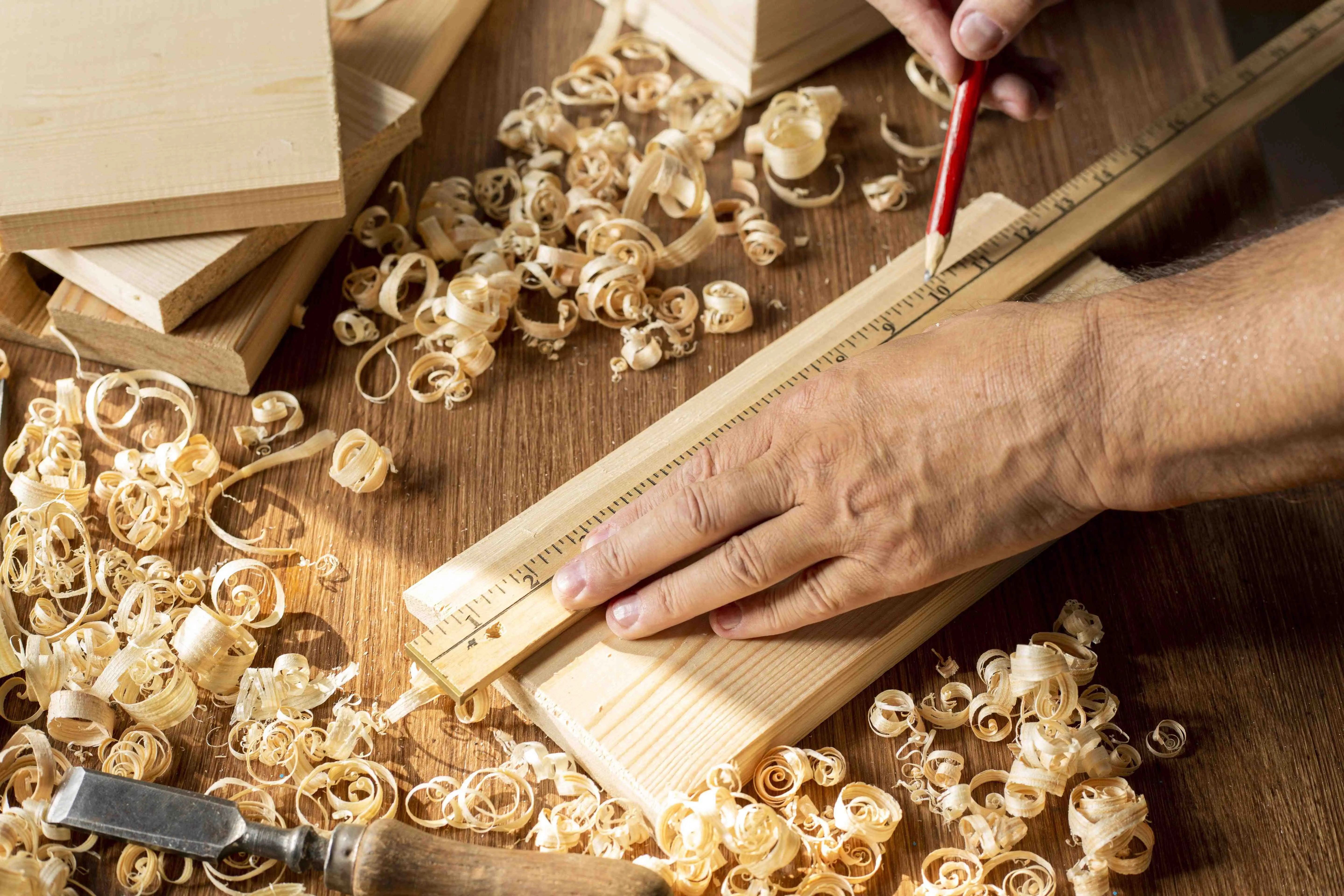
Introduction: In carpentry, time is money, and workflow is the pulse that keeps the business alive. Yet, many carpenters need help with a disjointed workflow, stifling efficiency and sapping the joy o...
.webp)
Introduction: Carpentry more than just a trade, is an art form. The journey to mastery involves constantly honing one"s skills, a voyage where every chisel stroke and nail-driven shapes not just ...
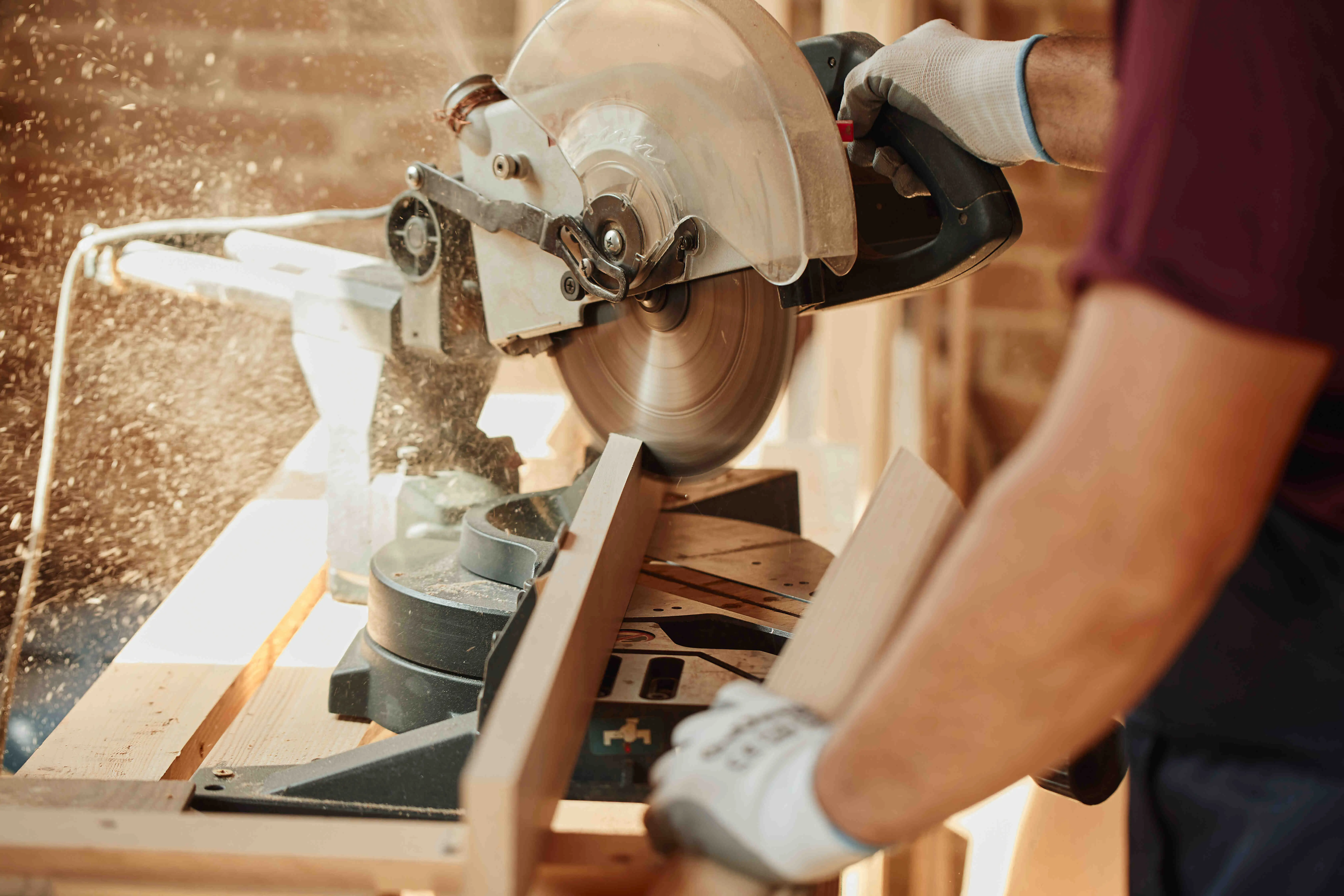
In the world of woodworking, every piece of timber tells a story - a tale of craftsmanship, dedication, and wisdom. For aspiring woodworkers and seasoned artisans alike, this blog is a collection of T...

In the world of woodworking, every piece crafted is a note in the symphony of a carpenter"s career. Yet, to compose a melodious tune, one must prioritize the conductor - their health and longevity. Th...
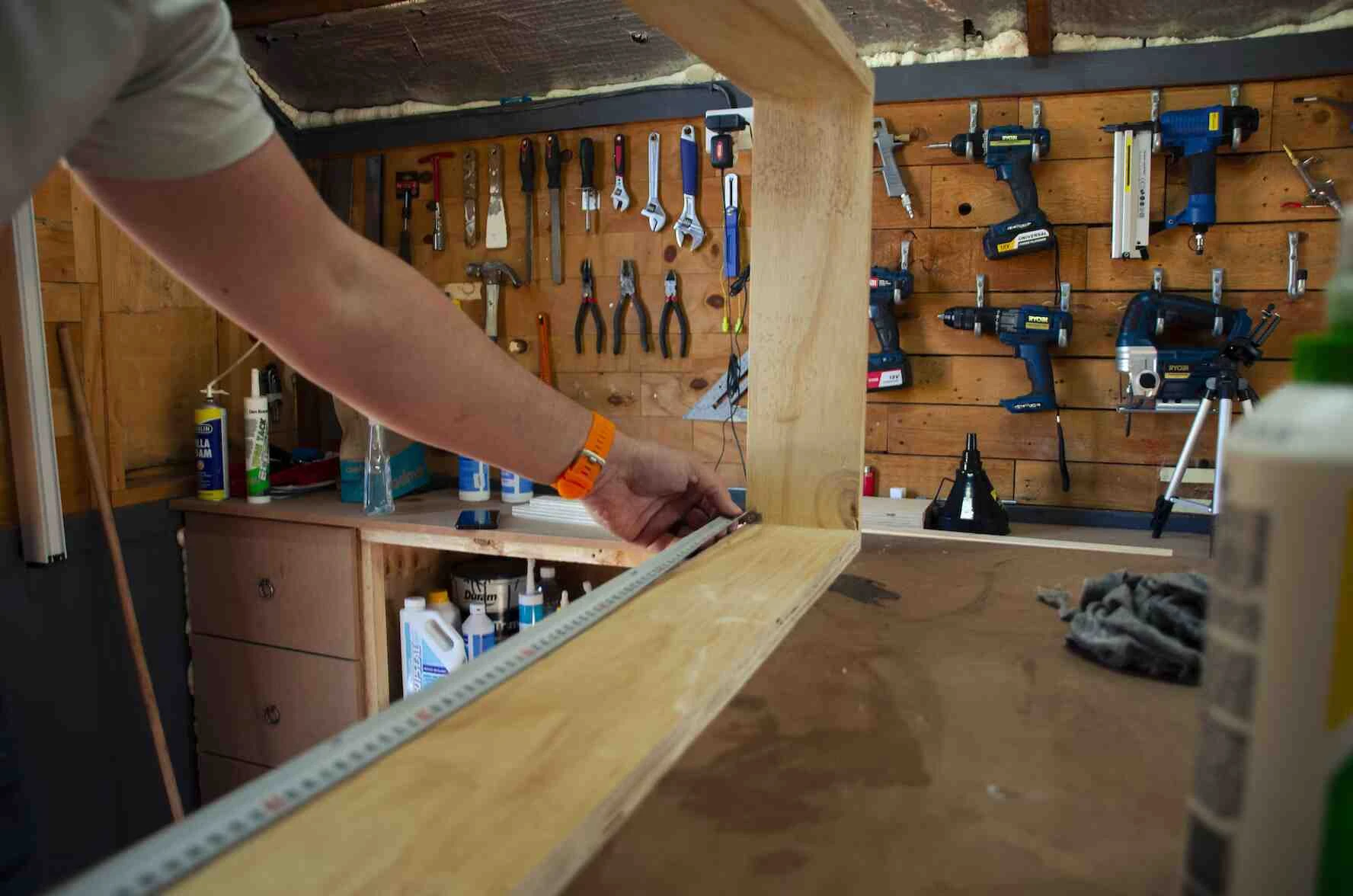
In carpentry, precision isn"t just about chiselling wood; it"s about chiselling a successful business. Financial stability and growth are the building blocks of a carpentry enterprise. Welcome to "Cra...

In the world of woodworking, creating something beautiful is not just an art—it"s a responsibility. A responsibility towards the craft, the client, and most importantly, the safety and well-bein...
Sign up to start winning an unlimited amount of jobs near you.


 Electrician
Gas Engineer
Electrician
Gas Engineer


Send more enquiries and explore your options
Increasing the number of potentials leads for you!
Have more control and flexibility over your finances!