

Scheduled Inspections:
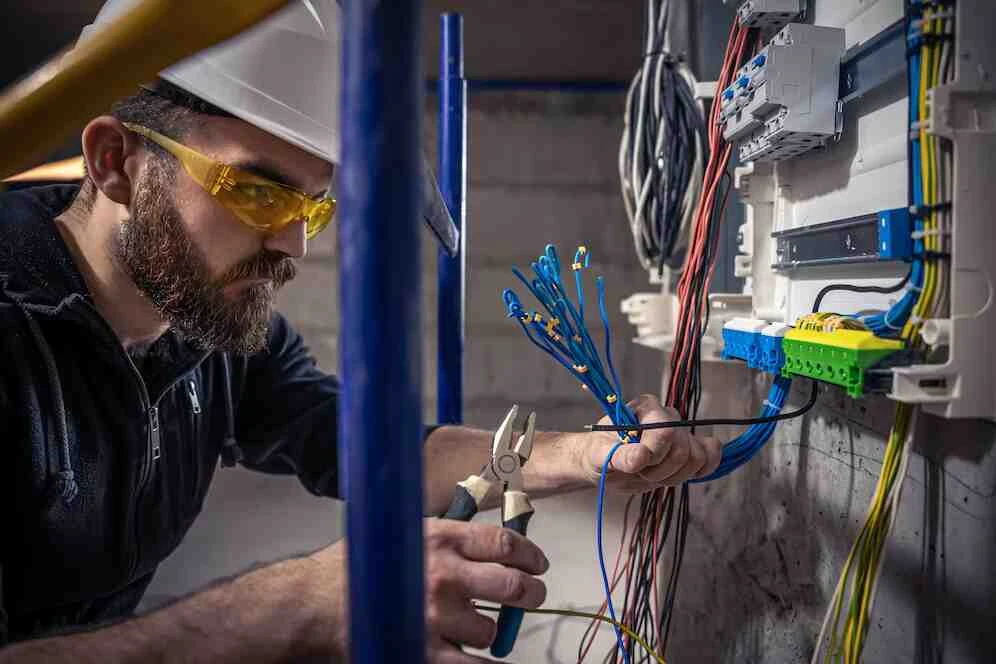
Regular inspections by a qualified electrician are crucial for identifying potential issues before they become major problems. Schedule annual or bi-annual electrical inspections to check for loose connections, damaged wiring, and other safety hazards.
2. Upgrade Outdated Components:
Electrical systems can become outdated and less efficient over time. Consider upgrading old circuit breakers, switches, and outlets to meet current safety standards and improve energy efficiency.
3. Test Ground Fault Circuit Interrupters (GFCIs) and Arc Fault Circuit Interrupters (AFCIs):
GFCIs and AFCIs are critical for preventing electrical shocks and fires. Test GFCIs by pressing the "test" button regularly and ensure AFCIs are installed in appropriate locations throughout your home.
4. Properly Size Circuits:
Make sure your electrical circuits are properly sized to handle the load. Overloading circuits can lead to overheating and fires. If you frequently experience circuit overloads, consider adding dedicated circuits or redistributing loads.
5. Keep Electrical Panels Accessible:
Avoid obstructing access to your electrical panel. In case of an emergency or need for repairs, clear access to the panel ensures safety and quick response.
6. Check for Loose Wiring:
Loose connections can lead to overheating and electrical fires. Periodically inspect wiring and connections for signs of looseness or corrosion. Tighten any loose connections as needed.
7. Replace Damaged Wiring and Insulation:
Damaged or frayed wires pose a significant safety risk. If you notice any exposed wiring or damaged insulation, replace or repair it immediately.
8. Clean and Ventilate Electrical Panels:
Keep electrical panels clean and free of dust and debris. Proper ventilation helps dissipate heat generated by electrical components and prevents overheating.
9. Install Surge Protection:
Protect your electrical system from voltage spikes by installing surge protectors. Surge protectors safeguard your valuable electronic devices and extend their lifespan.
10. Update Lighting to LED:
Consider upgrading your lighting to energy-efficient LED bulbs. LED lighting consumes less energy, generates less heat, and has a longer lifespan than traditional incandescent bulbs.
11. Maintain Backup Generators:
If you have a backup generator, ensure it is regularly serviced and tested to guarantee it will function correctly during power outages.
12. Educate Family or Staff:
Teach your family members or employees about electrical safety, including what to do during power outages and how to use electrical equipment safely.
13. Emergency Preparedness:
Create an emergency plan that includes steps to follow in case of electrical emergencies, such as electrical fires or electrocution.
Conclusion:
Maintaining your electrical system for optimal performance is essential to ensure the safety and functionality of your home or business. Regular inspections, proactive upgrades, and adherence to safety guidelines are key to preventing electrical issues and maximizing the lifespan of your electrical components. By following these tips, you can enjoy a reliable and safe electrical system for years to come.
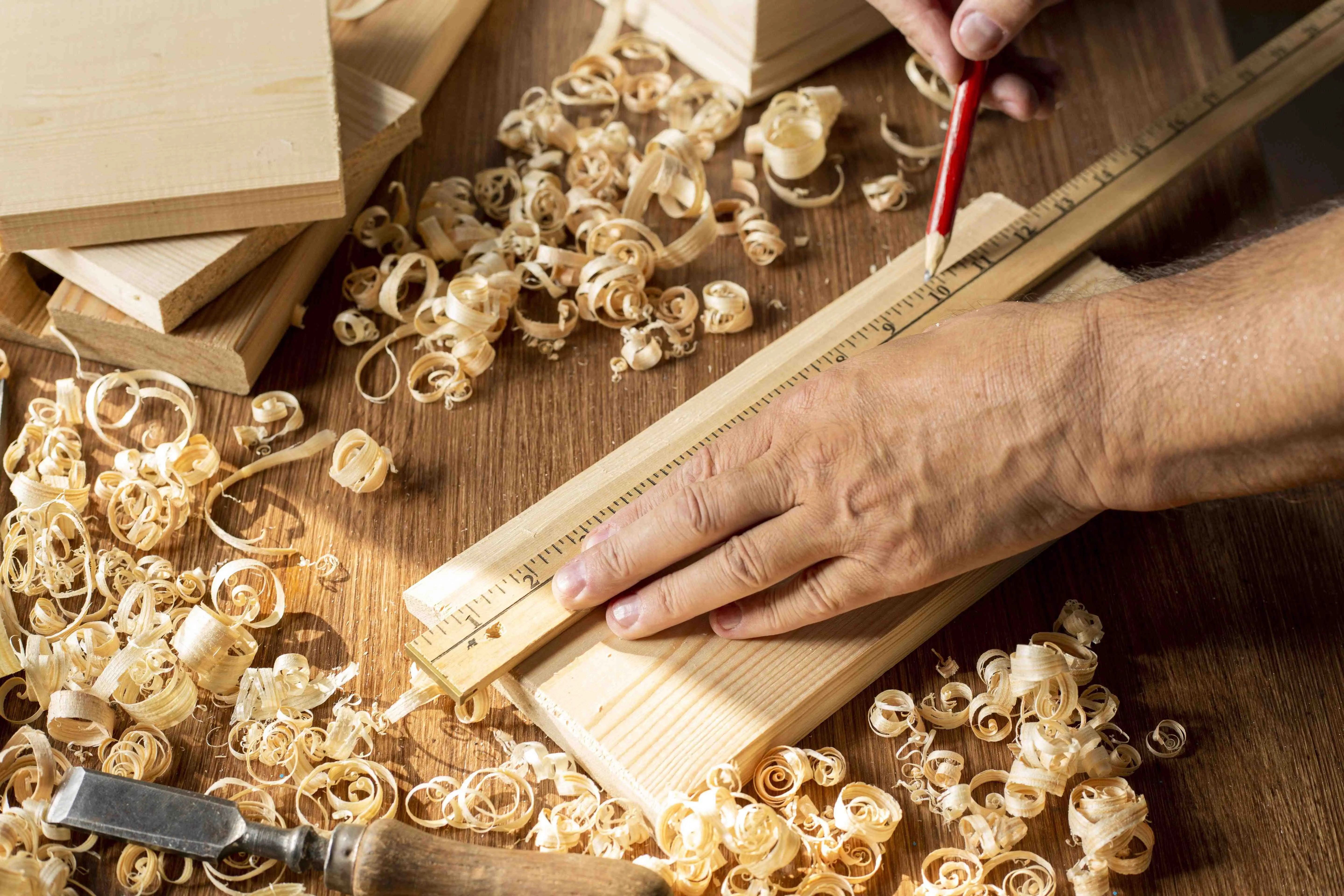
Introduction: In carpentry, time is money, and workflow is the pulse that keeps the business alive. Yet, many carpenters need help with a disjointed workflow, stifling efficiency and sapping the joy o...
.webp)
Introduction: Carpentry more than just a trade, is an art form. The journey to mastery involves constantly honing one"s skills, a voyage where every chisel stroke and nail-driven shapes not just ...

In the world of woodworking, every piece of timber tells a story - a tale of craftsmanship, dedication, and wisdom. For aspiring woodworkers and seasoned artisans alike, this blog is a collection of T...

In the world of woodworking, every piece crafted is a note in the symphony of a carpenter"s career. Yet, to compose a melodious tune, one must prioritize the conductor - their health and longevity. Th...
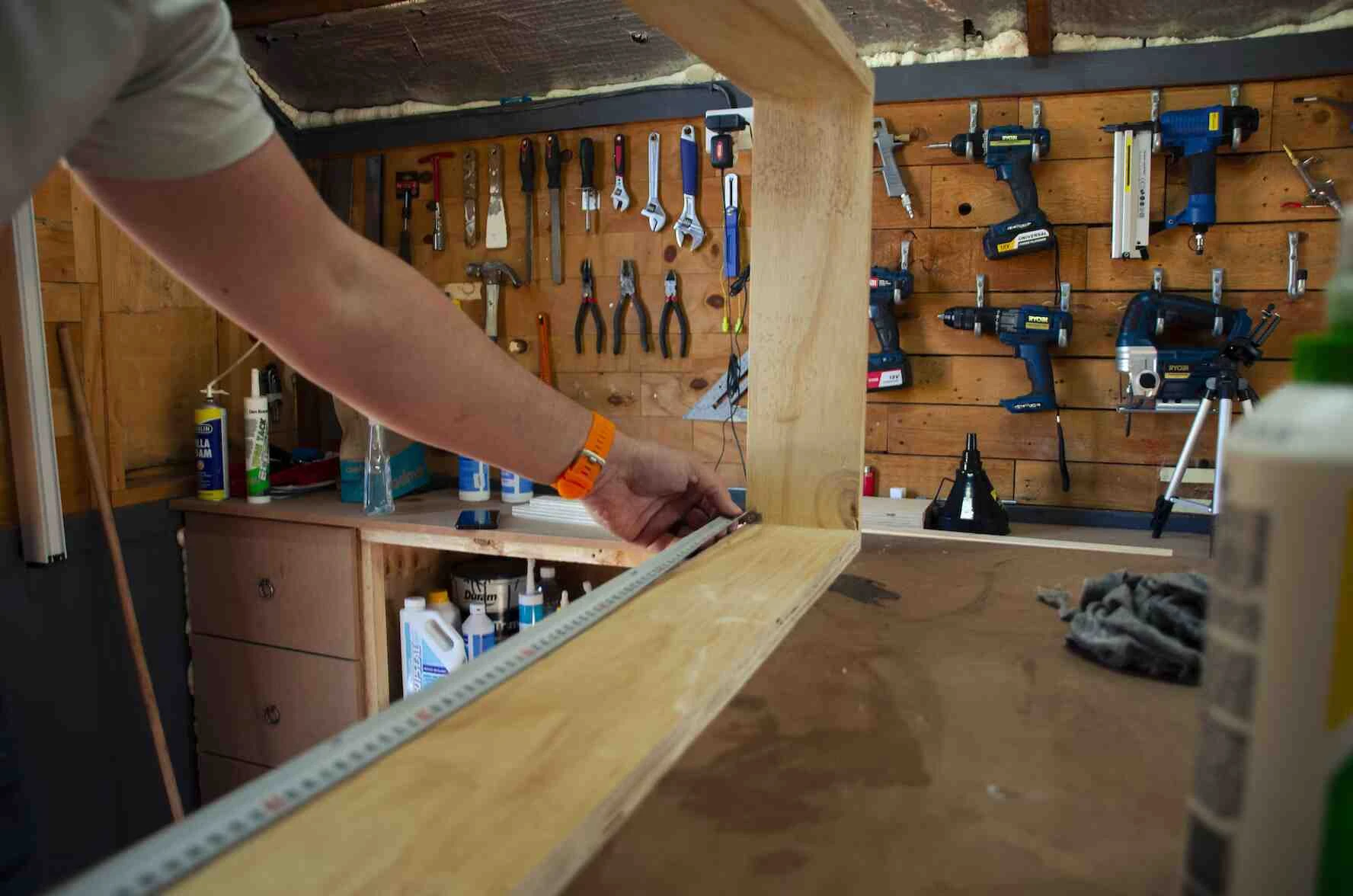
In carpentry, precision isn"t just about chiselling wood; it"s about chiselling a successful business. Financial stability and growth are the building blocks of a carpentry enterprise. Welcome to "Cra...

In the world of woodworking, creating something beautiful is not just an art—it"s a responsibility. A responsibility towards the craft, the client, and most importantly, the safety and well-bein...
Sign up to start winning an unlimited amount of jobs near you.


 Electrician
Gas Engineer
Electrician
Gas Engineer


Send more enquiries and explore your options
Increasing the number of potentials leads for you!
Have more control and flexibility over your finances!