



**1. Smart Lock Technology**
Smart lock technology has been a game-changer in the locksmithing industry. These locks can be controlled remotely via a smartphone app, allowing homeowners to grant access to visitors, monitor entry, and receive alerts about any unusual activity. The UK has seen a surge in the adoption of smart locks, reflecting the growing demand for integrated security solutions.
**2. Biometric Locks**
Biometric locks, which use fingerprints or other unique biological markers for access control, have gained popularity in the UK. They offer a high level of security and convenience. Businesses, in particular, are increasingly turning to biometric solutions to protect sensitive areas and confidential information.
**3. High-Security Locks**
In response to the rising sophistication of lock-picking techniques, high-security locks have become more prevalent. These locks feature advanced mechanisms and materials that are resistant to tampering and picking. They are often used in commercial and high-value residential properties.
**4. Master Key Systems**
Master key systems are a growing trend in the UK, especially for businesses and organizations. These systems provide a hierarchical structure of keys, allowing different levels of access for different users. They offer convenience and enhanced security.
**5. Electronic Access Control**
Electronic access control systems have become increasingly prevalent in commercial settings. These systems use keycards, pin codes, or biometrics to regulate access to buildings and rooms. They offer audit trails and can be integrated with other security systems.
**6. Mobile Locksmithing Services**
The on-demand economy has influenced locksmithing services in the UK. Mobile locksmiths are more accessible than ever, offering emergency services, key cutting, lock repairs, and installations at the client"s location. This convenience is particularly valued by residential clients.
**7. Keyless Entry Systems**
Keyless entry systems, which can be controlled using a keypad, smartphone app, or biometric authentication, have become more common. They offer a high level of convenience, especially for homeowners who want to eliminate the need for traditional keys.
**8. Locksmithing Training and Certification**
In the UK, there has been a growing emphasis on locksmith training and certification. Locksmiths are seeking formal education to stay updated with the latest industry trends and technologies. Certification programs are becoming more widely recognized as a mark of professionalism and competence.
**9. Integration with Home Automation**
Locksmiths in the UK are increasingly involved in integrating locks and security systems with home automation. This allows homeowners to manage their security alongside other smart devices, creating a seamless and connected experience.
**10. Environmental Sustainability**
Locksmithing innovations also extend to environmental sustainability. Some locksmiths in the UK are adopting eco-friendly practices, such as using recycled materials and reducing waste in lock installations and key cutting.
**Conclusion**
The locksmithing industry in the UK is evolving to meet the changing security needs and technological advancements of the 21st century. From smart locks and biometric access to high-security systems and home automation integration, locksmiths in the UK are adapting to provide efficient and effective solutions. Staying updated with these industry trends is crucial for locksmiths to continue offering reliable and cutting-edge services to their clients. As the locksmithing landscape continues to change, it is essential for professionals in the field to embrace these innovations and deliver the highest standards of security and convenience.
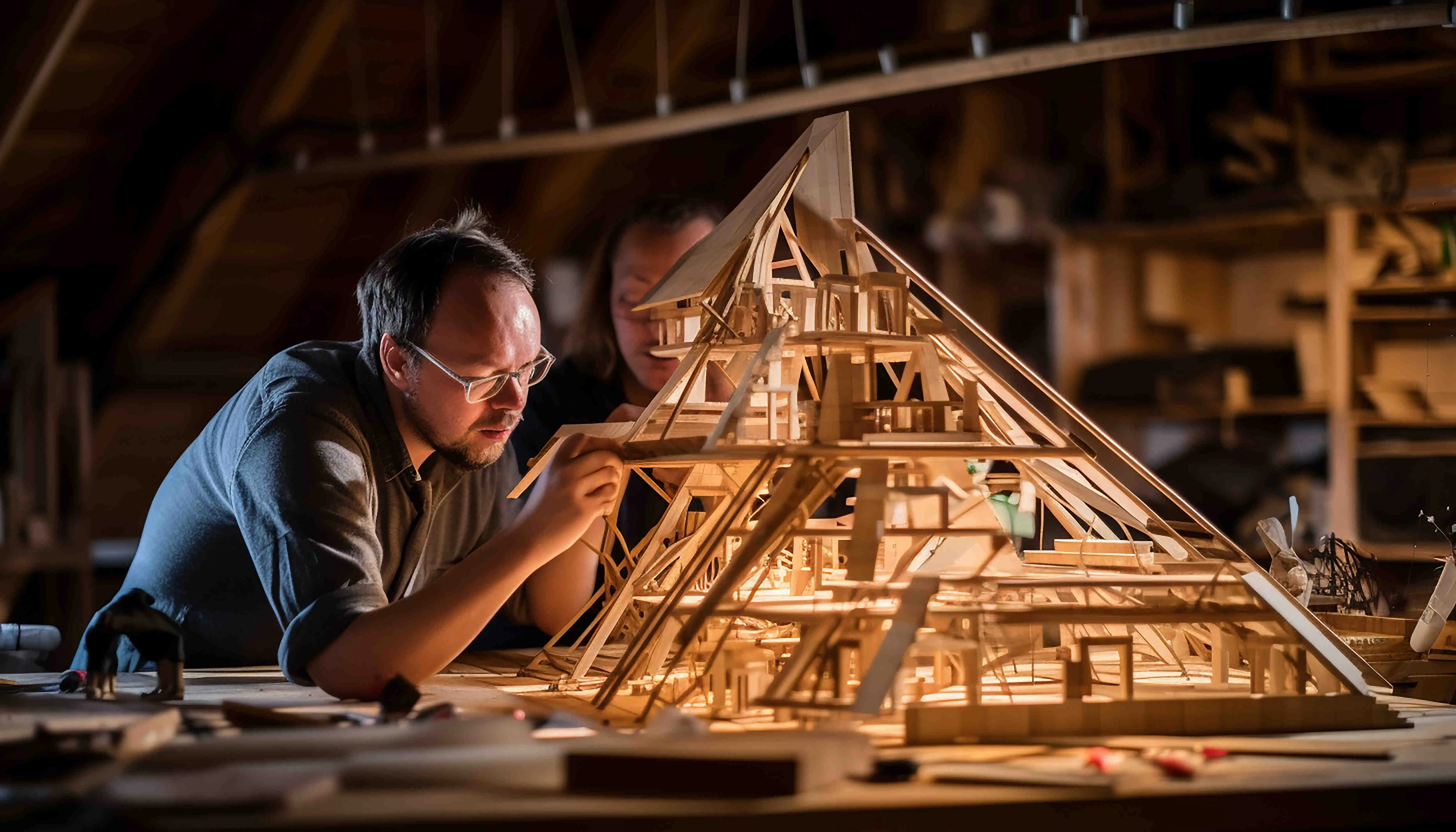
The world of carpentry is buzzing with innovations, trends, and transformative technologies. For carpenters, keeping up with these changes isn"t just about staying ahead in the game; it"s about ensuri...

In an era where technology weaves through every facet of our lives, the carpentry profession is no exception to its transformative power. Welcome to "Carpentry Chronicles," a blog series dedicated to ...

Welcome to "Carpentry Chronicles," a blog series dedicated to navigating the ever-evolving landscape of carpentry. In this edition, we dive into a trend reshaping the carpentry domain—customizat...

In the bustling world of carpentry, safety isn"t just a precaution; it"s a fundamental necessity. Welcome to "Carpentry Chronicles," a blog series committed to navigating the ever-evolving landscape o...

In carpentry, where wood meets creativity, mastery is not just a goal; it"s a journey. Welcome to "Carpentry Chronicles," a blog series that peels back the layers of carpentry to reveal the artistry a...
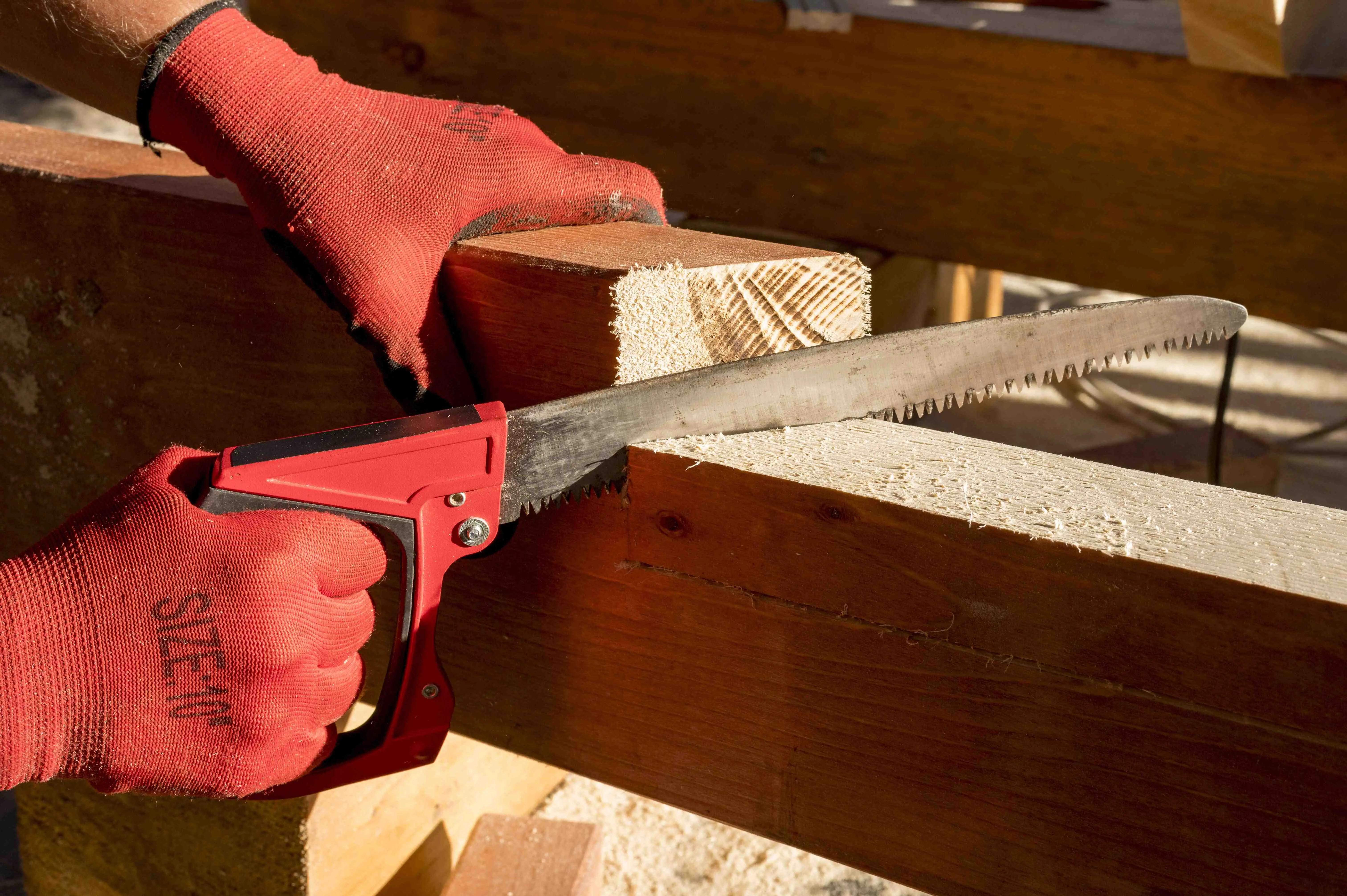
In the ever-evolving design landscape, where trends come and go, one element stands timeless—wood. Welcome to "Carpentry Chronicles," a blog series committed to navigating the dynamic world of c...
Sign up to start winning an unlimited amount of jobs near you.


 Electrician
Gas Engineer
Electrician
Gas Engineer


Send more enquiries and explore your options
Increasing the number of potentials leads for you!
Have more control and flexibility over your finances!