


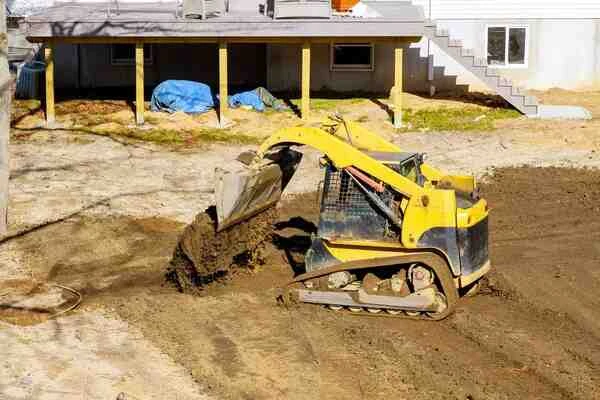
## 1. The Imperative for Energy Efficiency in Groundwork:
### Overview:
Energy-efficient materials play a pivotal role in minimizing the carbon footprint of construction projects, contributing to a more sustainable and eco-friendly industry.
### Benefits:
- Reduced Energy Consumption: Energy-efficient materials often require less energy in their production processes, contributing to overall energy conservation.
- Lower Operational Costs: Materials that contribute to better insulation and thermal performance can lead to reduced energy consumption for heating and cooling.
- Compliance with Green Building Standards: Many energy-efficient materials align with green building standards, making them essential for projects aiming for certification.
## 2. Insulating Concrete Forms (ICFs):
### Overview:
ICFs are a construction material that combines the strength of concrete with the insulation properties of foam, providing excellent thermal performance.
### Benefits:
- Energy Efficiency: ICFs offer superior insulation, reducing the need for additional heating or cooling.
- Structural Strength: The concrete core provides structural stability and durability.
- Sound Insulation: ICFs contribute to sound insulation, enhancing the overall comfort of buildings.
## 3. Green Roofs:
### Overview:
Green roofs, or living roofs, involve the cultivation of vegetation on building roofs, providing insulation and environmental benefits.
### Benefits:
- Thermal Insulation: Green roofs provide natural insulation, reducing the need for heating and cooling.
- Stormwater Management: They absorb and manage stormwater, reducing runoff and minimizing the risk of flooding.
- Biodiversity and Aesthetic Appeal: Green roofs support biodiversity and enhance the visual appeal of buildings.
## 4. Low-E Glass:
### Overview:
Low-emissivity (Low-E) glass is coated with a thin metallic layer that reflects heat while allowing light to pass through, contributing to improved energy efficiency in buildings.
### Benefits:
- Solar Heat Reflection: Low-E glass reflects a significant portion of solar heat, reducing the need for air conditioning.
- Year-Round Comfort: It helps maintain consistent indoor temperatures, improving overall comfort.
- UV Radiation Reduction: Low-E glass reduces UV radiation, protecting interior furnishings from fading.
## 5. Recycled Steel:
### Overview:
Using recycled steel in construction minimizes the environmental impact of steel production while maintaining the material"s strength and durability.
### Benefits:
- Resource Conservation: Recycling steel reduces the need for virgin iron ore, conserving natural resources.
- Reduced Carbon Emissions: The production of recycled steel generates fewer carbon emissions compared to producing new steel.
- Structural Integrity: Recycled steel maintains the structural integrity and strength required for construction.
## 6. Energy-Efficient Lighting Systems:
### Overview:
Opting for energy-efficient lighting systems, such as LED lighting, contributes to reduced energy consumption and lower operational costs.
### Benefits:
- Lower Energy Consumption: LED lighting is highly energy-efficient, consuming significantly less electricity than traditional lighting.
- Long Lifespan: LEDs have a longer lifespan, reducing the frequency of replacements and associated materials.
- Customizable and Directional Lighting: LED lighting allows for customizable and directional illumination, enhancing efficiency.
## 7. Porous Pavements:
### Overview:
Porous pavements, made of materials that allow water to pass through, contribute to sustainable urban development by promoting natural water infiltration.
### Benefits:
- Stormwater Management: Porous pavements reduce surface runoff, allowing rainwater to infiltrate the ground.
- Heat Island Mitigation: They contribute to mitigating the urban heat island effect by allowing soil contact and reducing heat retention.
- Durability: Despite their permeability, porous pavements are designed to be durable and suitable for vehicular traffic.
## 8. Energy-Efficient Insulation Materials:
### Overview:
Innovative insulation materials with high thermal resistance contribute to maintaining comfortable indoor temperatures while reducing the need for heating and cooling.
### Materials:
- Spray Foam Insulation: Provides an effective air and moisture barrier, minimizing energy loss.
- Cellulose Insulation: Made from recycled paper, it is a sustainable option with good thermal performance.
- Aerogel Insulation: A lightweight and highly insulating material suitable for various applications.
## 9. Solar-Reflective Roofing Materials:
### Overview:
Roofing materials with solar-reflective properties reduce heat absorption, helping maintain cooler indoor temperatures.
### Benefits:
- Cool Roofing: Solar-reflective roofing reflects a significant portion of sunlight, reducing heat absorption.
- Energy Savings: Cooler roofs contribute to reduced energy consumption for air conditioning.
- Extended Roof Lifespan: Reduced heat absorption can extend the lifespan of roofing materials.
## 10. Considerations in Implementing Energy-Efficient Materials:
### Overview:
While energy-efficient materials offer numerous benefits, considerations must be taken into account during the planning and implementation stages.
### Considerations:
- Initial Costs vs. Long-Term Savings: Evaluate the upfront costs against the long-term energy savings to make informed decisions.
- Local Climate Considerations: Adapt material choices to the specific climate of the construction site for optimal energy performance.
- Compatibility with Existing Systems: Ensure that energy-efficient materials are compatible with existing building systems and technologies.
## Conclusion: Illuminating the Path to Sustainable Groundwork
Integrating energy-efficient materials into groundwork projects is a transformative step towards creating more sustainable and resilient structures. Construction professionals who embrace these materials contribute not only to the energy efficiency of individual projects but also to the broader goal of building a greener and more sustainable future. By making informed choices, considering local conditions, and staying abreast of innovations, groundworkers can lead the way in shaping a construction industry that harmonizes with the environment while delivering structures that stand the test of time.
In the era of climate change and environmental consciousness, sustainable building practices have gained immense importance. One of the critical aspects of sustainable construction is the selection of...
When it comes to making our homes and buildings more energy-efficient, insulation materials play a crucial role. They help regulate indoor temperatures, reduce energy consumption, and lower heating an...

Smart building technologies have revolutionized the way we design, construct, and manage buildings. These technologies leverage the power of the Internet of Things (IoT) to enhance building ef...

Selecting the right flooring material is a crucial decision when it comes to interior design and construction projects. Flooring not only impacts the aesthetics of a space but also affects its functio...

Windows and doors are more than just functional components of a building; they are key architectural elements that can dramatically impact a structure"s aesthetics, energy efficiency, and overall appe...

Innovative structural materials have been at the forefront of modern construction, pushing the boundaries of what is possible in terms of strength, sustainability, and design. As the construction indu...
Sign up to start winning an unlimited amount of jobs near you.


 Electrician
Gas Engineer
Electrician
Gas Engineer


Send more enquiries and explore your options
Increasing the number of potentials leads for you!
Have more control and flexibility over your finances!