


Challenges
1. **Aging Infrastructure:** Many regions have aging infrastructure, including bridges, roads, and buildings. The challenge lies in repurposing or renovating these structures while adhering to modern standards and sustainability goals.
2. **Regulatory Hurdles:** Compliance with local building codes, environmental regulations, and zoning laws can be complex when converting or repurposing structures. Meeting these requirements while aiming for sustainability adds to the complexity.
3. **Resource Scarcity:** Sourcing sustainable construction materials can be challenging, as some materials may be in limited supply or have high costs associated with their extraction and production.
4. **Technological Adaptation:** The construction industry has been slower to adopt technology compared to other sectors. Adapting to new digital tools and construction methods can be a significant challenge.
5. **Cost Constraints:** Green building and sustainable construction practices often require an initial investment that can be perceived as expensive. Overcoming these cost constraints and demonstrating the long-term benefits is a challenge.
Opportunities
1. **Sustainable Material Innovation:** The need for sustainable construction materials has driven innovation. Companies are developing materials such as eco-friendly concrete, recycled composites, and sustainably sourced wood, which offer both environmental benefits and structural advantages.
2. **Energy Efficiency:** The focus on sustainable construction has led to opportunities in energy-efficient design. Integrating passive design elements and advanced HVAC systems can lead to significant energy savings and cost reductions over time.
3. **Renewable Energy Integration:** Incorporating renewable energy sources such as solar panels, wind turbines, and geothermal systems into building conversions presents opportunities to reduce reliance on fossil fuels.
4. **Adaptive Reuse:** Converting existing structures, such as old factories or warehouses, into residential or commercial spaces can be economically advantageous and ecologically responsible.
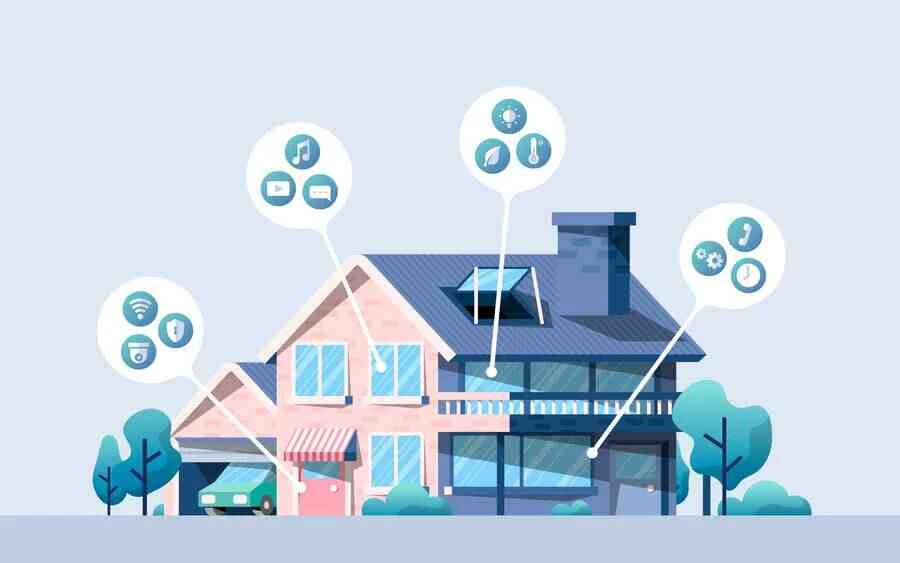
5. **Digital Transformation:** The construction industry is witnessing a digital transformation with the adoption of Building Information Modeling (BIM), construction management software, and Internet of Things (IoT) technologies. These tools enhance project management, sustainability tracking, and efficiency.
6. **Sustainable Land Use Planning:** Efficient land use and sustainable urban planning can create opportunities for reduced commuting, better public transportation, and more walkable, green spaces, which contribute to sustainable urban environments.
7. **Environmental Certification:** The rise of environmental certifications, like LEED (Leadership in Energy and Environmental Design) and BREEAM (Building Research Establishment Environmental Assessment Method), has created a market for skilled professionals who can guide projects through the certification process.
Conclusion
Construction conversion engineering is a dynamic and evolving field that is both challenging and rewarding. While the challenges are substantial, the opportunities for innovation, sustainability, and cost savings are equally impressive. The urgent need for sustainable building practices, resource conservation, and the repurposing of aging infrastructure is driving the construction industry to adapt and thrive in this new era.
As the construction sector continues to adopt sustainable practices, there is growing potential for professionals in the field to shape a more environmentally responsible future. By addressing the challenges and leveraging the opportunities, construction conversion engineers can play a crucial role in creating more resilient, eco-friendly, and adaptive urban environments.
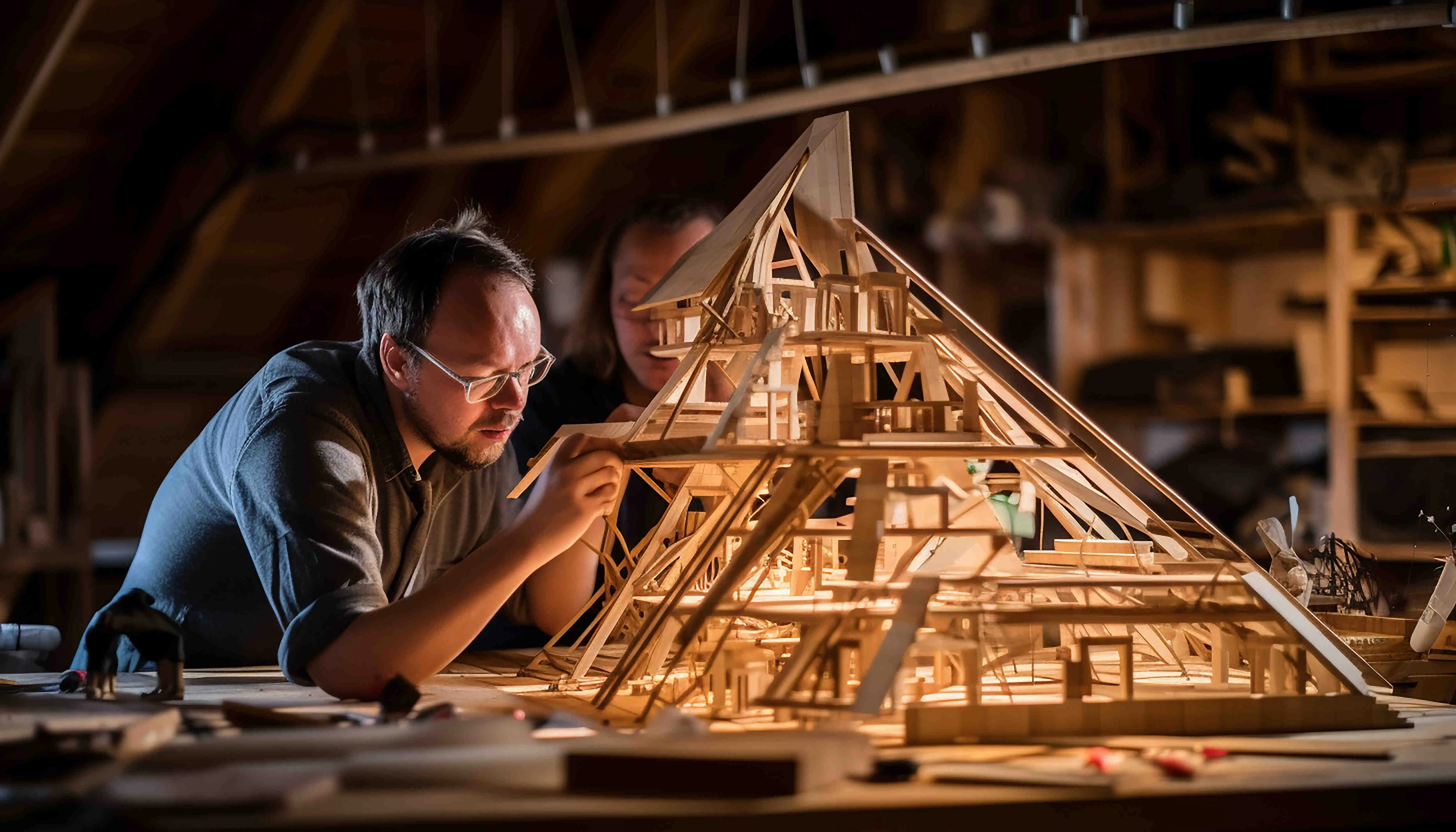
The world of carpentry is buzzing with innovations, trends, and transformative technologies. For carpenters, keeping up with these changes isn"t just about staying ahead in the game; it"s about ensuri...

In an era where technology weaves through every facet of our lives, the carpentry profession is no exception to its transformative power. Welcome to "Carpentry Chronicles," a blog series dedicated to ...

Welcome to "Carpentry Chronicles," a blog series dedicated to navigating the ever-evolving landscape of carpentry. In this edition, we dive into a trend reshaping the carpentry domain—customizat...

In the bustling world of carpentry, safety isn"t just a precaution; it"s a fundamental necessity. Welcome to "Carpentry Chronicles," a blog series committed to navigating the ever-evolving landscape o...

In carpentry, where wood meets creativity, mastery is not just a goal; it"s a journey. Welcome to "Carpentry Chronicles," a blog series that peels back the layers of carpentry to reveal the artistry a...
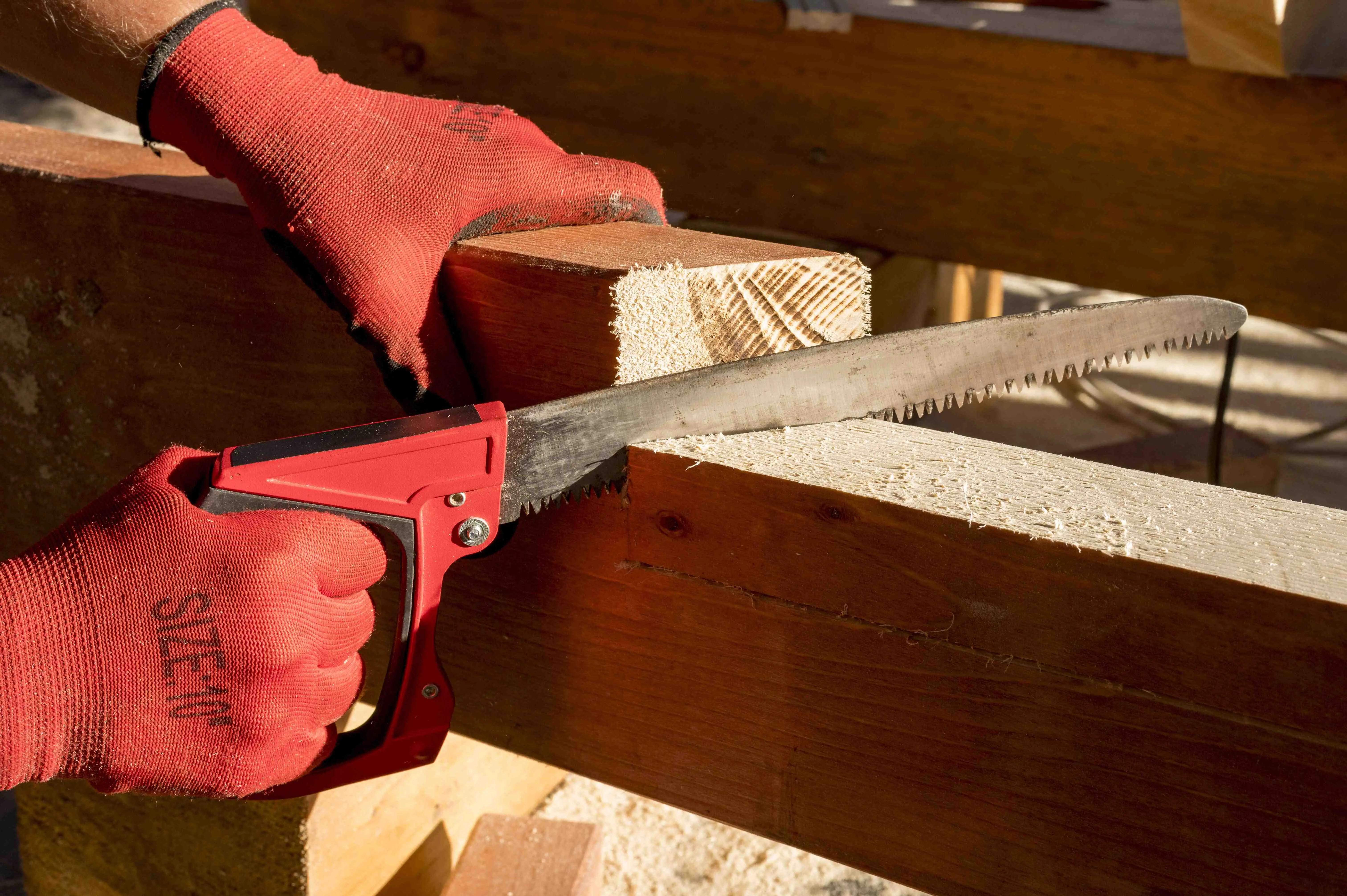
In the ever-evolving design landscape, where trends come and go, one element stands timeless—wood. Welcome to "Carpentry Chronicles," a blog series committed to navigating the dynamic world of c...
Sign up to start winning an unlimited amount of jobs near you.


 Electrician
Gas Engineer
Electrician
Gas Engineer


Send more enquiries and explore your options
Increasing the number of potentials leads for you!
Have more control and flexibility over your finances!