



I. Understanding Supply Chain Disruptions
Before we dive into the impact of supply chain disruptions, it"s essential to comprehend what they are and why they have become more prevalent in recent years.
A. Causes of Supply Chain Disruptions
Globalization and Interconnectedness: The modern supply chain is a complex network of suppliers, manufacturers, distributors, and retailers spread across the globe. This interconnectedness makes it vulnerable to disruptions at various points in the chain.
Natural Disasters: Earthquakes, hurricanes, floods, and wildfires can disrupt transportation routes, damage warehouses, and halt production, leading to delays and shortages.
Geopolitical Conflicts: Trade tensions, tariffs, and political instability can disrupt the flow of raw materials and finished products, affecting the availability and cost of flooring materials.
Pandemics: The COVID-19 pandemic exposed vulnerabilities in global supply chains, with lockdowns, factory closures, and workforce disruptions causing widespread delays.
B. Consequences of Supply Chain Disruptions
Price Volatility: Supply chain disruptions can lead to significant price fluctuations in flooring materials. Shortages can drive prices up, making it challenging for builders and homeowners to stick to their budgets.
Delays and Project Disruptions: Construction projects often rely on strict timelines. When flooring materials are delayed, it can lead to costly project delays, penalties, and frustrated clients.
Quality Concerns: In some cases, manufacturers might rush production to meet demand, compromising the quality of flooring materials. This can result in issues like subpar finishes and increased maintenance requirements.
Inventory Challenges: Businesses in the flooring industry often struggle to manage their inventory effectively during supply chain disruptions, leading to excess stock or inadequate supply.
II. Impact on Flooring Materials
A. Shortages of Raw Materials
One of the most immediate and noticeable impacts of supply chain disruptions on the flooring industry is the shortage of raw materials. Many flooring materials, such as hardwood, bamboo, and vinyl, rely on a consistent supply of raw materials to meet demand. When disruptions occur, the scarcity of these resources can lead to production delays and increased costs.
B. Increased Costs
Supply chain disruptions often lead to increased costs throughout the flooring industry. These cost increases can manifest in several ways:
Transportation Costs: When transportation routes are disrupted or congested, shipping costs can soar, which is then passed on to consumers.
Price Gouging: In some cases, unscrupulous suppliers may take advantage of shortages to inflate prices, further burdening consumers and businesses.
Production Costs: Manufacturers may need to invest in alternative supply sources or adapt their production processes, driving up production costs.
C. Quality Compromises
To meet demand during supply chain disruptions, some manufacturers may cut corners or rush production. This can result in flooring materials of lower quality, leading to long-term issues for both consumers and the industry as a whole. Reduced quality can damage a manufacturer"s reputation and erode consumer trust.
D. Delays and Project Interruptions
Perhaps the most significant impact of supply chain disruptions on the flooring industry is the disruption of construction and renovation projects. Delays can have cascading effects on contractors, builders, and homeowners, leading to frustration, financial losses, and damaged professional relationships.
III. Strategies for Resilience
While supply chain disruptions are challenging, there are strategies that businesses and consumers in the flooring industry can employ to mitigate their impact.
A. Diversify Suppliers
Overreliance on a single supplier or region can make a business vulnerable to disruptions. Diversifying sources of flooring materials can help reduce risk.
B. Strategic Inventory Management
Effective inventory management can help businesses navigate supply chain disruptions by ensuring they have enough stock to meet demand without overstocking.
C. Alternative Materials
Exploring alternative materials that are less susceptible to supply chain disruptions can provide stability during uncertain times.
D. Collaboration and Communication
Building strong relationships with suppliers and maintaining open lines of communication can help businesses adapt to changing circumstances.
E. Long-Term Planning
Developing robust contingency plans and assessing vulnerabilities in the supply chain can help businesses prepare for future disruptions.
Conclusion
The impact of supply chain disruptions on the flooring materials industry cannot be underestimated. From shortages of raw materials to increased costs and delays in projects, the effects are far-reaching and can significantly affect both businesses and consumers. However, by implementing strategic measures and fostering resilience, the industry can weather the storms of uncertainty and continue to provide high-quality flooring materials for homes and buildings around the world.

The world of carpentry is buzzing with innovations, trends, and transformative technologies. For carpenters, keeping up with these changes isn"t just about staying ahead in the game; it"s about ensuri...

In an era where technology weaves through every facet of our lives, the carpentry profession is no exception to its transformative power. Welcome to "Carpentry Chronicles," a blog series dedicated to ...

Welcome to "Carpentry Chronicles," a blog series dedicated to navigating the ever-evolving landscape of carpentry. In this edition, we dive into a trend reshaping the carpentry domain—customizat...

In the bustling world of carpentry, safety isn"t just a precaution; it"s a fundamental necessity. Welcome to "Carpentry Chronicles," a blog series committed to navigating the ever-evolving landscape o...

In carpentry, where wood meets creativity, mastery is not just a goal; it"s a journey. Welcome to "Carpentry Chronicles," a blog series that peels back the layers of carpentry to reveal the artistry a...
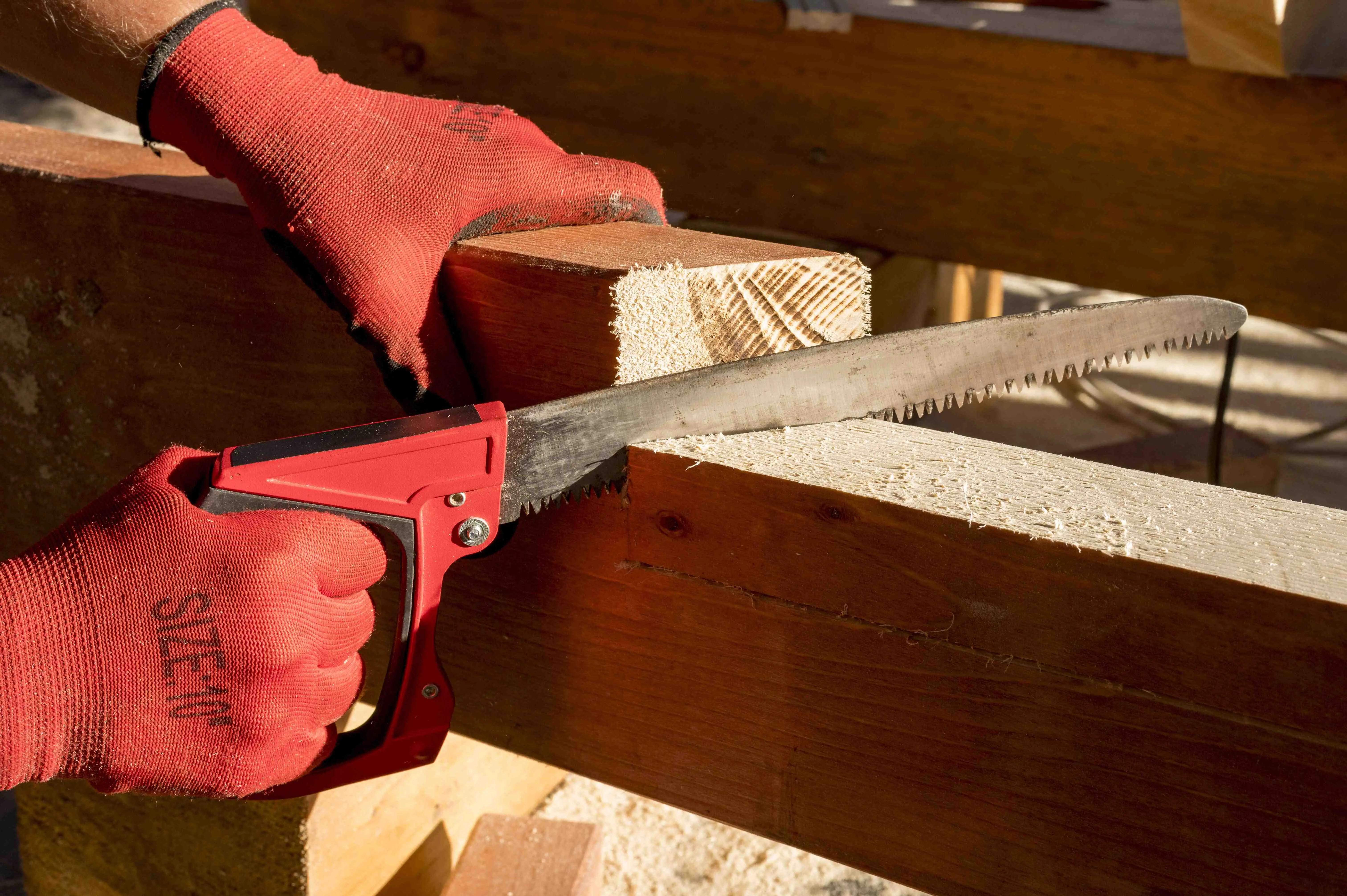
In the ever-evolving design landscape, where trends come and go, one element stands timeless—wood. Welcome to "Carpentry Chronicles," a blog series committed to navigating the dynamic world of c...
Sign up to start winning an unlimited amount of jobs near you.


 Electrician
Gas Engineer
Electrician
Gas Engineer


Send more enquiries and explore your options
Increasing the number of potentials leads for you!
Have more control and flexibility over your finances!