



## 1. The Thames Tunnel (London):
- Background:
- Completed in 1843, the Thames Tunnel, designed by Marc Isambard Brunel and his son Isambard Kingdom Brunel, was the world"s first underwater tunnel.
- It stretches beneath the River Thames, connecting Rotherhithe and Wapping.
- Lessons Learned:
- Innovation in Tunneling: The Thames Tunnel was a groundbreaking engineering feat, showcasing innovation in tunneling techniques.
- Persistence: The project faced numerous challenges, including flooding incidents, but the engineers" persistence led to its successful completion.
## 2. Tower Bridge (London):
- Background:
- Completed in 1894, Tower Bridge is an iconic bascule and suspension bridge over the River Thames.
- It combines functionality with architectural grandeur and has become a symbol of London.
- Lessons Learned:
- Aesthetic Integration: Tower Bridge demonstrates the successful integration of aesthetic appeal with functional design.
- Adaptive Engineering: The bascule mechanism was innovative for its time, showcasing adaptive engineering solutions to accommodate maritime traffic.
## 3. Channel Tunnel (Folkestone to Coquelles):
- Background:
- Completed in 1994, the Channel Tunnel, also known as the Eurotunnel or Chunnel, is a rail tunnel connecting England and France beneath the English Channel.
- It is the longest undersea tunnel in the world.
- Lessons Learned:
- International Collaboration: The Channel Tunnel is a testament to successful international collaboration between the UK and France.
- Innovative Financing: The project employed innovative financing models, involving private sector contributions, showcasing financial creativity in large-scale infrastructure.
## 4. Eden Project (Cornwall):
- Background:
- Completed in 2001, the Eden Project is a unique horticultural and architectural marvel in Cornwall.
- It consists of biomes housing different ecosystems and has become a global attraction.
- Lessons Learned:
- Sustainable Design: The Eden Project emphasizes sustainable and eco-friendly design principles.
- Adaptive Reuse: The project transformed a former china clay pit into a thriving ecological and educational space, showcasing the possibilities of adaptive reuse.
## 5. Crossrail (Elizabeth Line):
- Background:
- The Crossrail project, now known as the Elizabeth Line, is a major railway infrastructure project connecting Reading and Heathrow in the west to Abbey Wood and Shenfield in the east, passing through Central London.
- The project, expected to be completed in the coming years, represents a significant expansion of London"s rail network.
- Lessons Learned:
- Urban Connectivity: Crossrail demonstrates the importance of enhancing urban connectivity and addressing transportation needs.
- Project Scale: The scale of the Crossrail project highlights the complexities and planning required for large-scale infrastructure developments in a densely populated city.
## 6. The Shard (London):
- Background:
- Completed in 2012, The Shard is an iconic skyscraper in London, standing as the tallest building in the city.
- It is a mixed-use building, featuring offices, restaurants, a hotel, and residential spaces.
- Lessons Learned:
- Vertical Urbanization: The Shard showcases the concept of vertical urbanization, optimizing limited urban space.
- Architectural Innovation: The design and engineering of The Shard demonstrate advancements in materials and construction techniques for tall buildings.
## 7. HS2 (High-Speed 2):
- Background:
- The High-Speed 2 (HS2) project is a planned high-speed railway linking London with major cities in the Midlands and the North.
- The project aims to improve rail connectivity and capacity.
- Lessons Learned:
- Strategic Infrastructure: HS2 highlights the strategic importance of investing in high-speed rail infrastructure for economic growth.
- Environmental Considerations: The project emphasizes environmental considerations, including efforts to minimize the impact on wildlife and ecosystems.
## 8. Lessons Learned:
- Integration of Nature: Many of these projects showcase the successful integration of nature and green spaces into urban landscapes.
- Innovation and Adaptability: Historical projects such as the Thames Tunnel and modern projects like Crossrail demonstrate the importance of innovation and adaptability in large-scale infrastructure developments.
- Sustainability: There is a growing emphasis on sustainable design and construction practices, as seen in projects like the Eden Project and initiatives like HS2.
- Global Collaboration: The Channel Tunnel exemplifies the possibilities and benefits of international collaboration in major infrastructure projects.
## Conclusion:
Iconic groundwork projects in the UK have not only shaped the physical landscape but have also contributed valuable lessons in engineering, architecture, and urban planning. From historic feats like the Thames Tunnel to modern marvels like The Shard and ambitious rail projects like HS2, these projects showcase the evolution of construction practices, the importance of innovation, and the role of infrastructure in supporting economic and social progress. The lessons learned from these projects will continue to influence the approach to future groundwork endeavors, ensuring that they not only stand as testaments to human ingenuity but also serve the needs of communities and the environment.
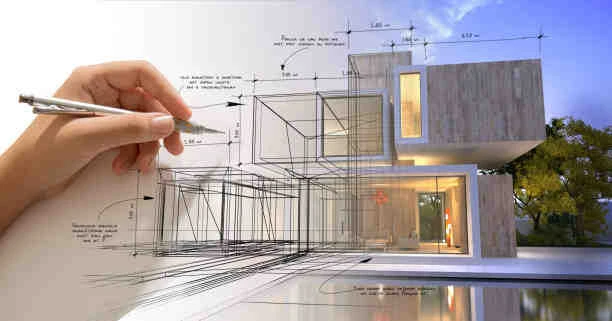
In a world often cluttered with complexity, modern minimalism in architecture stands as a testament to the beauty of simplicity. This design philosophy strips away excess ornamentation and embraces cl...

Throughout history, mankind has expressed its creativity and ambition through the construction of iconic architectural landmarks. These structures not only captivate us with their breathtaking designs...

Symmetry and balance in architectural design are principles that have been appreciated for centuries. These elements create a sense of harmony, order, and visual appeal in buildings and structures. Sy...
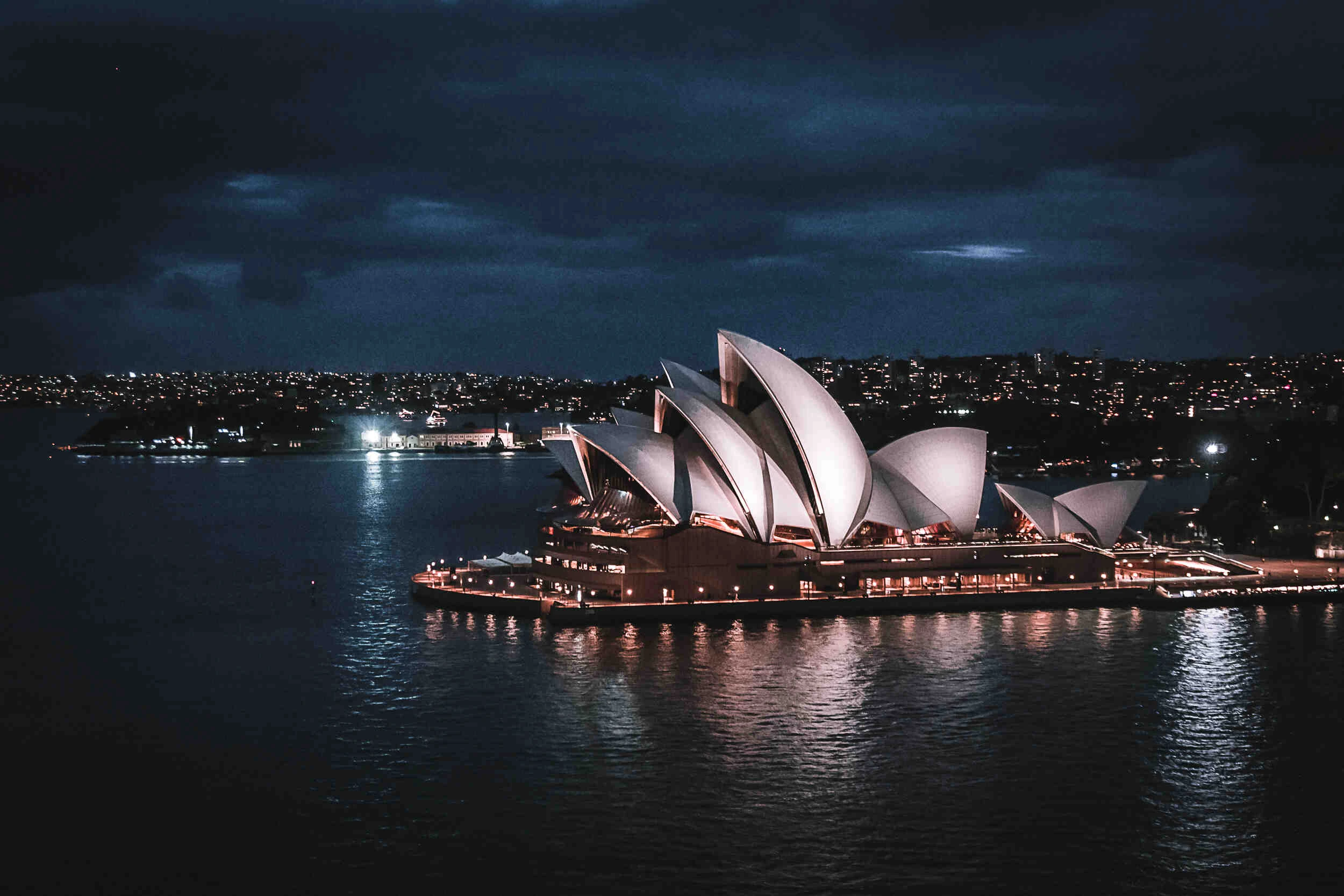
As the sun dips below the horizon, architectural wonders across the globe come to life, basking in the radiance of carefully designed illumination. Creative lighting design possesses the remarkable ab...

Architecture has a profound impact on our daily lives, shaping the way we interact with our surroundings and with one another. In recent years, a shift towards community-centric architecture has been ...
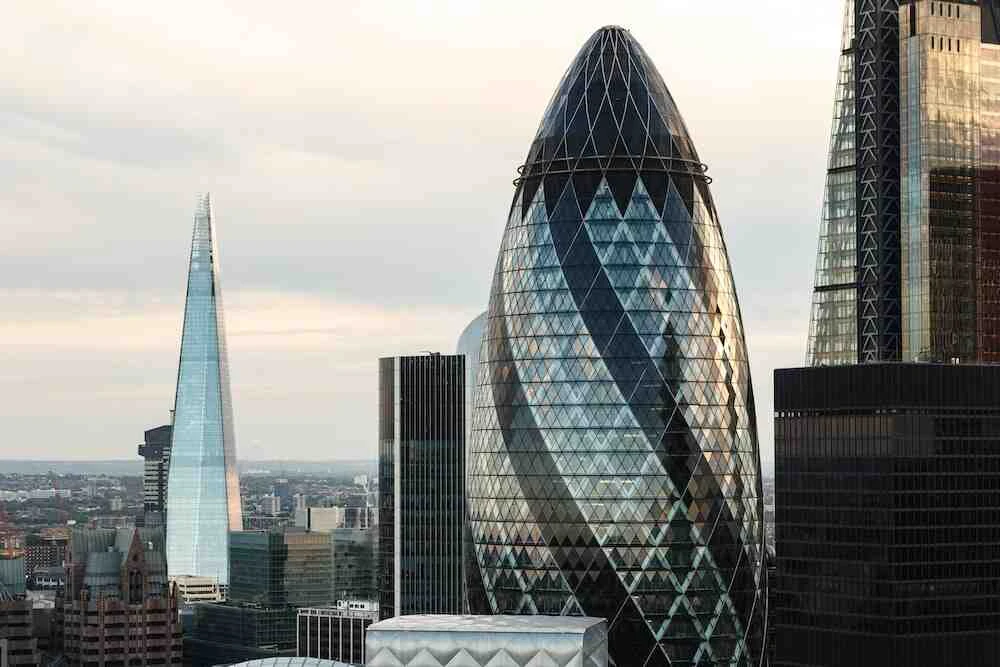
In the ever-evolving world of architecture, the materials we use play a pivotal role in shaping the built environment. Over the years, architects and designers have pushed the boundaries of convention...
Sign up to start winning an unlimited amount of jobs near you.


 Electrician
Gas Engineer
Electrician
Gas Engineer


Send more enquiries and explore your options
Increasing the number of potentials leads for you!
Have more control and flexibility over your finances!