


The Necessity of Demolition
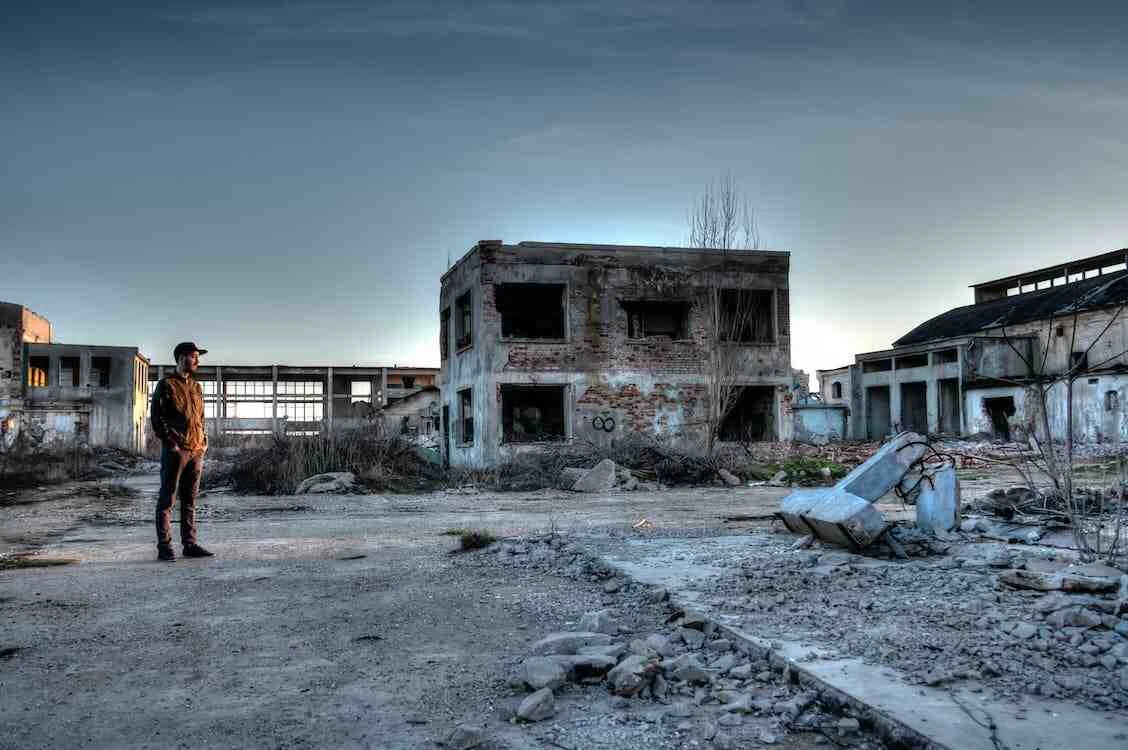
Before we delve into the precision of the demolition process, it"s essential to understand why these iconic buildings face their ultimate demise. Buildings are demolished for various reasons, ranging from structural instability, urban development, economic constraints, and changing architectural tastes. The act of demolition, however, isn"t about simply bringing structures to the ground; it"s a delicate dance between preserving history and making way for the future.
Preserving History
Demolishing iconic buildings doesn"t always mean erasing their memory from the annals of history. Preservationists often work to document and salvage elements of these structures, ensuring that a piece of the past lives on. Architectural artifacts, ornate facades, and even significant sections of the building can find new homes in museums, public spaces, or repurposed structures, allowing the spirit of the demolished building to live on.
The Precision in Planning
Demolition isn"t a random act; it"s a carefully orchestrated operation. Experts in the field meticulously plan every step of the process, assessing structural weaknesses, potential hazards, and the impact on the surrounding environment. This level of precision ensures that the demolition is safe and efficient.
Controlled Explosions
One of the most iconic methods of demolition is the controlled explosion. This technique allows experts to bring down massive structures with pinpoint accuracy. Skilled engineers strategically place explosives to weaken key support structures, enabling gravity to do the rest. Iconic buildings like the Kingdome in Seattle and the Landmark Tower in Fort Worth have met their end with spectacular precision using this method.
Implosion Demolitions
Implosion demolitions are like a beautifully choreographed dance of destruction. Buildings are brought down in a matter of seconds, collapsing inward upon themselves. This method minimizes the impact on the surrounding area and is often used in densely populated urban environments. The imploded remnants are then meticulously cleared to make way for new structures.
Deconstruction
Sometimes, the precision in demolition doesn"t involve explosions but rather a systematic and careful deconstruction process. This method aims to minimize waste and salvage materials for reuse. Iconic buildings, such as the Twin Towers of the World Trade Center, were carefully deconstructed to recover artifacts and materials, preserving their memory.
Environmental Considerations
In the 21st century, precision in demolition extends beyond the structural aspects. Environmental concerns play a significant role in the process. Recycling materials, managing hazardous waste, and reducing air and noise pollution are crucial components of modern demolition practices. The aim is to ensure that the demolition has the least possible impact on the environment.
Emotional and Cultural Impact
The demolition of iconic buildings is often met with mixed emotions. These structures hold cultural significance, memories, and stories that are ingrained in the fabric of a city. The loss can be deeply felt by the community and beyond. The precision of the demolition process also lies in how it respects and addresses these emotional aspects, allowing for a dignified farewell to beloved landmarks.
Architectural Legacies
While the act of demolishing an iconic building might be heartbreaking, it can also pave the way for new architectural legacies. In the wake of a demolition, opportunities for fresh creativity and innovative designs arise. Cities get a chance to reinvent themselves, embracing a mix of old and new in their urban landscapes.
Conclusion
The demolition of iconic buildings is a bittersweet farewell to architectural marvels. It"s a testament to human innovation, creativity, and the inevitable passage of time. While the precision in these demolitions ensures safety and minimal environmental impact, the emotional and cultural impact can never be completely erased.
As we say goodbye to these architectural wonders, we must remember that every demolition represents an opportunity for the birth of new icons. While we mourn the loss of the past, we also celebrate the promise of the future, where the precision in architecture and demolition coexist in an ever-evolving dance of progress.
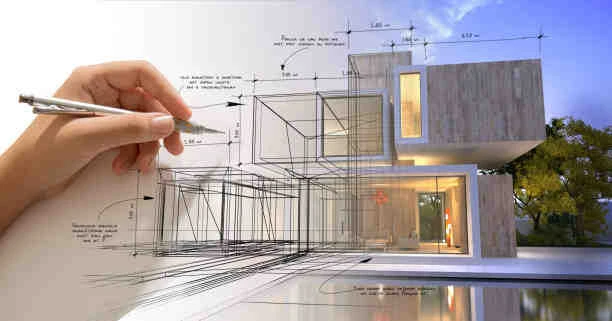
In a world often cluttered with complexity, modern minimalism in architecture stands as a testament to the beauty of simplicity. This design philosophy strips away excess ornamentation and embraces cl...

Throughout history, mankind has expressed its creativity and ambition through the construction of iconic architectural landmarks. These structures not only captivate us with their breathtaking designs...

Symmetry and balance in architectural design are principles that have been appreciated for centuries. These elements create a sense of harmony, order, and visual appeal in buildings and structures. Sy...

As the sun dips below the horizon, architectural wonders across the globe come to life, basking in the radiance of carefully designed illumination. Creative lighting design possesses the remarkable ab...

Architecture has a profound impact on our daily lives, shaping the way we interact with our surroundings and with one another. In recent years, a shift towards community-centric architecture has been ...
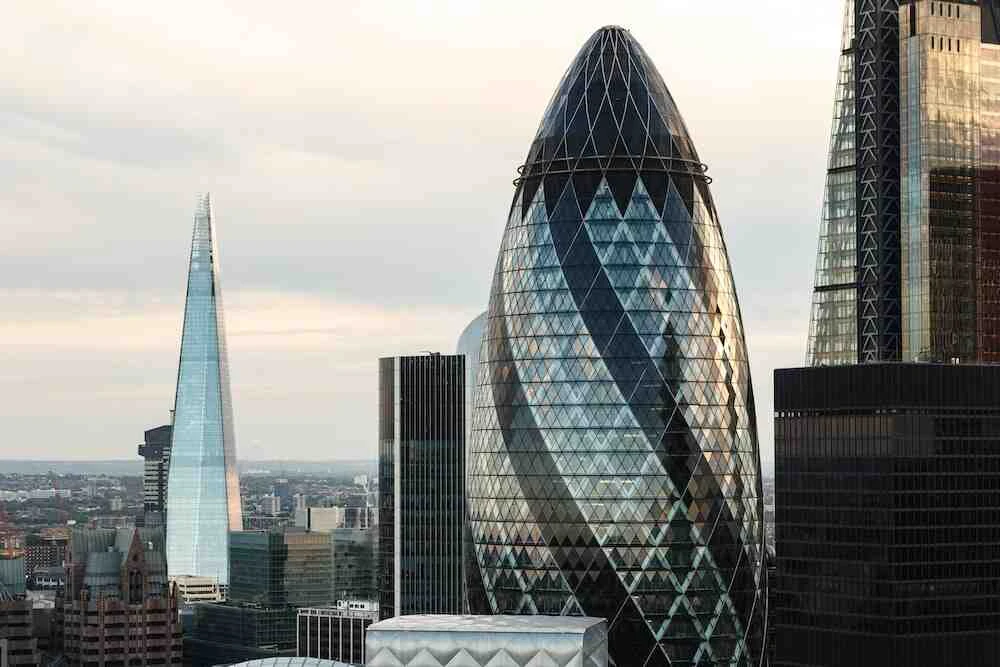
In the ever-evolving world of architecture, the materials we use play a pivotal role in shaping the built environment. Over the years, architects and designers have pushed the boundaries of convention...
Sign up to start winning an unlimited amount of jobs near you.


 Electrician
Gas Engineer
Electrician
Gas Engineer


Send more enquiries and explore your options
Increasing the number of potentials leads for you!
Have more control and flexibility over your finances!