

The Importance of Damp-Proofing in Crawl Spaces
Damp-proofing, also known as moisture control or crawl space encapsulation, is a crucial aspect of home maintenance. Here are some reasons why it"s essential:
Prevent Structural Damage:
Excessive moisture can lead to rotting of wooden supports, weakening the structural integrity of your home. Damp-proofing ensures your crawl space remains dry, preventing damage to floor joists, beams, and the foundation.
Improve Indoor Air Quality:
A damp crawl space can create conditions ideal for mold and mildew growth. These fungi release spores that can infiltrate your living spaces, leading to health issues, including allergies, respiratory problems, and skin irritations. By damp-proofing your crawl space, you can maintain better indoor air quality.
Energy Efficiency:
Moisture in your crawl space can lead to temperature imbalances in your home. When it"s damp underneath, your HVAC system may have to work harder to maintain comfortable temperatures, resulting in higher energy bills. Damp-proofing helps to regulate the temperature in your crawl space, leading to energy savings.
Common Causes of Dampness in Crawl Spaces
Before we delve into the steps to achieve effective damp-proofing, it"s crucial to understand what causes dampness in crawl spaces. Here are some common culprits:
Poor Drainage:
Inadequate drainage systems can lead to water accumulation under your home. Heavy rains, flooding, or even plumbing leaks can saturate the soil in your crawl space, leading to dampness.
Humidity:
High humidity levels can create condensation on surfaces within the crawl space, especially during hot and humid months. This condensation can lead to dampness and mold growth.
Inadequate Ventilation:
Poor airflow can trap moisture in your crawl space. Without proper ventilation, the damp air cannot escape, leading to dampness and mold problems.
Vapor Transmission:
Moisture can seep through the crawl space floor or walls, leading to damp conditions. This is especially common in areas with high groundwater levels.
Achieving Effective Damp-Proofing in Crawl Spaces
Now that we"ve highlighted the significance of damp-proofing and the common causes of dampness, let"s explore the practical steps to achieve effective damp-proofing in crawl spaces.
Assessment and Inspection:
Start by assessing the current condition of your crawl space. Look for signs of moisture, such as mold, dampness, and structural damage. Identify the sources of the problem, like leaky pipes or poor drainage.
Moisture Barriers:
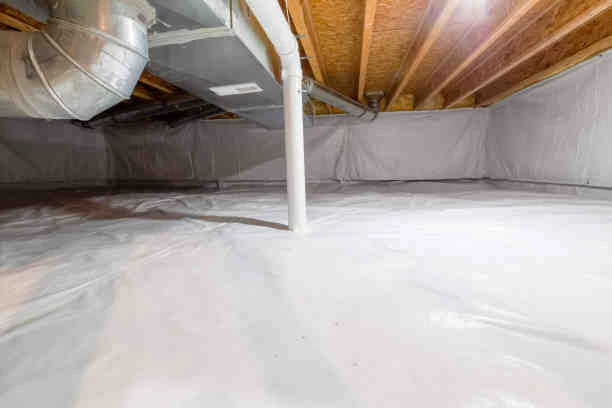
Installing moisture barriers is a fundamental step in damp-proofing. Use thick, high-quality vapor barriers like plastic sheeting to cover the floor and walls of your crawl space. This prevents moisture from entering and spreading.
Proper Drainage:
Ensure your crawl space has an efficient drainage system. This may involve installing a sump pump to remove excess water, adding gutters and downspouts to direct rainwater away from your home, and grading the soil around the foundation to promote drainage.
Ventilation:
Proper ventilation is essential to keep your crawl space dry. Install vents and fans to promote air circulation, which helps reduce humidity and prevent condensation.
Sealing Gaps and Cracks:
Inspect your crawl space for any gaps or cracks in the walls, floors, or foundation. Seal these openings with caulk or foam insulation to prevent moisture from seeping in.
Dehumidification:
In areas with high humidity, consider installing a dehumidifier to maintain optimal moisture levels. This can be particularly beneficial during the summer months when humidity is at its peak.
Regular Maintenance:
Once you"ve damp-proofed your crawl space, make it a habit to inspect and maintain it regularly. Check for signs of moisture, ensure your drainage system is functioning correctly, and replace damaged vapor barriers when needed.
Conclusion
Effective damp-proofing in crawl spaces is essential for maintaining the integrity of your home and the health of its occupants. By addressing the common causes of dampness and following the practical steps outlined in this guide, you can create a dry and healthy crawl space. Remember, a well-damp-proofed crawl space is an investment that pays off through improved indoor air quality, reduced energy costs, and the longevity of your home"s structural components. Don"t wait until moisture-related problems arise; take action now to ensure the well-being of your home and your family.
Introduction: In carpentry, time is money, and workflow is the pulse that keeps the business alive. Yet, many carpenters need help with a disjointed workflow, stifling efficiency and sapping the joy o...
.webp)
Introduction: Carpentry more than just a trade, is an art form. The journey to mastery involves constantly honing one"s skills, a voyage where every chisel stroke and nail-driven shapes not just ...
In the world of woodworking, every piece of timber tells a story - a tale of craftsmanship, dedication, and wisdom. For aspiring woodworkers and seasoned artisans alike, this blog is a collection of T...
In the world of woodworking, every piece crafted is a note in the symphony of a carpenter"s career. Yet, to compose a melodious tune, one must prioritize the conductor - their health and longevity. Th...
In carpentry, precision isn"t just about chiselling wood; it"s about chiselling a successful business. Financial stability and growth are the building blocks of a carpentry enterprise. Welcome to "Cra...

In the world of woodworking, creating something beautiful is not just an art—it"s a responsibility. A responsibility towards the craft, the client, and most importantly, the safety and well-bein...
Sign up to start winning an unlimited amount of jobs near you.


 Electrician
Gas Engineer
Electrician
Gas Engineer


Send more enquiries and explore your options
Increasing the number of potentials leads for you!
Have more control and flexibility over your finances!