


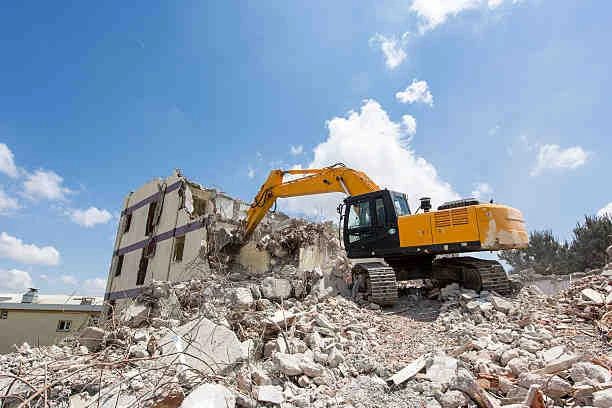
The Importance of Historic Building Preservation
Historic buildings are more than just bricks and mortar; they are the storytellers of our past. They offer a tangible link to our history, a glimpse into the lives and cultures that shaped our world. They provide insight into the architectural styles of their respective eras, revealing how society has evolved over time. Preservation of these structures is, therefore, not merely an act of conserving the past but also a way of educating the future.
The Challenge of Demolition
Amidst the constant march of urban development, historic buildings often find themselves in jeopardy. Rapid urbanization, population growth, and the demand for newer, more modern structures often lead to the demolition of these historical treasures. What makes this even more challenging is the delicate balance between progress and heritage.
The demolition of historic buildings can be attributed to various factors:
Economic Pressure: Property developers often find it more cost-effective to demolish older structures and build something new rather than invest in the extensive renovation required to restore a historic building.
Lack of Awareness: In some cases, the significance of a building may not be fully recognized, leading to its demolition due to ignorance about its historical and cultural value.
Zoning and Development Policies: Local policies that prioritize modernization can make it difficult to protect historic structures from demolition.
Structural Deterioration: Many historic buildings suffer from structural issues due to years of neglect. This deterioration can lead to safety concerns, making demolition seem like the only viable option.
The Triumph of Historic Building Preservation
Despite the challenges, there are numerous inspiring stories of historic building preservation triumphing over demolition. Let"s explore a few notable examples:
The High Line, New York City: Once an abandoned elevated railway, the High Line has been transformed into an urban park. This historic preservation project repurposed an old structure into a public green space, revitalizing the neighborhood.
The Royal Opera House, Mumbai: This iconic structure was meticulously restored to its former glory. The restoration not only preserved a piece of Mumbai"s cultural heritage but also enabled the continued use of the building for artistic performances.
St. Pancras International, London: The redevelopment of this historic railway station, combining modern amenities with the preservation of its Gothic architecture, showcases how preservation and modernization can coexist harmoniously.
The Palace of Westminster, London: This historic seat of the UK Parliament underwent extensive renovation, preserving its stunning neo-Gothic architecture while upgrading its facilities to meet modern needs.
Strategies for Successful Preservation
Historic building preservation isn"t just about preventing demolition; it"s about finding ways to adapt these structures to modern needs while maintaining their historical significance. Several strategies can help make this possible:
Adaptive Reuse: Repurposing historic buildings for new functions can be a win-win solution. It not only preserves the structure but also breathes new life into it by making it relevant to contemporary needs.
Financial Incentives: Governments and local authorities can provide tax breaks and financial incentives to encourage property owners to invest in preserving historic buildings.
Community Involvement: Local communities can play a pivotal role in advocating for the preservation of historic structures. Awareness campaigns, petitions, and grassroots movements can be influential.
Public-Private Partnerships: Collaborations between government bodies and private organizations can provide the resources and expertise needed to restore and maintain historic buildings.
Strict Regulations: Enforcing strict zoning and development regulations that protect historic structures is vital. These regulations can include guidelines for preservation, restoration, and maintenance.
The Role of Technology in Preservation
Modern technology plays a significant role in historic building preservation. Advanced imaging techniques, such as 3D scanning and virtual reality, enable experts to document every intricate detail of a structure. This documentation serves as a reference for restoration work, ensuring that the historical accuracy of a building is maintained.
Furthermore, building materials and restoration techniques have evolved, making it easier to repair and restore aging structures. New, energy-efficient systems can be incorporated into historic buildings without compromising their architectural integrity.
Conclusion
Preserving our historic buildings amidst the ever-present threat of demolition is not just about safeguarding the past; it"s about building a bridge between our history and our future. These structures are a testament to the trials and triumphs of bygone eras, and their preservation is essential to our cultural identity.
As responsible citizens, it"s our duty to ensure that these architectural treasures are not lost to the relentless march of time and development. Through adaptive reuse, community involvement, financial incentives, and the careful application of modern technology, we can strike a harmonious balance between progress and preservation.
In the end, historic building preservation is a celebration of our shared history, a homage to the generations that came before us, and a legacy to be passed on to those who will follow.
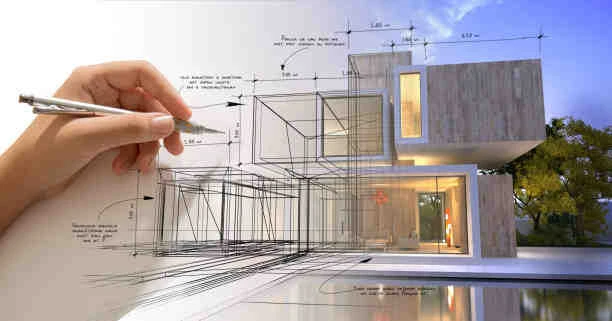
In a world often cluttered with complexity, modern minimalism in architecture stands as a testament to the beauty of simplicity. This design philosophy strips away excess ornamentation and embraces cl...

Throughout history, mankind has expressed its creativity and ambition through the construction of iconic architectural landmarks. These structures not only captivate us with their breathtaking designs...
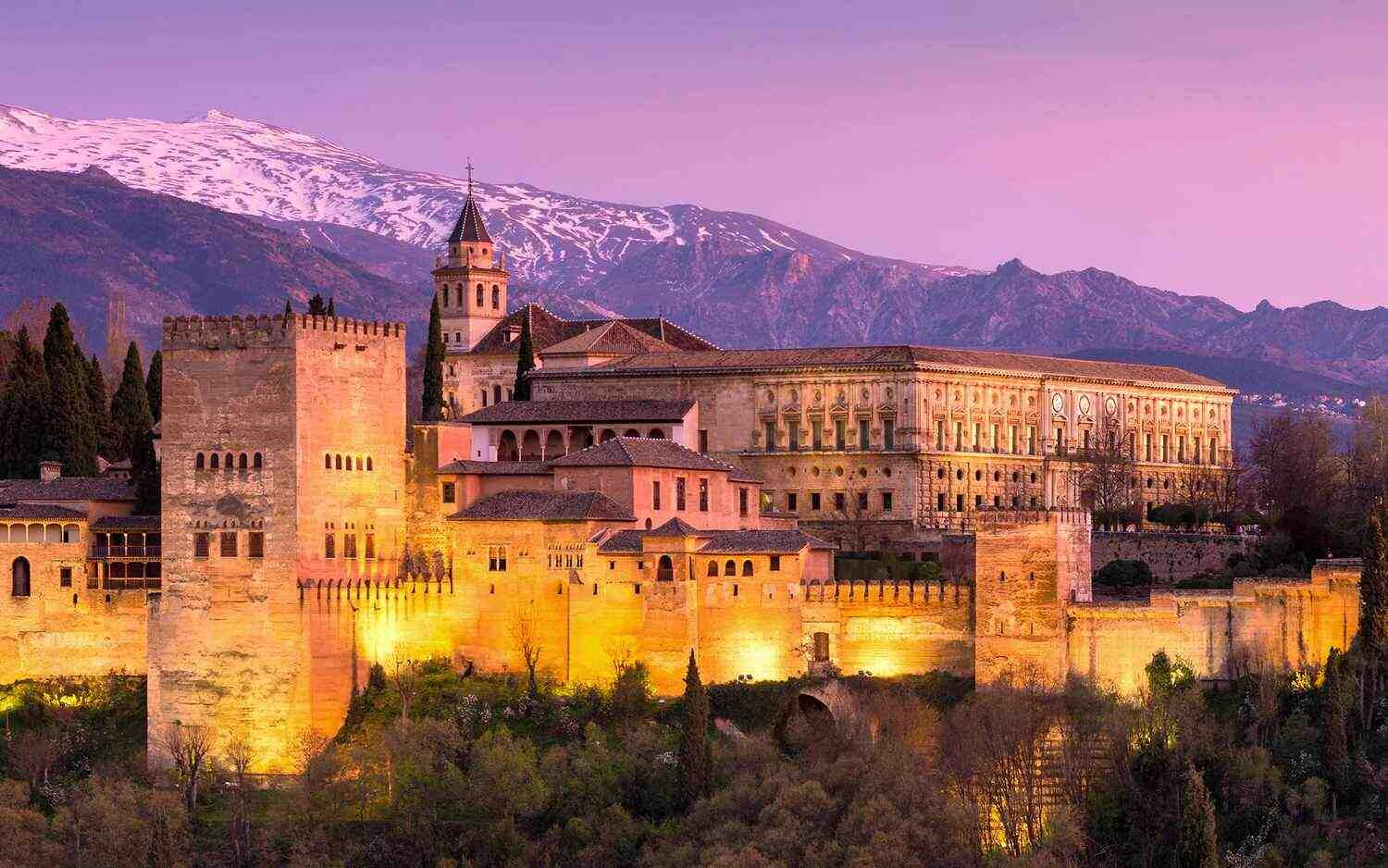
Symmetry and balance in architectural design are principles that have been appreciated for centuries. These elements create a sense of harmony, order, and visual appeal in buildings and structures. Sy...

As the sun dips below the horizon, architectural wonders across the globe come to life, basking in the radiance of carefully designed illumination. Creative lighting design possesses the remarkable ab...

Architecture has a profound impact on our daily lives, shaping the way we interact with our surroundings and with one another. In recent years, a shift towards community-centric architecture has been ...
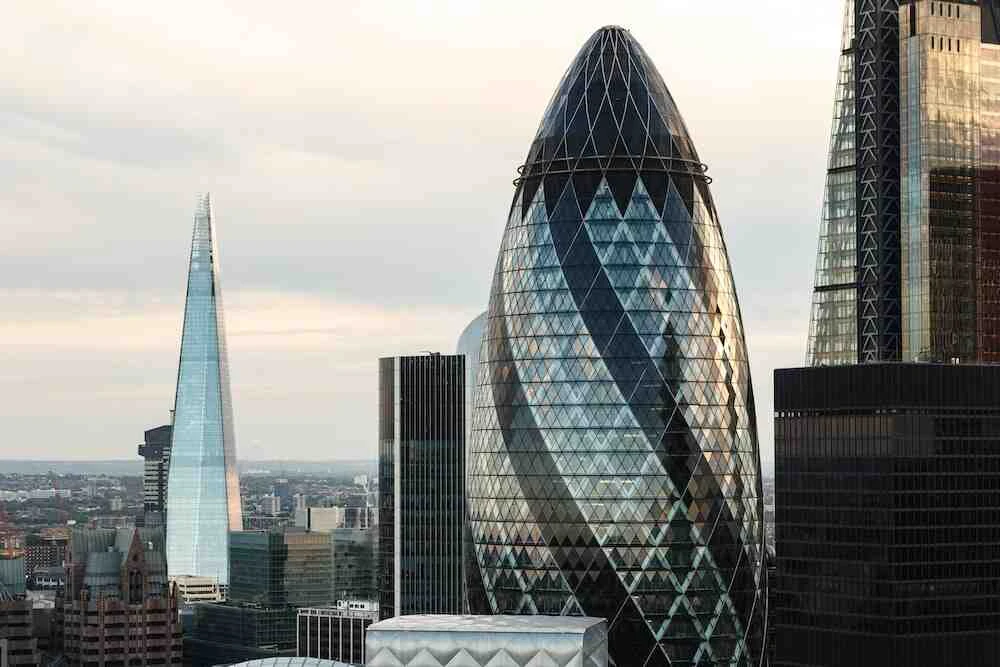
In the ever-evolving world of architecture, the materials we use play a pivotal role in shaping the built environment. Over the years, architects and designers have pushed the boundaries of convention...
Sign up to start winning an unlimited amount of jobs near you.


 Electrician
Gas Engineer
Electrician
Gas Engineer


Send more enquiries and explore your options
Increasing the number of potentials leads for you!
Have more control and flexibility over your finances!