


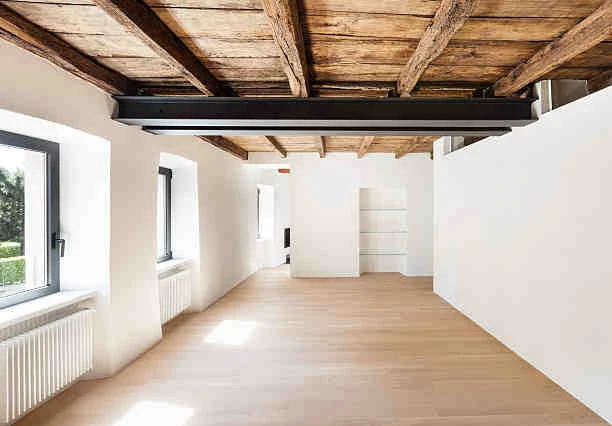
1. The Role of Fascias and Soffits in Heritage Buildings
Fascias and soffits serve both functional and aesthetic purposes. Functionally, they protect the eaves and roof edges from weather-related damage, such as water intrusion, and prevent the buildup of moisture. Aesthetically, they contribute to the overall appearance and style of the building.
In heritage buildings, fascias and soffits are often intricately designed to reflect the architectural style of the era in which they were constructed. Restoring these elements ensures that the building retains its historical accuracy, even down to the smallest details.
2. Materials and Authenticity
One of the primary challenges in heritage fascia and soffit restoration is choosing the right materials. To maintain historical accuracy, it is essential to use materials that closely resemble those used during the building"s original construction.
For example, if the original fascias and soffits were made of wood, restoration experts will often seek out reclaimed or specialty woods to match the period"s craftsmanship. Likewise, if they were made of ornate metals or other materials, such as copper or tin, similar materials are sourced for the restoration.
3. Architectural Styles and Period Accuracy
Heritage buildings often represent specific architectural styles and periods. Restoring fascias and soffits with attention to period-accurate designs is vital to maintain the building"s original character.
For instance, Victorian-era buildings may feature decorative gingerbread trim on their fascias, while Colonial-style homes could showcase simple, unadorned designs. The restoration team must carefully research and recreate these designs to honor the building"s historical context.
4. Expert Craftsmanship
Fascia and soffit restoration in heritage projects demands skilled craftsmanship. Restoration experts and artisans must possess a deep understanding of historical construction techniques, as well as a keen eye for detail.
Craftsmen often use traditional hand tools and methods to recreate ornate carvings, moldings, and other decorative elements. The goal is to ensure that the restored fascias and soffits match the craftsmanship of the past.
5. Preservation of Heritage Values
Preserving heritage buildings is not just about maintaining physical structures; it"s about safeguarding the cultural and historical values that these buildings represent. The restoration of fascias and soffits plays a crucial role in this effort, as they are a testament to the craftsmanship and style of a bygone era.
Conclusion
Heritage projects involving fascia and soffit restoration are a labor of love, dedication, and meticulous attention to detail. These projects not only protect historical buildings from deterioration but also ensure that the structures continue to tell their stories for generations to come. By preserving the authenticity and historical accuracy of fascias and soffits, we honor our shared cultural heritage and architectural legacy.
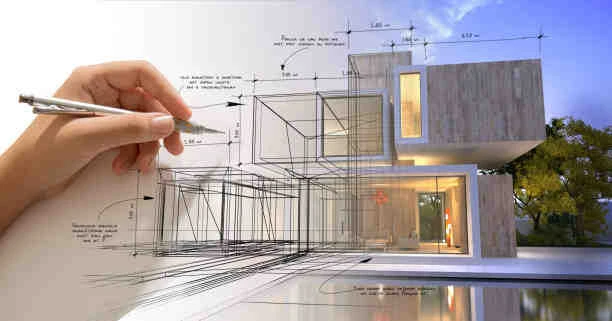
In a world often cluttered with complexity, modern minimalism in architecture stands as a testament to the beauty of simplicity. This design philosophy strips away excess ornamentation and embraces cl...

Throughout history, mankind has expressed its creativity and ambition through the construction of iconic architectural landmarks. These structures not only captivate us with their breathtaking designs...
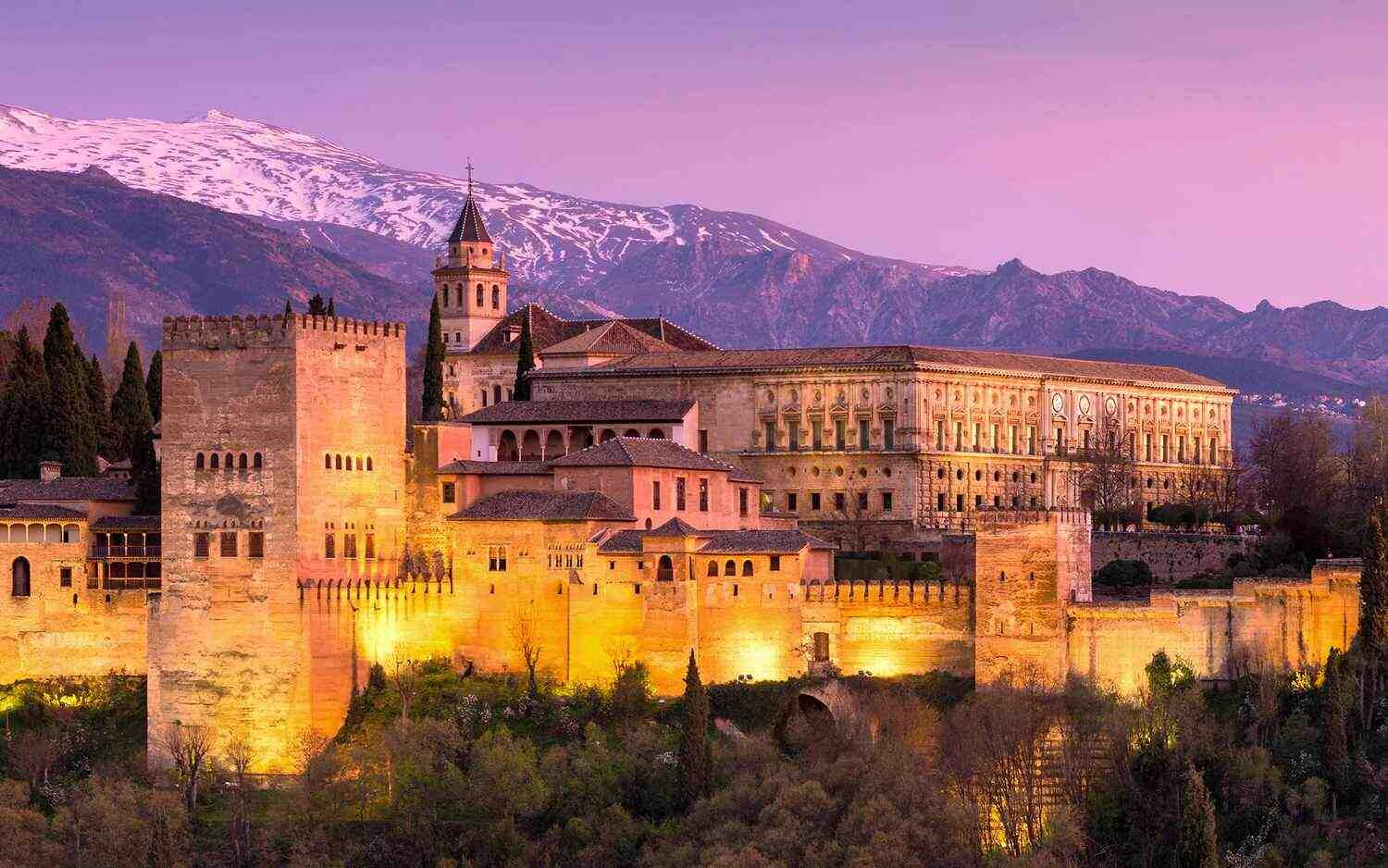
Symmetry and balance in architectural design are principles that have been appreciated for centuries. These elements create a sense of harmony, order, and visual appeal in buildings and structures. Sy...
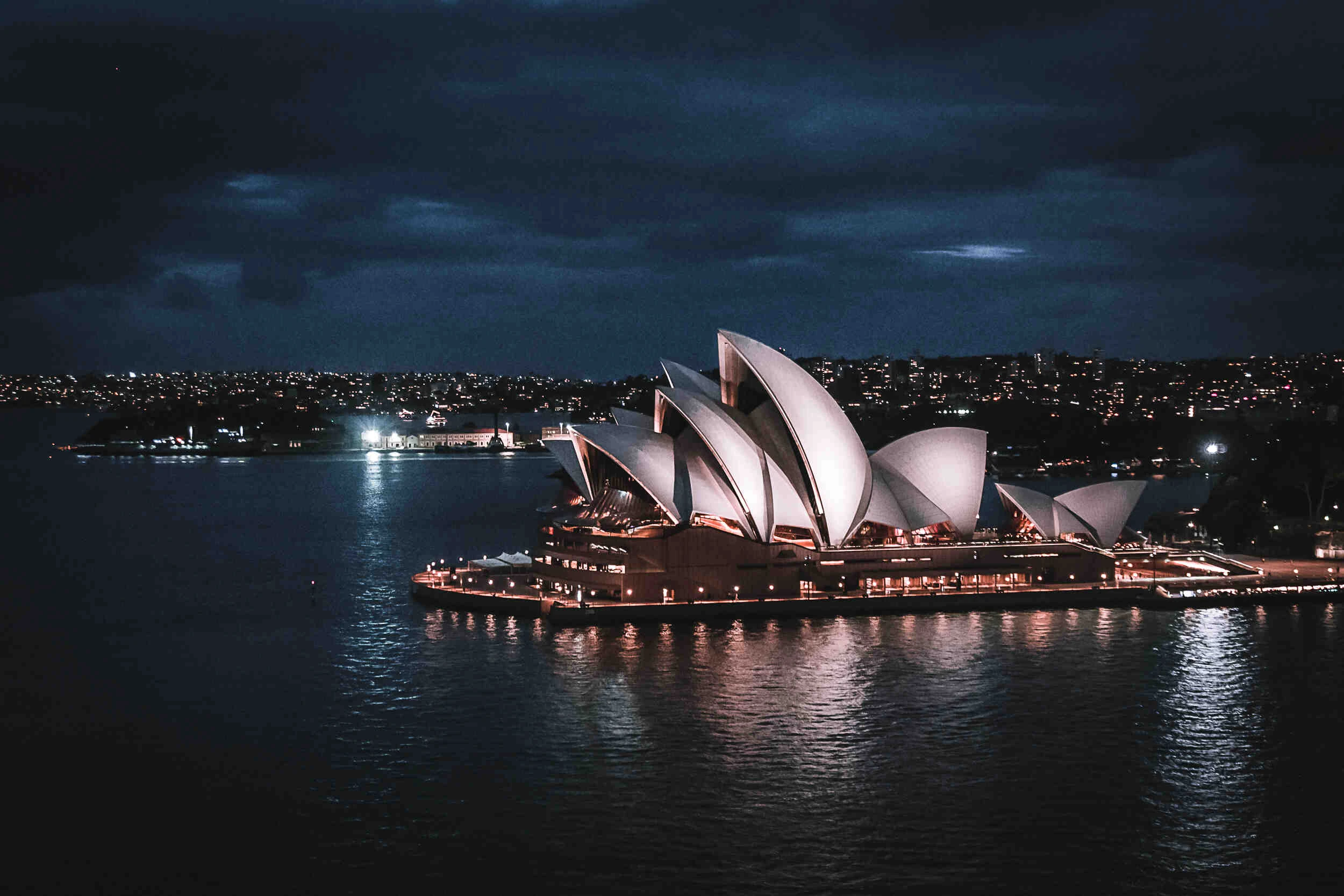
As the sun dips below the horizon, architectural wonders across the globe come to life, basking in the radiance of carefully designed illumination. Creative lighting design possesses the remarkable ab...

Architecture has a profound impact on our daily lives, shaping the way we interact with our surroundings and with one another. In recent years, a shift towards community-centric architecture has been ...
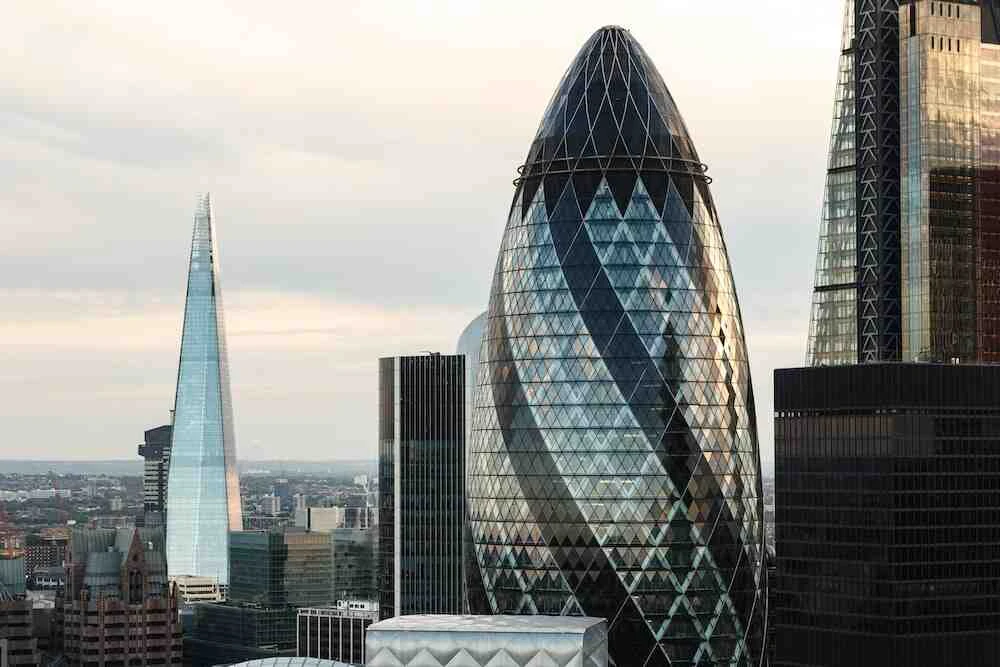
In the ever-evolving world of architecture, the materials we use play a pivotal role in shaping the built environment. Over the years, architects and designers have pushed the boundaries of convention...
Sign up to start winning an unlimited amount of jobs near you.


 Electrician
Gas Engineer
Electrician
Gas Engineer


Send more enquiries and explore your options
Increasing the number of potentials leads for you!
Have more control and flexibility over your finances!