


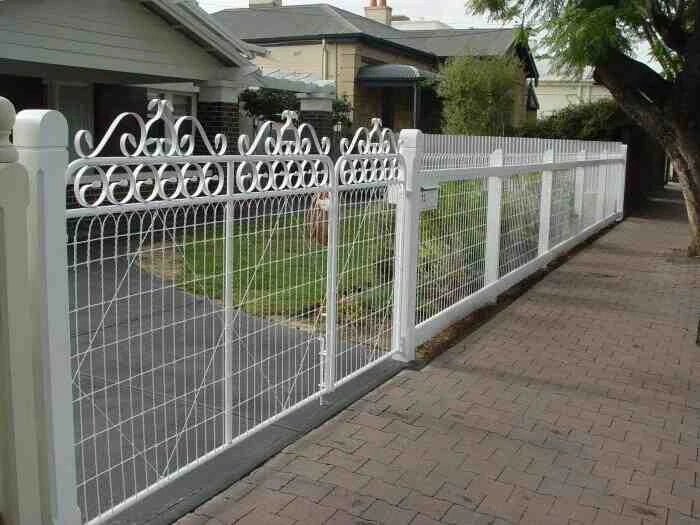
**The Significance of Heritage Fencing**
Heritage fencing plays a vital role in preserving historical sites and structures for future generations. Here"s why these projects are essential:
1. **Maintaining Authenticity**: Heritage fences are often designed in styles and materials that were popular during the era in which the structure was built. Preserving these fences helps maintain the historical authenticity of the property.
2. **Boundary Preservation**: Fences often delineate the boundaries of historical sites, protecting them from encroachment, vandalism, and other threats.
3. **Aesthetic Enhancement**: The right fencing can enhance the visual appeal of a heritage property, providing a picturesque backdrop for visitors and photographers.
4. **Safety and Security**: Ensuring the structural integrity of heritage fences is crucial for both the safety of visitors and the protection of the site itself.
**Challenges in Restoration and Preservation**
Heritage fencing restoration and preservation can be a complex endeavor, often involving various challenges:
1. **Material Availability**: Finding the right materials for historical accuracy can be challenging, especially if the original materials are no longer commonly used.
2. **Historical Accuracy**: Ensuring that the design and construction of the restored fence match the original can be challenging, requiring extensive historical research.
3. **Preservation vs. Replacement**: Deciding whether to restore or replace a fence depends on its condition and historical significance. Striking the right balance is crucial.
4. **Conservation Regulations**: Many heritage properties are subject to strict conservation regulations, which can affect the choice of materials, designs, and construction methods.
5. **Budget Constraints**: Restoration and preservation projects can be costly, and securing funding for heritage fencing can be a significant hurdle.
**Notable Heritage Fencing Projects**
1. **The White House, USA**: The White House features a historic wrought iron fence installed in the 19th century. It has undergone several restorations over the years to maintain its historical charm and security.
2. **Château de Versailles, France**: The Palace of Versailles is surrounded by intricate wrought iron fencing, originally designed during the reign of Louis XIV. Ongoing restoration work ensures the preservation of these exquisite fences.
3. **Alhambra, Spain**: The Alhambra, a UNESCO World Heritage Site, features ornate, intricate fencing that is vital for preserving the site"s unique architectural and historical value.
4. **Edinburgh Castle, Scotland**: The Edinburgh Castle boasts historic stone walls and fencing that have been restored and maintained to protect the ancient structure.
Conclusion
Heritage fencing projects are a labor of love, essential for preserving historical sites, structures, and cultural heritage. The restoration and preservation of heritage fencing involve meticulous research, attention to detail, and a deep commitment to maintaining historical accuracy. By safeguarding these integral aspects of our heritage, we not only protect the stories and aesthetics of the past but also provide future generations with the opportunity to connect with and appreciate history in a tangible and visually striking way. Collaborations between historians, conservators, architects, and skilled craftsmen are crucial in ensuring that these projects succeed in their mission of preserving our collective heritage.
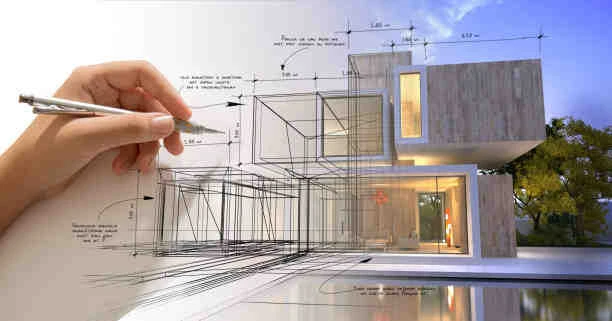
In a world often cluttered with complexity, modern minimalism in architecture stands as a testament to the beauty of simplicity. This design philosophy strips away excess ornamentation and embraces cl...

Throughout history, mankind has expressed its creativity and ambition through the construction of iconic architectural landmarks. These structures not only captivate us with their breathtaking designs...
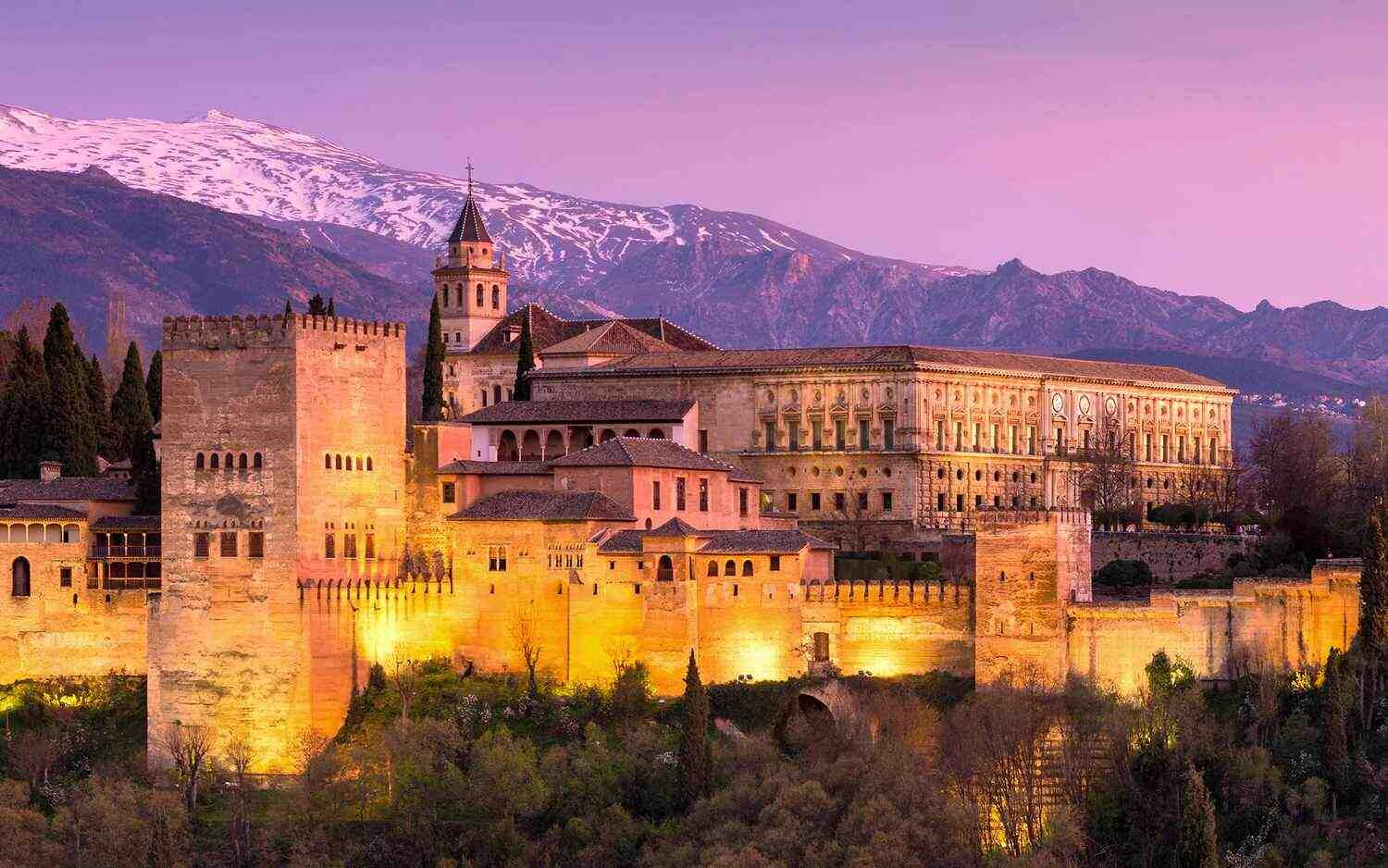
Symmetry and balance in architectural design are principles that have been appreciated for centuries. These elements create a sense of harmony, order, and visual appeal in buildings and structures. Sy...

As the sun dips below the horizon, architectural wonders across the globe come to life, basking in the radiance of carefully designed illumination. Creative lighting design possesses the remarkable ab...

Architecture has a profound impact on our daily lives, shaping the way we interact with our surroundings and with one another. In recent years, a shift towards community-centric architecture has been ...
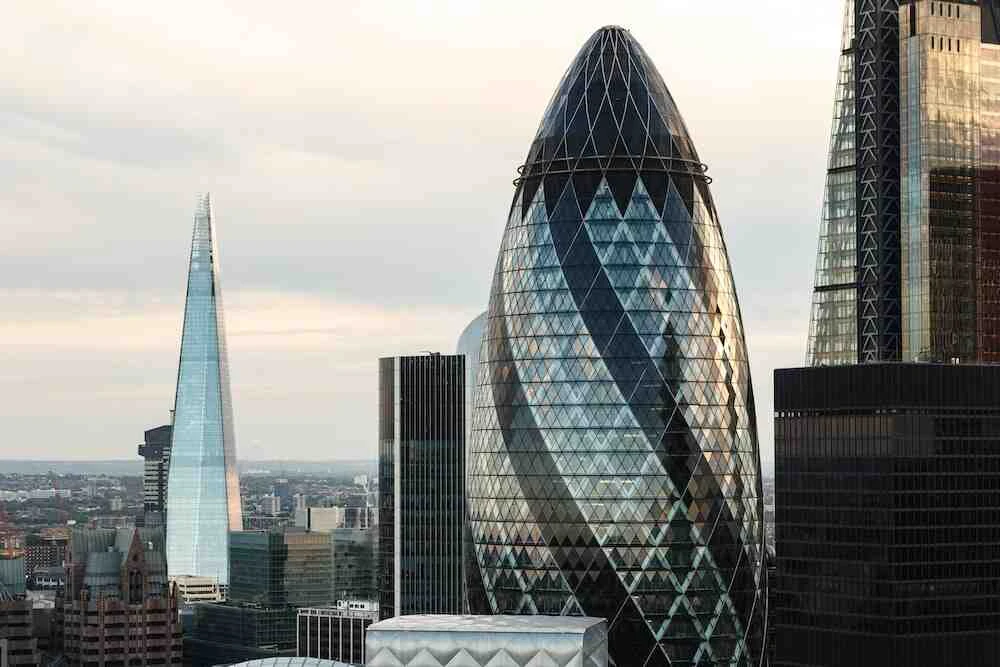
In the ever-evolving world of architecture, the materials we use play a pivotal role in shaping the built environment. Over the years, architects and designers have pushed the boundaries of convention...
Sign up to start winning an unlimited amount of jobs near you.


 Electrician
Gas Engineer
Electrician
Gas Engineer


Send more enquiries and explore your options
Increasing the number of potentials leads for you!
Have more control and flexibility over your finances!