

Understanding Condensation
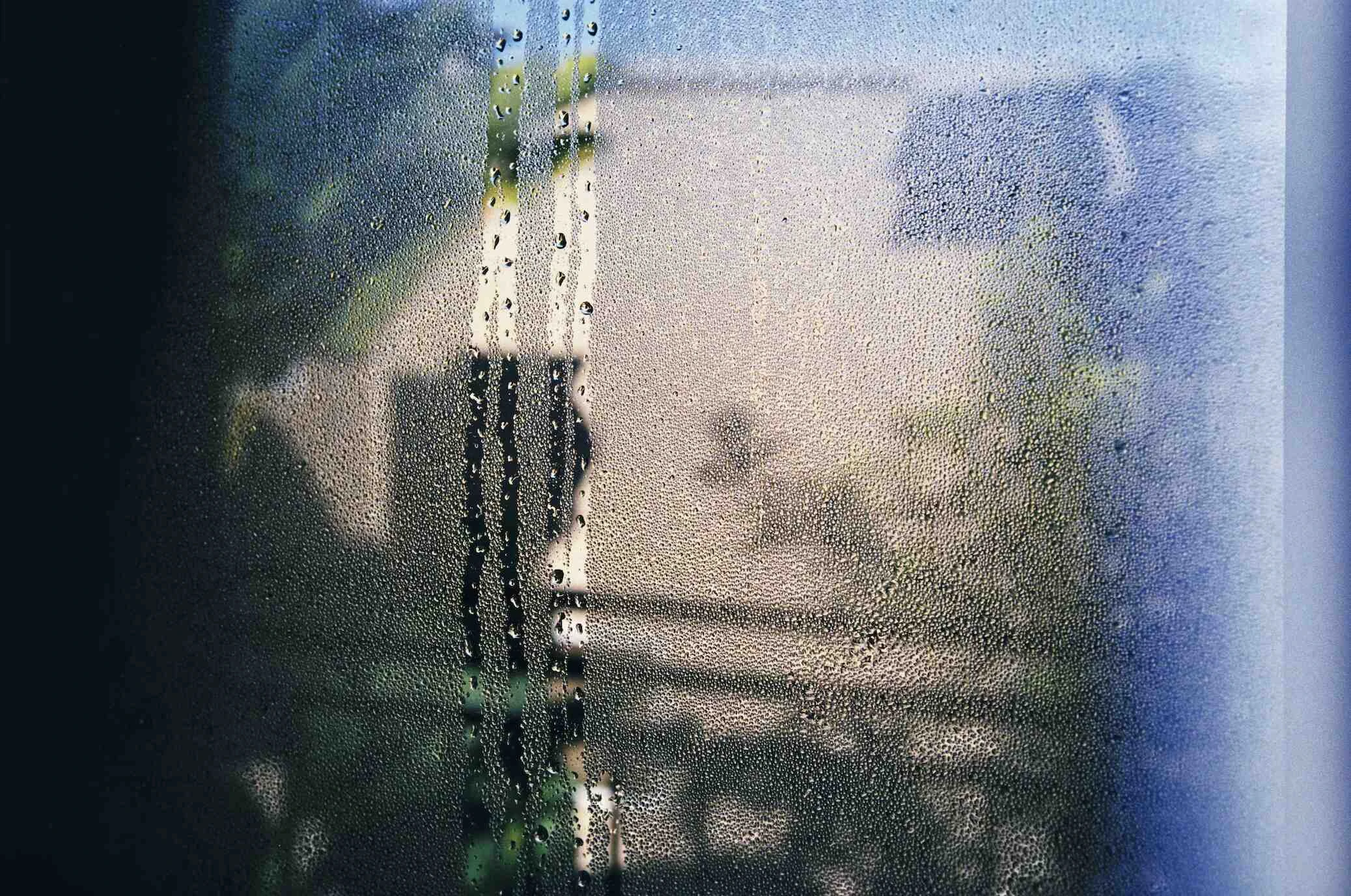
Before we embark on our journey to tackle condensation issues, it"s essential to understand what condensation is and why it happens. Condensation occurs when warm, moist air meets a cold surface, causing the air to release moisture in the form of water droplets. This process is a natural consequence of temperature and humidity variations, but it becomes a problem when it happens inside your home.
The primary factors contributing to condensation in homes are:
Temperature differences: When the indoor air is warm and meets a cold surface like windows or walls, condensation is likely to occur.
High humidity levels: Excess moisture in the air, often caused by cooking, bathing, or drying clothes indoors, can increase the likelihood of condensation.
Poor ventilation: Inadequate ventilation traps moist air inside, providing the perfect environment for condensation to thrive.
Now that we know why condensation happens, let"s move on to the main event: How to handle it effectively.
Improve Ventilation
One of the most effective ways to combat condensation is to ensure proper ventilation in your home. Good ventilation helps in maintaining a healthy balance of humidity and prevents moisture from accumulating. Here"s how to achieve it:
1.1. Use exhaust fans: Install exhaust fans in bathrooms and kitchens to remove moisture-laden air at the source.
1.2. Open windows and doors: Let in fresh air by opening windows and doors regularly, especially during and after activities that increase humidity levels.
1.3. Use a dehumidifier: Consider investing in a dehumidifier to control indoor humidity levels, particularly in areas prone to moisture buildup.
Insulate Your Home
Inadequate insulation is a common culprit for condensation issues. Proper insulation ensures that warm air doesn"t come into contact with cold surfaces, reducing the chances of condensation. Here"s how you can improve insulation in your home:
2.1. Double-glazed windows: Replace single-pane windows with double-glazed ones to create a thermal barrier, preventing condensation on your windows.
2.2. Insulate walls and ceilings: Ensure that your walls and ceilings are well-insulated to maintain a consistent indoor temperature.
Manage Humidity
Controlling the humidity levels in your home is essential to combat condensation. Here are some tips to manage indoor humidity effectively:
3.1. Use a hygrometer: Invest in a hygrometer to monitor indoor humidity levels. Aim for a relative humidity level between 30% and 50%.
3.2. Cover pots while cooking: When cooking, cover pots and pans to reduce the release of moisture into the air.
3.3. Dry clothes outdoors: Avoid drying clothes indoors, as it releases a significant amount of moisture into the air. If you must dry clothes indoors, use a well-ventilated area or a dehumidifier.
Install Thermal Curtains
Thermal curtains are a practical and affordable solution to prevent condensation on windows. These curtains have a thermal lining that helps to maintain a consistent temperature around your windows. During colder months, they keep the cold air out and the warm air in, minimizing the chances of condensation.
Keep Furniture Away from Walls
Allowing some space between your furniture and walls helps air circulate and prevents moisture from getting trapped. This simple adjustment can make a significant difference in reducing condensation.
Regular Maintenance
Regular maintenance of your home can also help prevent condensation issues:
6.1. Check for leaks: Inspect your plumbing and roof for leaks regularly, as even a minor leak can contribute to indoor moisture.
6.2. Clean gutters and downspouts: Ensure that your gutters and downspouts are clear of debris to prevent water from overflowing and causing dampness.
6.3. Seal gaps and cracks: Identify and seal any gaps or cracks in your home"s structure to prevent drafts and cold spots.
Conclusion
Condensation issues may seem like a minor inconvenience, but they can lead to serious problems if ignored. The good news is that with the right strategies, you can effectively tackle condensation in your home. By improving ventilation, insulating your home, managing humidity, using thermal curtains, keeping furniture away from walls, and conducting regular maintenance, you can create a healthier, more comfortable living environment.
Remember, a dry, well-ventilated home is not only more pleasant to live in, but it also protects your investment by preventing structural damage and potential health issues. So, take the necessary steps to conquer condensation and ensure your home remains a haven of comfort and safety.
Introduction: In carpentry, time is money, and workflow is the pulse that keeps the business alive. Yet, many carpenters need help with a disjointed workflow, stifling efficiency and sapping the joy o...
.webp)
Introduction: Carpentry more than just a trade, is an art form. The journey to mastery involves constantly honing one"s skills, a voyage where every chisel stroke and nail-driven shapes not just ...
In the world of woodworking, every piece of timber tells a story - a tale of craftsmanship, dedication, and wisdom. For aspiring woodworkers and seasoned artisans alike, this blog is a collection of T...
In the world of woodworking, every piece crafted is a note in the symphony of a carpenter"s career. Yet, to compose a melodious tune, one must prioritize the conductor - their health and longevity. Th...
In carpentry, precision isn"t just about chiselling wood; it"s about chiselling a successful business. Financial stability and growth are the building blocks of a carpentry enterprise. Welcome to "Cra...

In the world of woodworking, creating something beautiful is not just an art—it"s a responsibility. A responsibility towards the craft, the client, and most importantly, the safety and well-bein...
Sign up to start winning an unlimited amount of jobs near you.


 Electrician
Gas Engineer
Electrician
Gas Engineer


Send more enquiries and explore your options
Increasing the number of potentials leads for you!
Have more control and flexibility over your finances!